


The theatricality of the mundane is often overlooked in commercial interiors, yet in the heart of Prague, locally-based Studio Plyš has transformed the routine act of a manicure into a sophisticated spatial performance. Their latest project, NailSpot, rejects the clinical brightness typically associated with beauty salons, opting instead for a narrative-driven environment. Conceived as a quiet theatrical sequence, the salon unfolds through a series of carefully staged gestures, where the visitor is not merely a client but the protagonist of a choreographed journey. By treating the floor plan as a stage, the architects have elevated a common urban typology into a meditative retreat that prioritizes the sensory experience over mere utility.

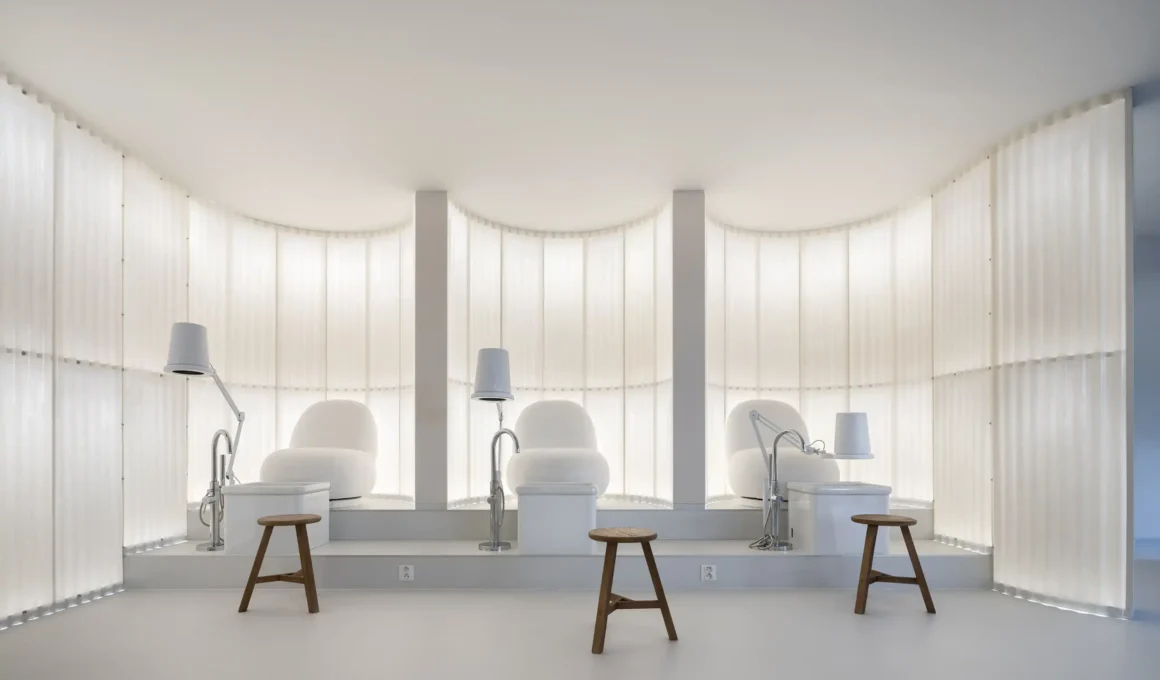
Navigating the spatial dramaturgy begins at the reception, a threshold that marks the transition from the bustling streets of the Czech capital into a realm of calibrated calm. The layout follows a rhythmic progression, guiding guests through a series of “acts”—from the communal energy of the long manicure table to the elevated, throne-like stations dedicated to pedicures. This intentional flow is the result of a close collaboration between the designers and the client, whose deep understanding of the service’s technical nuances allowed Studio Plyš to shape a space that feels both intuitive and otherworldly. The architecture does not just house the service; it choreographs the body’s movement through it.
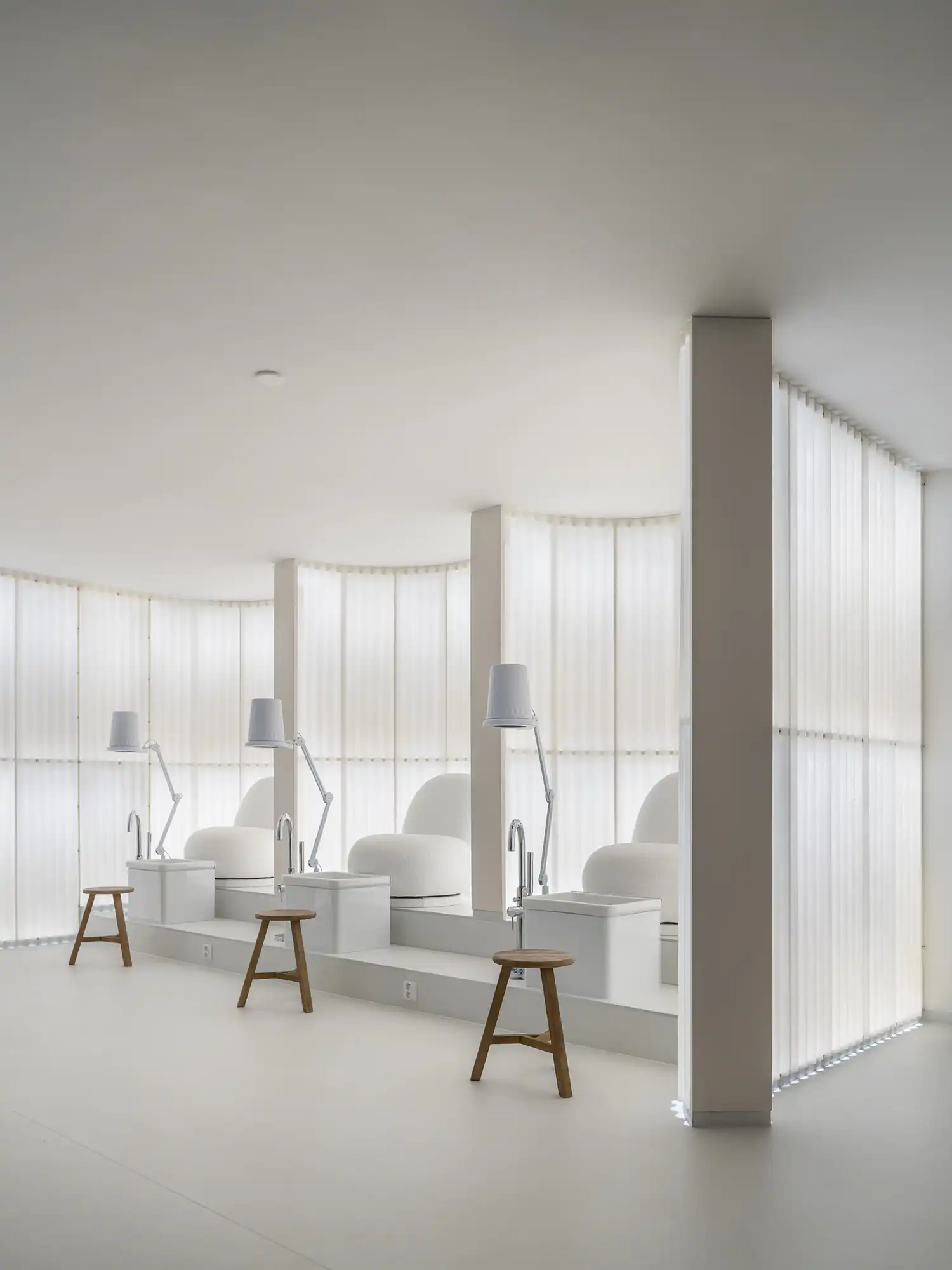
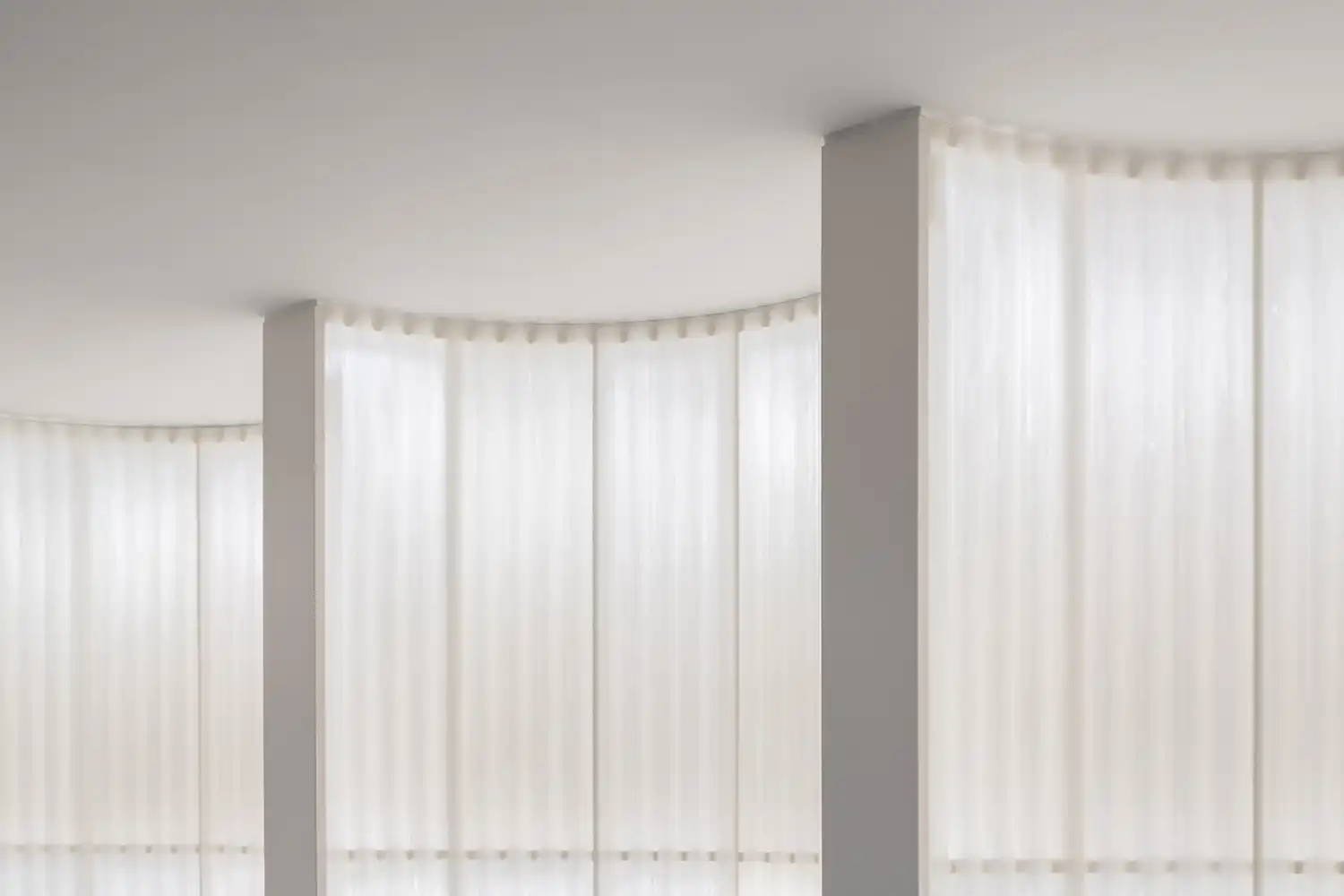
Light serves as the primary medium of construction within NailSpot, blurring the physical boundaries of the interior. Utilizing backlit fiberglass partitions, the designers have created a translucent envelope that glows with a soft, ethereal radiance. This choice of material allows the space to feel expansive yet intimate, dissolving hard edges into a shadowplay of silhouettes. While the ambient light provides a sense of atmospheric suspension, focused task lighting at each station acts as a spotlight, centering the attention on the meticulous craft of the technicians. This interplay between the diffused and the precise turns the salon into a luminous landscape where light itself becomes a tactile element.
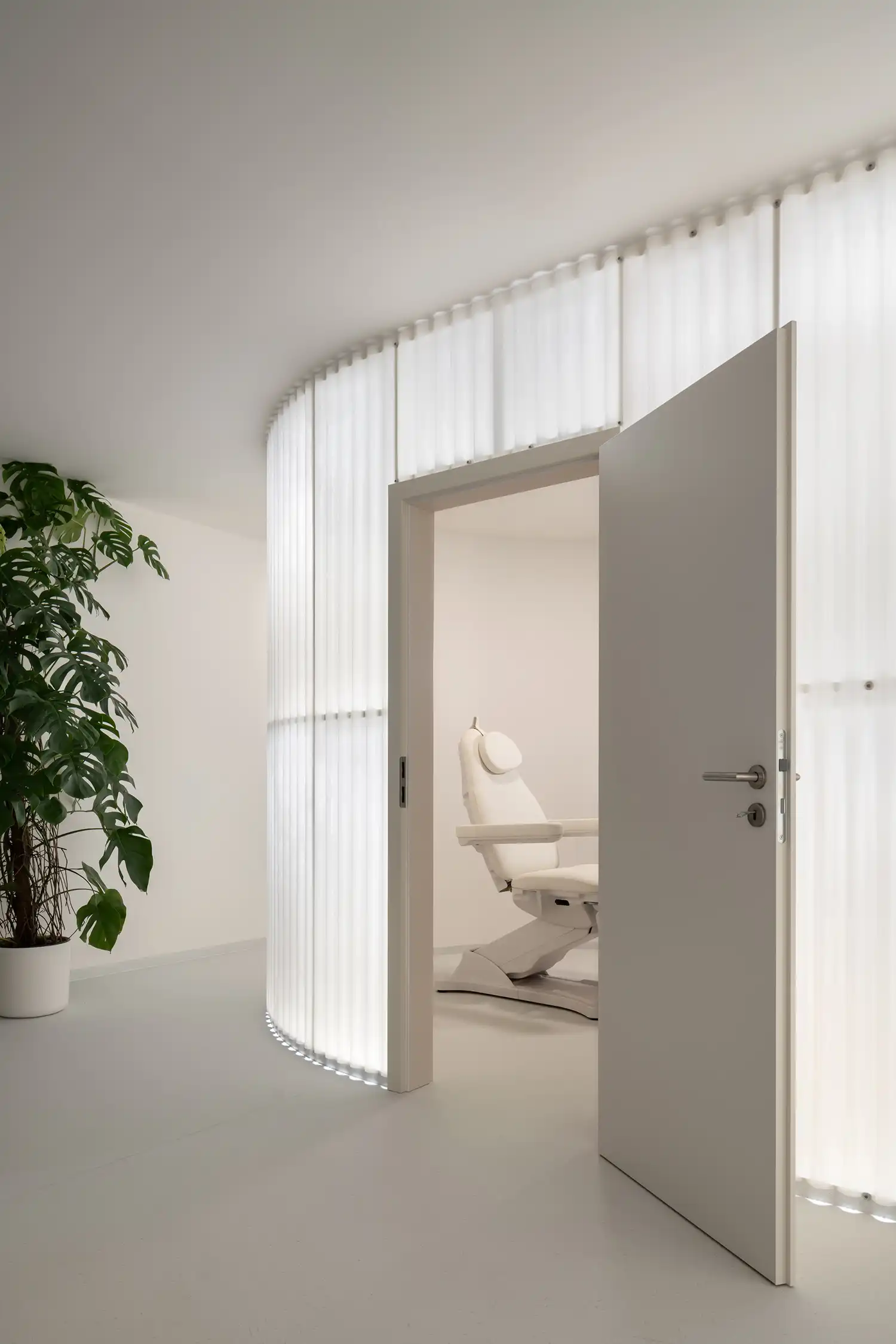
A restrained material palette reinforces this sense of serene focus, grounding the high-concept lighting in warm, human-centric textures. In a move toward “warm simplicity,” the studio reserved tactile materials like wood and plush upholstery for the touchpoints most intimate to the client. This selective application of materiality creates a hierarchy of comfort, where every surface that meets the skin is designed to soothe. The soft, curved volumes—including a private room hidden behind a sweeping architectural arc—ensure that the technical requirements of the salon are tucked away, leaving only an atmosphere of understated luxury and wellness.

In the context of modern urban growth, projects like NailSpot signal a shift in how we perceive specialized service spaces. No longer content with sterile functionality, contemporary design is increasingly leaning toward the creation of holistic sensory paths. This approach mirrors other global benchmarks in the beauty and wellness sector, such as the futuristic aesthetics of the Poutx clinic in Toronto or the subversive, high-design atmosphere of the Sinners Tattoo Studio in Aarhus. Like these precedents, the Prague salon demonstrates that whether it is a tattoo parlor or a nail studio, the environment must transcend its function to become a destination of aesthetic significance.
The ultimate legacy of NailSpot lies in its ability to redefine “care” through spatial precision. By treating the interior as a site of wellness and artistic expression, Studio Plyš has successfully lifted the visitor out of the ordinary. The project stands as a testament to the power of architecture to transform a brief encounter into a lasting memory, proving that even the most common urban services can be reimagined as profound moments of stillness. In the evolving landscape of European interior design, this salon serves as a masterclass in how light, rhythm, and material can be harmonized to serve the human spirit.