


Located within the historic fabric of South London, the Forest Hill House has been transformed from a tired dwelling into a contemporary refuge. Designed by Noto Architects, this project represents a finely crafted reimagining of a Victorian semi, tailored specifically for the needs of a chef and a young family. Rather than relying on heavy-handed expansion or maximizing footprint at all costs, the design prioritizes a sensitive update of the existing structure to improve the quality of life within.

The studio worked within tight site constraints to deliver an intelligent retrofit that breathes new life into the property. The project eschews the typical solution of aggressive extensions, focusing instead on reorganizing the ground floor to create a sense of order. This approach preserves the external character of the building while generating a serene living environment inside that feels significantly more spacious and cohesive than its original layout suggested.

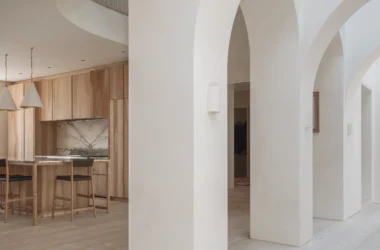
At the core of this reconfiguration is a professional-grade kitchen. Acting as the social and functional heart of the home, this space anchors the ground floor plan. Noto Architects opened up the living areas to orbit around this culinary hub, facilitating a lifestyle that blends family intimacy with the high-performance demands of a working chef. The spatial flow ensures that cooking is not an isolated task but a communal activity integrated into the daily rhythm of the house.

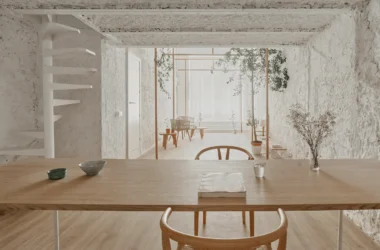
A restrained palette of warm natural materials defines the interior atmosphere, chosen to complement the soft daylight that now washes through the home. The design team employed subtle interventions, such as careful massing and custom integrated storage, to reduce visual clutter and allow the architecture to breathe. These elements create a textural richness that provides a distinct contrast to the hustle and density of the surrounding city.

French + Tye’s photography highlights the project’s essential qualities, particularly the long views that connect the interior spaces to the leafy rear garden. These sightlines draw the eye through the house, blurring the boundary between the domestic sphere and the outdoors. This deep engagement with the existing fabric creates moments of calm and establishes a visual continuity that makes the relatively compact home feel expansive.

Ultimately, the Forest Hill House reflects broader shifts in London residential design, moving away from pure expansion toward hybrid spaces suited to both work and relaxation. By respecting the house’s Victorian character while introducing modern functionality, the project serves as a model for sustainable urban living. It demonstrates how thoughtful design can unlock the potential of a heritage property without compromising its soul.