




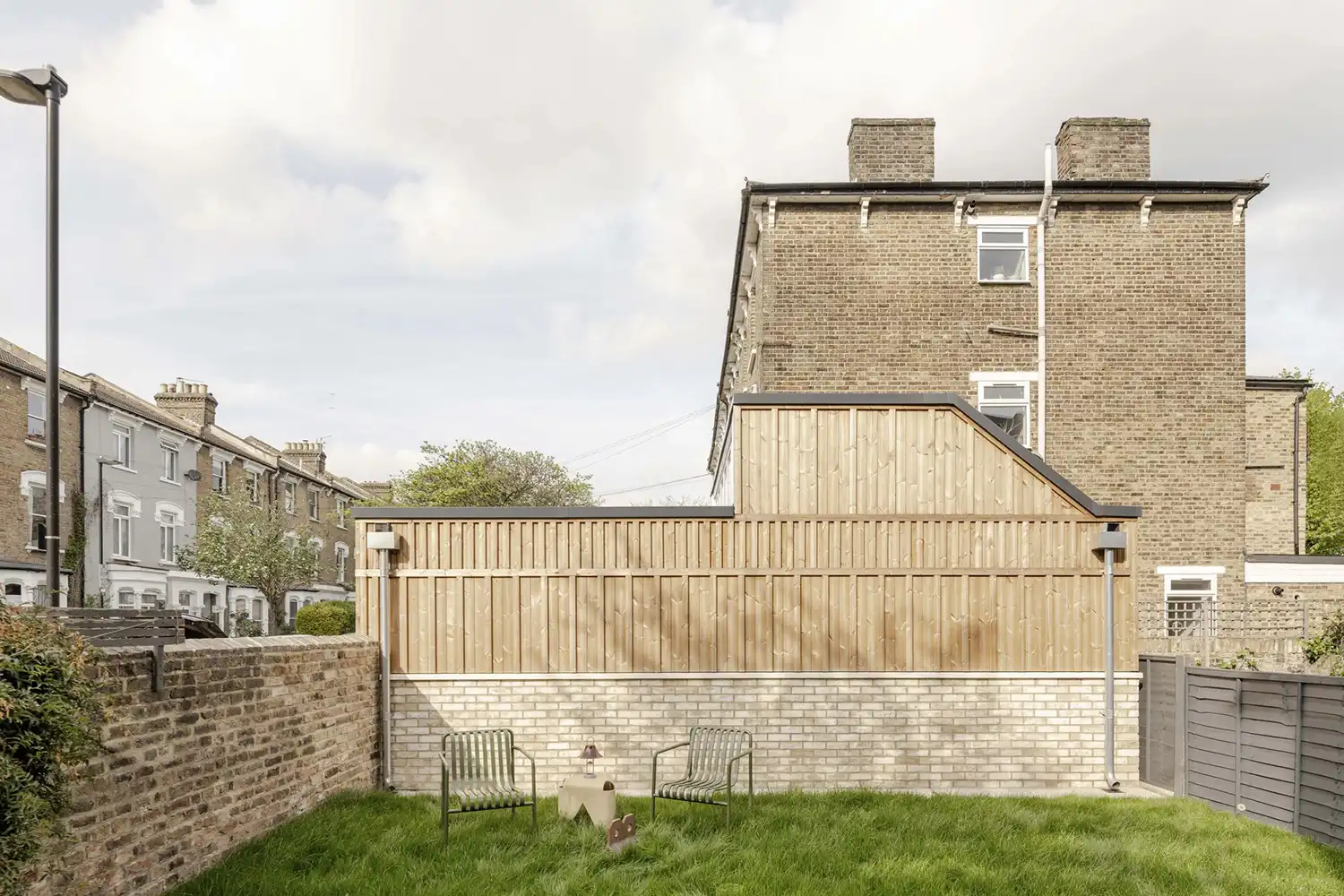
Of all the unlikely sites for a piece of thoughtful architecture, a disused concrete garage tucked behind a north London garden wall must rank highly. Yet, it is precisely this unpromising 1950s concrete structure that architect Owain Williams has transformed into a beacon of community-focused design. The newly completed Housing Centre in Haringey for a local charitable housing association is a masterclass in creating a significant impact within a constrained and modest footprint.
This project is a powerful testament to how resourceful architecture can serve its community with dignity and hope. The brief extended far beyond providing mere office space; the client needed a building that embodied their core values: it had to be resourceful, modest, yet aspirational. Crucially, it had to function as a calm and welcoming drop-in clinic for residents facing housing challenges.
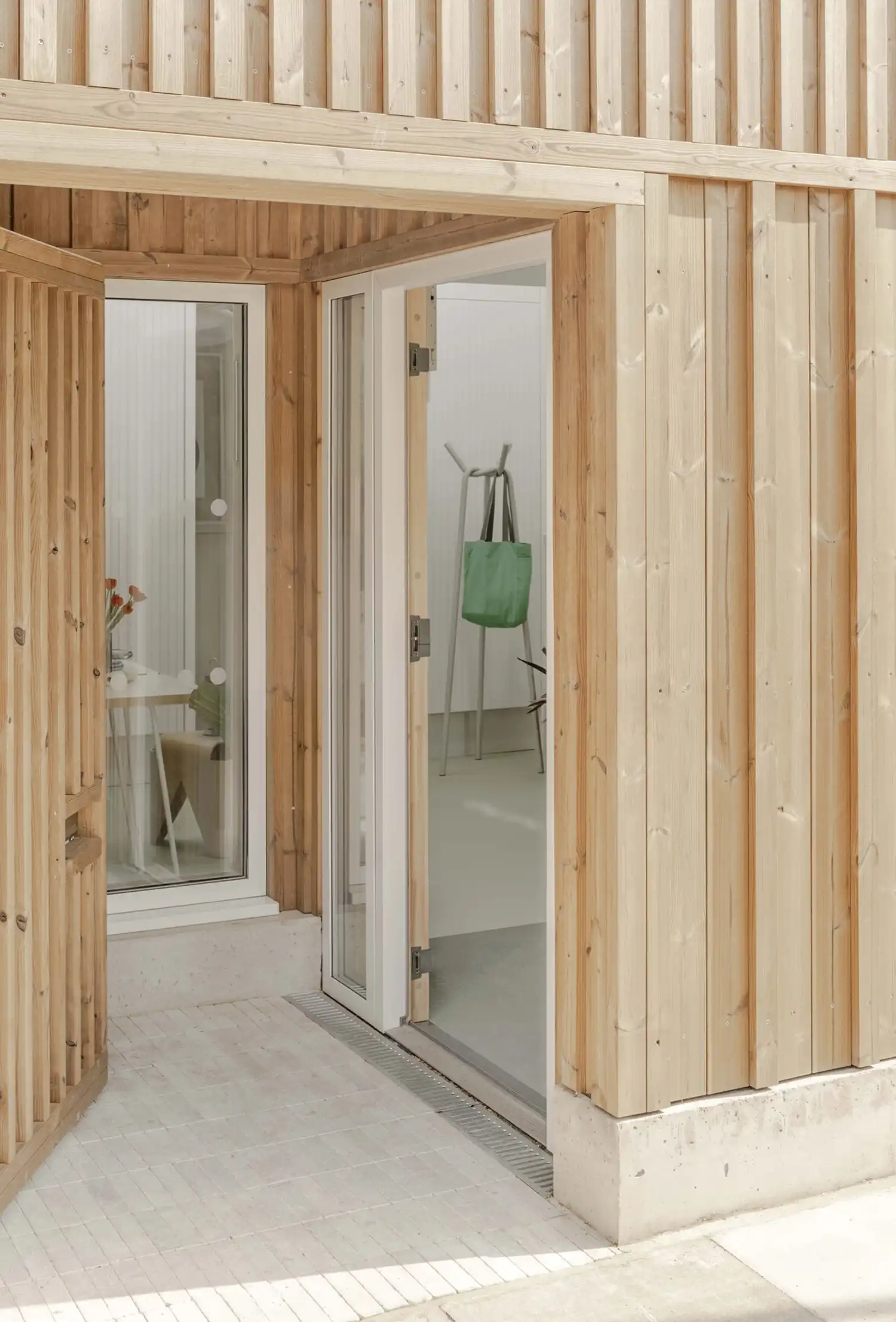
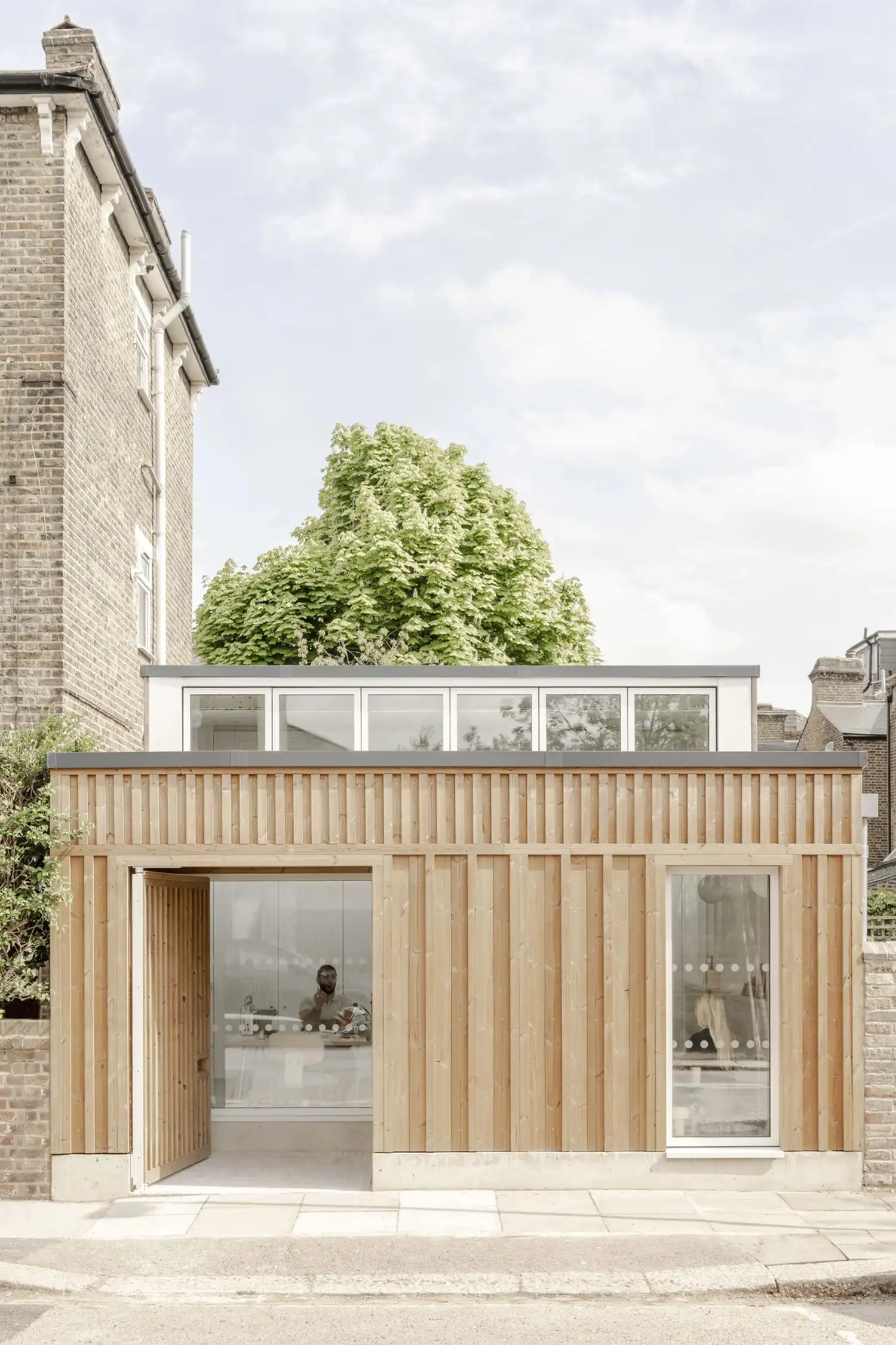
The design also needed the flexibility to open up for wider community events. Williams’s design responds with a deft touch. The exterior is cloaked in Scots Larch cladding, a naturally durable softwood whose warm, pinkish-brown hue brings a tactile, domestic warmth to the street. The battens are arranged in a rhythmic pattern of flat and projecting elements.
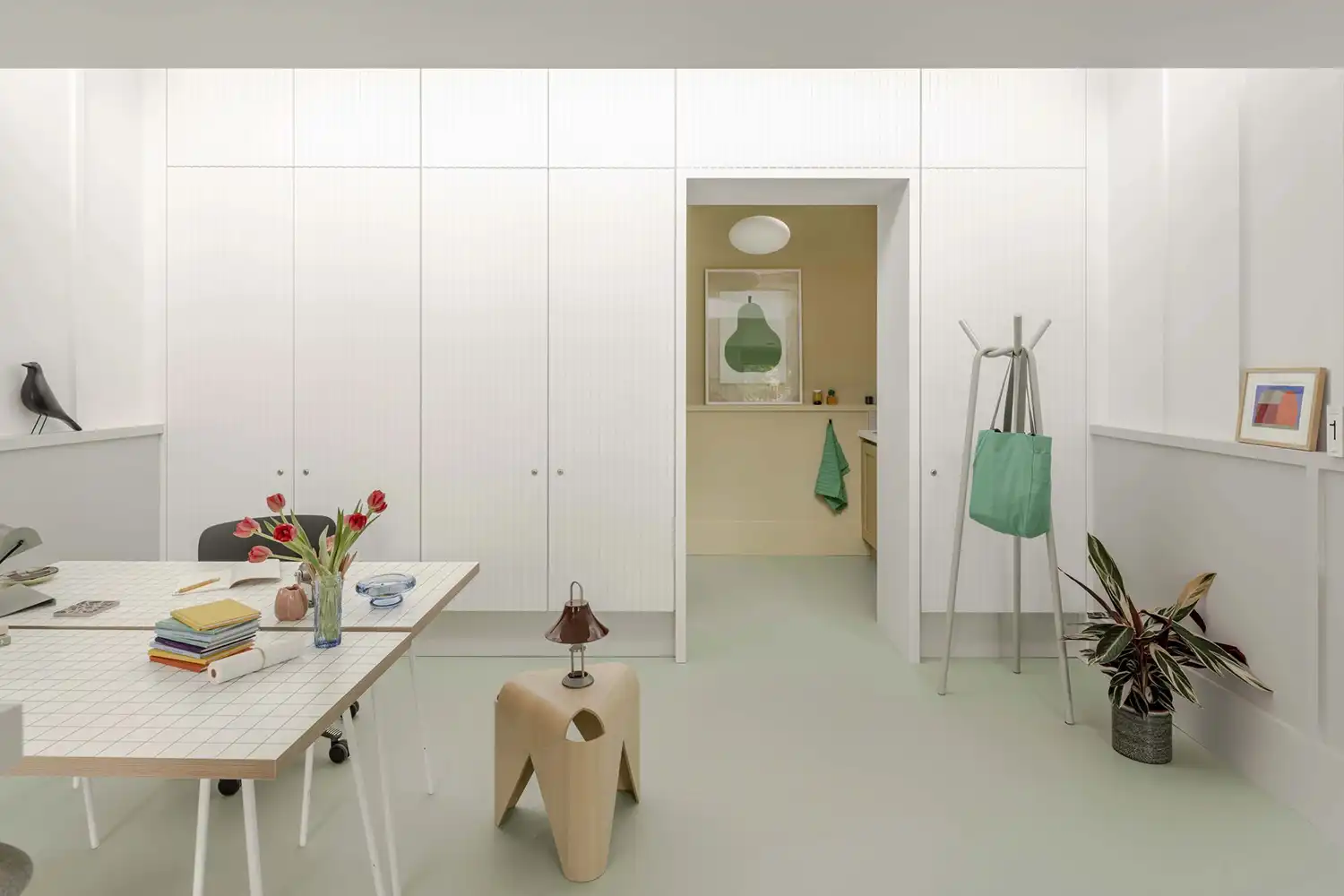
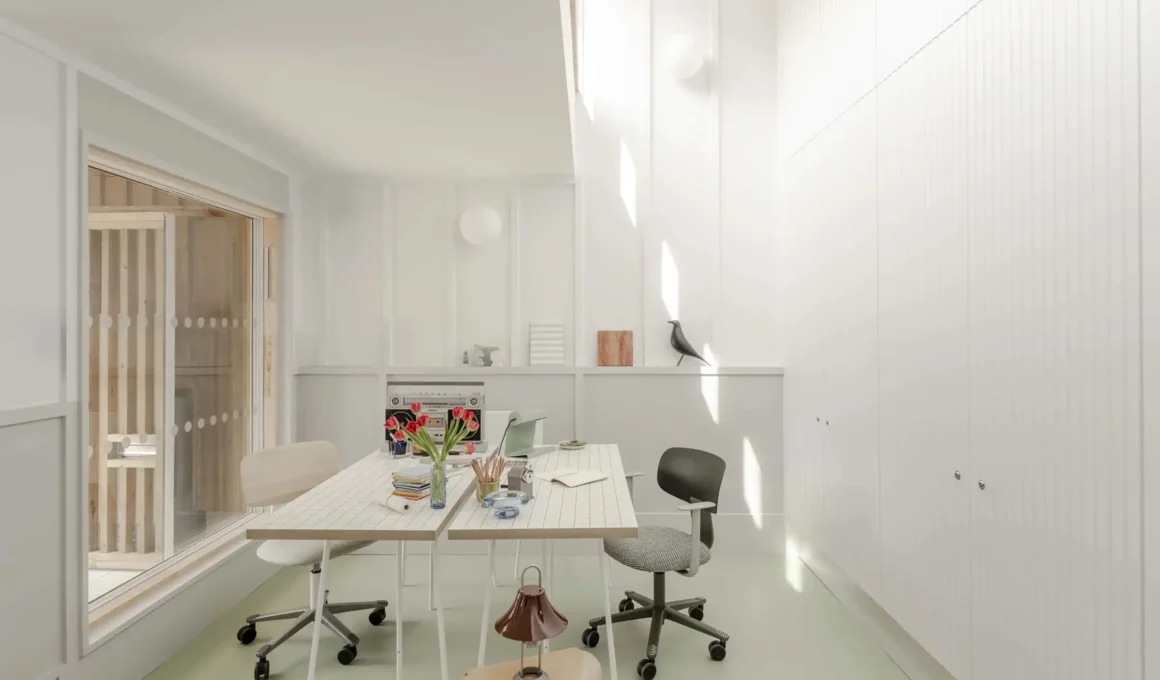
This careful rhythm is not merely superficial; it is reinterpreted inside, where a panellised base forms a continuous shelf around the interior before stepping back to create display space. The architectural language is consistent, thoughtful, and deeply integrated. A key move was the strategic use of glazing to balance light with privacy.
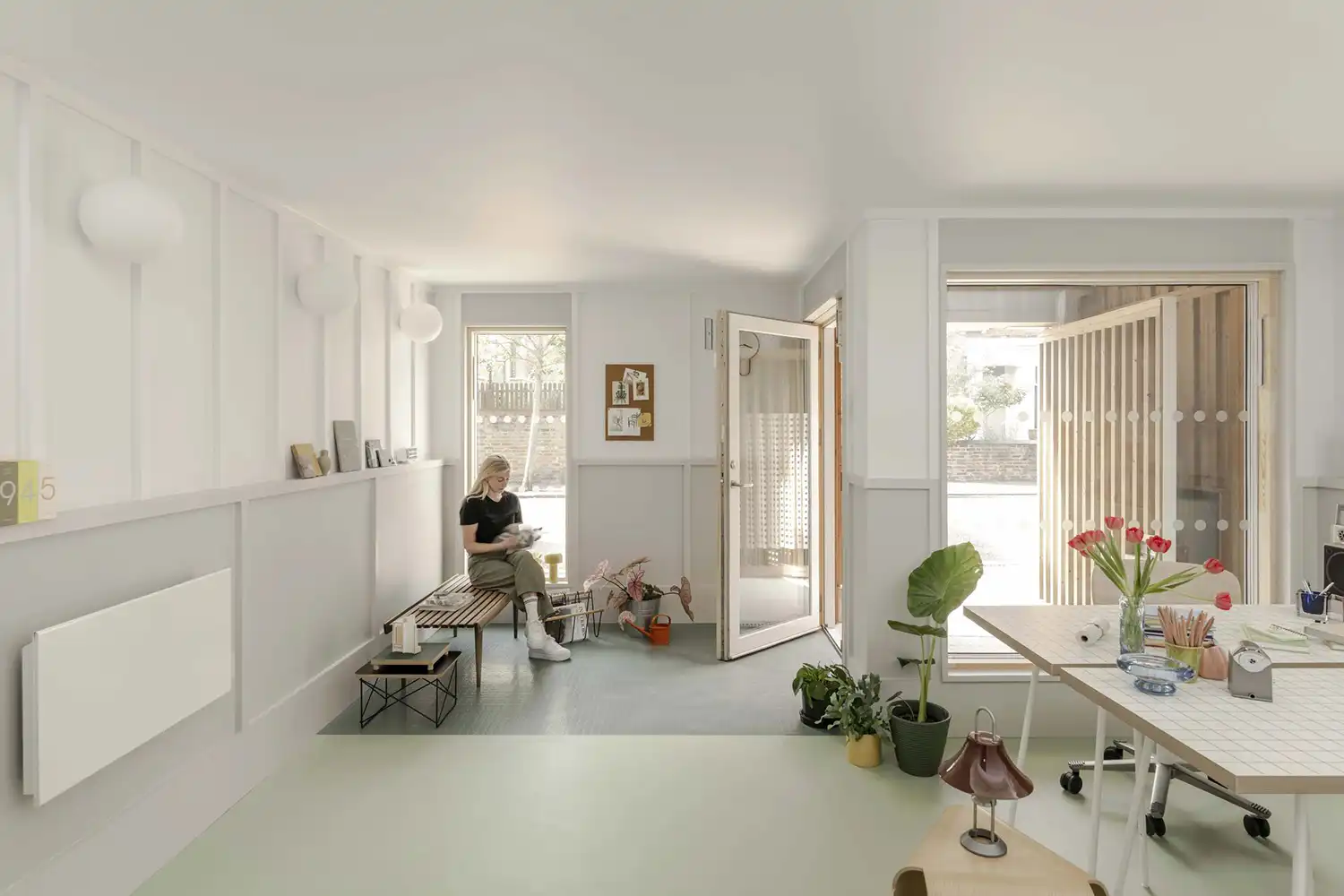
A north-facing clerestory window bathes the main space in an even, diffused light throughout the day, eliminating harsh glare. This approach intentionally limits overlooking from the street, preserving the discretion essential for visitors who may be in distress. Within the compact yet adaptable plan, every element is multifunctional.
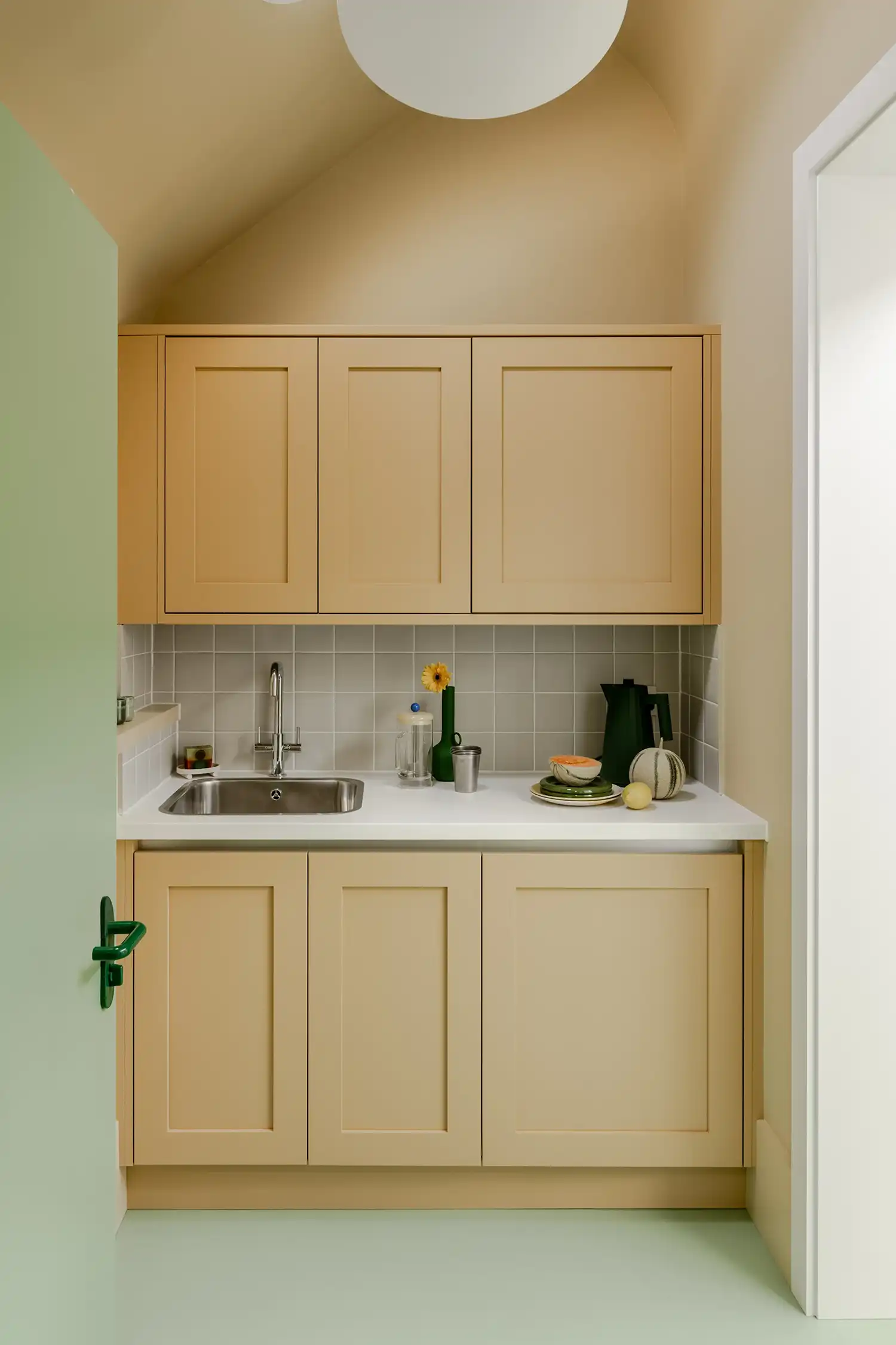
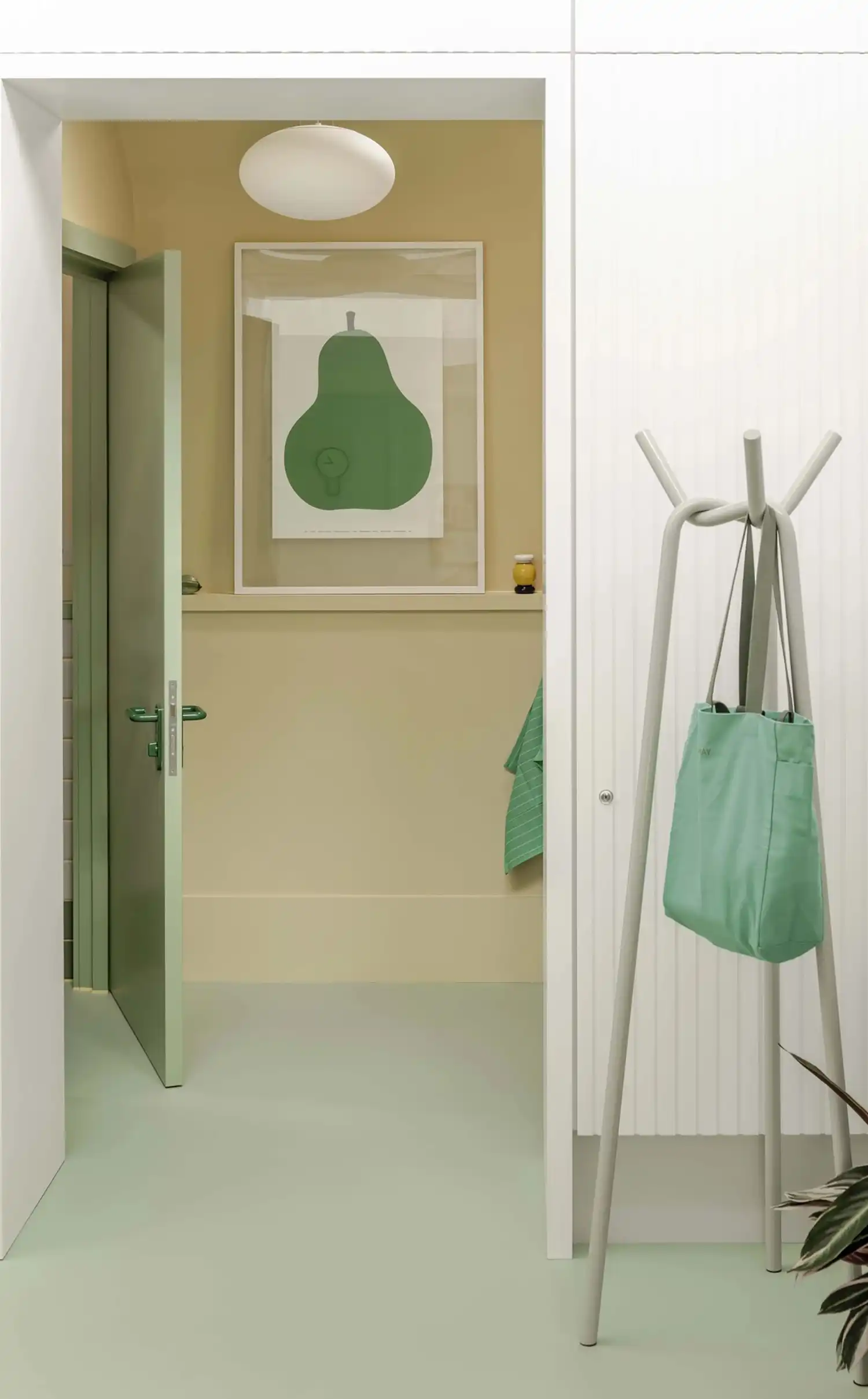
A large, fluted storage wall elegantly divides the workspace from a kitchenette and WC. This feature does more than define space; it conceals the archival documents of the housing association, making vital records accessible yet discreetly stored. The resulting environment is a world away from the coldness of institutional charity, instead forming an approachable space that feels both professional and profoundly human.
The success of the Haringey housing centre stems from a deeply collaborative process. Williams employed drawings, models, and perspectives to communicate with the charity’s stakeholders, testing ideas against the realities of their daily routines. These visual tools illustrated small but critical everyday moments—where to hang a coat, a place to sit and gather one’s thoughts.
The result is a profound example of socially engaged design, a project that proves the most constrained sites can yield architecture that is not only functional but also hopeful, resilient, and deeply uplifting. It stands as a modest yet powerful statement on how design can directly serve and support a community.