

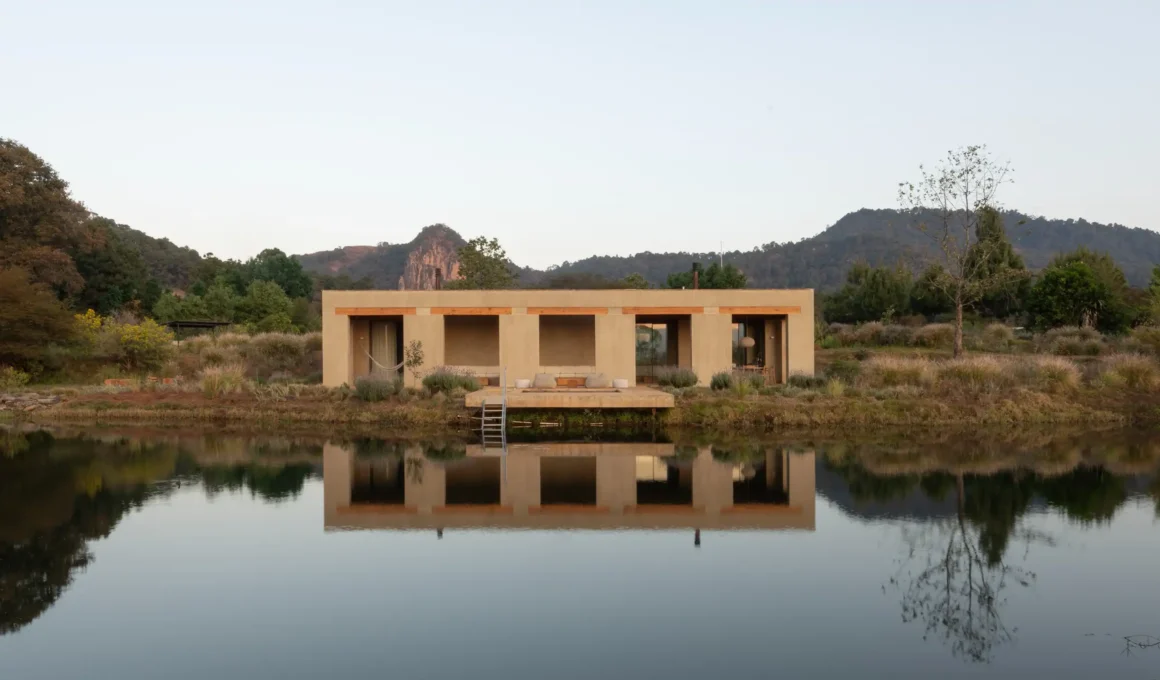
In the heart of Valle de Bravo, Mexico, architecture often finds itself at a crossroads between human intervention and the unyielding beauty of the highlands. For PPAA Pérez Palacios Arquitectos Asociados, the response is rarely one of dominance, but rather of quiet integration. Their latest project, Toronjos, emerges not as a statement piece, but as a silent observer nestled between two lush avocado orchards. This retreat is a profound exercise in restraint, where the conceptual vision centers on a “minimum footprint” philosophy, ensuring that the existing ecosystem remains the protagonist of the narrative.
The luxury of self-sufficiency defines the technical backbone of the residence. Located on a site devoid of public electricity, sewage, or potable water, Toronjos is a masterclass in off-grid living. Rather than viewing these constraints as limitations, PPAA leveraged them to create a self-sufficient sanctuary that breathes in tandem with its surroundings. The house functions as a living organism, harvesting rainwater and utilizing solar energy, proving that high-end residential design can—and should—exist in a circular relationship with the earth’s resources.
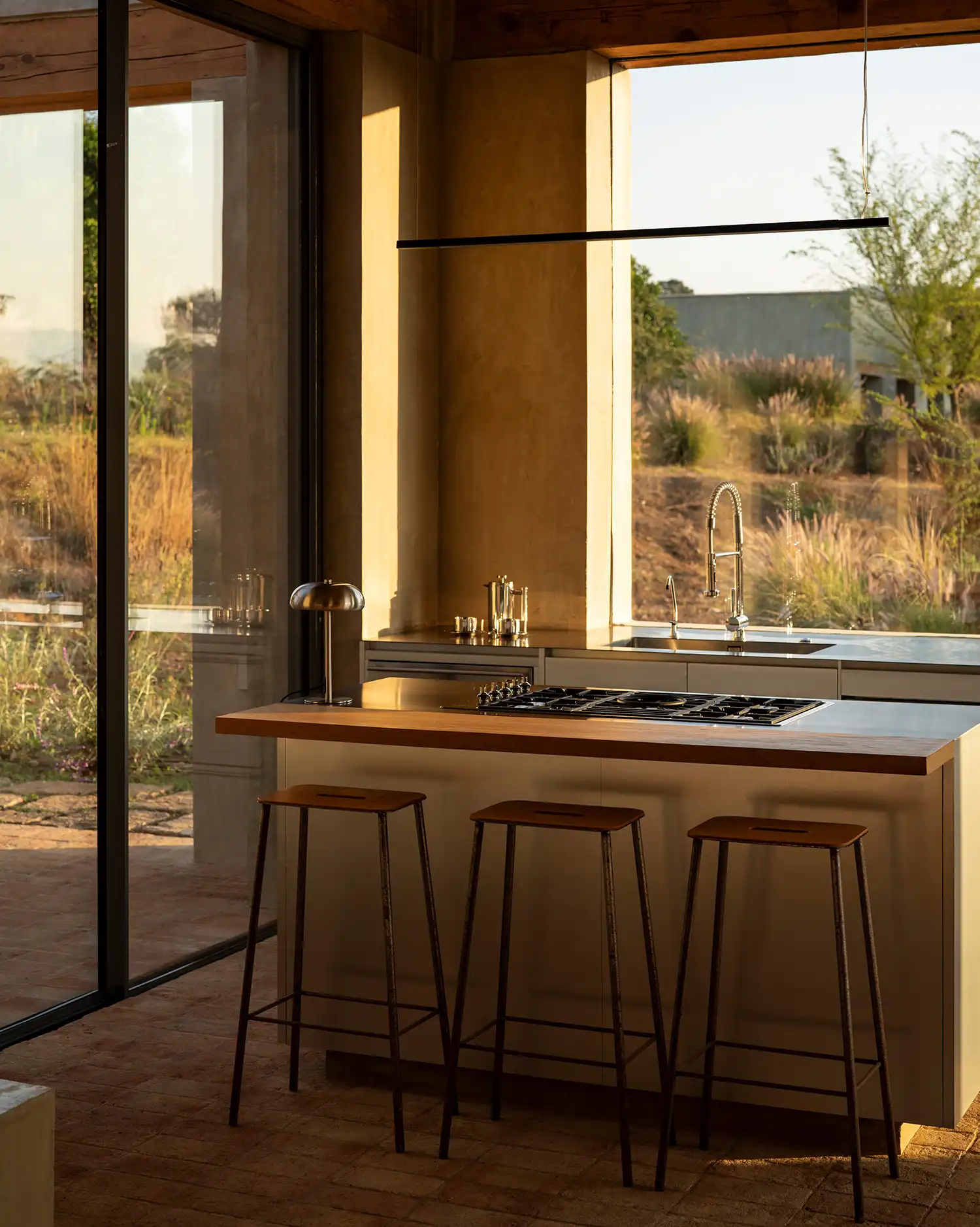
A rhythmic spatial organization guides the inhabitant through a single-level floor plan, divided into three longitudinal sections. The central spine acts as a private anchor, housing the bedrooms and intimate bathing quarters, while the flanking lateral wings open up into expansive social areas. This layout creates a poetic tension between the “closed” and the “open.” Large-scale glass openings replace traditional barriers, allowing the dappled light of the Mexican sun to filter through the trees and wash over the interior, blurring the threshold between the living room and the orchard.
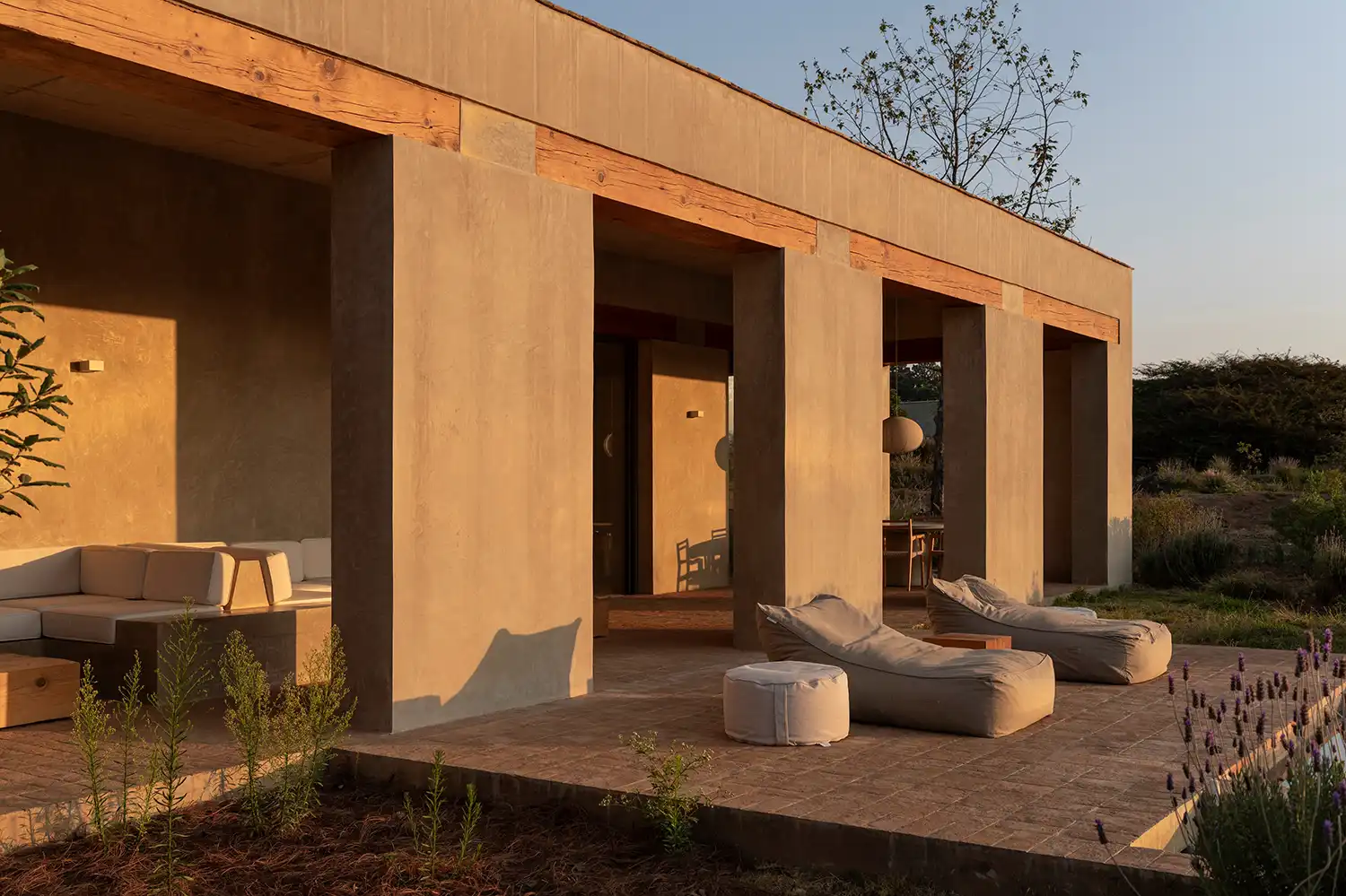
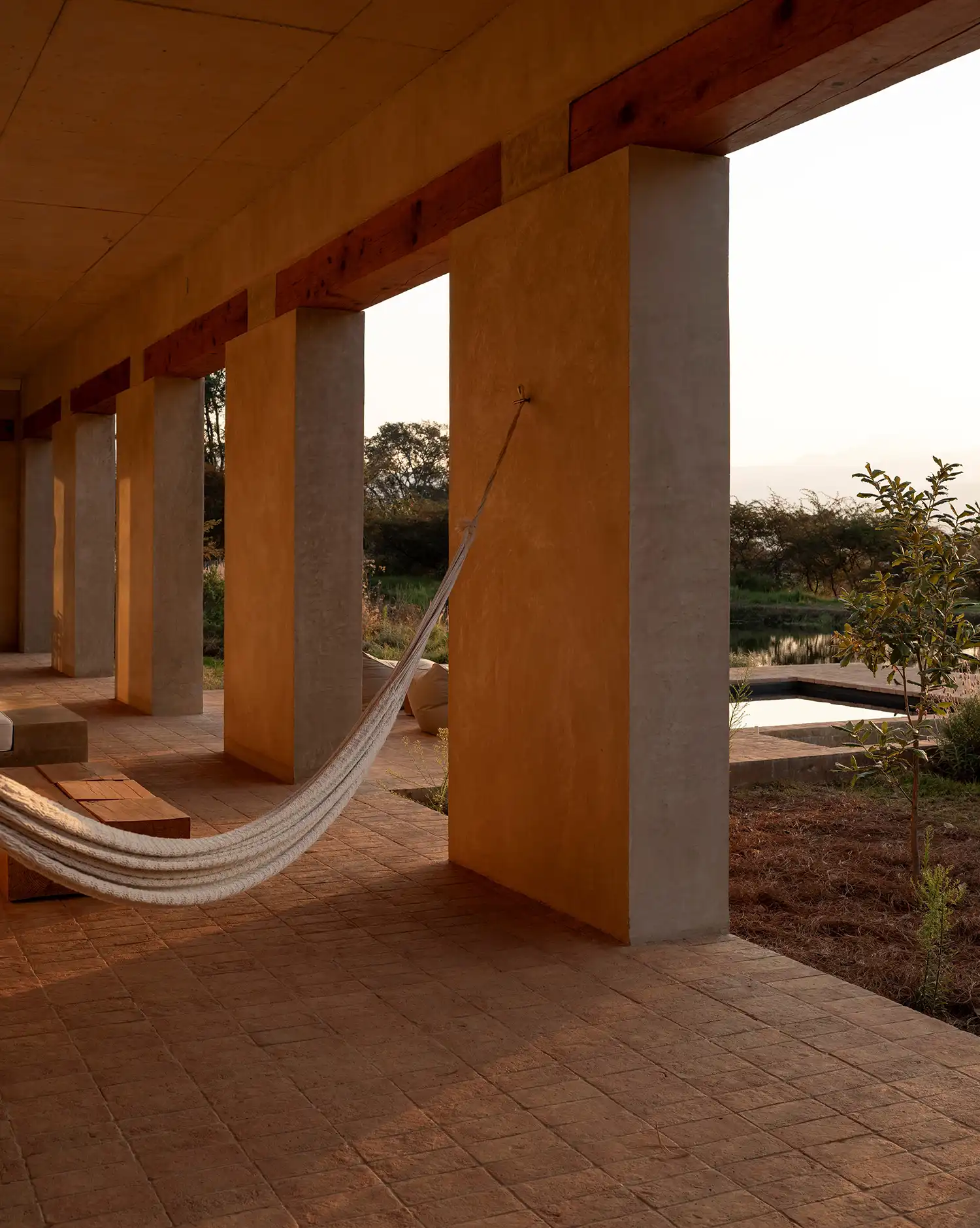
The sensory palette of the house is rooted in “honest materiality.” By utilizing adobe and wood, the architects have grounded the structure in the local vernacular of Valle de Bravo. To touch the walls is to feel the cool, textured earth; to walk across the floors is to experience the warmth of timber. There is no cladding or decorative artifice here—only the raw beauty of exposed materials that will patina gracefully over time. This tactile approach evokes the same spirit of elevated forest living seen in their previous work, such as the Copas House, a vertical dwelling that dances among the tree canopies, showing PPAA’s consistent ability to adapt their geometric language to the specific pulse of the forest.
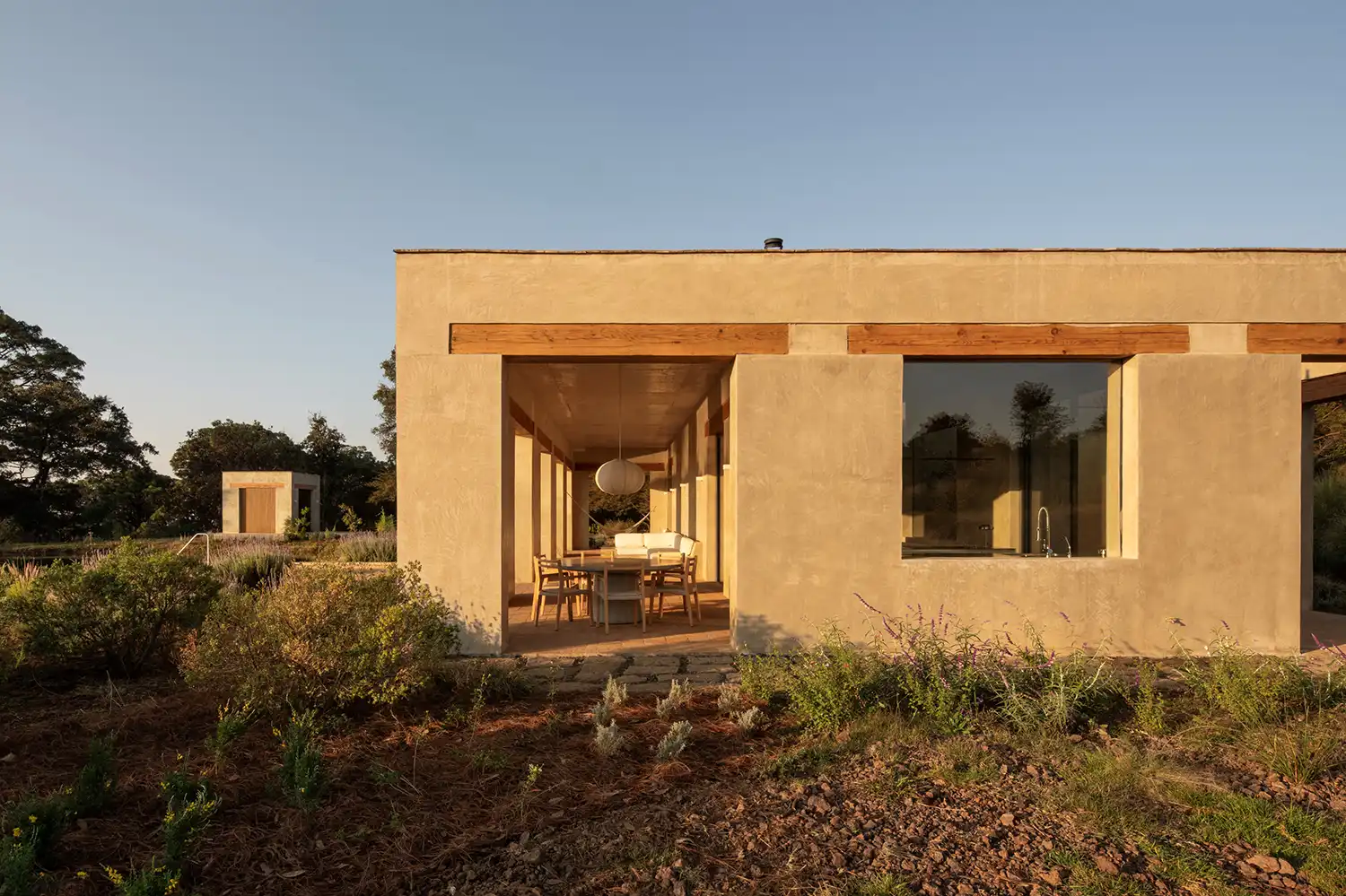
Passive climate control is achieved through a thoughtful sequence of short walls and strategic voids. These architectural lungs facilitate cross-ventilation, drawing in the cool mountain air and naturally regulating the temperature without the need for mechanical systems. During the golden hour, the house becomes a frame for the landscape; the shadows of the avocado leaves play across the adobe surfaces, creating a dynamic wallpaper that changes with the seasons. It is an architecture of “dissolution,” where the house eventually fades into the greens and browns of the terrain.
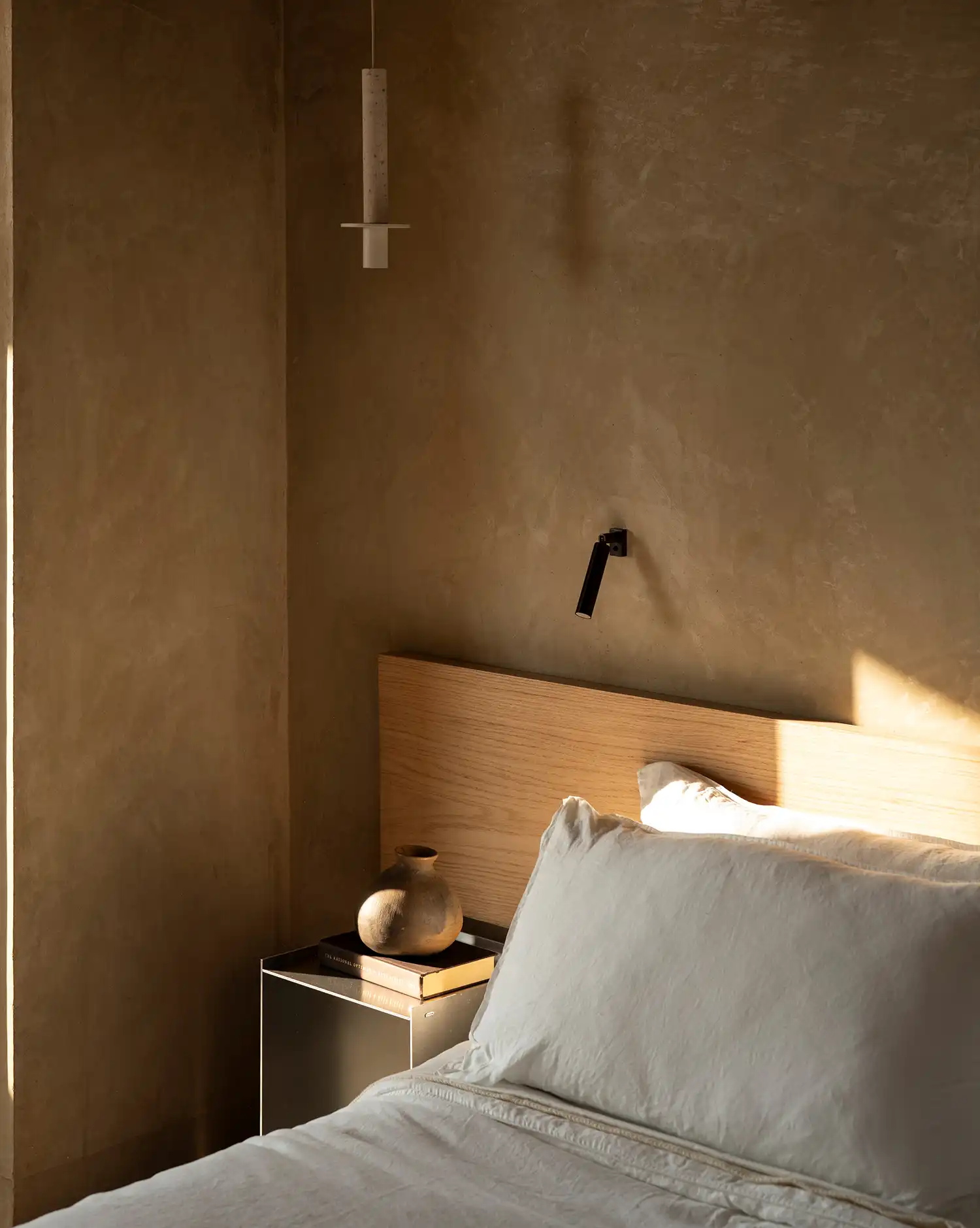
A contextual legacy of sustainability is the ultimate takeaway of Toronjos. In an era where “green architecture” is often reduced to a checklist of gadgets, Pérez Palacios reminds us that true sustainability is a fundamental design principle. By synthesizing water, earth, and vegetation into the very fabric of the home, the studio has created more than just a weekend retreat; they have established a blueprint for how we might inhabit the most delicate corners of Mexico with respect, elegance, and a profound sense of belonging.