


When designing the perfect pool area, choosing the right paving material is crucial. Your poolside needs to be both stylish and functional, providing a safe and comfortable surface that withstands Australia’s harsh climate. Limestone and travertine are two of the most popular choices, each offering unique benefits. But which one is the best for your poolside?
Let’s explore the key differences, pros and cons, and factors to consider when deciding between limestone and travertine pavers.
Limestone vs. Travertine: What’s the Difference?
Both limestone and travertine are natural stones formed over millions of years, but their composition and formation processes lead to different characteristics.
- Limestone is a sedimentary rock composed mostly of calcite, making it durable and relatively uniform in texture. It forms in marine environments, giving it a dense and smooth surface.
- Travertine is also a sedimentary rock but forms in mineral springs, leading to its signature porous, textured surface with natural holes and variations.
Each stone has unique aesthetic and functional properties, making them ideal for different outdoor applications, including pool areas.
Appearance and Aesthetic Appeal
When it comes to style, both limestone and travertine offer elegant, natural looks that complement various landscape designs.
Limestone: Smooth and Modern
Limestone pavers are known for their sleek and consistent appearance. They come in various neutral shades, such as beige, grey, white, and even soft blue tones, creating a modern, sophisticated look. If you want a clean and uniform poolside, limestone is an excellent choice.
Travertine: Textured and Classic
Travertine pavers have a more rustic, earthy appearance due to their naturally occurring pits and holes. These unique textures add character and charm, making them perfect for classic, Mediterranean, or resort-style pool areas. Travertine is available in warm, natural shades such as ivory, walnut, gold, and silver.
Heat Retention and Comfort
One of the most critical factors when choosing poolside pavers in Australia is heat retention. No one wants to burn their feet on scorching-hot pavers in summer.
- Limestone: Generally stays cool underfoot, especially in lighter colours. It absorbs some heat but remains comfortable even on warm days.
- Travertine: Has exceptional heat-reflective properties, making it one of the best choices for pool areas. It remains significantly cooler than many other natural stones, even in direct sunlight.
If heat resistance is a priority, travertine has the upper hand, but limestone in lighter shades also performs well.
Slip Resistance and Safety
Pool areas require slip-resistant surfaces to prevent accidents. Both limestone and travertine offer good slip resistance, but there are some differences.
- Limestone: Provides a relatively smooth surface but can become slippery when wet if polished. Opting for a textured or tumbled finish increases grip.
- Travertine: Naturally porous, which enhances traction. When unfilled or tumbled, travertine pavers provide excellent slip resistance, making them one of the safest options for pool surrounds.
For families with children or high-traffic pool areas, tumbled travertine is a fantastic choice for extra safety.
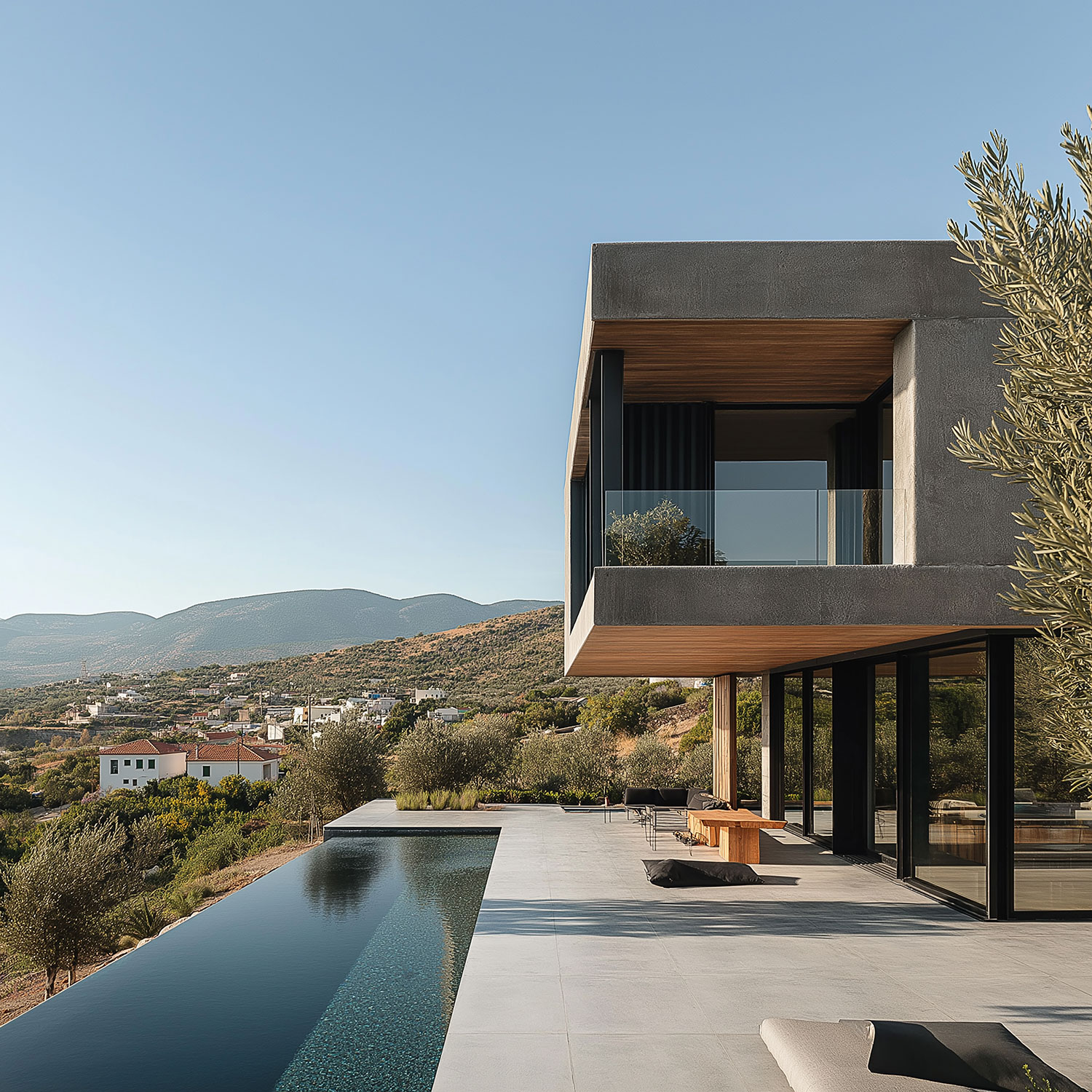
Durability and Maintenance
Durability is another crucial factor when selecting pool pavers perth. Both limestone and travertine are strong, but they differ in maintenance requirements.
Limestone: Strong but Requires Sealing
Limestone is dense and durable, making it resistant to wear and weathering. However, it is more prone to staining than travertine, particularly from pool chemicals, leaves, and spills. Regular sealing helps protect limestone pavers and maintains their appearance over time.
Travertine: Naturally Weather-Resistant
Travertine is highly durable and withstands the elements well. Its porous nature allows water to drain quickly, reducing the risk of damage from water exposure. However, it also requires sealing to prevent staining and protect against chemical exposure.
Cost and Affordability
Budget is always a key consideration when choosing materials for a pool area.
- Limestone: Typically more affordable than high-grade travertine but varies depending on quality and finish.
- Travertine: Can be more expensive, especially premium-grade travertine, but its longevity and aesthetic appeal justify the cost.
If you’re on a tighter budget, limestone may be the more cost-effective option, but travertine offers exceptional value for those willing to invest a bit more.
Installation Considerations
Proper installation is essential for ensuring the longevity and performance of your poolside pavers.
- Limestone: Requires a stable base and proper sealing during installation to prevent moisture absorption and staining.
- Travertine: Due to its porous nature, travertine needs careful installation with a solid base to prevent shifting. Filled travertine (where holes are sealed) is also an option for a smoother finish.
Both materials benefit from professional installation to achieve a long-lasting and visually appealing result.
Environmental Impact and Sustainability
If sustainability is a key concern, both limestone and travertine offer eco-friendly benefits as natural stones. However, there are some differences in their environmental impact.
- Limestone: Readily available and often locally sourced, reducing transportation emissions. Its durability also means fewer replacements over time, making it a sustainable choice.
- Travertine: Requires more processing due to its porous nature, but it is still an environmentally friendly option when sourced responsibly. Reclaimed travertine pavers are also available, further reducing environmental impact.
For an eco-conscious choice, look for ethically sourced materials and suppliers committed to sustainable quarrying practices.
Which One Should You Choose?
Your choice between limestone and travertine depends on your specific needs and design preferences.
Choose Limestone If You:
- Prefer a smooth, modern look with consistent colouring
- Want a cost-effective yet durable poolside paving solution
- Are willing to seal the pavers regularly to prevent stains
Choose Travertine If You:
- Love a natural, textured look with unique character
- Need a cool-to-touch surface for hot Australian summers
Want a slip-resistant option for enhanced poolside safety
Final Thoughts
Both limestone and travertine are excellent choices for pool paving, offering durability, aesthetic appeal, and functional benefits. Travertine is ideal for those prioritising cool surfaces and slip resistance, while limestone is perfect for those seeking a sleek, modern look at a slightly lower cost.
Before making your final decision, consider your budget, maintenance preferences, and design goals. No matter which option you choose, investing in high-quality pavers will enhance your pool area’s beauty and functionality for years to come.
Need expert advice or premium limestone and travertine pavers? Explore our range today to find the perfect match for your dream poolside!