


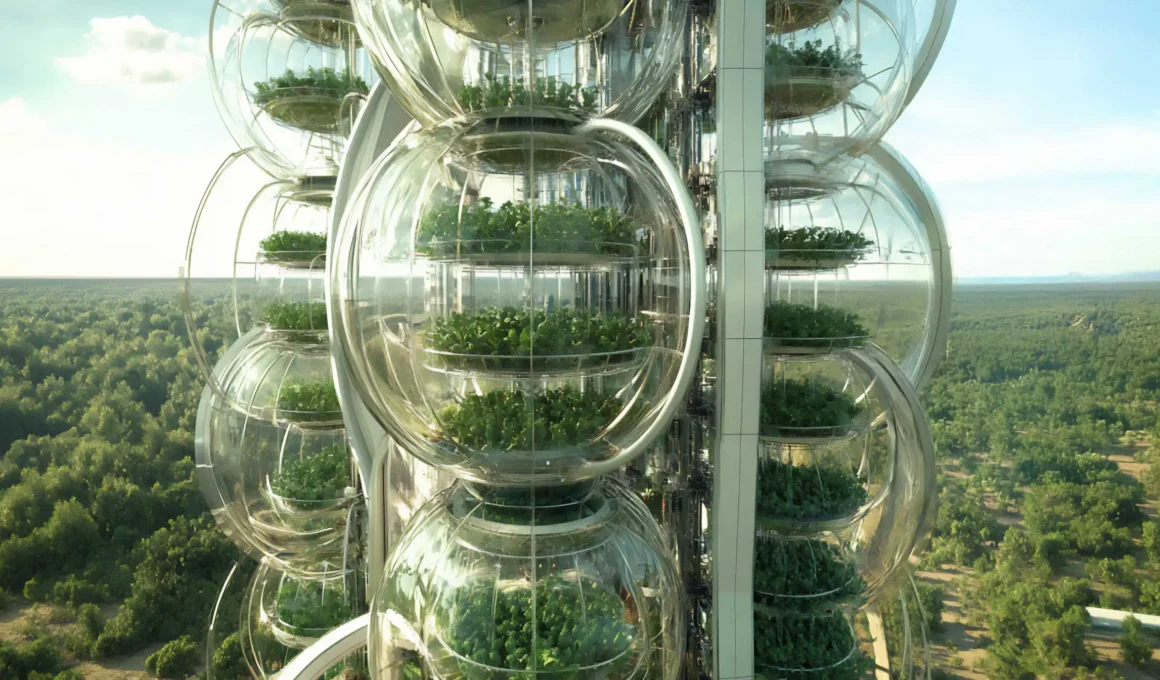
As the planet grapples with climate change, architects, designers, and horticulturists are redefining how we interact with nature. Projects like Heatherwick Studio and Aurelia’s Space Garden—a self-sustaining, autonomous horticulture pod—exemplify this shift, merging biophilic design with cutting-edge environmental technology. The traditional boundaries between urban landscapes and agricultural spaces are dissolving, giving rise to solutions that prioritize sustainability, resilience, and human connection to nature.
The effects of rising temperatures, extreme weather, and soil degradation demand radical innovation. Space Garden, with its self-contained ecosystem, hints at a future where greenery thrives independently, even in inhospitable environments. This ethos extends to climate-resilient gardens in cities, where drought-resistant species, closed-loop irrigation, and adaptive planting techniques are becoming essential. Designers are responding with modular green walls, hydroponic systems, and AI-driven cultivation, ensuring that nature persists in the face of adversity.
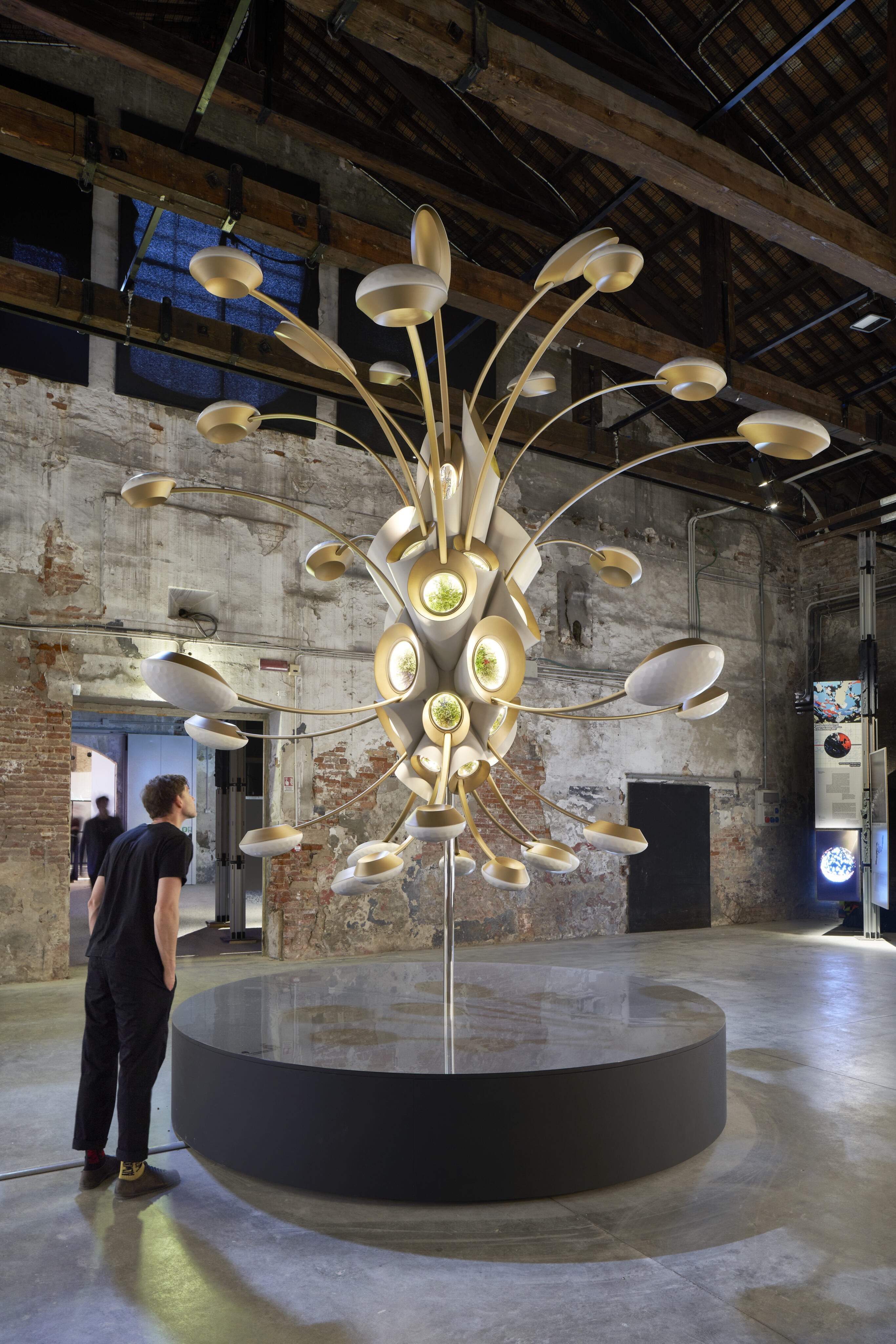
Urban spaces are being reimagined as productive landscapes, from high-tech greenhouses in repurposed buildings to carbon-sequestering parks. Heatherwick Studio’s vision of autonomous horticulture challenges conventional thinking, proving that even compact, self-sustaining pods can contribute to urban biodiversity. Meanwhile, landscape architecture is evolving beyond aesthetics, incorporating permeable surfaces and native planting schemes that actively combat urban heat islands.
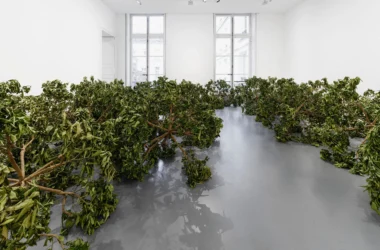
Artists and technologists alike are exploring ecological design, whether through living sculptures or biofabricated materials. These experiments, much like Space Garden, underscore the intersection of nature and innovation, urging us to rethink how we coexist with our environment.
The path forward lies in scaling these ideas—transforming urban planning with smart green infrastructure and community-led growing initiatives. The goal is clear: a future where cities are not just livable but regenerative. Projects like Space Garden remind us that even in a changing climate, nature can flourish—if we design for it.