



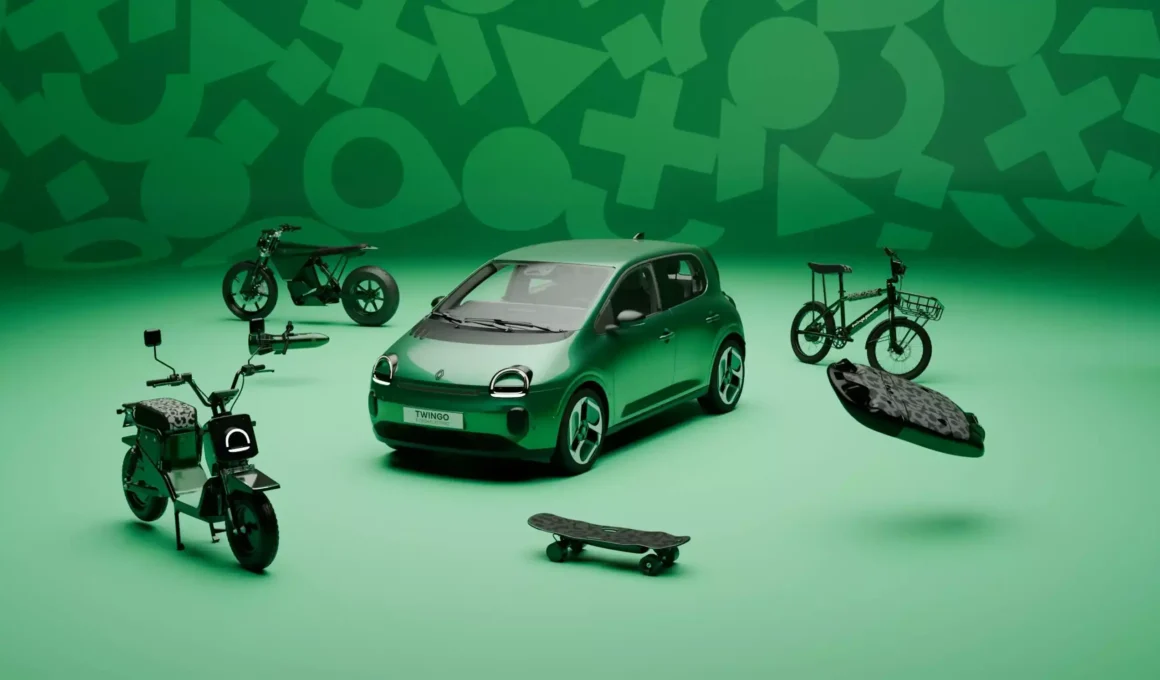
A cultural resurgence in motion. The Renault Twingo has always occupied a singular space in the collective consciousness of European urbanites. Since its debut in the early 1990s, it has represented a democratic approach to automotive design—mischievous, space-efficient, and unpretentiously radical. Today, as the industry pivots toward a fossil-free future, Renault is not merely electrifying a legacy but expanding it into a broader lifestyle ecosystem. This initiative, dubbed “Twingomania,” transcends the boundaries of traditional car manufacturing, inviting a cohort of six innovative European startups to reinterpret the Twingo’s DNA through a series of electric mobility objects that prioritize joy as much as utility.
The evolution of an icon. This movement finds its aesthetic and technical anchor in the upcoming production model, which remains one of the most anticipated releases in the French automotive landscape. The design language leans heavily into nostalgia while embracing a sharp, contemporary minimalism. It is a refinement of the vision we first saw when the Renault Twingo E-Tech was unveiled at the 2024 Paris Motor Show with winking round headlights, a detail that successfully translated the anthropomorphic charm of the original 1992 monovolume into a high-tech, zero-emission format. By bridging the gap between retro-futurism and functional urban transport, Renault is positioning the Twingo as a protagonist in the narrative of the modern city.
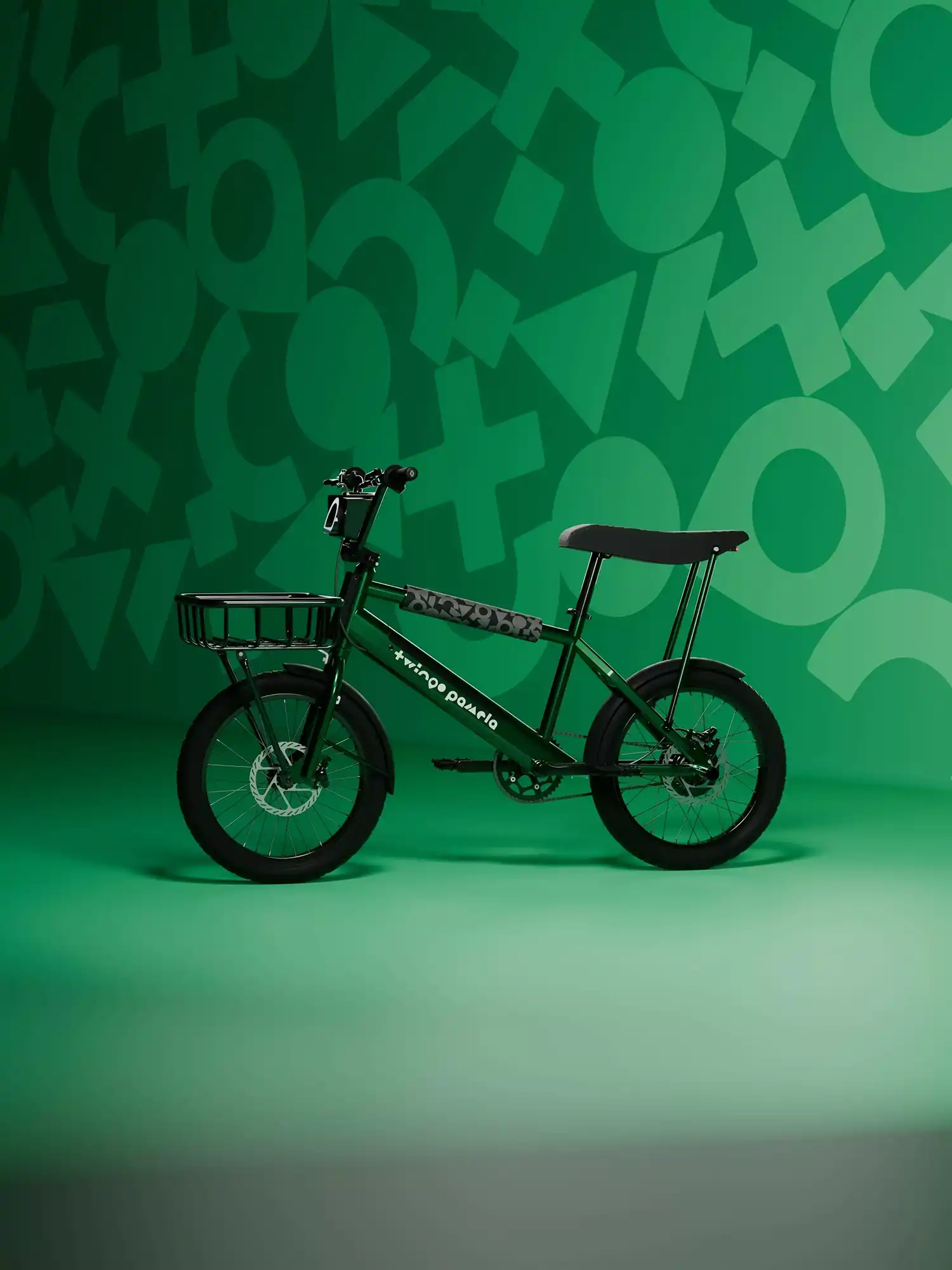
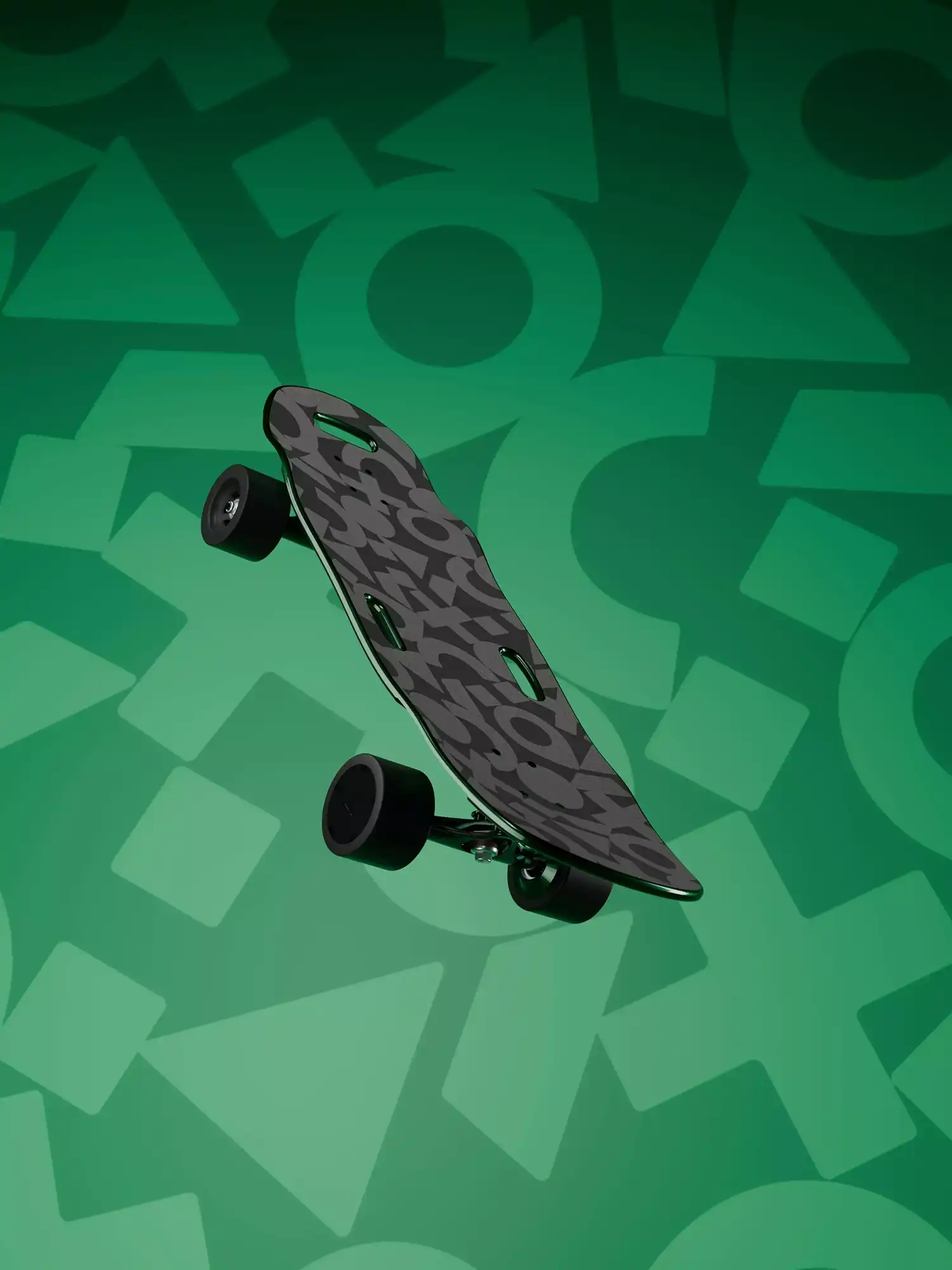
Street-level synergies: Elwing and Pamela. The Twingomania collection begins on the pavement with objects that distill the car’s playful essence into compact forms. The Twingo Elwing, an ultra-compact electric cruiser skateboard from Bordeaux, offers a 6.9 kg solution for fast, stable urban gliding. Complementing this “street” energy is the Twingo Pamela, an urban electric bike that breaks the mold with a BMX-inspired silhouette. Reflecting the pop culture of the 80s and 90s, Pamela combines a cargo-ready design with a bold, wicked cool attitude, ensuring that the transition to electric biking remains rooted in a distinct lifestyle rather than just clinical utility.
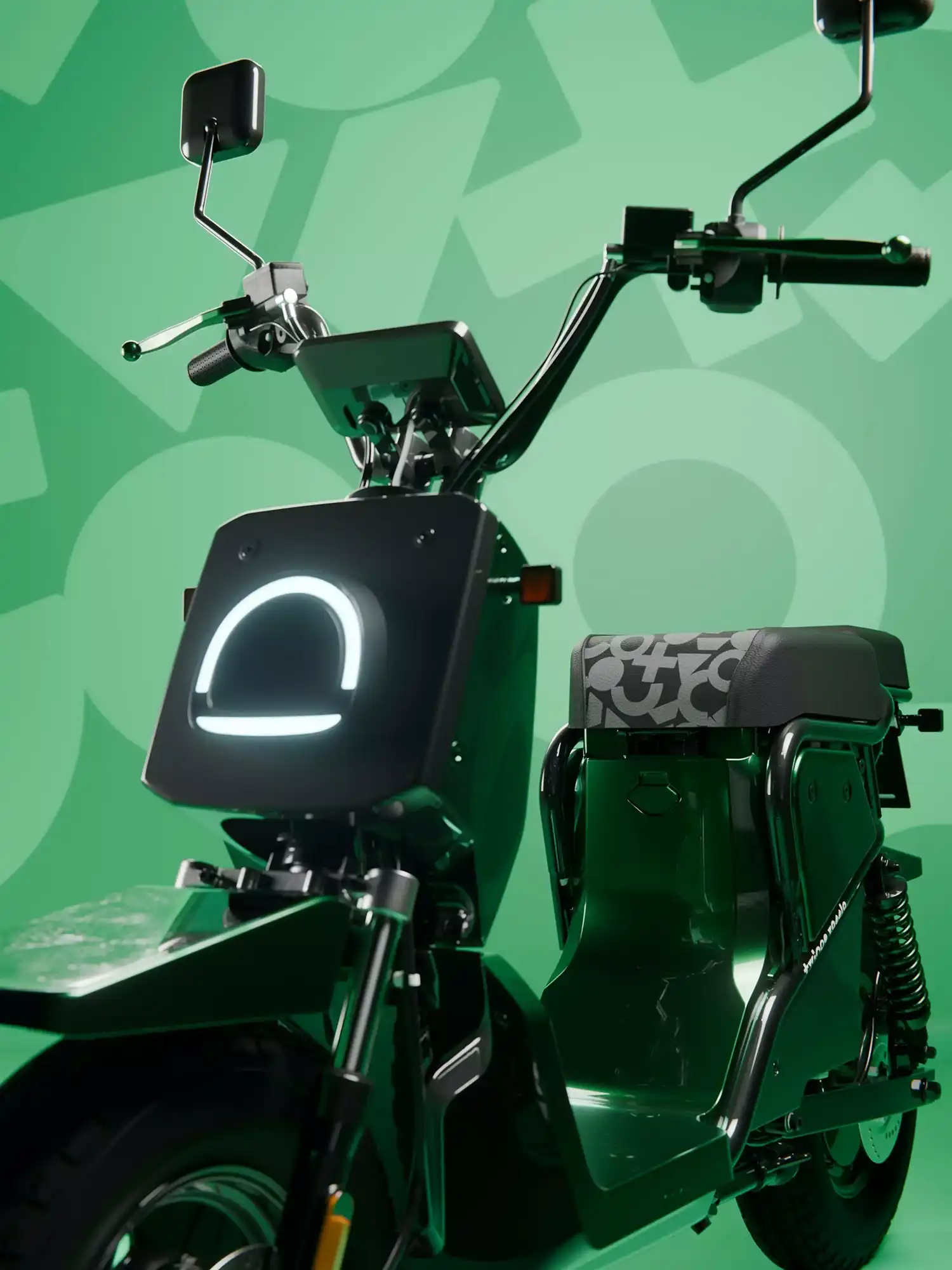
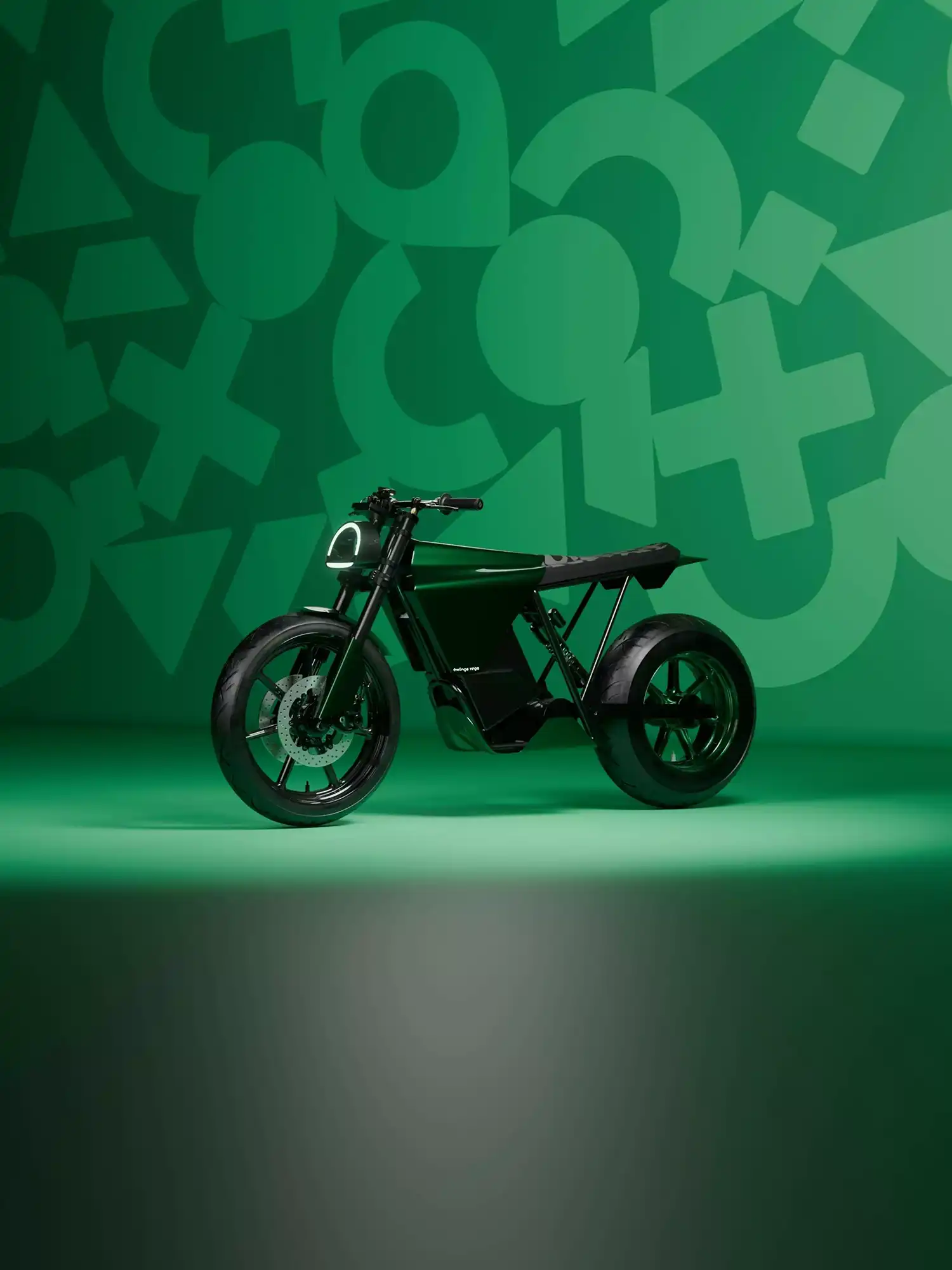
Scaling performance: Vässla and Vega. As the mobility web expands, the collection addresses the need for greater range and speed. The Twingo Vässla brings Swedish minimalism to the streets, offering a sleek electric scooter that balances fluid lines with silent operation and a 74-mile range. For those seeking more visceral power, the Twingo Vegatranslates the Twingomania spirit into a French electric motorcycle. Built around a lightweight chassis and a 10 kW motor, the Vega is a versatile machine that mirrors the Twingo’s agility, proving that high-performance engineering can still feel intimate and approachable within a metropolitan context.
Nautical innovation: Kahe and Mo-jet. Renault’s vision extends beyond the asphalt, acknowledging that the modern city’s fabric often includes waterways. The Twingo Kahe is a multifunctional nautical thruster—a lightweight, silent tool that transforms in seconds from a boat motor into an underwater scooter or a paddleboard propulsion system. Taking modularity even further, the German-engineered Twingo Mo-jet redefines water gliding with a single motor system that adapts to different modules, from hydrofoils to surfboards. These objects demonstrate that the “Twingo spirit” is a fluid concept, capable of navigating diverse environments with the same sense of spontaneity.

Contextual impact on the urban fabric. While cities globally become increasingly congested, the demand for modular and multi-modal transport solutions has never been higher. From the dense centers of Paris and London to the rapidly evolving hubs of North America, the challenge of modern density requires a rethink of how we move. Twingomania suggests a future where the car is part of a larger, interconnected web of movement. By integrating these diverse tools into the mix, Renault acknowledges that the modern citizen’s life is fluid. The project challenges the static nature of automotive branding, proposing instead a flexible kit of parts that allows users to navigate the metropolitan landscape with a sense of spontaneity.

Defining the new era of accessibility. The significance of this project lies in its ability to make the sustainable transition feel culturally desirable rather than just environmentally mandatory. By fostering a creative dialogue between an industry giant and agile startups like Elwing, Vässla, and Mo-jet, Renault is building a narrative of “collective intelligence.” The Twingo E-Tech and its fleet of objects represent a shift toward a more empathetic form of industrial design—one that honors its heritage while looking forward with a functionalist perspective. The result is a vibrant vision of what the next generation of city living might actually look and feel like.