


Marking a significant milestone – the 25th year of this globally anticipated architectural commission – the Serpentine Pavilion 2025 has opened its doors, designed by the visionary Bangladeshi architect Marina Tabassum and her Dhaka-based practice, Marina Tabassum Architects (MTA). Titled A Capsule in Time, the structure emerges on the lawn of Serpentine South in London’s Kensington Gardens, embodying the experimental spirit championed by the commission’s founder, Dame Zaha Hadid.
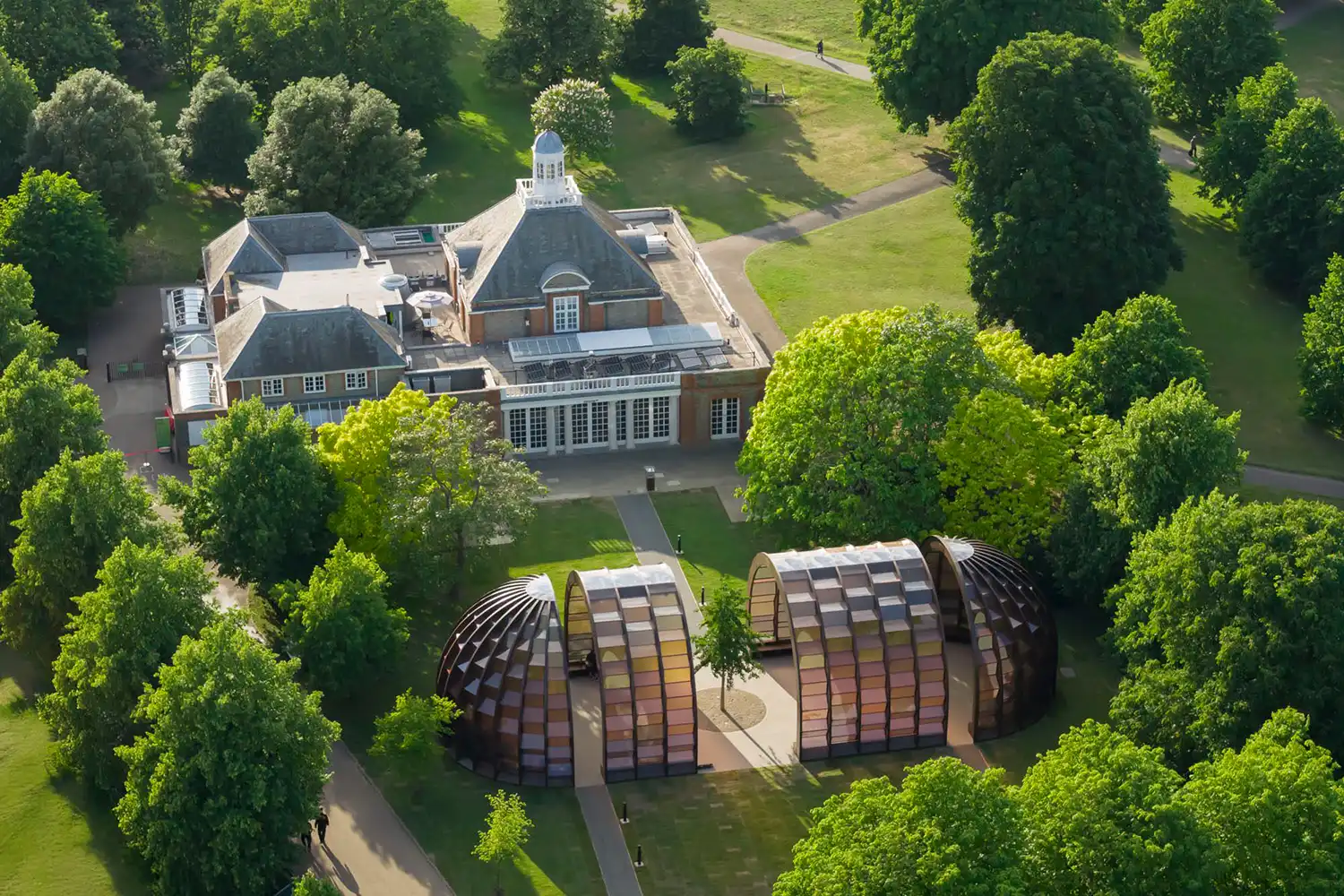
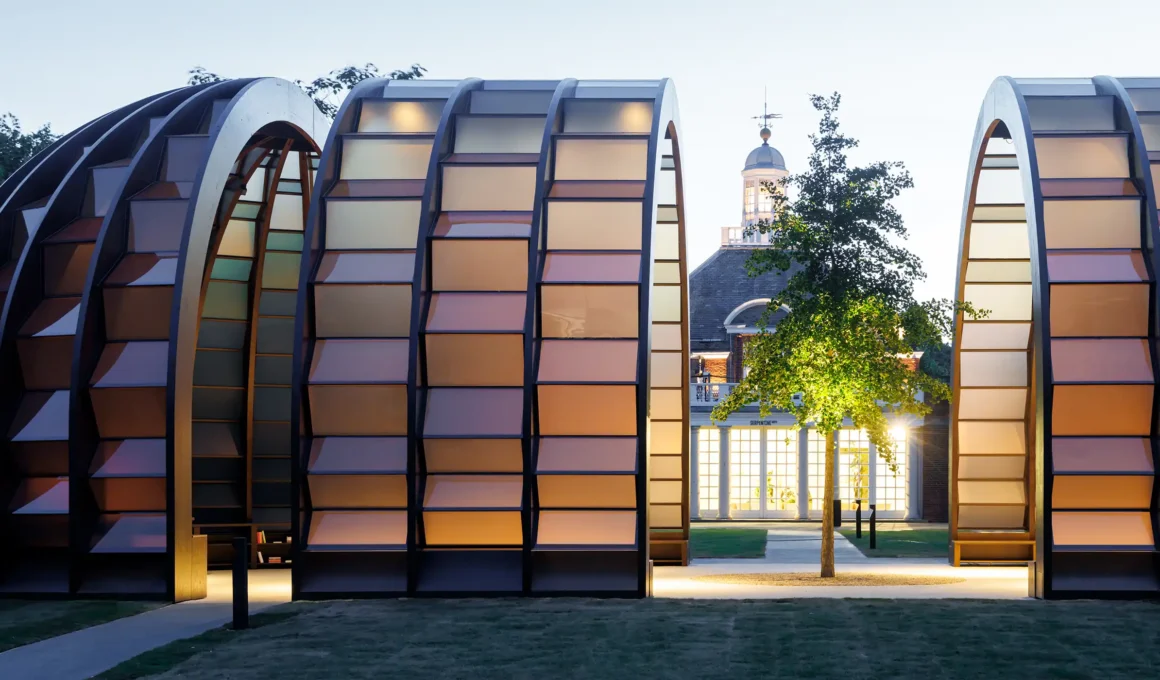
Celebrated for architecture deeply rooted in place, climate, and cultural memory, Tabassum’s design creates a profound dialogue with its context. Her Pavilion resonates with the surrounding landscape and the historic Serpentine South building, thoughtfully aligning its central court with the gallery’s bell tower. This gesture subtly bridges the permanent and the intentionally ephemeral nature of the annual commission.
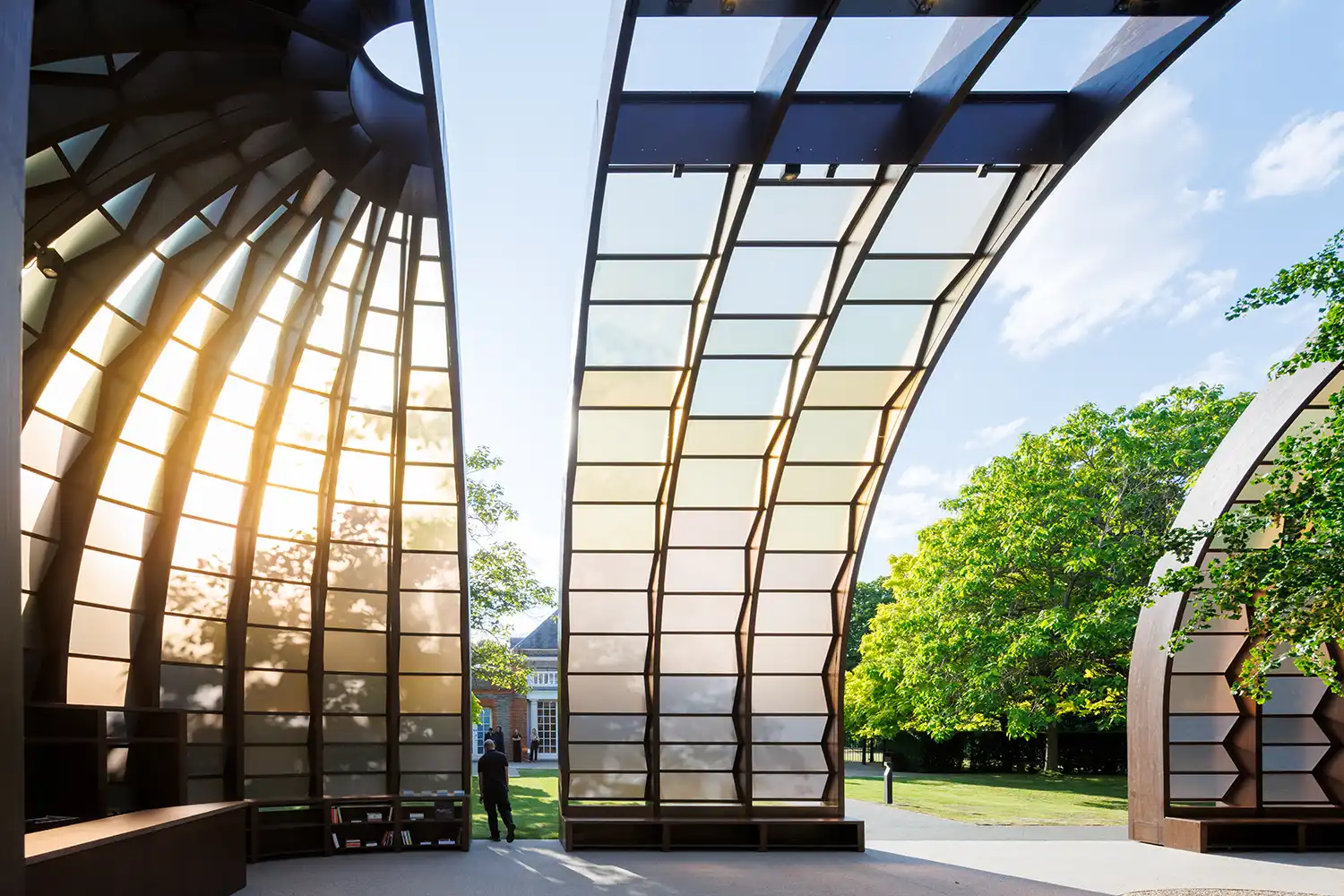
A Capsule in Time presents a sculptural ensemble of four distinct wooden capsule forms, elegantly elongated along a north-south axis. Inspired by the dappled light filtering through the canopies of park trees, the Pavilion features a translucent façade. This innovative skin diffuses light, casting intricate, ever-changing patterns within the interior spaces, transforming the quality of daylight into an integral architectural element. This project marks a notable evolution for MTA, being their first structure built entirely from timber.
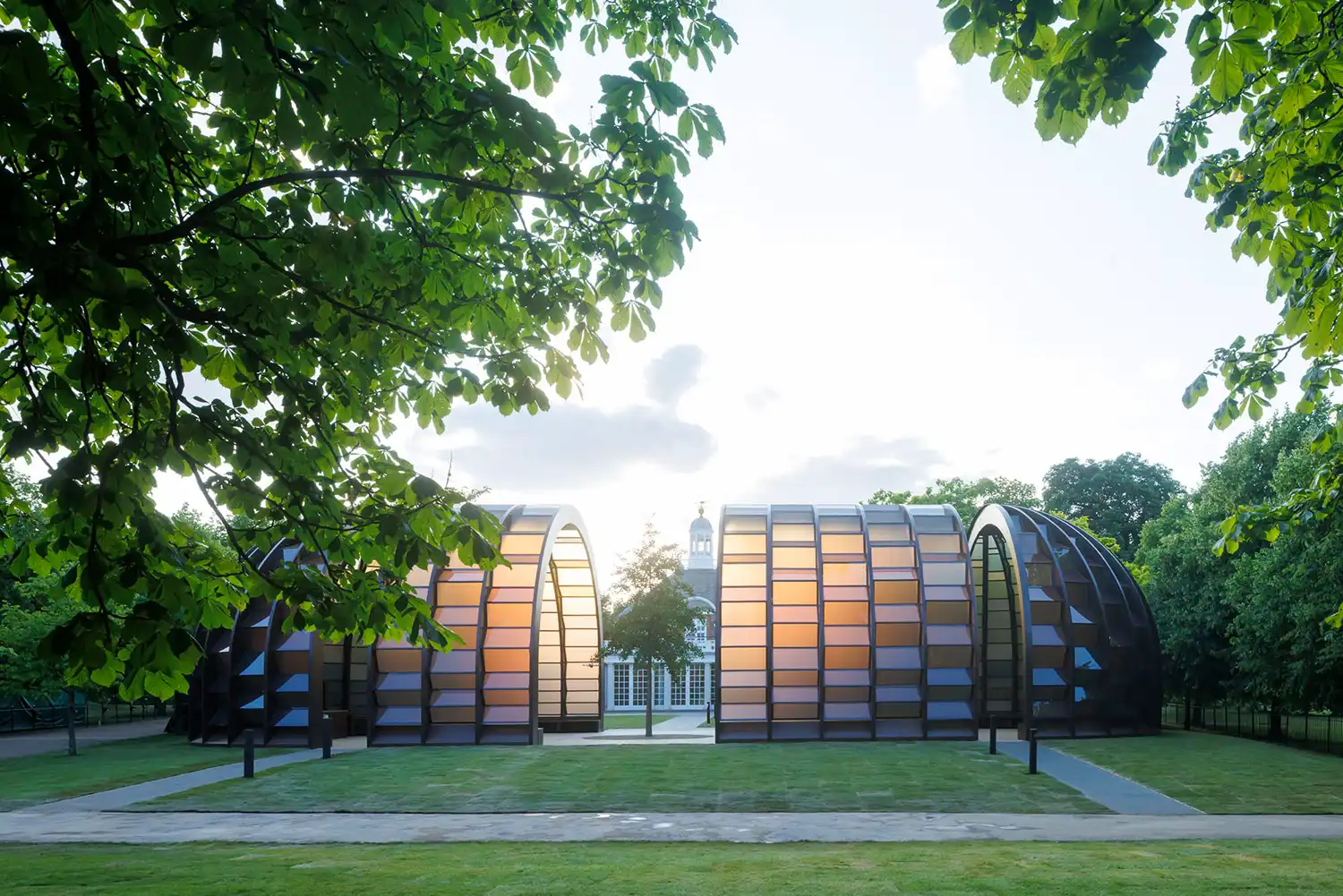
Beyond its static beauty, Tabassum introduces a kinetic element. One of the four wooden capsules possesses the ability to move and connect in new ways, allowing the Pavilion to physically transform. This spatial reconfiguration offers visitors varied experiences and perspectives throughout the summer, highlighting architecture’s capacity for dynamism and surprise.

Central to the Pavilion’s concept and physical presence is a carefully preserved semi-mature Ginkgo tree. This choice is deeply intentional: the climate-resilient Ginkgo, a species dating back to the Jurassic period, was selected for its tolerance to changing environmental conditions and its contribution to diversifying Kensington Gardens’ ecology. It’s notably resistant to prevalent pests and diseases. Throughout the Pavilion’s lifespan, from June to October, visitors will witness a natural spectacle as the Ginkgo’s leaves transition from vibrant green to a luminous gold-yellow. Crucially, following the Pavilion’s decommission, the tree will be replanted within the park, ensuring its legacy continues.
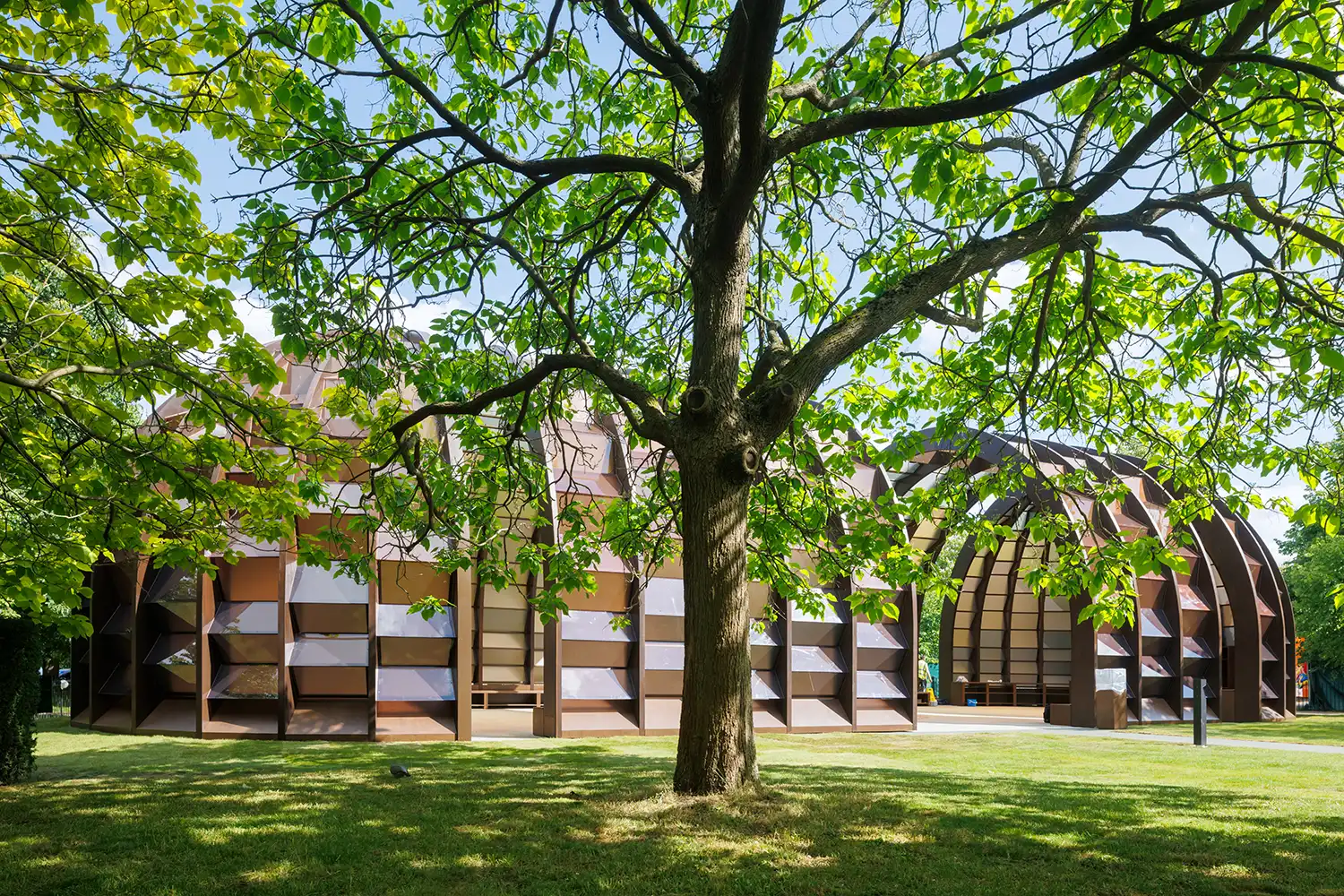
True to Tabassum’s commitment to social engagement and cultural exchange, the Pavilion is envisioned as a versatile space for gathering and connection. In a pointed response to global trends of increasing censorship, A Capsule in Time aims to foster dialogue and the sharing of knowledge. Integrated directly into the structure are shelves housing a curated library collection compiled by Tabassum and MTA. This selection celebrates the richness of Bengali culture, showcasing literature, poetry, ecology, and the heritage of Bangladesh. This library foreshadows the Pavilion’s planned afterlife: once disassembled from the Serpentine lawn, the structure is designed to be reused as a community library, a permanent, accessible resource open to all.