



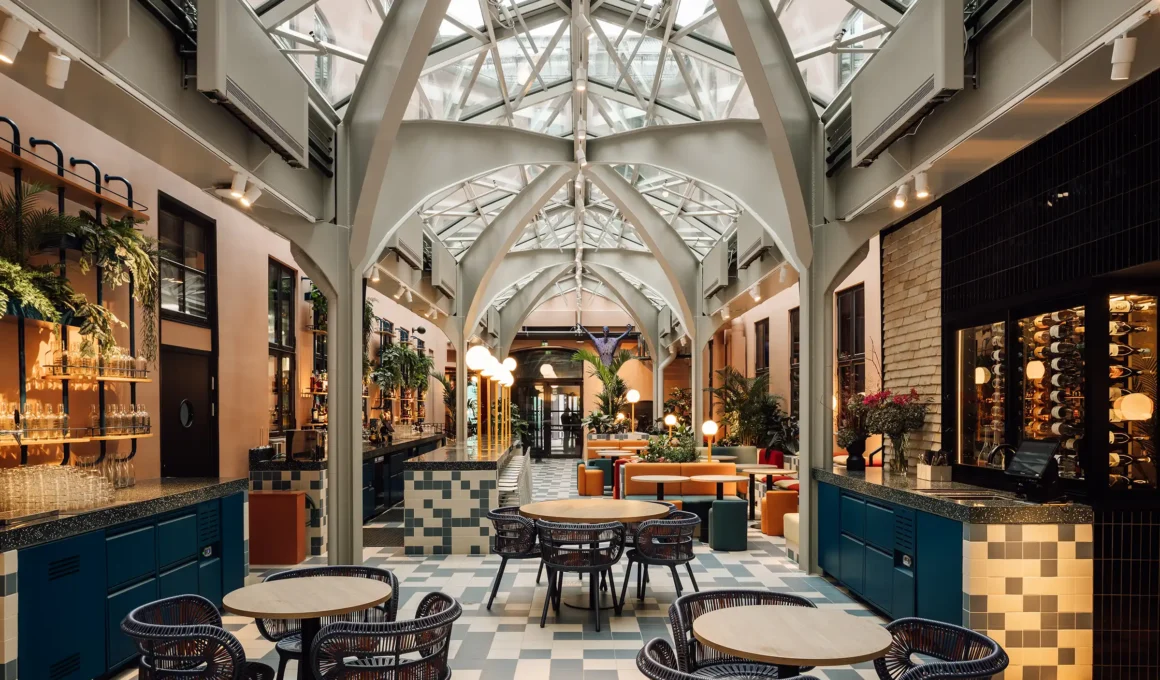
In the heart of the Norwegian capital, Berlin-based Studio Aisslinger has completed the Hobo Hotel Oslo, a project that marks the third branch of the “Hobo” hospitality brand in Scandinavia. Moving away from the austere minimalism often associated with Nordic capitals, the interior design champions what the studio calls an “Architecture of Optimism”.
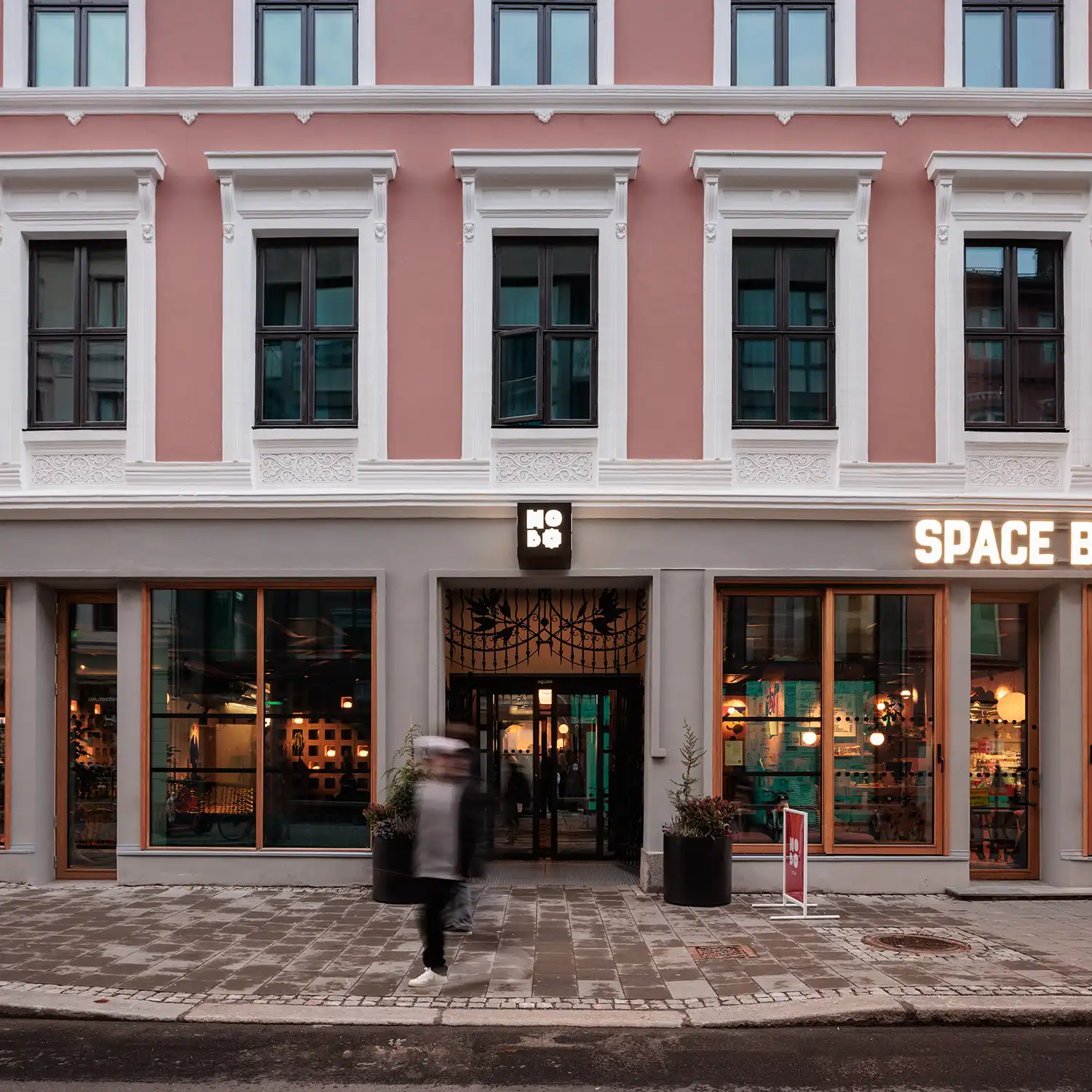
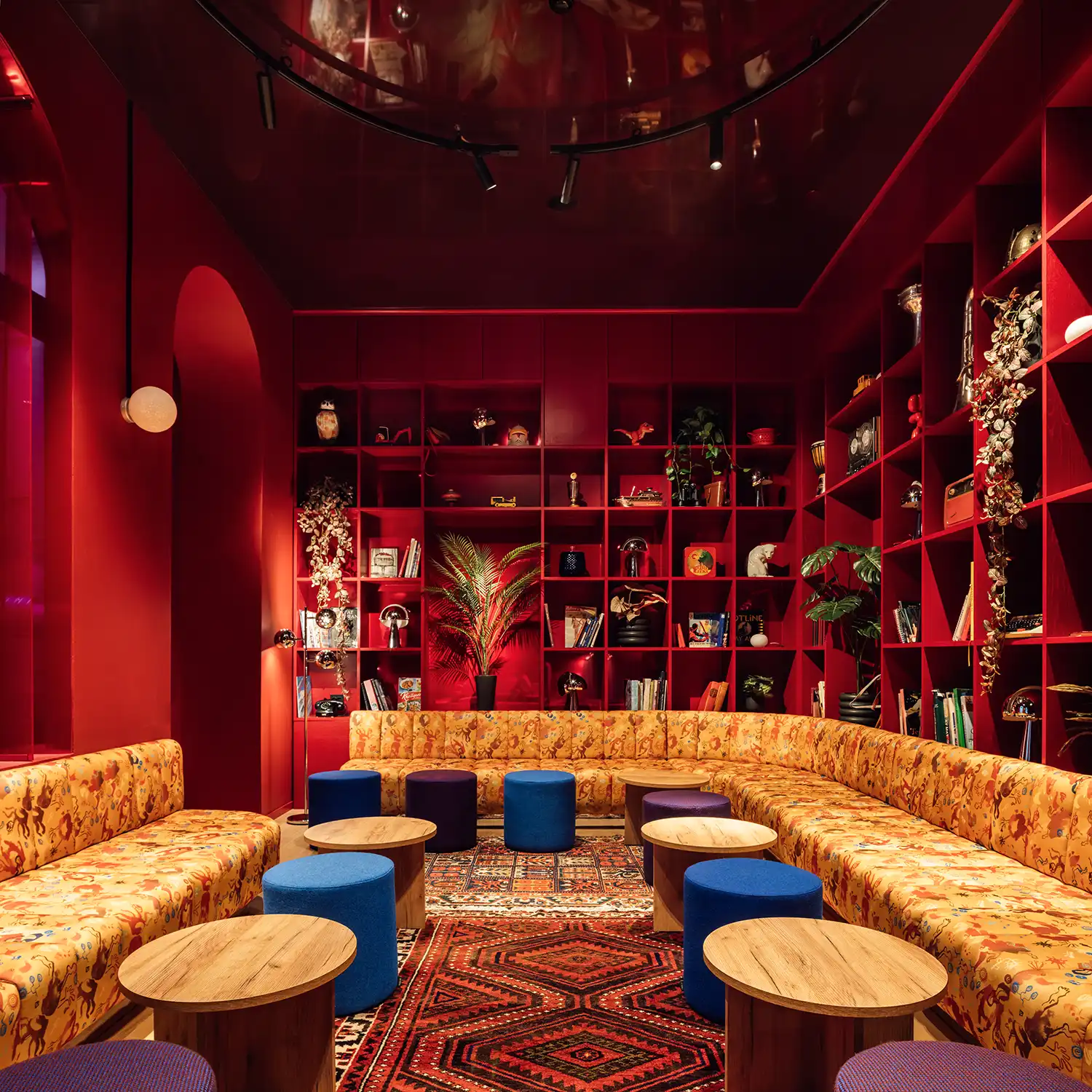
The hotel is situated within three interconnected historic buildings in the city center, just steps from Karl Johans Gate. Rather than a traditional luxury lobby, the ground floor is conceived as an energetic social hub and neighborhood meeting point. This floor features flexible coworking spaces, a pop-up area named SPACEby, and communal lounges designed to foster meaningful personal connections between international guests and the local creative community.
Werner Aisslinger and his team evolved a design concept rooted in the collective idealism of 1960s utopian communes. This philosophy manifests through a “hyper-local” atmosphere where sustainable design and authenticity take precedence over rigid corporate standards. The spatial design emphasizes shared realities, blending high-level experience with the relaxed spirit of urban hospitality.
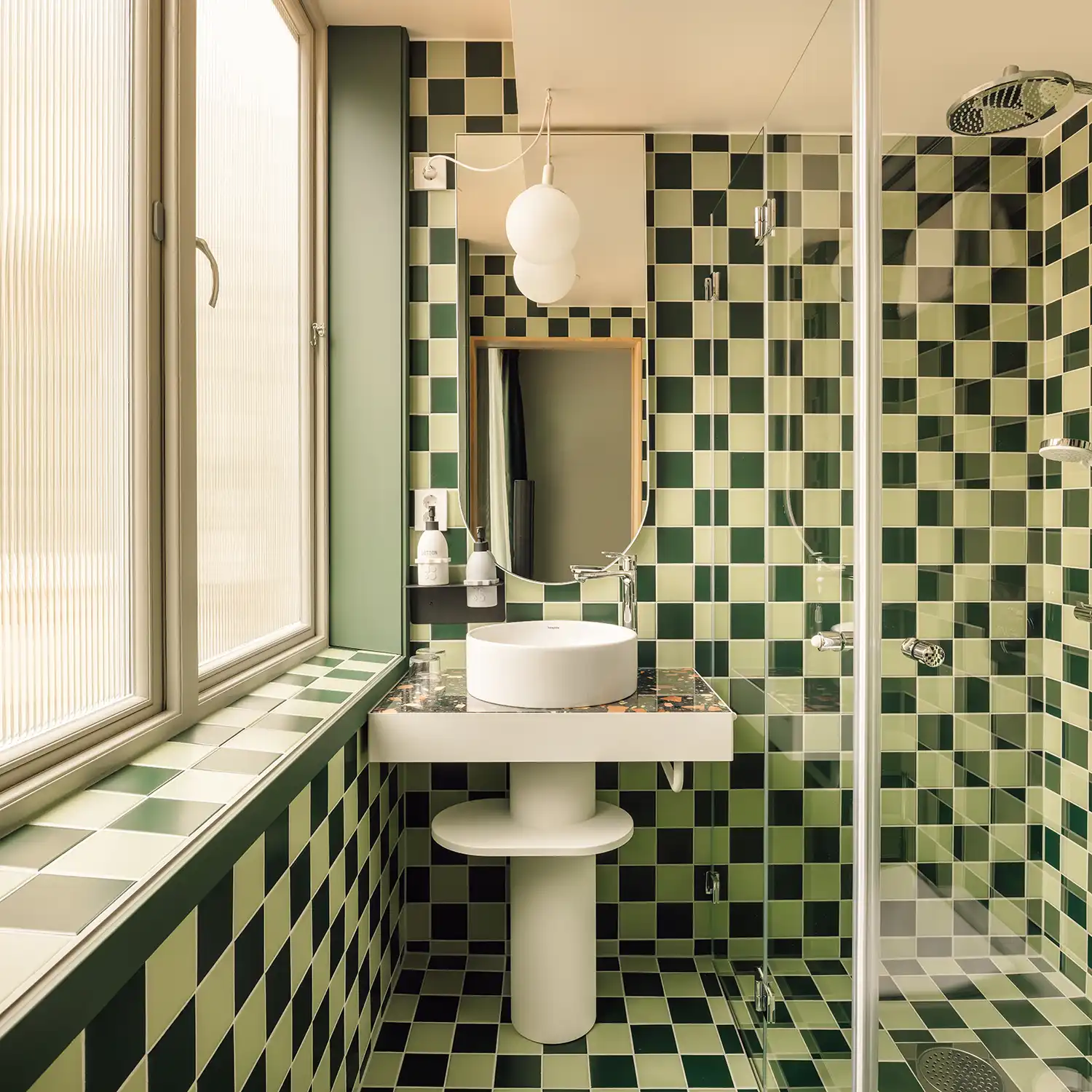
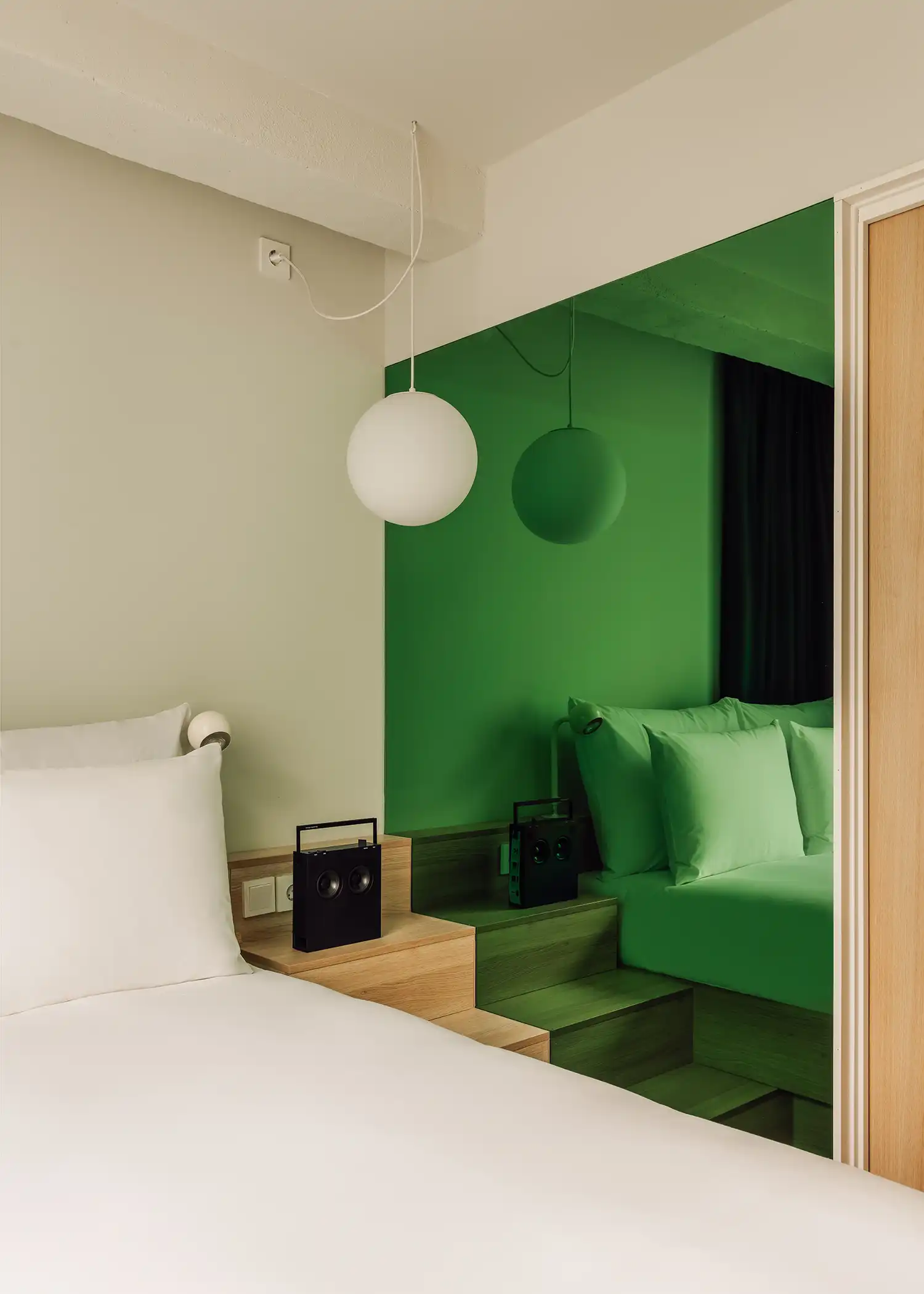
The property offers 181 hotel rooms divided into five distinct categories, ranging from the compact “Snug” solo rooms to a two-story Corner Suite. Each room is treated as a creative playground, utilizing a language of creative functionalism. In the suites, guests find non-traditional amenities such as vinyl players and karaoke machines, reinforcing the hotel’s identity as a place for play and discovery.
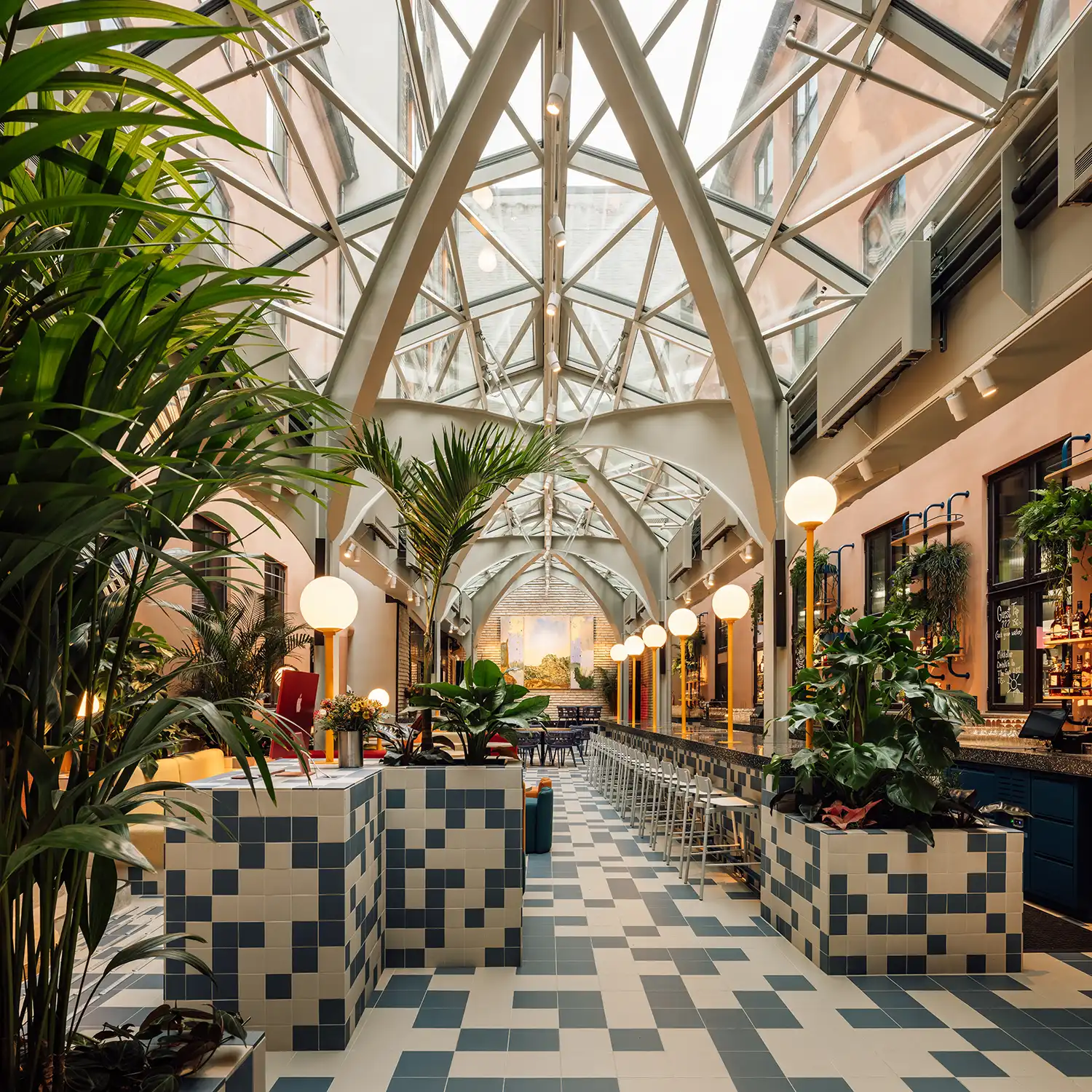
Materiality plays a crucial role in the Studio Aisslinger aesthetic, with the interiors featuring a mix of raw, industrial elements and soft, organic textures. This “signature improvised style” is balanced with high-quality materials and specially designed products, such as the Hobo sofa developed with Cappellini. The result is a vibrant, textured environment that feels as alive and unpredictable as the city of Oslo itself.
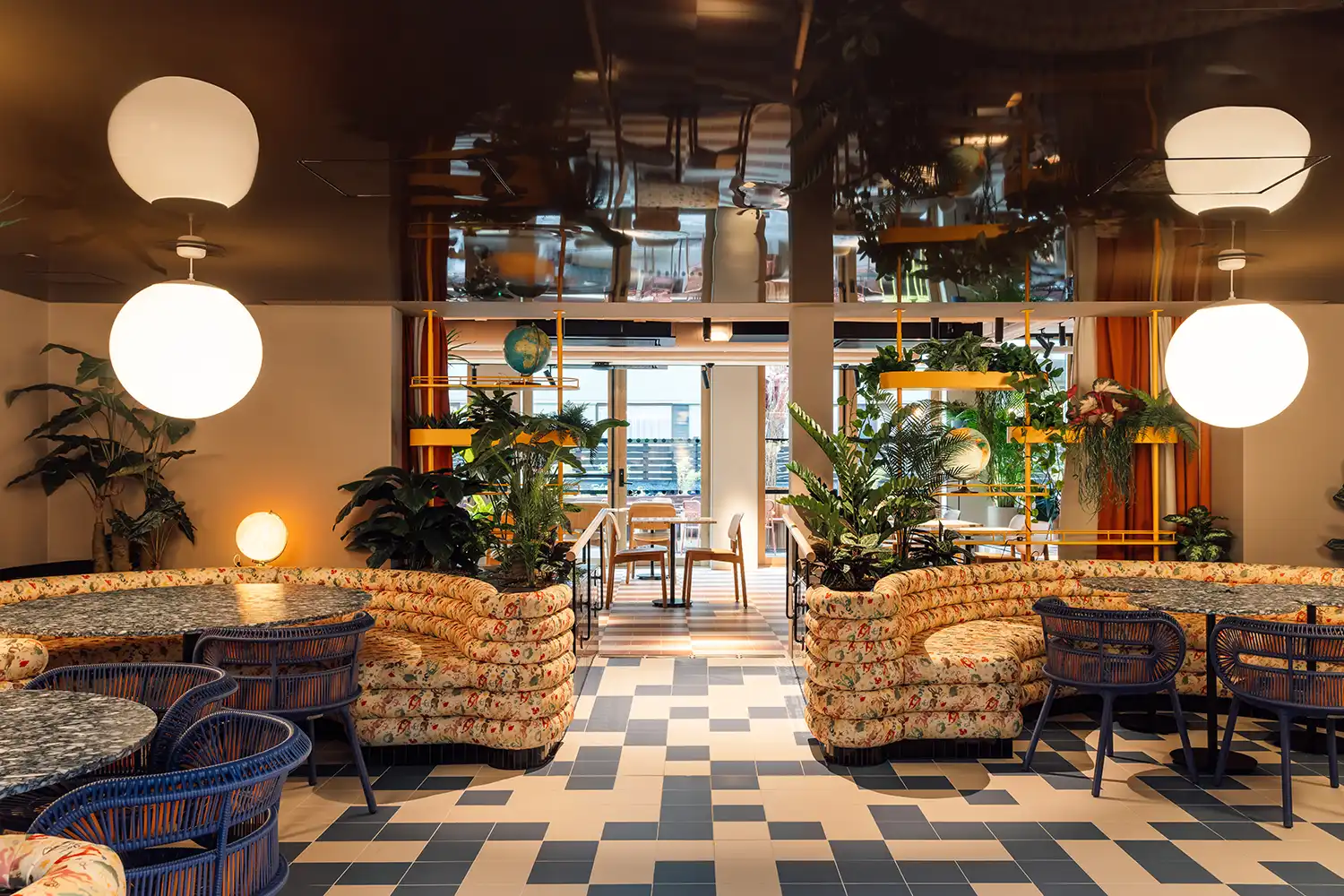
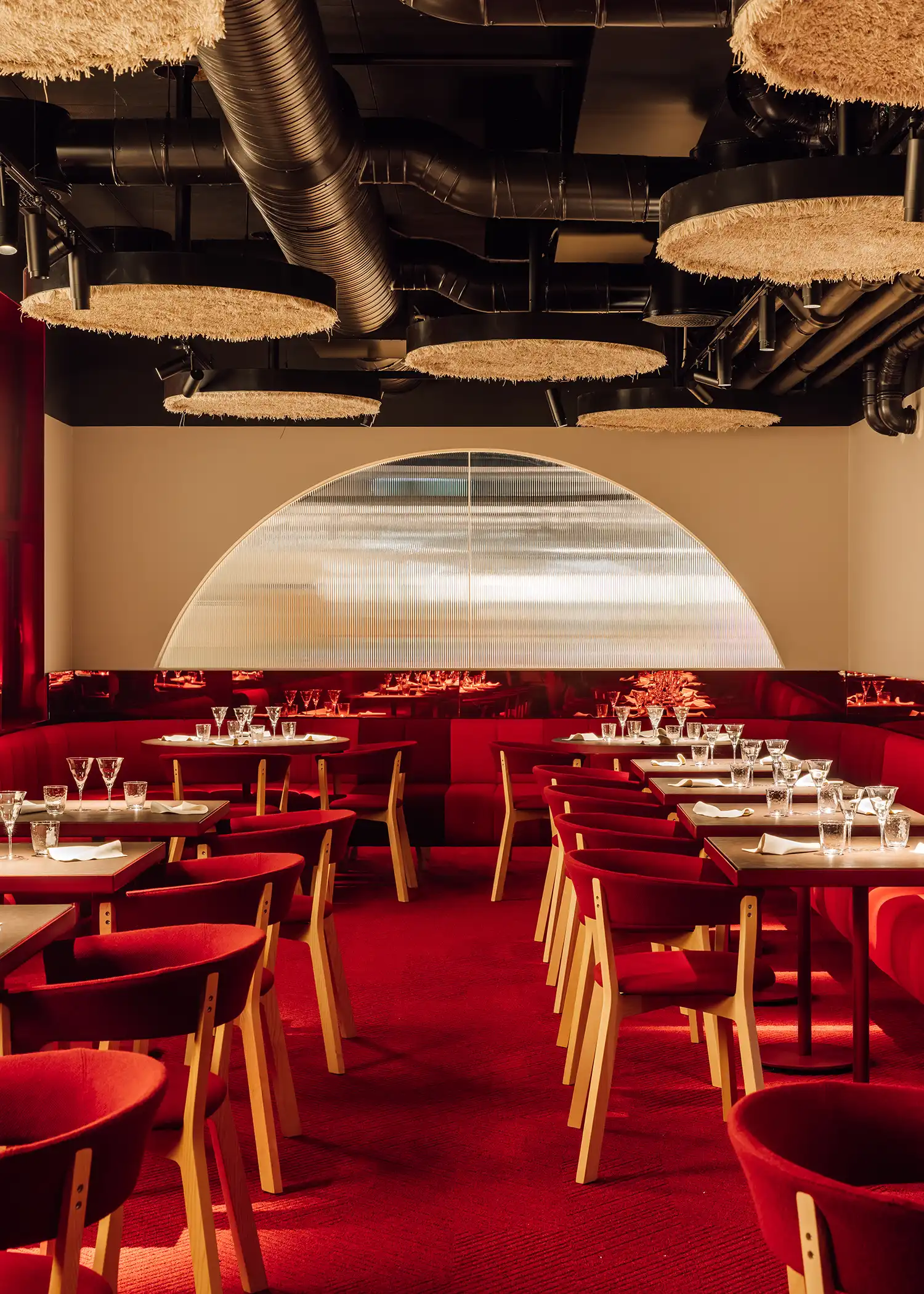
The hotel’s gastronomic offering includes four unique restaurant and bar concepts. Among these is Kreatur, a dining experience with a rotating conceptual theme—starting in 2025 with “Conspiracy Cooking”—and Yeast, a lively pizza joint specializing in pizza al taglio and natural wines. These venues are designed as public-facing spaces that invite the city in, further cementing the hotel’s role as a local landmark.
Sustainability is integrated through both the choice of materials and the inclusion of green spaces. Following the studio’s interest in urban farming, the design incorporates natural elements that provide a contrast to the technological innovations of the building. This commitment to a circular design approach ensures the project remains relevant to the environmentally conscious modern traveler.
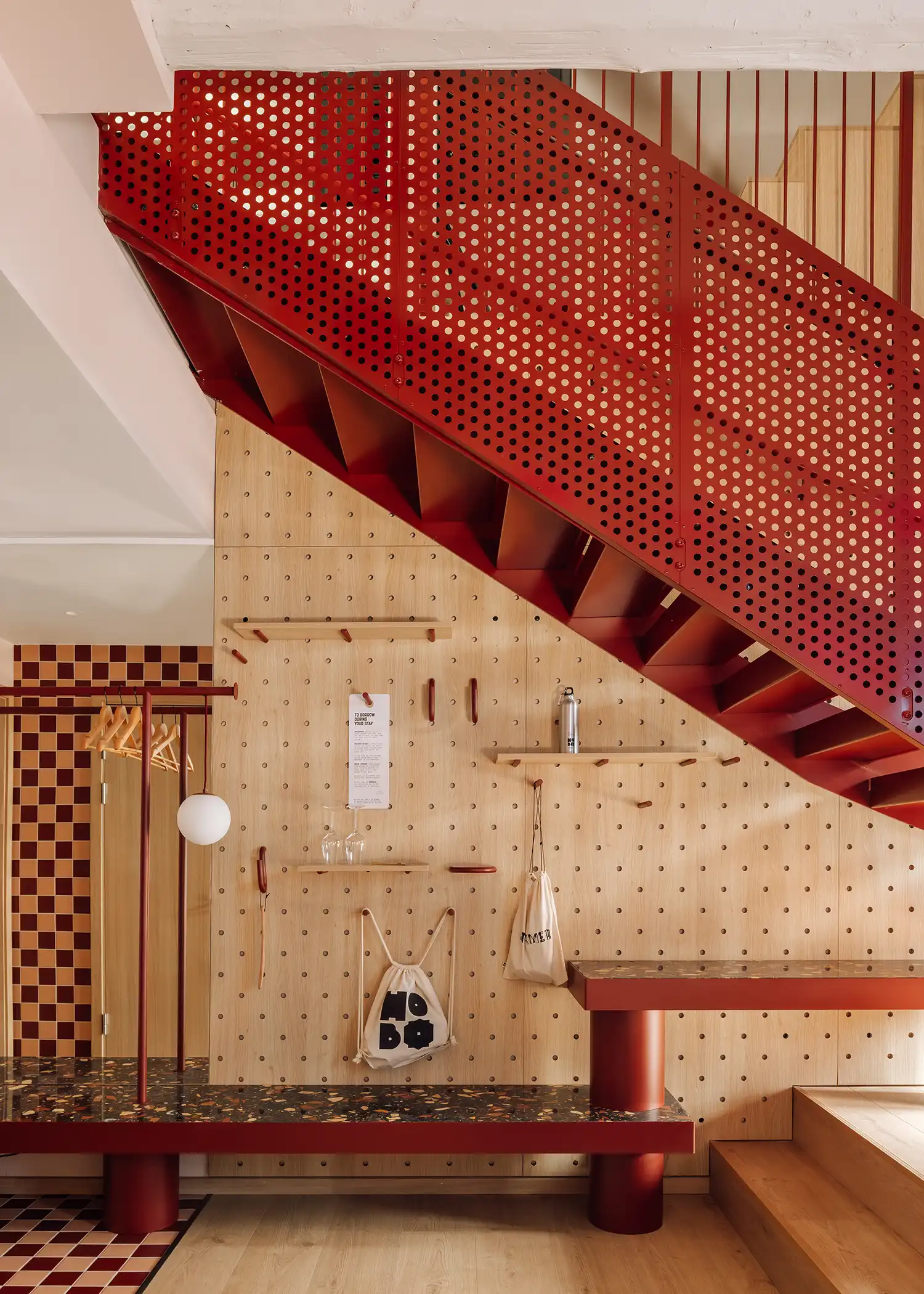
The integration of art and technology is visible throughout the property, with purpose-built installations and custom artwork created in collaboration with local designers. By providing a platform for regional talent, Hobo Hotel Oslo acts as a cultural incubator. These artistic interventions are scattered across the seven floors, making the act of moving through the hotel an immersive spatial experience.
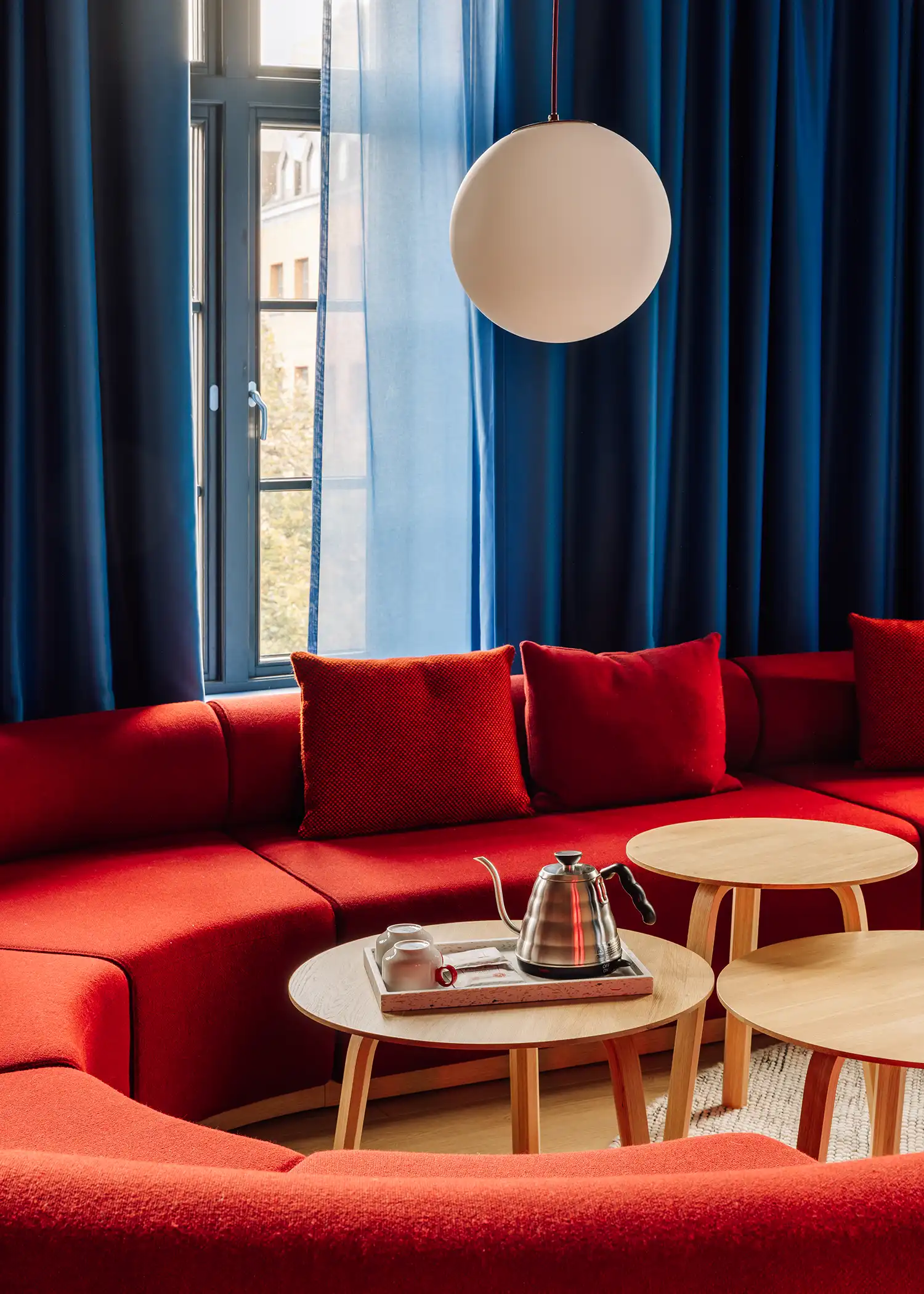
Functionality is not sacrificed for style; the hotel caters specifically to the digital nomad with high-speed 500+ Mbps WiFi and integrated laptop-friendly workspaces. This focus on connectivity ensures that the hotel functions as a 24-hour ecosystem where work, play, and living coexist seamlessly. The design reflects the “Hobo” name’s heritage, honoring the socially aware and curious world-citizens who value freedom and community.
As the hospitality landscape continues to shift toward more personalized and communal formats, Hobo Hotel Oslo serves as a vital prototype for the future of the industry. By rejecting the sterile, “anywhere” aesthetic of global chains in favor of a textured, socially-driven environment, Studio Aisslinger has created a venue that prioritizes human connection over traditional luxury. It is a space where innovative design acts as the catalyst for a new type of urban ecosystem—one that is equally hospitable to the neighborhood resident and the international traveler. In doing so, it provides more than just a place to sleep; it offers a vibrant, optimistic vision of how we might live, work, and gather together in the modern city.