

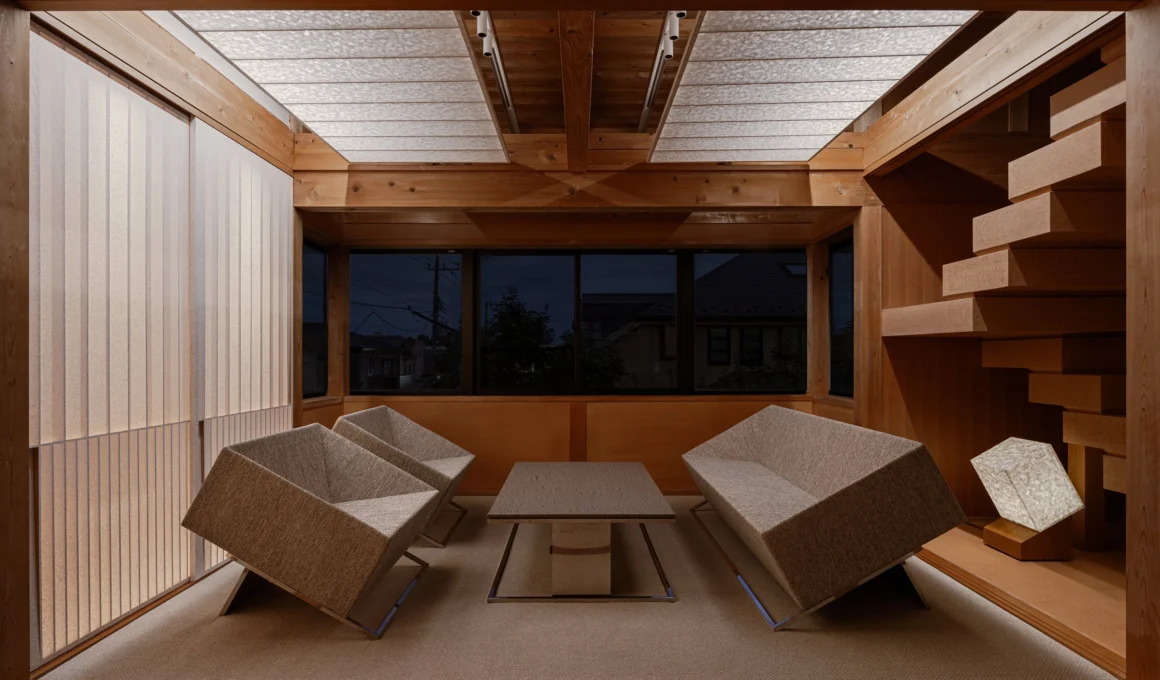
The Symbolplus Office in Tokyo stands as a compelling example of how a modest renovation can achieve a profound architectural statement, moving beyond the superficial to pursue a sense of universality rooted deeply in place and time. Designed by the studio for its own team, this project masterfully transforms a 23-year-old wooden building into a dynamic, yet serenely minimal, new kind of workspace. Instead of adding expressive statements or decorative layers, the design philosophy of Symbolplus centred on reinterpreting the building’s existing frame and celebrating its history, setting a new benchmark for thoughtful office design.
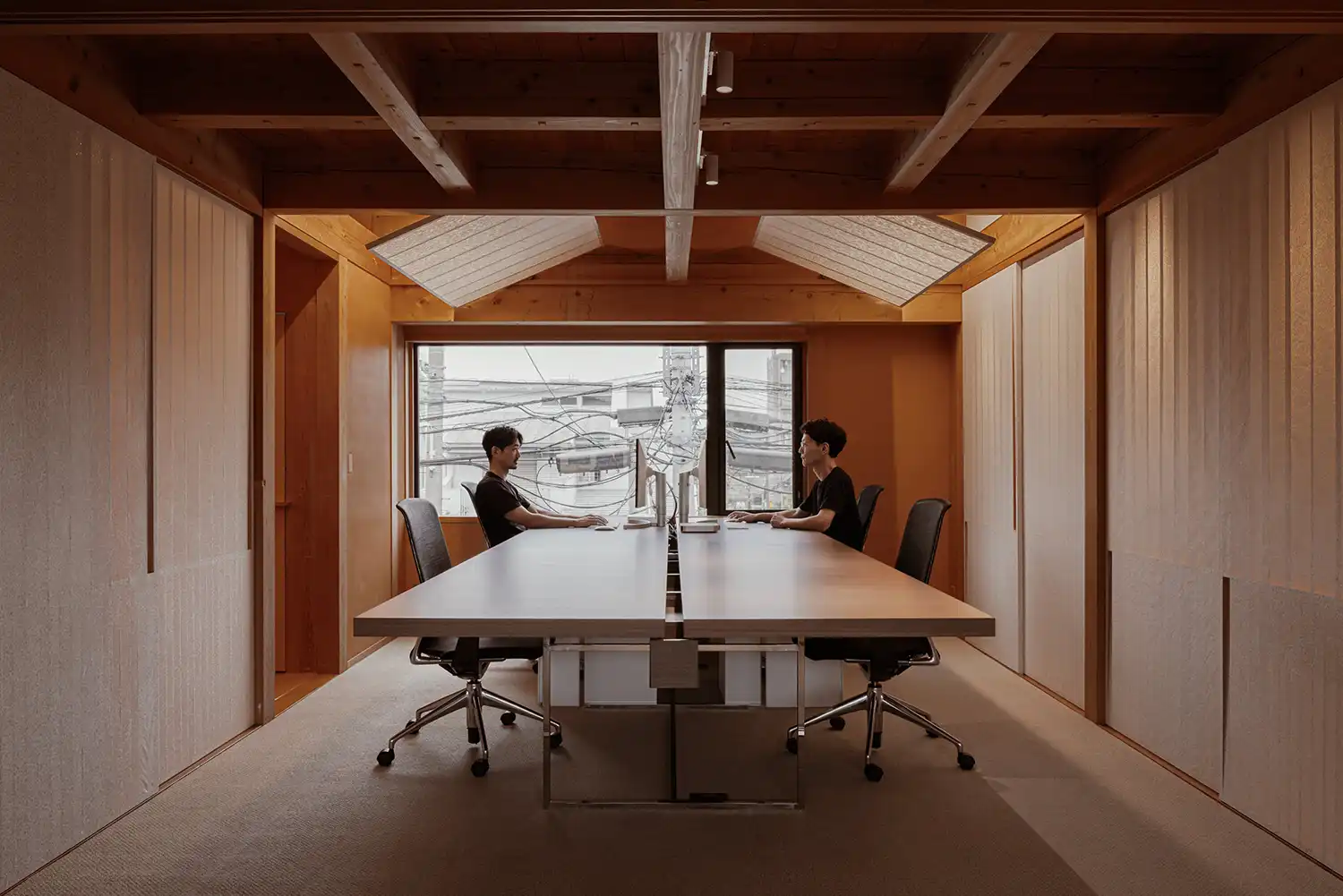
The project began with a deliberate commitment to honouring the original structure, a request echoed by the building’s original Japanese architect, Akio Hayashi. The studio’s intervention was not about masking the past but rather integrating the new with the old, preserving the original timber structure as much as possible. This approach dictated the exclusive use of natural materials, fostering a conversation between the contemporary design and the building’s inherited warmth and scale. The resulting environment is intentionally calm, timeless, and quietly supportive of the core function: the act of thinking and creating.
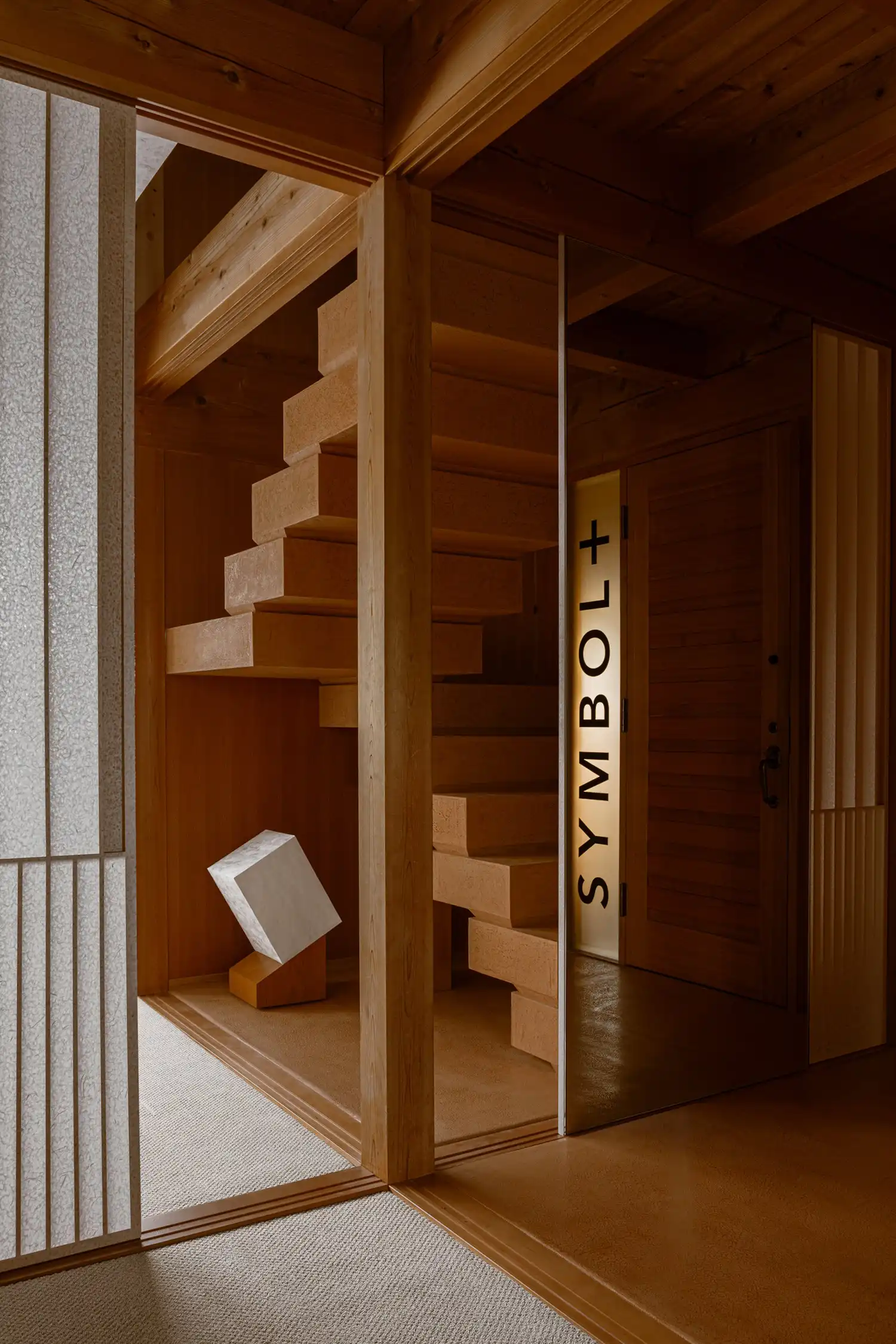
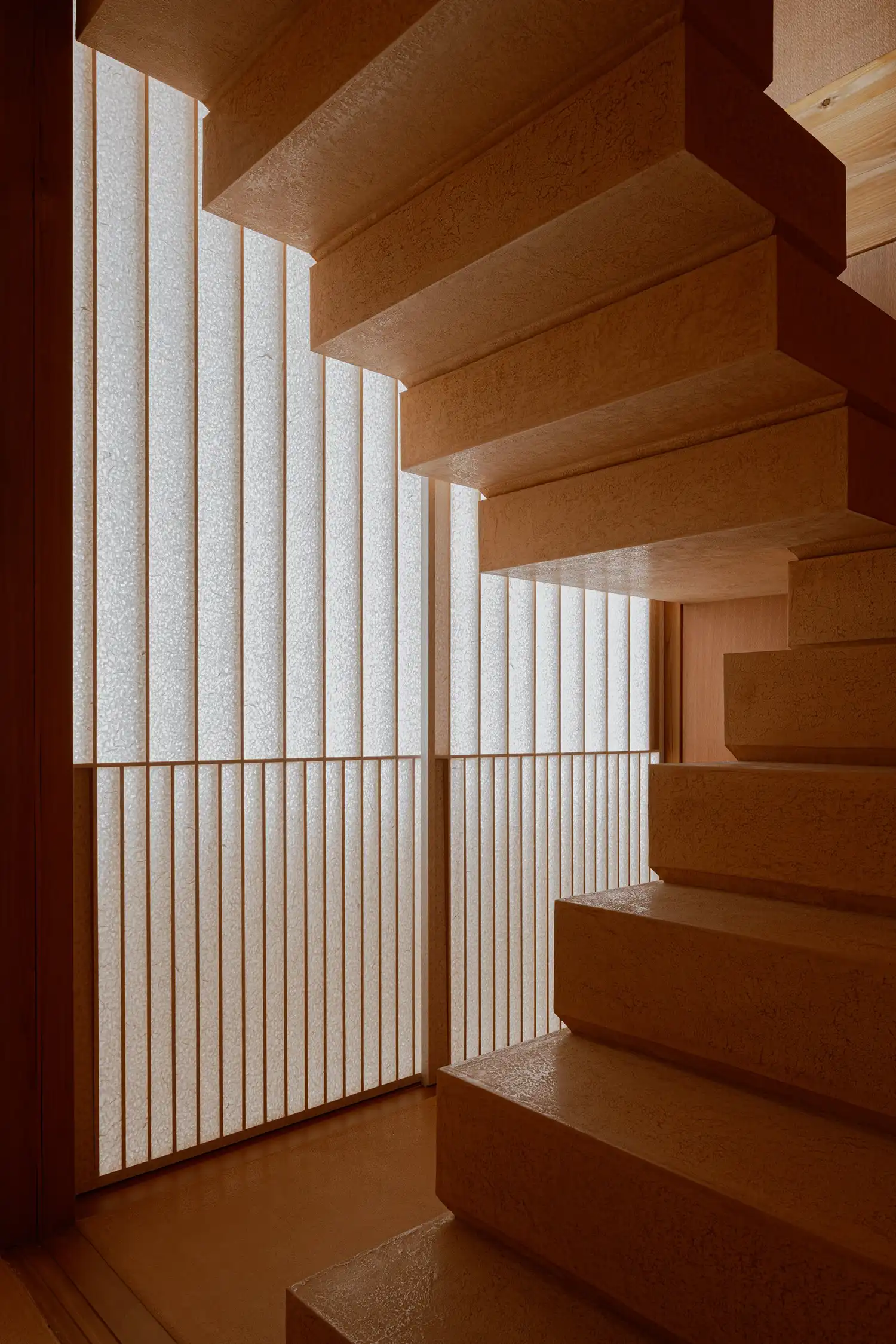
Central to the material palette is the distinct red clay plaster that covers the walls and even the exposed steps of the interior. Sourced specifically from the coastal city of Ishikawa, the earthen colour of this plaster mirrors and complements the warm hue of the existing wooden beams. This choice is more than aesthetic; it’s a commitment to locality, as the material literally reflects the colour of the earth beneath the structure. It’s a physical manifestation of grounding the new Japanese architecture in tradition, creating a sense of enduring presence within the bustling urbanity of Tokyo.
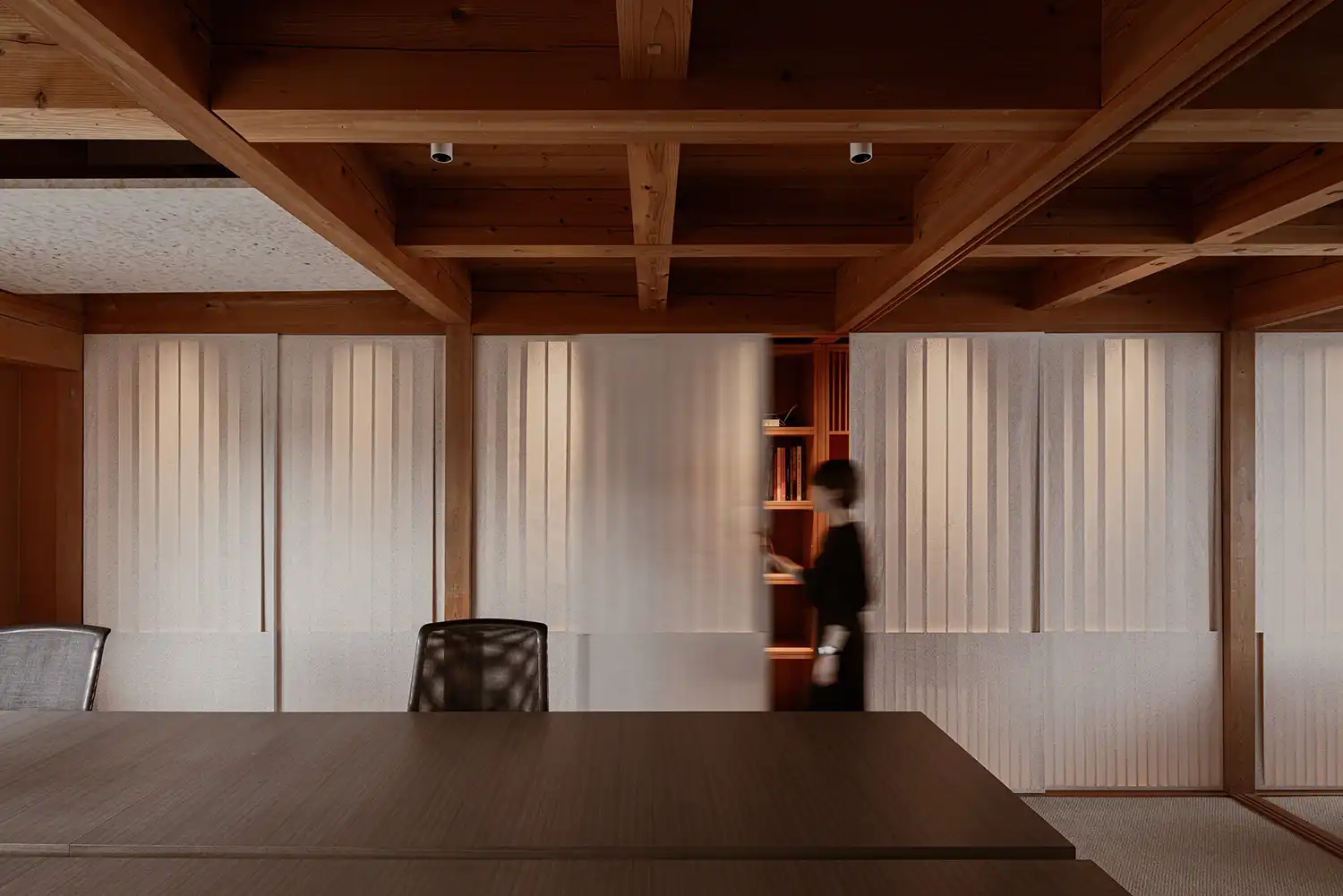
Perhaps the most innovative material application is found in the creation of the office’s versatile sliding screens, or shoji. These are made from discarded Tosa washi paper, a type of delicate Japanese paper traditionally considered unusable for screens due to its fragility. Symbolplusinnovated through careful layering, giving the material the necessary structural integrity for everyday use. This act of material reuse transforms a perceived weakness into a strength, highlighting how sustainable interior practices can become a source of sophisticated beauty.
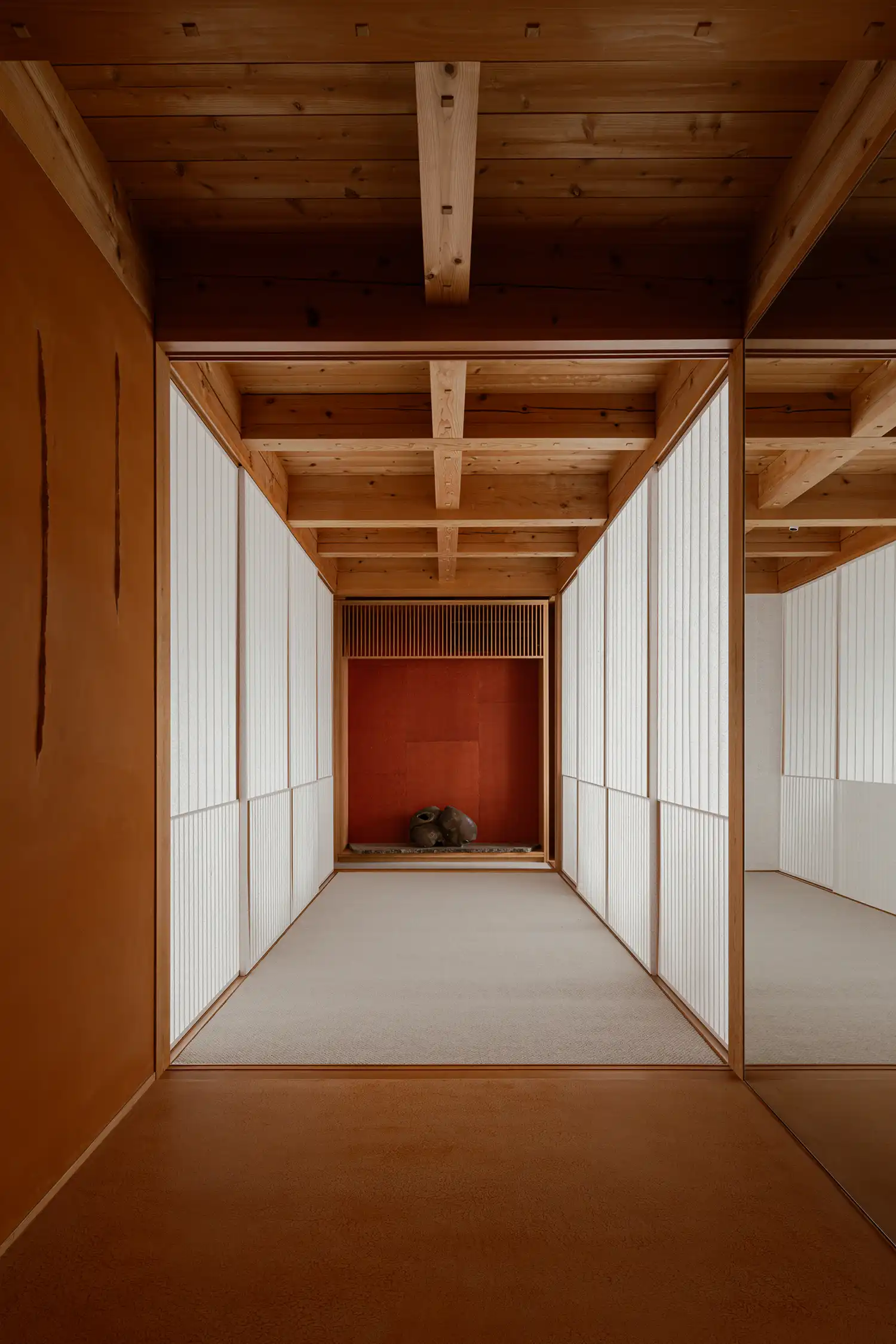
Beyond the fixed structure, this ingenious Tosa washi is also employed to craft flexible movable partitions and dramatic ceiling panels, giving the entire space an adaptable quality essential for a modern workflow. This functionality allows staff to easily open up the floor plan for communal gatherings or enclose smaller, private zones, aligning the flexibility of the space with the natural rhythm of collaborative work. The quiet integration of the paper panels, which diffuse light beautifully, contributes significantly to the tranquil atmosphere of the Symbolplus Office.
Ultimately, the Symbolplus Office offers a masterclass in adaptive reuse, providing a powerful model for the future of office design. By eschewing fleeting trends in favour of an enduring material honesty, Symbolplus has not merely redesigned an office; they have created a profound, habitable philosophy. The space is not a “designed stage” but a quietly integrated, functional environment where craft, nature, and the history of the wooden building converge, proving that the most revolutionary renovation can be the one that speaks the softest.