


Trends come and trends go. From popular music to fad diets, fashion sensibilities to automobiles, what’s in today will inevitably be tacky to our children. As homeowners, it is crucial to understand this natural flow of progress. Contemporary trends will impact resale value in years to come. Savvy designers understand this, with extensive attention paid to “future proofing” homes in recent years.
With this in mind, keep reading as we explore the evolution of modern residential architecture and how to stay ahead of shifting real estate trends.
Low Maintenance Features
Call it like it is: society has been largely patriarchal throughout history. Men went to work and women were expected to stay home and take care of the house and children.
As the workforce becomes more egalitarian and traditional family roles continue to evolve, modern homes are being designed to reflect these important shifts. With most households being multi-income these days, there simply is not enough time to vacuum carpet every day and deep clean kitchen linoleum.
Low maintenance features take center stage. Nonporous quartz countertops can be cleaned with a wipe of the rag and do not require ongoing sealing. Luxury vinyl tile flooring closely resembles hardwood options in elegance while needing less specialized care. Outside, permeable gravel driveways offer better resistance to freezing and runoff when compared to traditional concrete driveways.

Open Concept Living
Open, flowing spaces are almost synonymous with modern homes. Whereas past decades saw square footage broken up into any number of defined rooms, contemporary homes feature fewer walls for increased versatility. Kitchens with large islands that open directly to the living room are a staple of modern design. In addition, sliding glass doors and 12×12 wood flooring tiles can help connect the interior of the home to the exterior, enhancing the sense of spaciousness and leveraging biophilic principles.
Other materials that enhance open concept living include large windows for natural daylighting, modular glass partitions to help create defined space as necessary, and stone facade accent walls to break up space without creating a full-scale barrier.
Next-Level Exteriors
The exterior of a home must be more dynamic than ever. In addition to providing stunning curb appeal to arrest the attention of passersby, it has to offer functional space that homeowners can use on a daily basis. With more and more people working from home and/or living remote lifestyles, a top-quality exterior provides a much-needed change of scenery amid the daily grind and increases functional square footage of the property.
Furthermore, with studies showing the key role that nature plays in reducing stress and enhancing mental wellbeing, the exterior of a home is a truly integral component of a complete residence. A few trending options found in modern exteriors include composite paver tiles with slot drains for patio surfaces and walkways, white picket and vinyl gates to define boundaries and create focal points, and rain chains for gutters, small fountains, and other tranquil water features for the most serene landscaping.
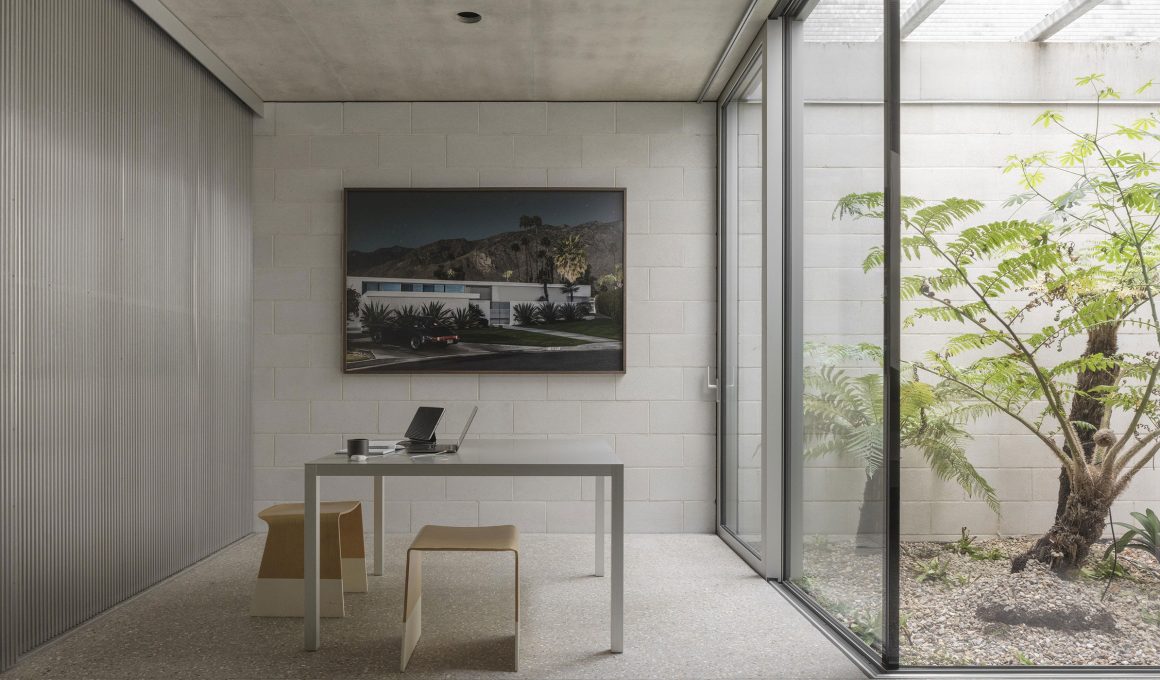
Minimalist Sensibilities
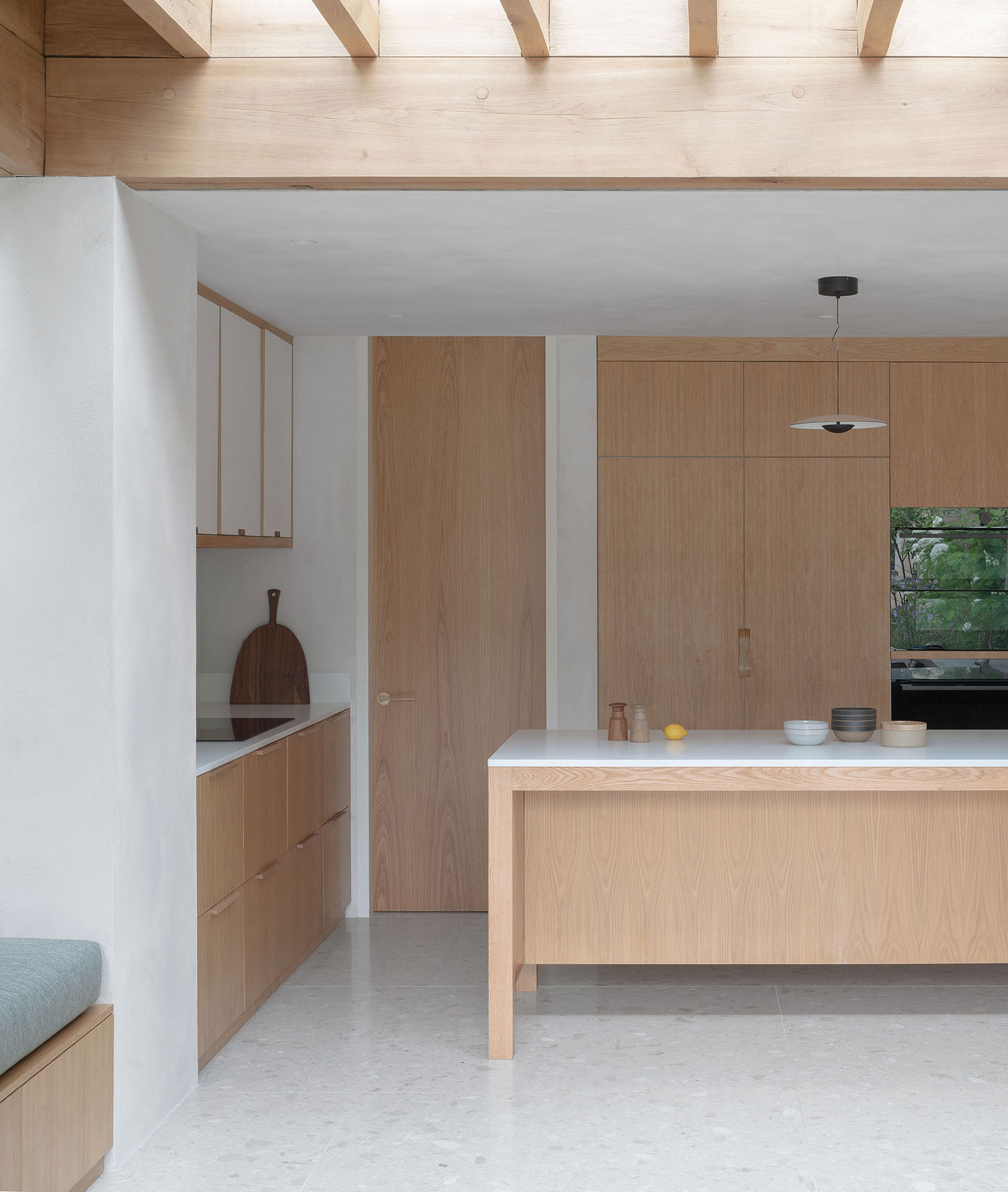
Less is more in the modern real estate market. As it is increasingly difficult to “turn off” life in our fast-paced, constantly-connected society, homeowners find minimalist themes ultra-appealing for unwinding and reducing stress. Too much clutter causes visual chaos that triggers anxiety.
While minimalist design sounds simple, it is extremely difficult for most people to execute. Finding the perfect balance between “barren” and “cluttered” takes careful planning. Some tried-and-true ideas for successfully executing a minimalist home include:
- Clean, light colors, such as white quartz countertops and white board and batten walls.
- Quality over quantity when it comes to decor.
- Statement furniture. A stately sectional tactfully positioned in the center of a living room is far more impactful than many smaller pieces jammed up against walls.
- Bold railings, door knobs, and fixtures to break up space and provide contrast.
There is a common quip in the real estate world that the wealthier the owner, the less stuff he or she has in the home. By leveraging minimalist design principles, homeowners from all walks of life can achieve a similar effect.
Sustainability Focused
Nowhere in society is the sustainability movement quite as impactful as in real estate and home design. Not only do sustainability features enhance longevity and reduce the cost of homeownership, but they can help the property stand out for an increasingly conscientious consumer base.
Obviously, when talking about sustainability measures, solar panels are one of the first features that come to mind. States like California now mandate that all new builds must come equipped with solar. However, this type of PV technology is just the starting point when it comes to creating a net-zero home. Durable materials such as metal roofing, fiber cement siding, and engineered quartz countertops reduce the energy requirements for ongoing repair and maintenance.
Establishing a sustainable insulation infrastructure in the walls, ceiling, and below-grade areas of the home improves R-value and establishes a more comfortable interior environment in all seasons. Low-E windows allow light transmission while regulating thermal radiation, helping keep the home cool even when the sun is at its brightest.
Stay Ahead of the Latest Trends in Modern Residential Architecture
The realm of home design is in a constant state of transformation, with trends and preferences shifting like the tides. For both current homeowners and those looking to buy, staying informed about these changes goes beyond mere aesthetics; it plays a vital role in preserving and even boosting a property’s long-term value. A residence that embodies contemporary design trends and features is far more likely to maintain its allure in the competitive market.
This evolution in home design encompasses a myriad of considerations, ranging from practical aspects such as low-maintenance materials and energy-efficient systems to broader societal shifts, including the growing focus on sustainability and eco-friendly living. As we assess the direction of modern home design, it’s crucial to take into account a variety of factors, including emerging technologies, demographic changes, and evolving cultural values. These elements influence everything from spatial arrangements and material selections to the incorporation of smart home innovations and the emphasis on seamless indoor-outdoor living.
For those eager to explore the latest trends and gather inspiration for their own design endeavors, delving into reputable resources focused on residential architecture is highly beneficial. To stay updated on the newest developments and find creative ideas in residential architecture, visit our platform at urdesign today!