


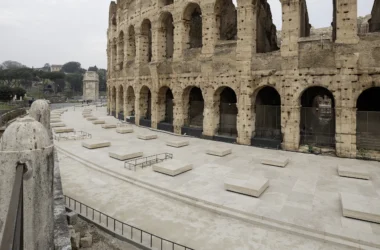

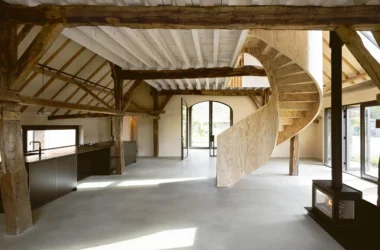

The highly anticipated movie “The Phoenician Scheme,” directed by the visionary Wes Anderson, has not only captivated audiences with its intricate plot and stellar cast but has also emerged as a veritable masterclass in production design and cinematic architecture. For those of us immersed in the worlds of design, architecture, technology, and art, the movie offers a visually rich tapestry that warrants a deep dive into its meticulously crafted aesthetics.
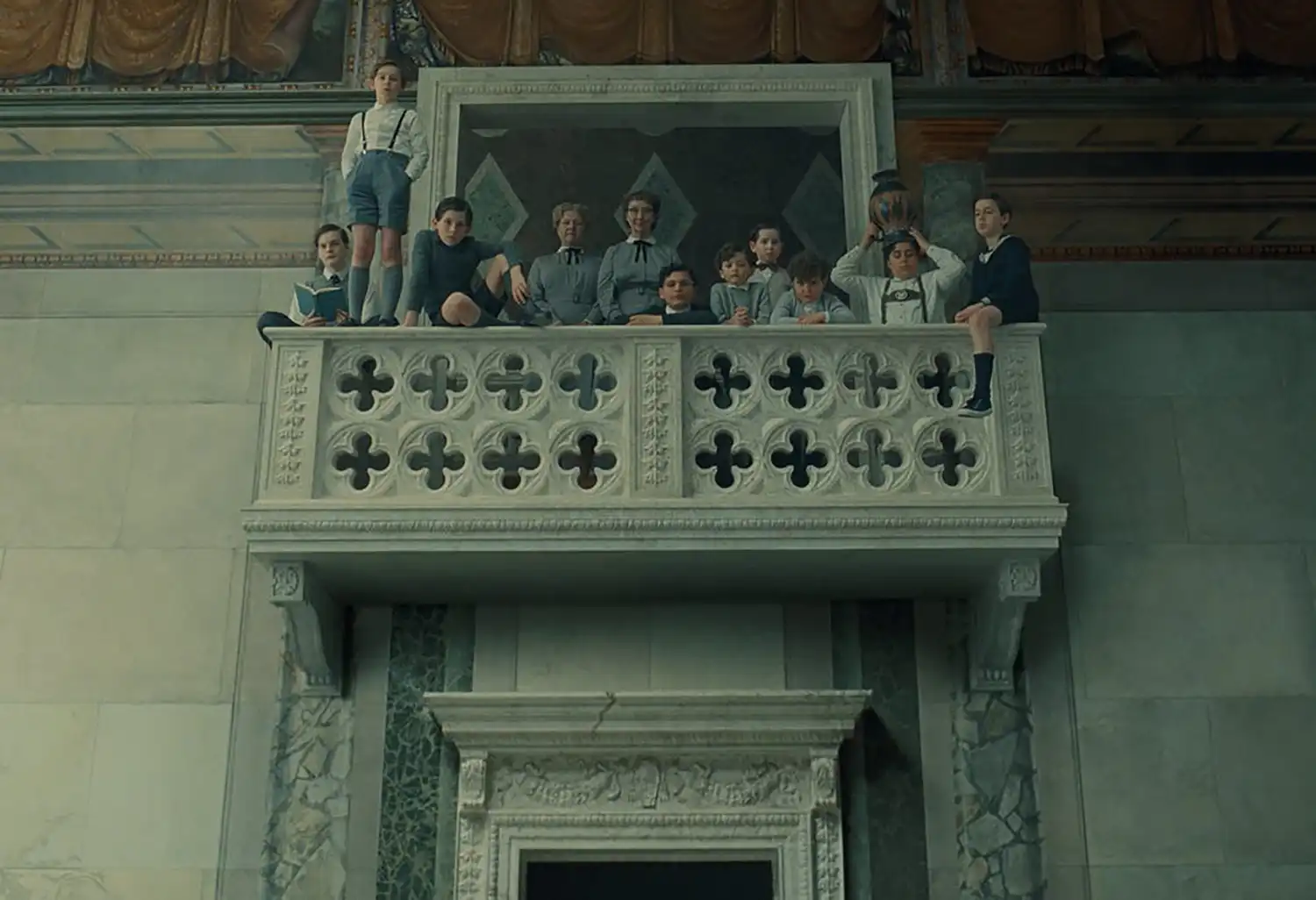
“The Phoenician Scheme” transports viewers to a world steeped in retro-futurism, blending the opulent elegance of the 1950s with subtle hints of advanced yet analog technology. Production designer Adam Stockhausen, a frequent collaborator with Anderson, alongside set decorator Anna Pinnock, have conjured an environment where every frame is a curated tableau. The film’s primary setting, the sprawling, eccentric estate of industrialist Anatole “Zsa-zsa” Korda, is a prime example of this visual storytelling.
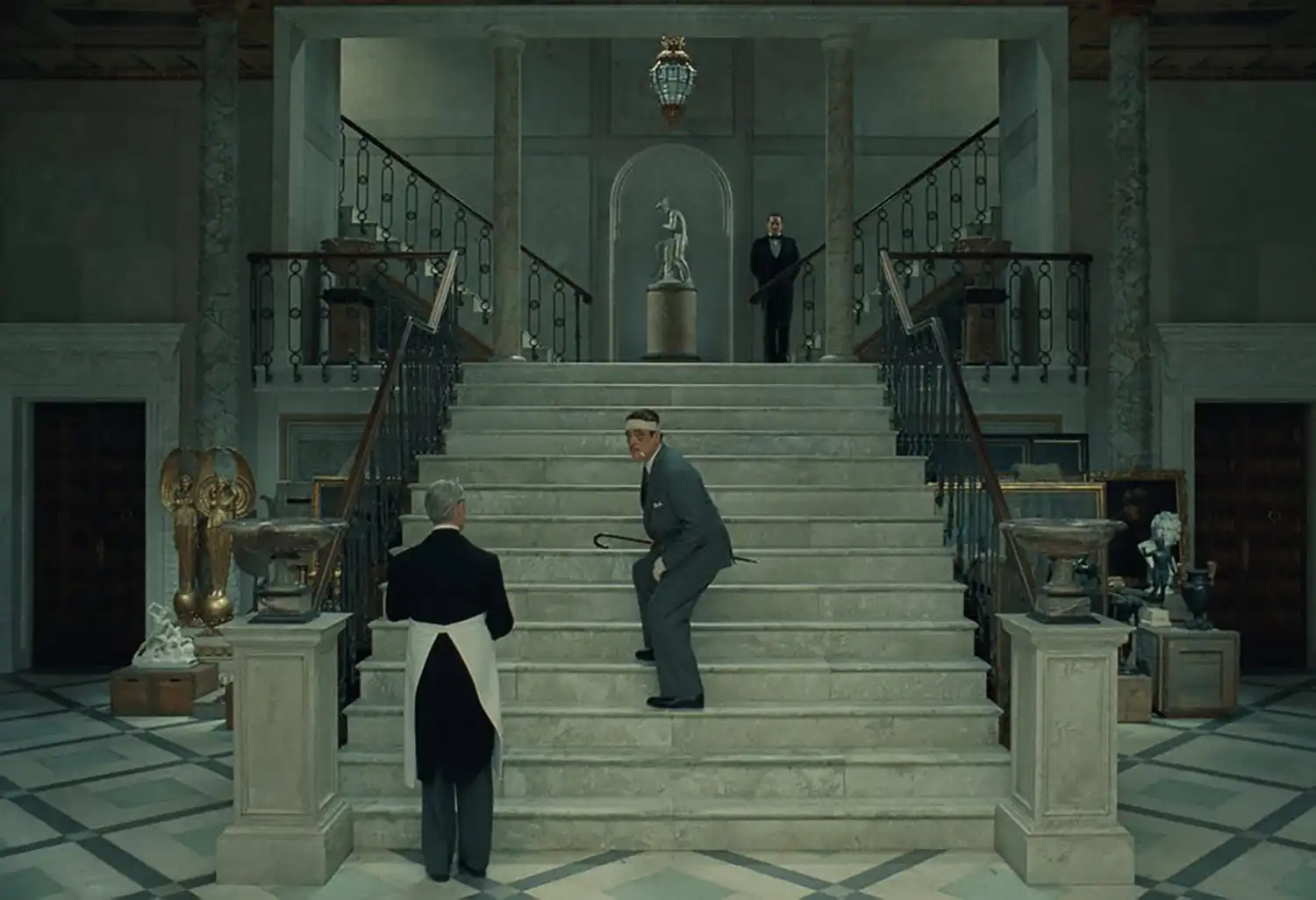
Inspired by palatial villas and castles around Berlin and the intricate trompe l’oeil work of Venetian palazzos, Korda’s home is a monument to a bygone era of grandeur and excess. The walls and columns, hand-painted to mimic marble, speak to a pursuit of luxury that transcends mere practicality. This deliberate choice of materiality and ornamentation is a stark contrast to the often stripped-down aesthetic prevalent in contemporary design. It’s a fascinating exploration of how space can reflect and amplify character, with Korda’s insatiable desire for legacy mirrored in the never-quite-finished, perpetually evolving nature of his architectural domain.
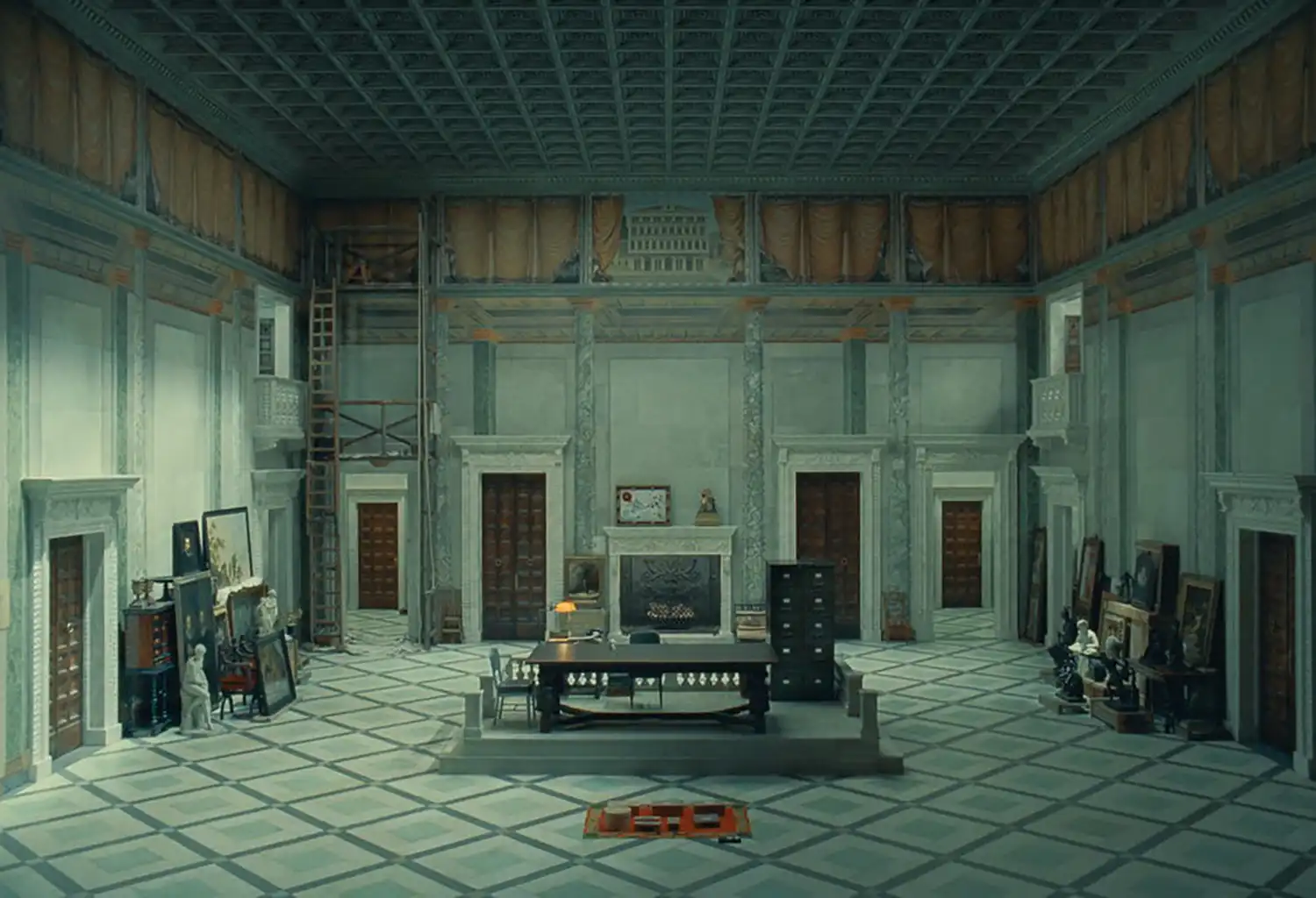
Beyond the lavish interiors, “The Phoenician Scheme” subtly weaves in technological elements that feel both cutting-edge for their supposed era and charmingly anachronistic. The bespoke gadgets and communication devices are not sleek, minimalist smart devices but rather intricate, tactile instruments, hinting at a world where innovation is perhaps more mechanical and less digital. This analogue futurism provides a refreshing counterpoint to the glossy, often sterile sci-fi aesthetics prevalent in much of today’s cinema.
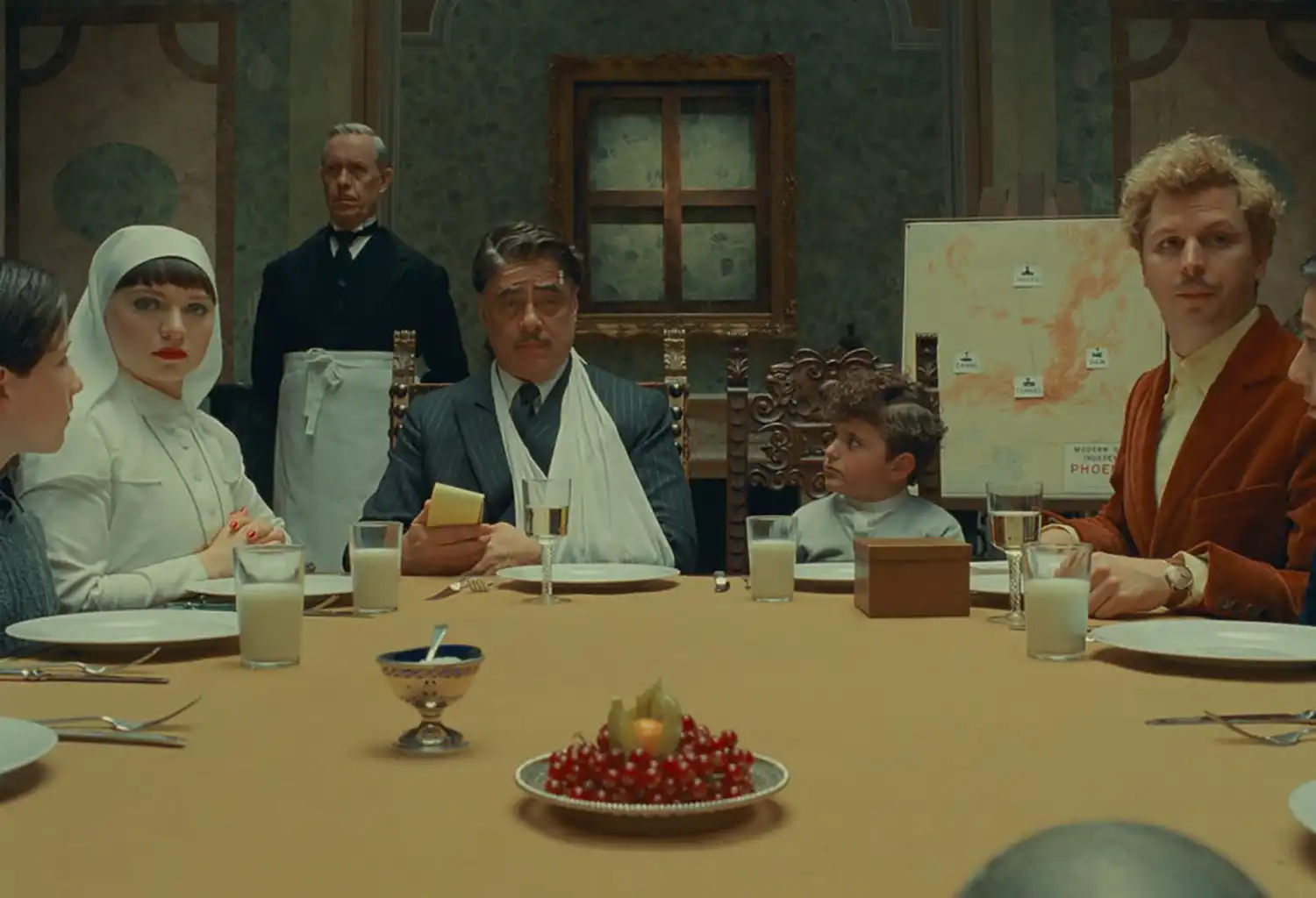
The film’s costume design, led by the legendary Milena Canonero, further elevates the visual narrative. Each ensemble is a precise statement, complementing the ornate interiors and contributing to the film’s signature stylization. The costumes, much like the furniture and artworks that populate the sets, are not mere background elements but active participants in the overall design language of the movie.
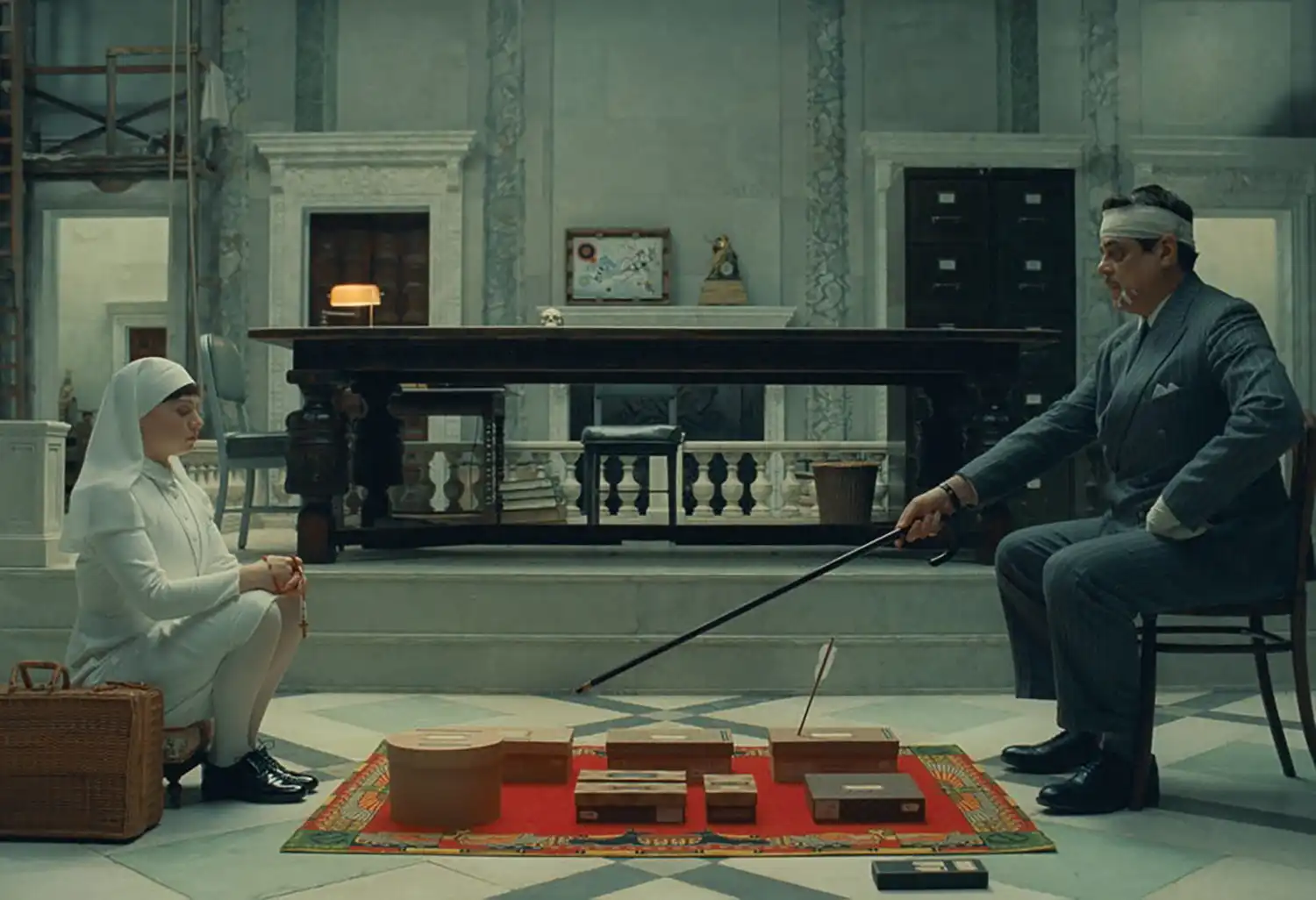
“The Phoenician Scheme” is more than just a captivating narrative; it’s a profound visual experience that showcases the power of design in creating a compelling world. From the architectural flourishes to the intricate details of its interior design, the film serves as a compelling study in how visual aesthetics can enrich storytelling and immerse an audience. For architects, designers, and tech enthusiasts alike, it’s a must-watch, offering abundant inspiration and a fresh perspective on the interplay between form, function, and fantasy. This movie is a testament to the fact that even fictional spaces can profoundly impact our understanding of design principles and artistic expression.