



For decades, the standard Music Room was little more than a corner in the living room dedicated to a bulky stereo system and a pile of vinyl. It was functional, certainly, but largely static—a beautiful antique radio in a beautifully designed house.
But the music listener of the 21st century demands more than just playback; they demand an experience. We’re not just designing rooms with speakers anymore; we’re designing Sound Sanctuaries: environments where the visual and auditory realms merge, and the room itself becomes an extension of the album. This is where smart technology and innovative dynamic lighting stop being mere accessories and become the core architecture of your listening pleasure. Forget hiding your tech; the modern design ethos embraces the integration of responsive lighting, digital control, and acoustic art to create a space that feels the bass drop, visualizes the high notes, and elevates even the most casual listening session into a private concert.
In this deep dive, we explore how to build a high-performance music room that doesn’t just look good in an architectural magazine—though it certainly will—but performs flawlessly, silencing the outside world and letting you, the listener, finally hear exactly what the artist intended.
The Art of Silence: Making Acoustic Treatment Disappear
A truly great home listening space is fundamentally defined by its acoustics, yet traditional soundproofing often introduces visual clutter. The key for a urdesignmag-level space is to make the acoustic design an integral part of the interior aesthetic.
Blending Absorption and Diffusion into the Decor
Acoustic treatments serve two primary functions: absorption (to reduce echo and reverb) and diffusion (to scatter sound waves and create a sense of spaciousness). High-end designers are treating these elements as architectural finishes.
-
Absorption as Art: Move beyond utilitarian foam. Use custom-printed acoustic panels or panels wrapped in luxurious fabrics like velvet or thick wool. These materials are acoustically transparent yet offer superior absorption qualities and high visual density. The British design studio Tribe Studio Architects, for example, often uses textural layering to improve comfort and sound quality without imposing rigid treatments.
-
Architectural Diffusion: Instead of flat walls, incorporate varied surface geometries. A meticulously organized bookshelf with irregular depths, or a timber slatted wall, acts as a natural diffuser. This not only breaks up standing waves but also provides a stylish backdrop, optimizing the home studio setup or dedicated listening room.
For the best performance, place large, dense high-pile rugs on hard flooring (concrete, timber) to manage primary reflections. This is often the simplest and most overlooked piece of DIY acoustic treatment.
Lighting Design: The Visual Frequency of Sound
In a contemporary Sound Sanctuary, lighting is not just functional; it is the visual equivalent of the equalizer. Dynamic lighting systems transform the room from a passive space into an active performer.
The Power of Smart Synchronization
The most significant trend is the use of smart lighting systems (like Philips Hue or custom DMX installations) that synchronize with the audio output.
-
Emotional Light Mapping: Program scenes that match the mood or genre. A warm, dimmed light (around ) is ideal for vinyl listening and classical music, creating a nostalgic, intimate environment. Conversely, high-energy tracks can activate vivid, responsive colors that pulsate subtly with the beat, turning the wall into a live visualizer.
-
Layered Illumination: A sophisticated design uses three distinct layers:
-
Ambient: Soft, indirect LED strip lighting hidden in coves or behind panels provides a foundational glow.
-
Task: Focused, adjustable spotlights are essential for reading music or working at a mixing console.
-
Accent: Highlight your valuable assets—like a vintage turntable, a vinyl collection display, or a spectacular instrument—with carefully aimed spotlights.
-
Seamless Tech: The Invisible Core of the Experience
A well-designed music room must operate flawlessly without visible clutter. Smart home integration is the mechanism for achieving this minimalist complexity.
The Unified Control Experience
The ultimate luxury is control that is instantaneous and intuitive. Using a unified smart hub (Apple HomeKit, Google Home, Control4) allows the user to trigger the entire listening scenario with a single command.
-
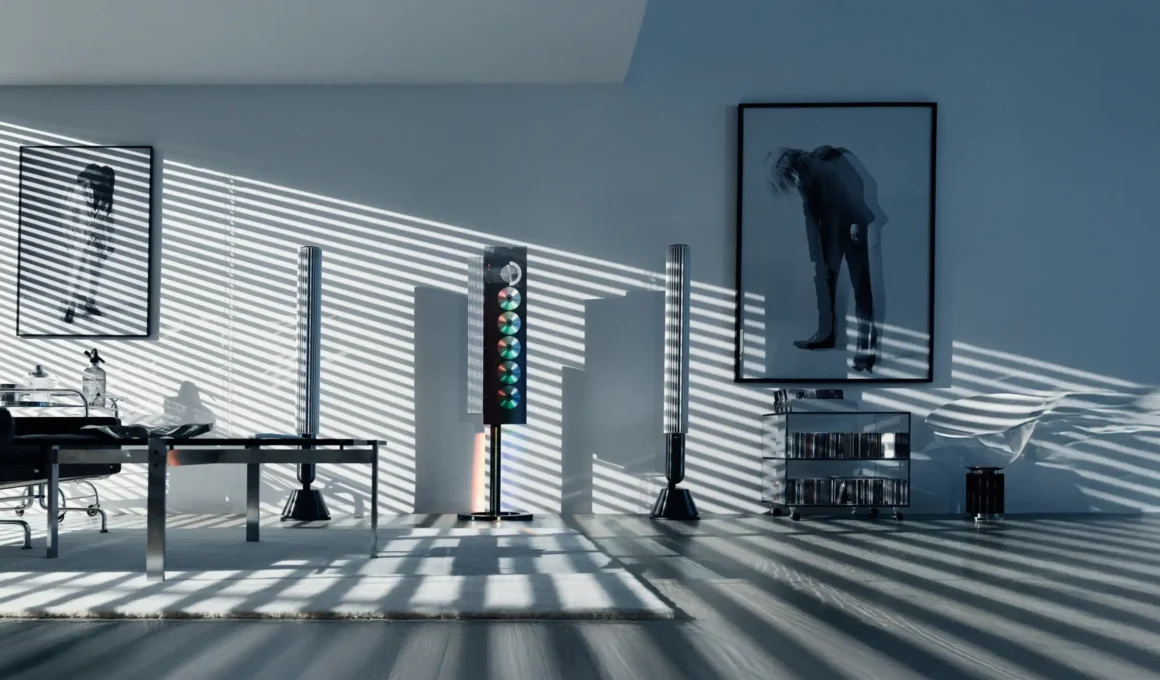
One-Touch Scenes: Imagine saying, “Play Jazz Mode,” which automatically dims the lights to , sets the color to amber, closes the motorized blinds, and starts the high-fidelity audio system. This level of integration is key to a truly effortless smart living experience.
-
Cable Management and Device Discretion: High-end home cinema designers often cite that visible cables are the fastest way to diminish a luxury install. Utilize built-in wall chases and custom cabinetry to ensure all high-end audio equipment and wiring is entirely concealed. For inspiration on minimalist, integrated tech solutions, designers often turn to projects by firms like B&B Italia, which excel at discreet furniture-based storage.
For those interested in exploring technical standards, resources like the CEDIA Association offer excellent information on best practices for concealing residential audio-visual components (an external link for technical reference).
The Music Nook: High Fidelity in Small Spaces
How can I create a high-quality music room in a small apartment? This is a frequent design challenge, and the answer lies in maximizing volume and minimizing footprint.
The Transformative “Cloffice”
For urban dwellers, repurposing existing small spaces is essential. A deep walk-in closet (or “cloffice”) can be acoustically treated, lined with shelves for vinyl, and fitted with a pull-out desk, instantly creating a quiet, dedicated listening pod or tiny home studio. The door becomes the primary barrier to external noise.
Integrating the Statement Instrument
If you own a large instrument, like a grand piano, do not hide it. Make it the room’s focal point. By choosing a sophisticated finish—a polished ebony piano in a room of muted concrete, for instance—the instrument transitions from a piece of furniture into a sculptural, functional work of interior architecture.
Conclusion: The Ultimate Performance
Designing a Sound Sanctuary is about architectural precision and emotional output. It requires treating acoustics as design, lighting as performance, and technology as seamless control. By embracing these principles, you move far beyond a simple room with speakers.
It might require a substantial investment, but think of it this way: even if, after all this masterful design, my own terrible guitar playing still sounds like a disgruntled badger being dragged across a chalkboard, at least it will be doing so in an environment that is acoustically perfect and dramatically lit. After all, even amateur efforts deserve a brilliant stage, don’t they?