



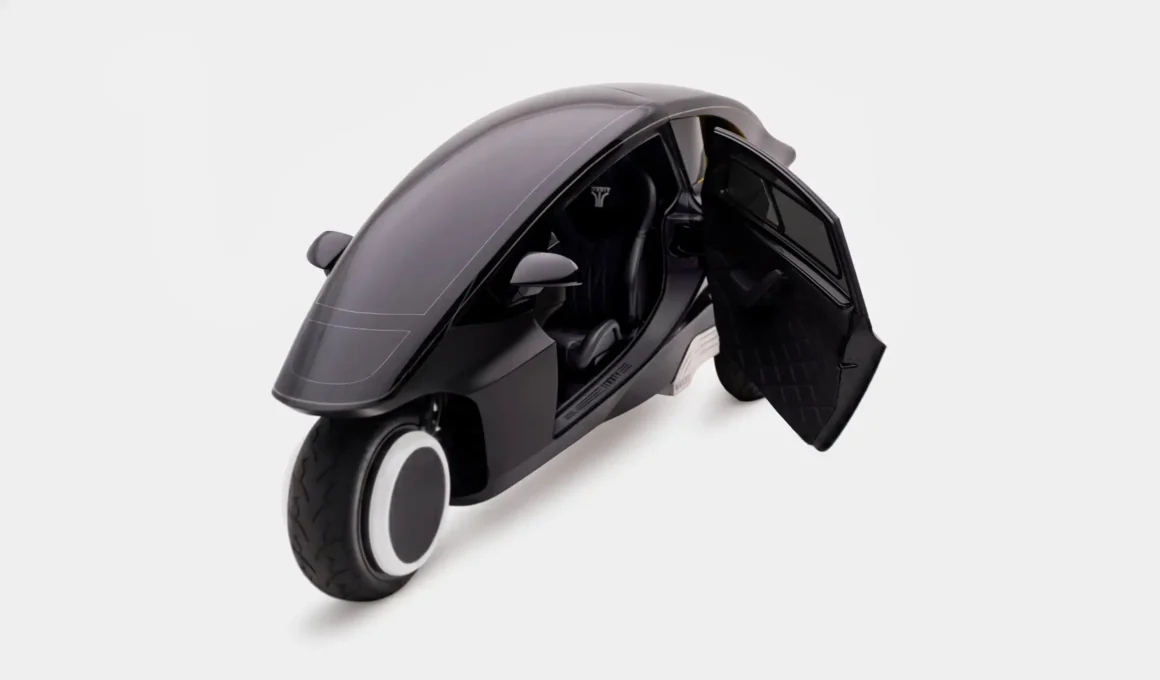
The evolution of urban movement is no longer defined by the expansion of infrastructure, but by the refinement of the individual vessel. As global metropolises grapple with the limits of physical space, the traditional automotive archetype is being dismantled in favor of more surgical, intelligent solutions. Trinity—the new venture led by tech-innovator will.i.am—represents this shift, positioning itself not as a car in the conventional sense, but as a “brain on wheels.” It is a response to a world where the luxury of a four-door sedan has become a liability in the high-density flow of the modern megacity.
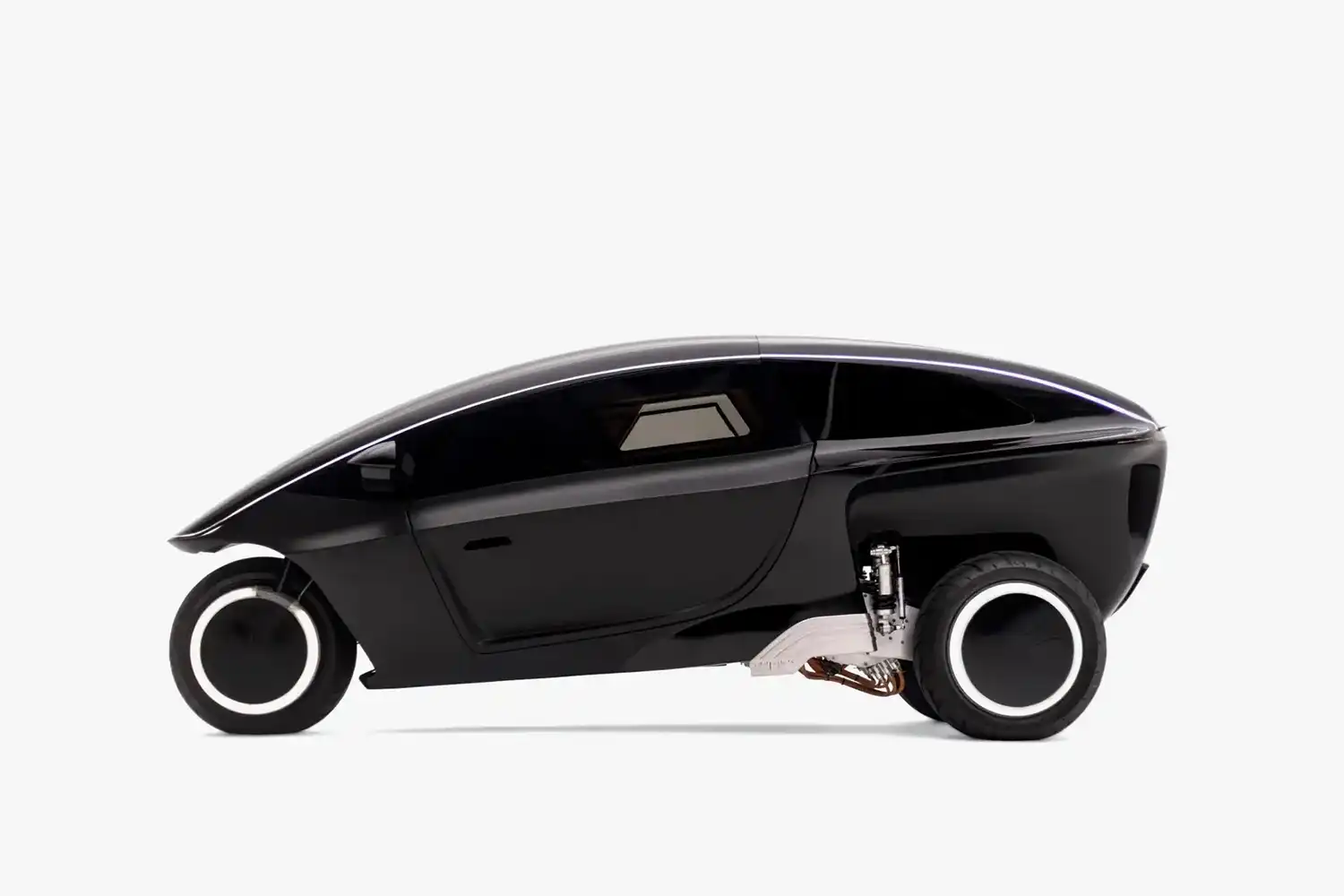
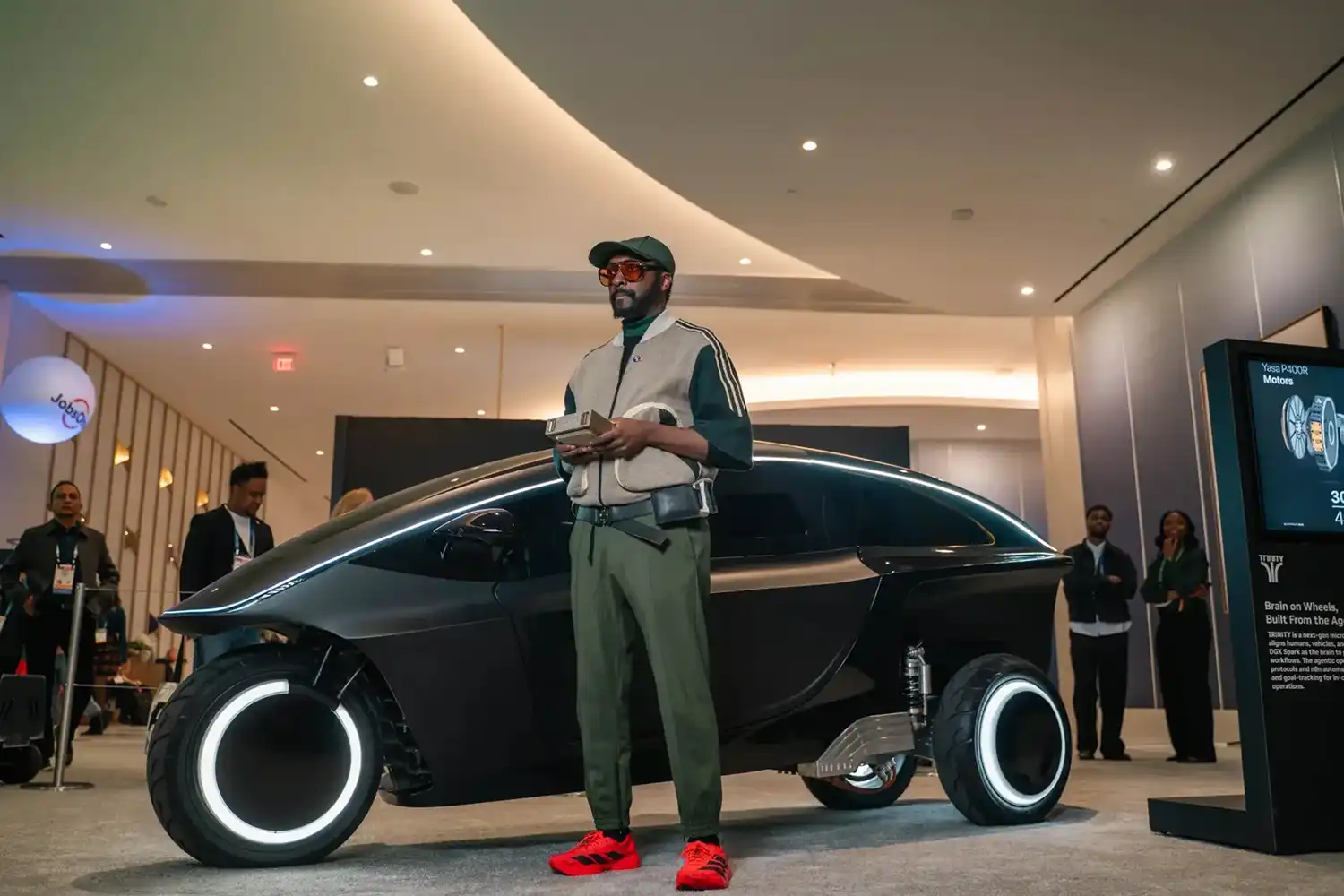
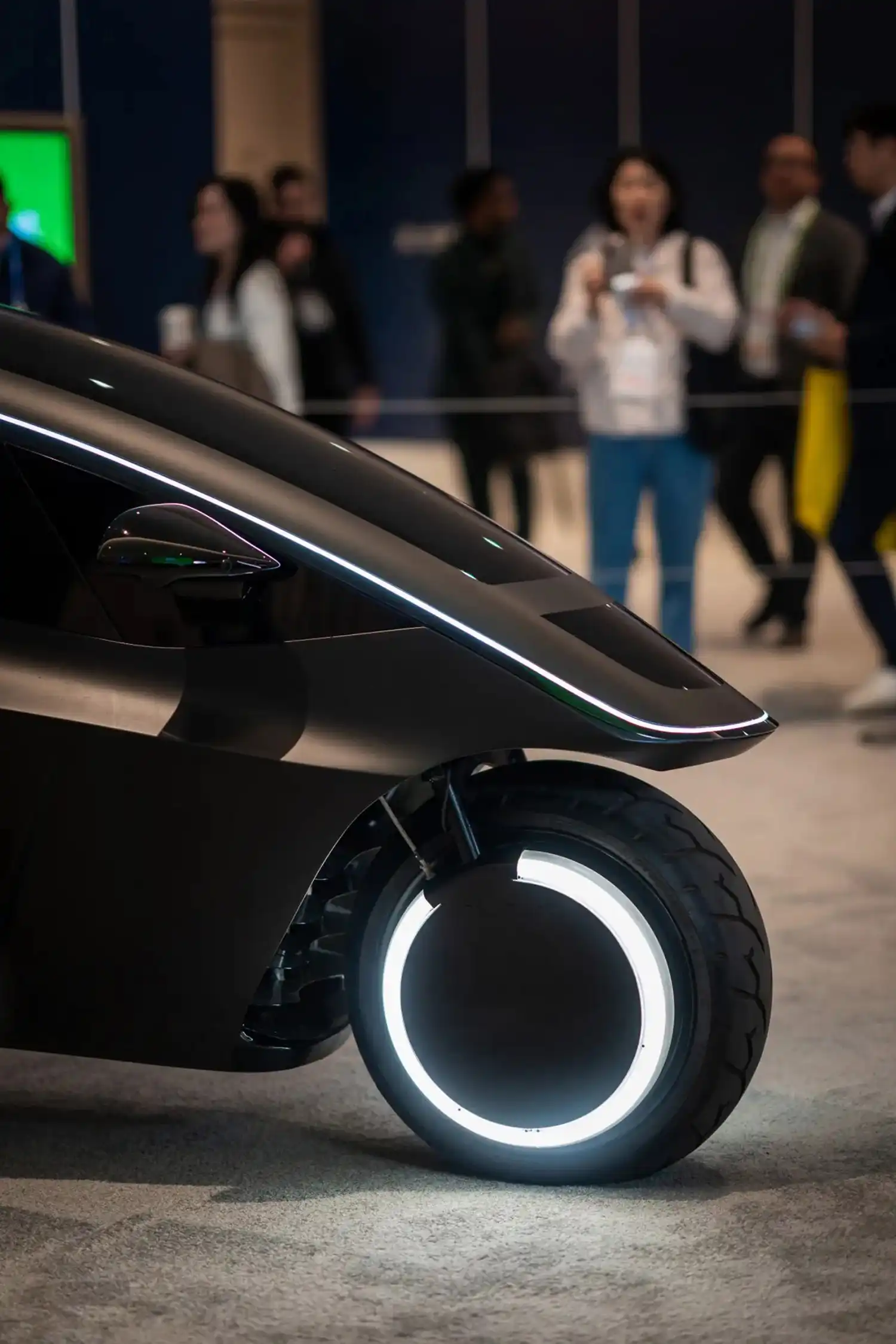
A sanctuary for the solo navigator, the vehicle’s conceptual core rests on the idea that personal space is the most precious commodity in a crowded environment. By adopting a specialized three-wheel configuration, Trinity occupies the “in-between” space of the transport hierarchy—more protective than a bicycle, yet more agile than a traditional electric vehicle (EV). This layout allows for a narrow, aerodynamic profile that slices through traffic with a grace that four-wheeled counterparts lack. It transforms the daily commute from a navigational struggle into a curated, private ritual, emphasizing that individual mobility is becoming a tool for cognitive preservation.
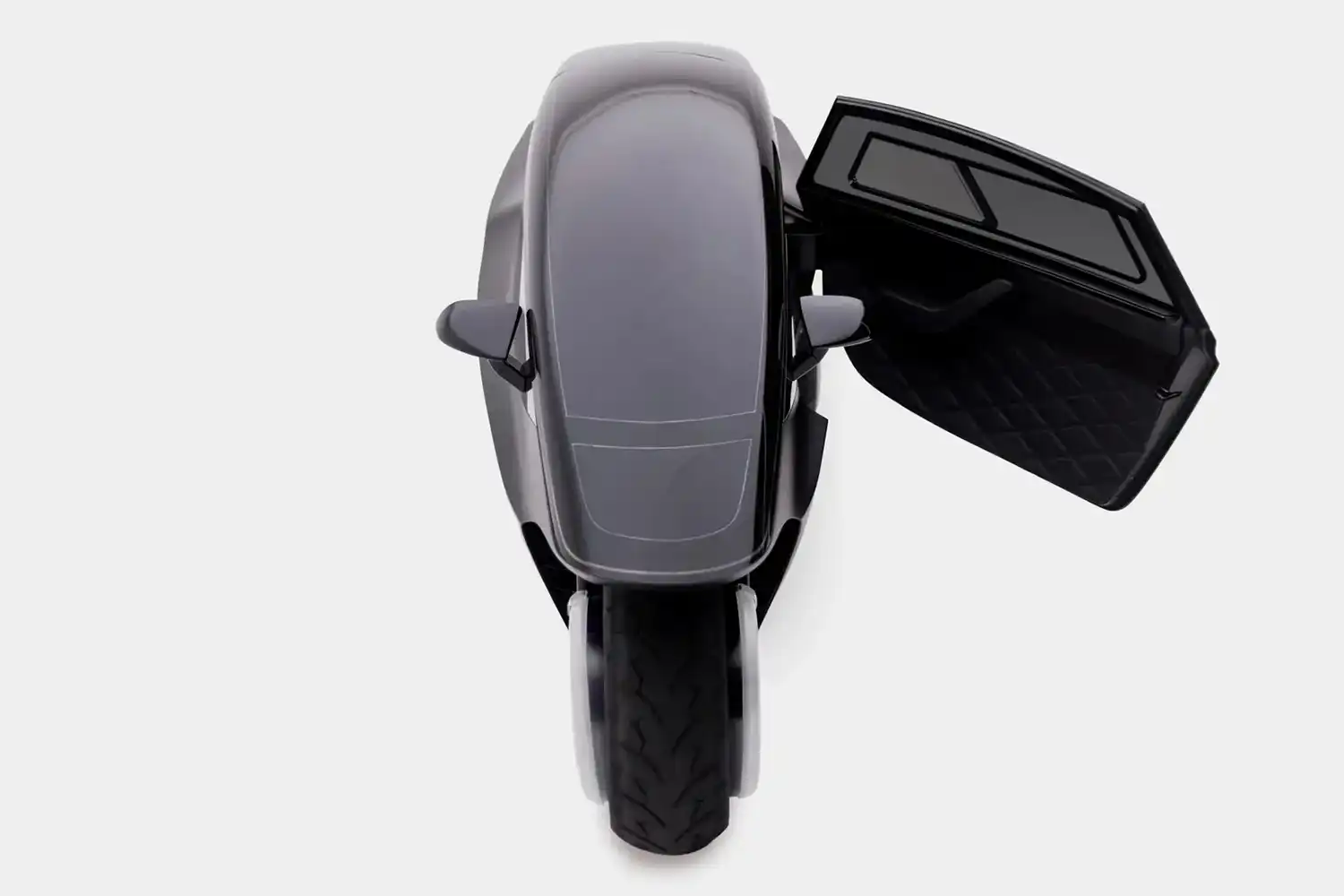
The synthesis of hardware and intelligence is where Trinity truly diverges from the micromobility status quo. The vehicle is designed as a living sensor, utilizing an integrated AI system that acts as a digital co-pilot. This isn’t merely about automation; it is about harmony. The AI manages energy efficiency while tailoring the ride dynamics to the specific pulse of the urban fabric. From its lightweight chassis to its vertical-lifting doors—designed specifically for the high-pressure parking constraints of dense urban centers—every technical decision serves the goal of minimizing friction between the user and the environment.
An immersive sensory landscape awaits within the cabin, where the boundaries between a high-end tech suite and a luxury lounge are blurred. The interior is conceived as a mobile cocoon, meticulously insulated to create a vacuum of silence amidst the chaotic hum of the street. Inside, the occupant is enveloped in high-fidelity acoustics and a minimalist interface that prioritizes mental clarity. It is a sensory experience defined by “digital quietude,” allowing the driver to process the city’s visual complexity without being overwhelmed by its auditory clutter.
This transition toward compact opulence reflects a broader movement within the industry that prioritizes technological density over physical mass. The project finds a clear spiritual counterpart in the redefinition of luxury through the Lexus LS Micro Concept, a design study that similarly explores how high-end craftsmanship can be distilled into a smaller, more efficient footprint. Both Trinity and the Lexus concept argue that the future of prestige lies in the ability to navigate congested metropolitan areas with effortless elegance, suggesting that the most sophisticated way to inhabit a city is to occupy it as intelligently as possible.
The broader contextual impact of such vehicles marks the beginning of a new social contract for transit. As the “15-minute city” model becomes the blueprint for future development, the need for oversized, multi-passenger vehicles for solo trips becomes obsolete. Trinity serves as a catalyst for this transition, proving that sustainable transport does not have to be a compromise. By marrying the agility of micro-transport with the intellectual depth of AI, it offers a glimpse into a future where our movement through the world is as streamlined, private, and intelligent as the devices we carry in our pockets.