

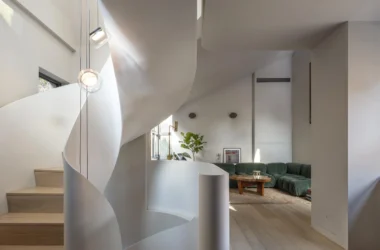
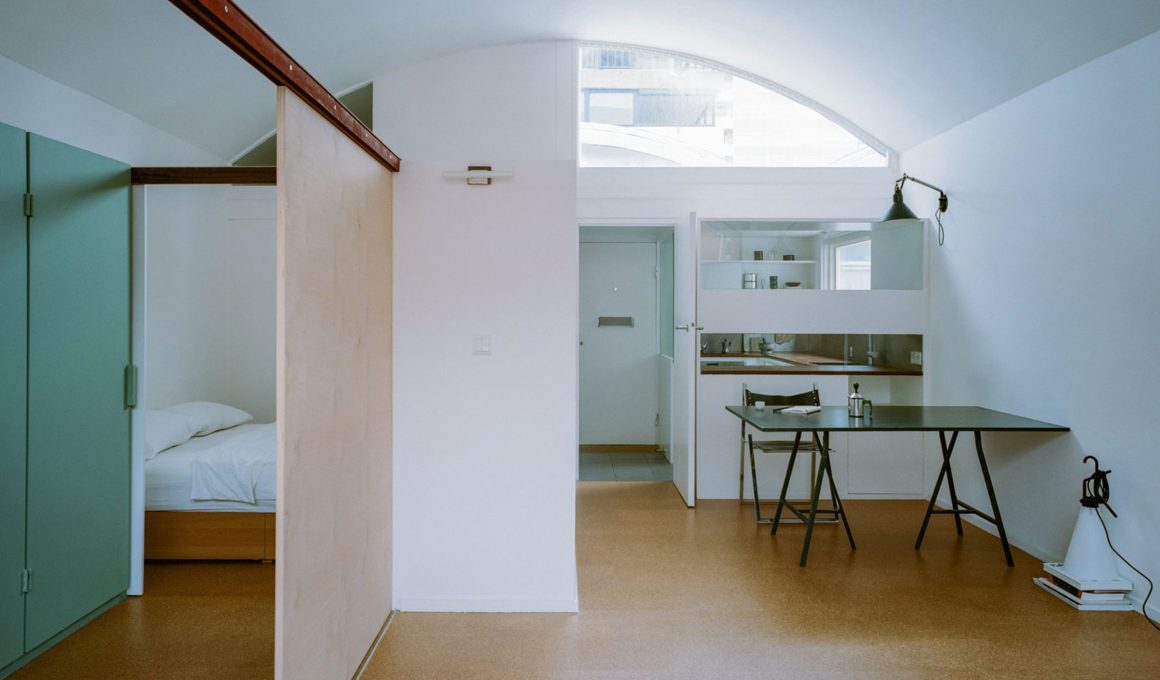
London‘s Golden Lane Estate, a precursor to the iconic Barbican, stands as a testament to the architectural vision of Chamberlin, Powell and Bon. Within this Grade II* listed complex, TYPE has recently completed a sensitive retrofit of a vaulted studio flat in Crescent House, demonstrating how contemporary living can be seamlessly integrated with historic preservation. This project isn’t just about updating a space; it’s about proving that sustainable, affordable retrofits can enhance both comfort and character within even the most historically significant buildings.
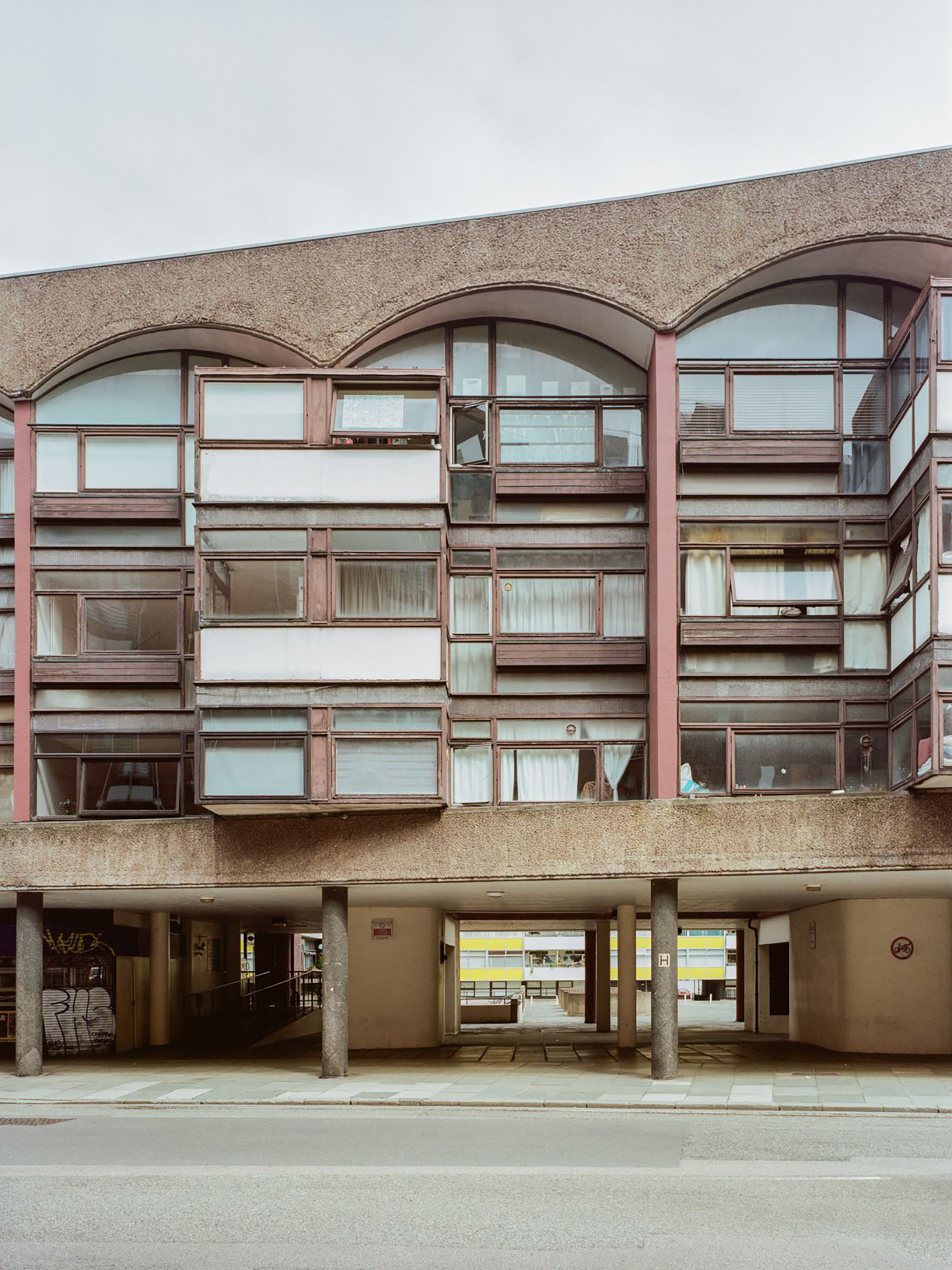
The Crescent House holds a unique place in architectural history. TYPE’s intervention builds upon this legacy, tackling the inherent challenges of renovating a listed 1960s apartment. The project faced three key hurdles: the listed status of the flat and its key components, the building’s inherent lack of insulation and associated damp and condensation problems, and the need to adapt the original three-zone layout (living, dining, and sleeping) to the demands of modern life. Furthermore, the project had to anticipate and complement the local authority’s ongoing window replacement program, a significant factor given the lack of detailed information about the final appearance of the new facades.
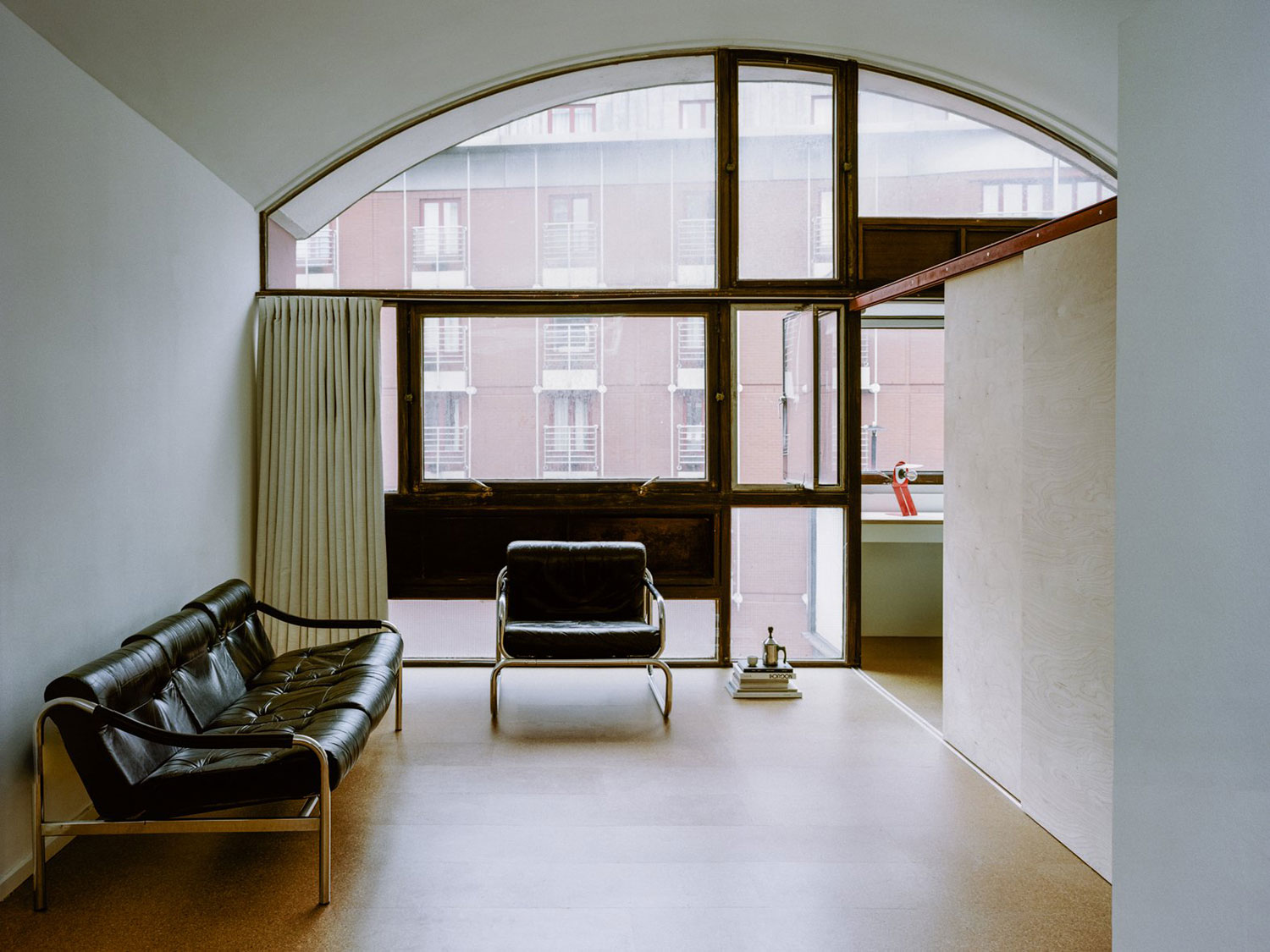
TYPE’s approach prioritized a “fabric first” strategy, focusing on internal insulation for the walls and ceilings to address the building’s thermal performance. Beyond this, the studio’s transformation hinged on a carefully curated palette of simple, affordable, sustainable, and functional materials. This selection speaks to the project’s core philosophy: enhancing the inherent beauty of the space without resorting to expensive or environmentally damaging solutions.
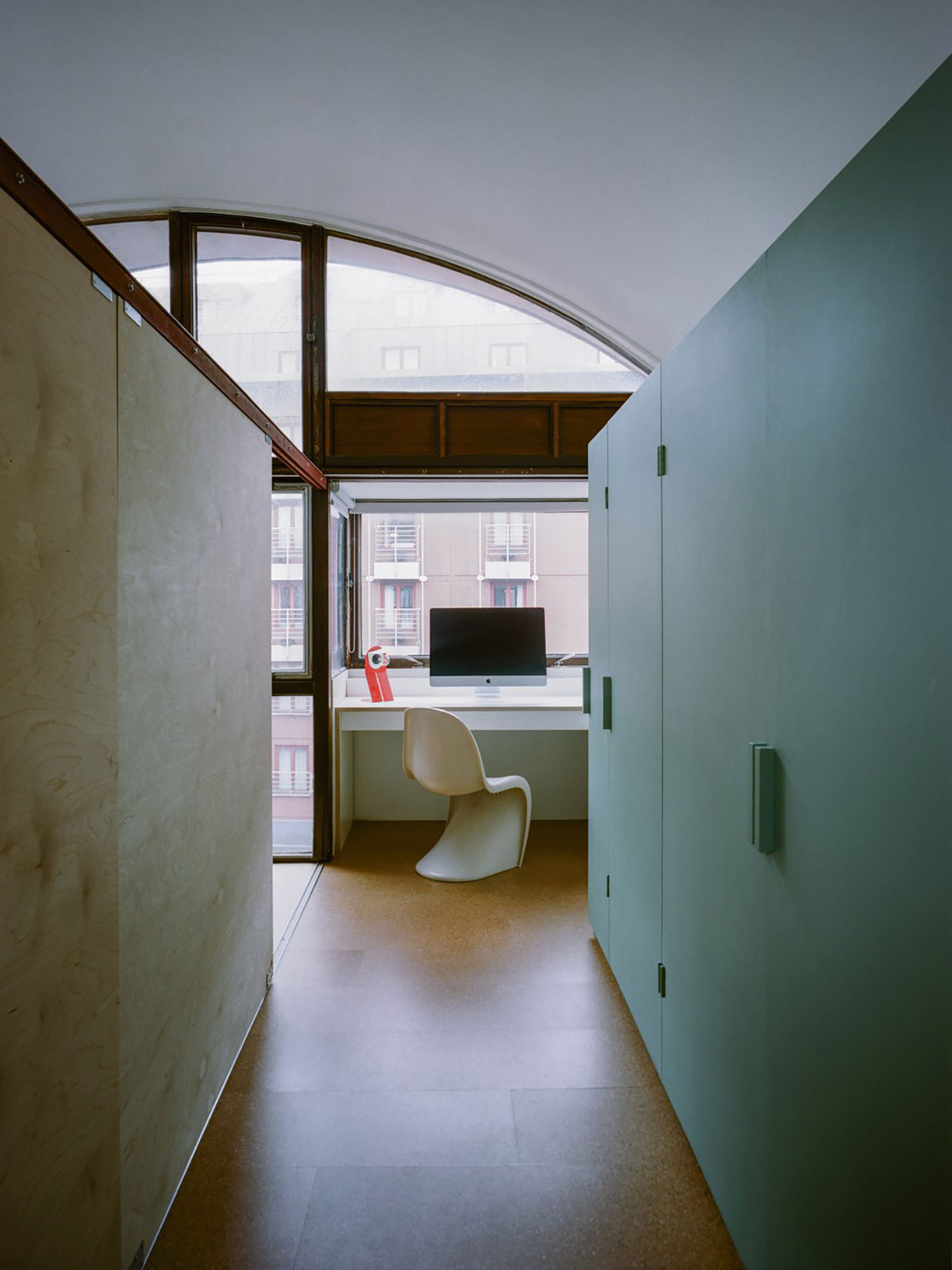
The material choices are both pragmatic and aesthetically pleasing. Cork flooring offers a warm, comfortable surface while also being a sustainable and renewable resource. Painted surfaces provide a clean backdrop, allowing the existing architectural details to shine. Perhaps the most striking feature is the use of honeycomb cardboard for sliding partitions. This innovative application demonstrates the potential of readily available, cost-effective materials to create flexible and visually interesting spaces.
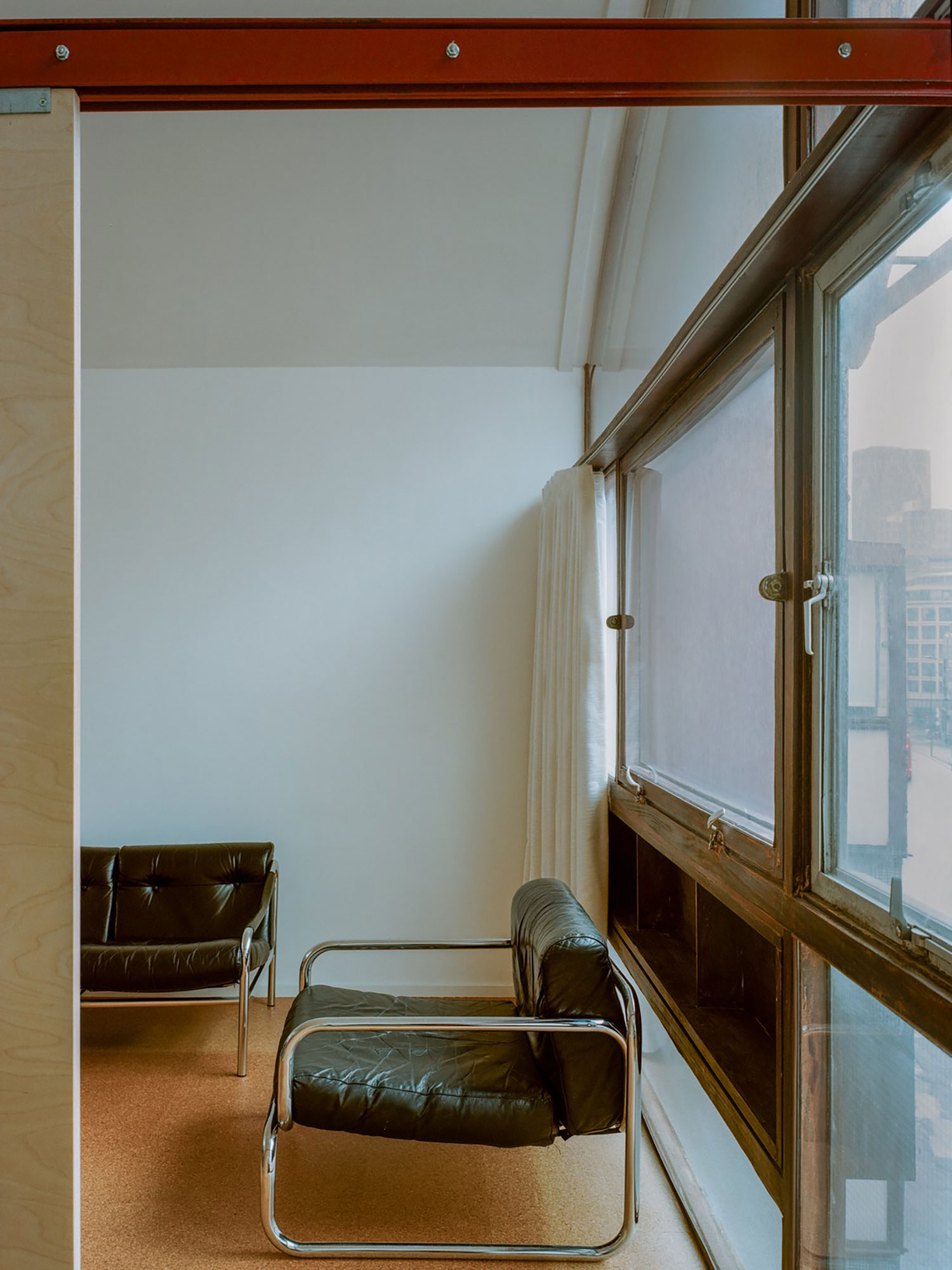
The exposed steel structure, a hallmark of the original design, is celebrated rather than concealed, adding an industrial touch that resonates with the building’s history. Finally, Ecoboard, a sustainable alternative to MDF, is used for the kitchen cabinetry and joinery, further underscoring the project’s commitment to environmentally responsible design.
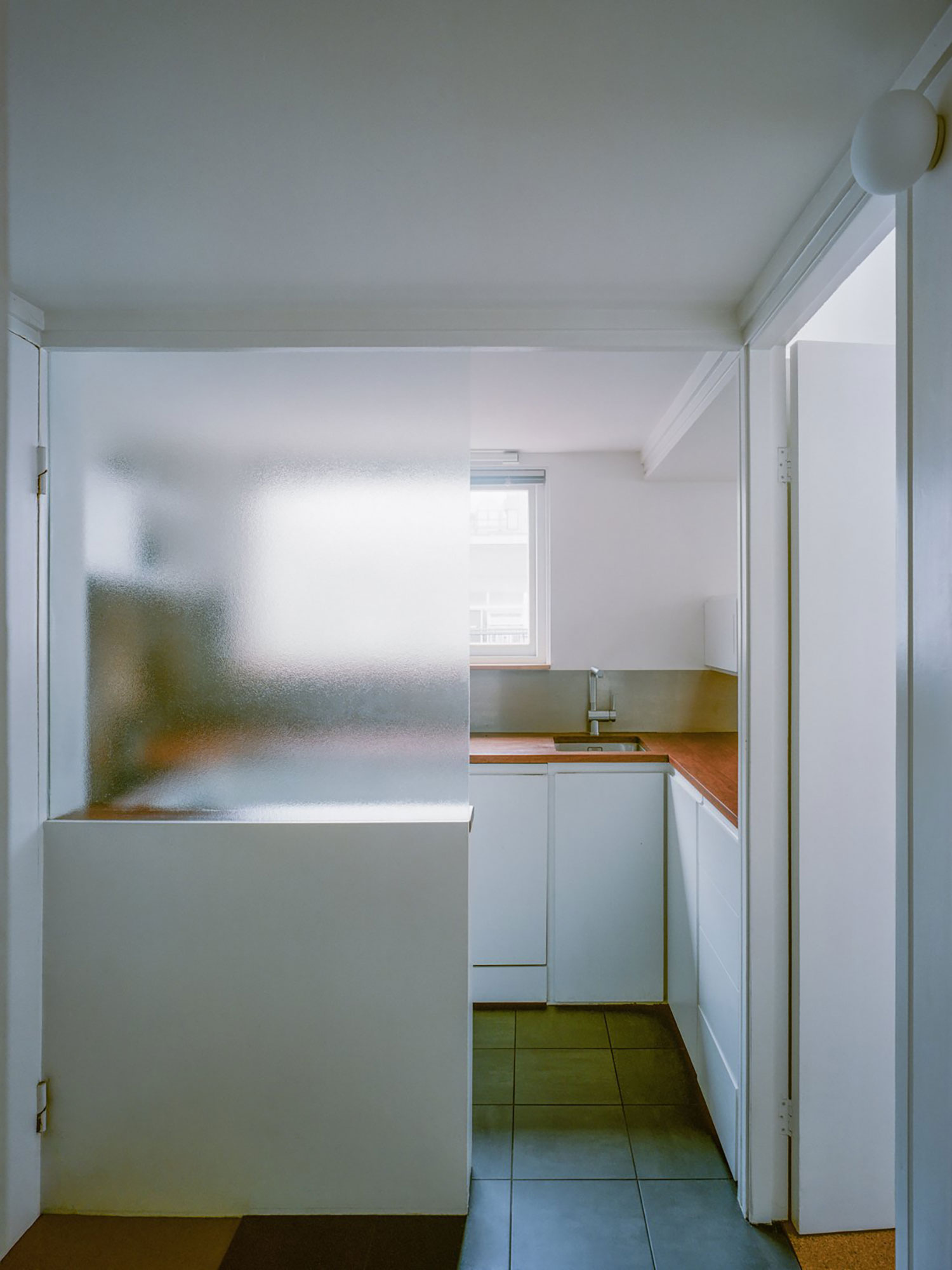
Crucially, the project emphasizes demountability and recyclability, recognizing the constraints imposed by the listed status. This ensures that any interventions can be reversed or adapted in the future, minimizing long-term impact on the historic fabric of the building.
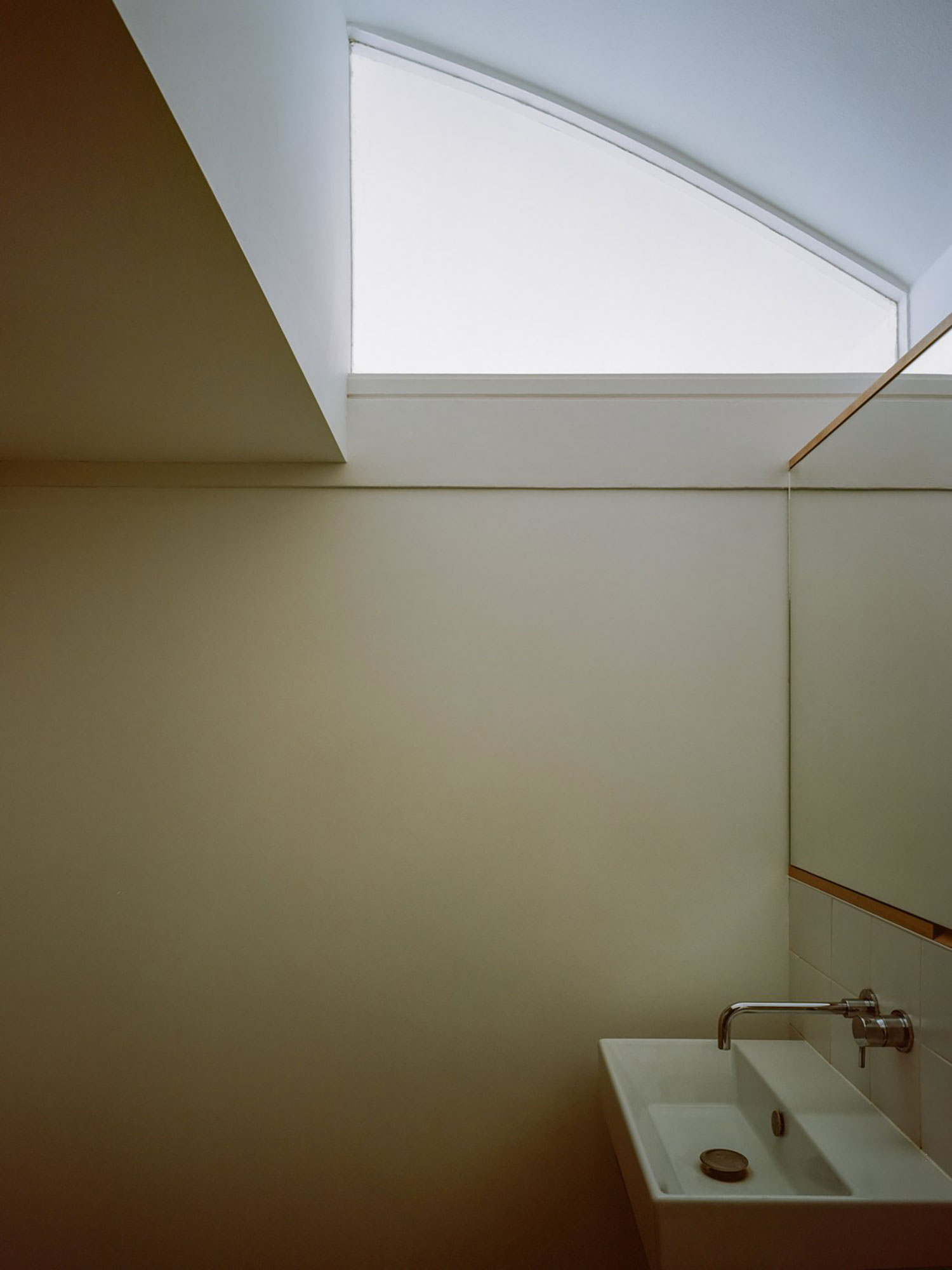
TYPE’s retrofit of this Crescent House studio is a compelling example of how thoughtful design can address the challenges of historic preservation and sustainable renovation. It demonstrates that it’s possible to create comfortable, contemporary living spaces within listed buildings without sacrificing their unique character or breaking the bank. This project offers valuable lessons for architects and homeowners alike, proving that a sensitive and resourceful approach can breathe new life into even the most historically significant structures.