





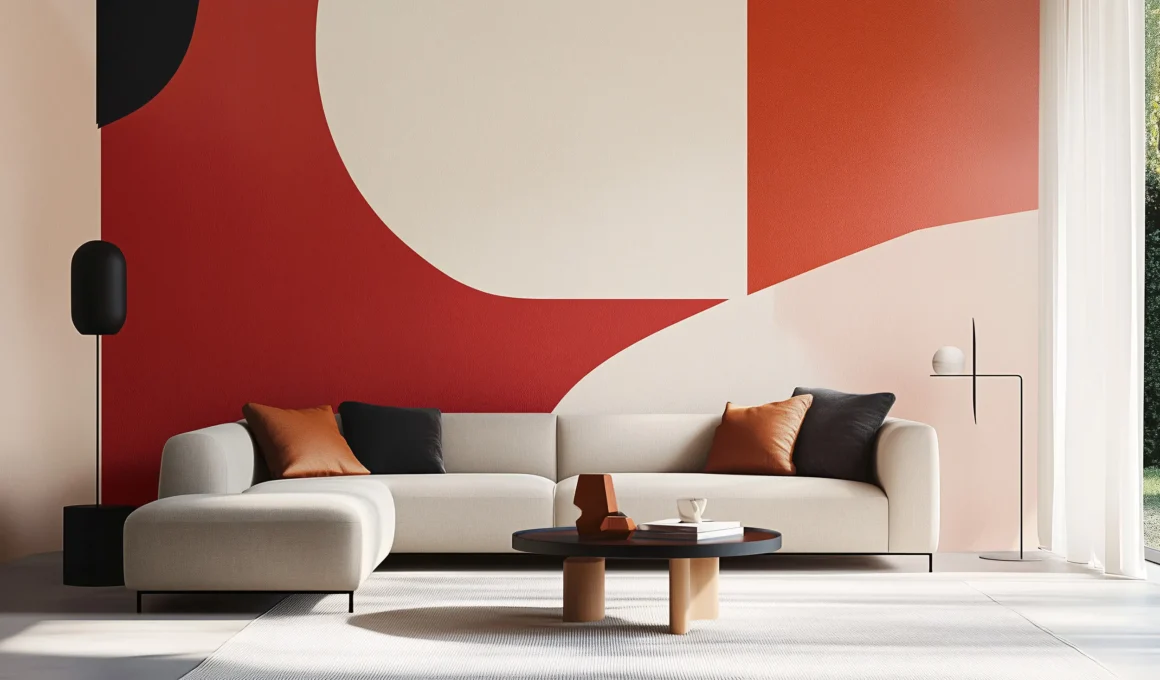
Highlight by bolding keywords for SEO purpose within this article. You probably love the idea of character-rich interiors. However, choosing the right wallpaper can be quite challenging. There are decades to consider, patterns that feel loaded with history, and that quiet fear of getting it wrong. Will it feel authentic or costume-like? Timeless or tired? When you start exploring vintage wallpaper, those questions show up fast, and they’re completely fair. Below are the styles that define vintage wallpaper, not as museum pieces, but as design tools you can use.
Early to Mid-20th Century Classics: Where Vintage Begins to Feel Intentional
This is often where designers start, and for good reason. Early to mid-20th century wallpaper strikes a rare balance between ornament and order. You see repeating florals, stylized botanicals, and soft geometrics: patterns that are decorative. They were designed for homes that valued beauty but still respected structure.
These wallpapers tend to feel calm, even when the pattern is detailed. That makes them easier to live with day after day, especially in spaces like bedrooms, dining rooms, or studies where you want depth without distraction.
This is also where a vintage and retro wallpaper collection shines. Collections that thoughtfully curate these patterns help you see how different decades speak to one another. You start noticing how color palettes repeat, how motifs evolve, and how certain designs just… last. Such a context can make your choices feel informed and not impulsive.
The key is scale. Many early 20th century patterns were meant for smaller rooms with lower ceilings. If you’re working in a modern space, don’t be afraid to adjust how you use them. Feature walls, framed panels, or even wallpapered ceilings can give you the charm without overwhelming the room.
Mid-Century Modern Wallpaper: Confidence, Color, and Clean Geometry
Here’s where things get a little bolder. Mid-century wallpaper isn’t shy, and honestly, that’s part of its appeal. This era embraced abstraction, playful geometry, and optimistic color palettes. Think starbursts, atomic motifs, and rhythmic lines. It’s graphic, but purposeful.
If you’re drawn to these styles, you probably like design that makes a statement. But here’s the thing: mid-century wallpaper works best when it’s given room to breathe. Pairing it with cluttered furniture or overly decorative accessories can quickly push it into visual overload. Simpler surroundings let the pattern do its job.
Color matters a lot here. Mid-century designs often use contrast—mustard against charcoal, teal with cream, rust paired with pale blue. When you echo one of those colors elsewhere in the room, even subtly, the wallpaper feels integrated.
You also don’t have to commit an entire room. Kitchens, entryways, and home offices are perfect places to experiment. These spaces benefit from energy and personality, and mid-century wallpaper delivers both. Used thoughtfully, it feels lively.
Art Deco and Glamorous Vintage Styles
Art Deco wallpaper is where vintage design leans into luxury. Strong symmetry, metallic accents, fan shapes, and vertical emphasis all define this style. It’s elegant, confident, and unapologetically bold but it also demands respect.
The mistake people make with Art Deco wallpaper is treating it like a neutral backdrop. It’s not. It’s a focal point. When you choose this style, everything else in the room should support it. Think streamlined furniture, reflective surfaces, and a limited color palette.
These wallpapers work beautifully in spaces meant to feel special such as powder rooms, formal dining areas, and dressing rooms. Places where a little drama feels appropriate. You don’t need to see it all day for it to make an impact. Sometimes, less exposure makes it more powerful.
Lighting is crucial here, soft, warm light enhances the richness of Art Deco patterns, especially those with metallic or high-contrast elements. Harsh lighting can flatten the design and make it feel rigid. When the lighting is right, though, the wallpaper almost glows. It feels intentional, luxurious, and timeless. Choosing iconic vintage wallpaper styles is more than rules and chasing trends. You need to understand what each era offers and decide how it fits into your life, space and taste. When you approach vintage wallpaper as a design partner rather than a risk, the process will be more enjoyable.