





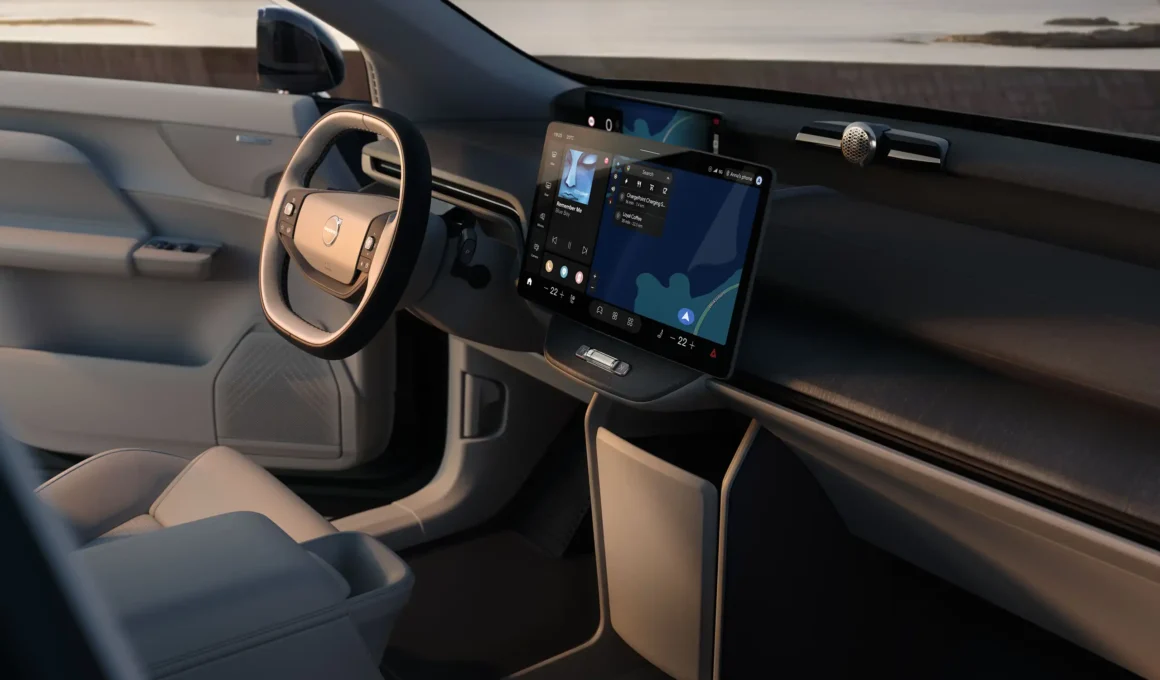
The transition toward emotional mobility marks a pivotal shift in how we perceive the vehicle, moving away from the cold metrics of horsepower toward a more holistic, human-centric experience. With the unveiling of the Volvo EX60, the Swedish automaker isn’t merely entering the mid-size all-electric SUV segment; it is redefining the car as an extension of the modern living space. This new model represents a “new beginning,” as Håkan Samuelsson suggests, where the anxieties of the early electric era—range, charging infrastructure, and price—are replaced by a seamless integration of technology and Scandinavian design. In the heart of Sweden, where the landscape demands both resilience and grace, the EX60 was conceived to offer a calm, refined refuge from the external world.
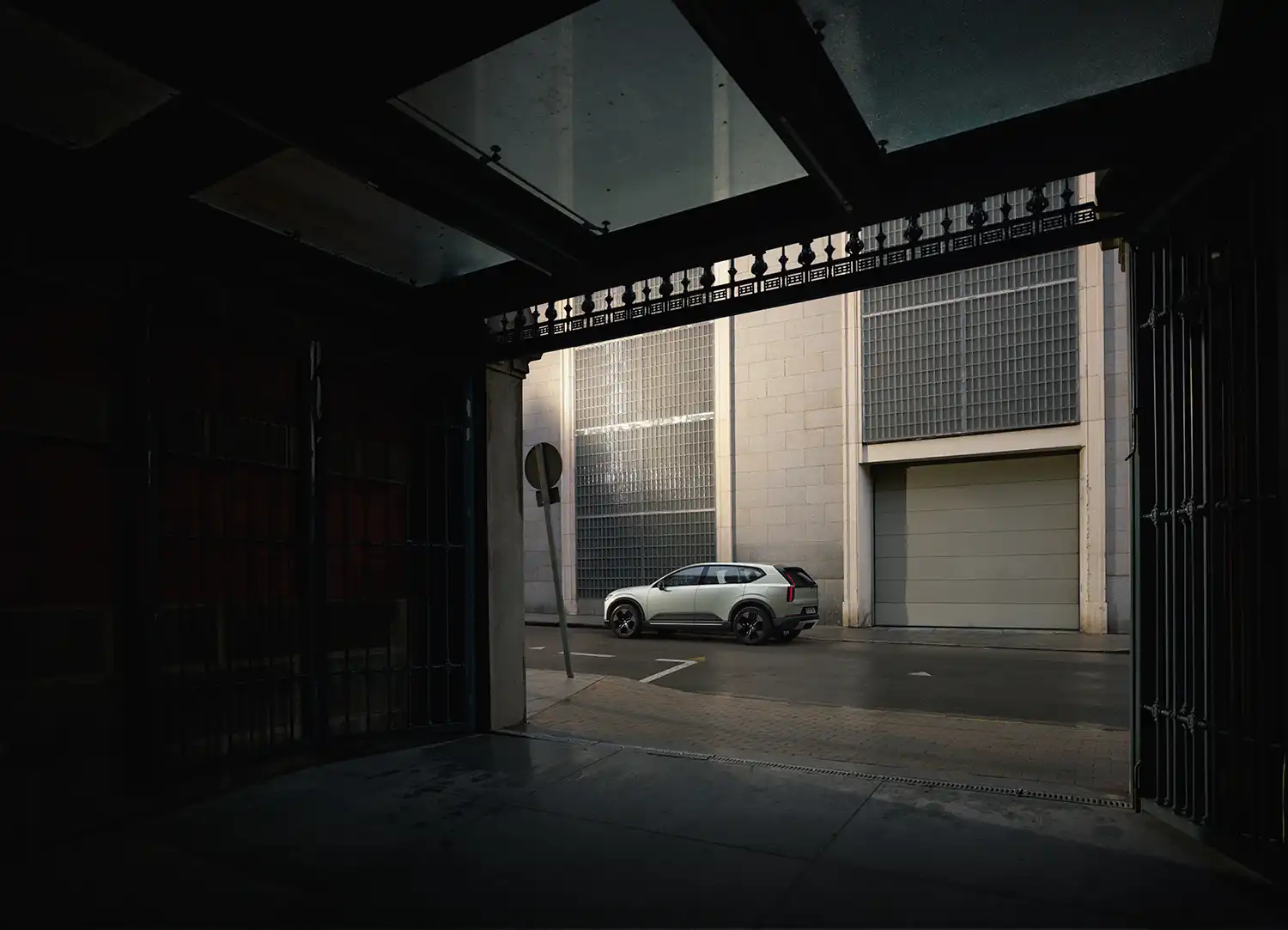
Aerodynamics as a silent sculptor plays a critical role in the vehicle’s silhouette, where every curve serves a functional purpose. The Volvo EX60 features a low front profile and a tapered body that results in a highly competitive drag coefficient of 0.26. This isn’t just an exercise in aesthetics; it is the physical manifestation of efficiency, allowing the P12 AWD variant to achieve a best-in-class range of up to 810 kilometres on a single charge. By merging a sloping roofline with a confident stance, Volvo has created a form that slides through the air with minimal resistance, proving that sustainable mobility can be achieved without sacrificing the visual weight and presence expected of a contemporary SUV.
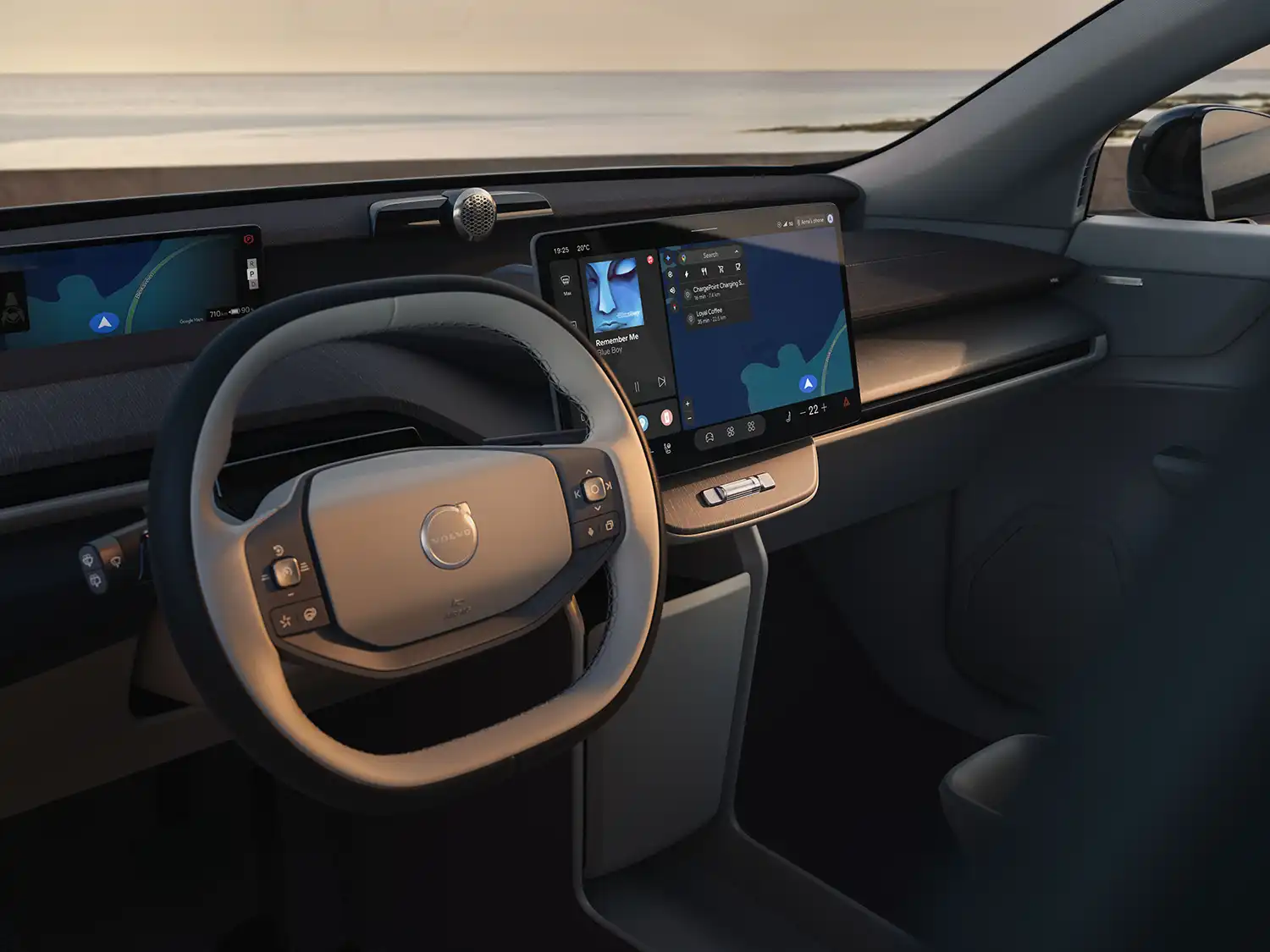
A sanctuary defined by spatial intelligence awaits inside the cabin, where the traditional constraints of internal combustion engineering have been stripped away. Thanks to the new SPA3 architecture and a completely flat floor, the interior feels more like a lounge than a cockpit. Natural, high-end materials are utilized to create a tactile experience that rewards the touch, while smart storage solutions cater to the rhythms of family life. The sensory experience is further elevated by an immersive 28-speaker Bowers & Wilkins audio system, featuring headrest speakers that deliver Spatial Audio via Apple Music. It is a space designed for “range comfort,” where the passage of time is measured not by the miles remaining, but by the quality of the atmosphere.
The integration of digital humanism is perhaps most evident in the vehicle’s interface. The EX60 is the first Volvo to launch with Gemini, Google’s AI assistant, allowing for natural, conversational interactions that bypass the need for rigid voice commands. This fluidity is powered by HuginCore, a sophisticated system-on-a-chip that ensures the infotainment experience is as responsive as a high-end smartphone. Volvo’s dedication to clarity isn’t new; it is a philosophy embedded in their DNA, much like the development of the Volvo Centum safety font, which prioritizes human cognition and visual precision to ensure that information is communicated with absolute legibility. This commitment to the user experience (UX) ensures that technology serves the passenger, rather than overwhelming them.
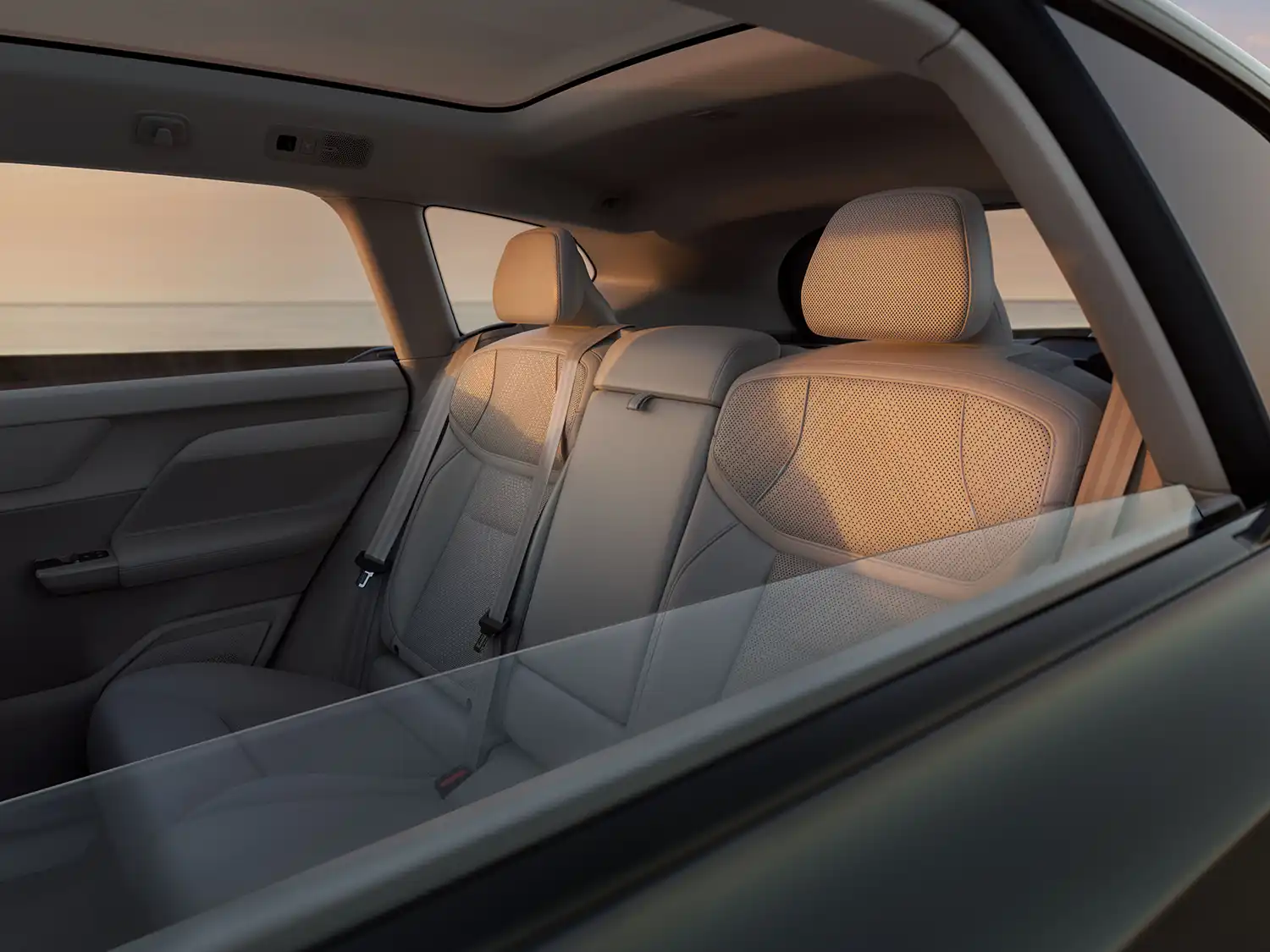
Engineering for a circular future has led to the adoption of groundbreaking manufacturing techniques like mega casting and cell-to-body technology. By integrating the battery cells directly into the vehicle structure, Volvo has reduced weight and increased structural rigidity, all while achieving the lowest carbon footprint of any large vehicle in their fleet. This holistic approach to sustainability extends from the factory in Gothenburg to the driveway of the consumer. In Sweden, the initial rollout even includes three years of free home charging, a move aimed at harmonizing the relationship between the vehicle, the home, and the energy grid.
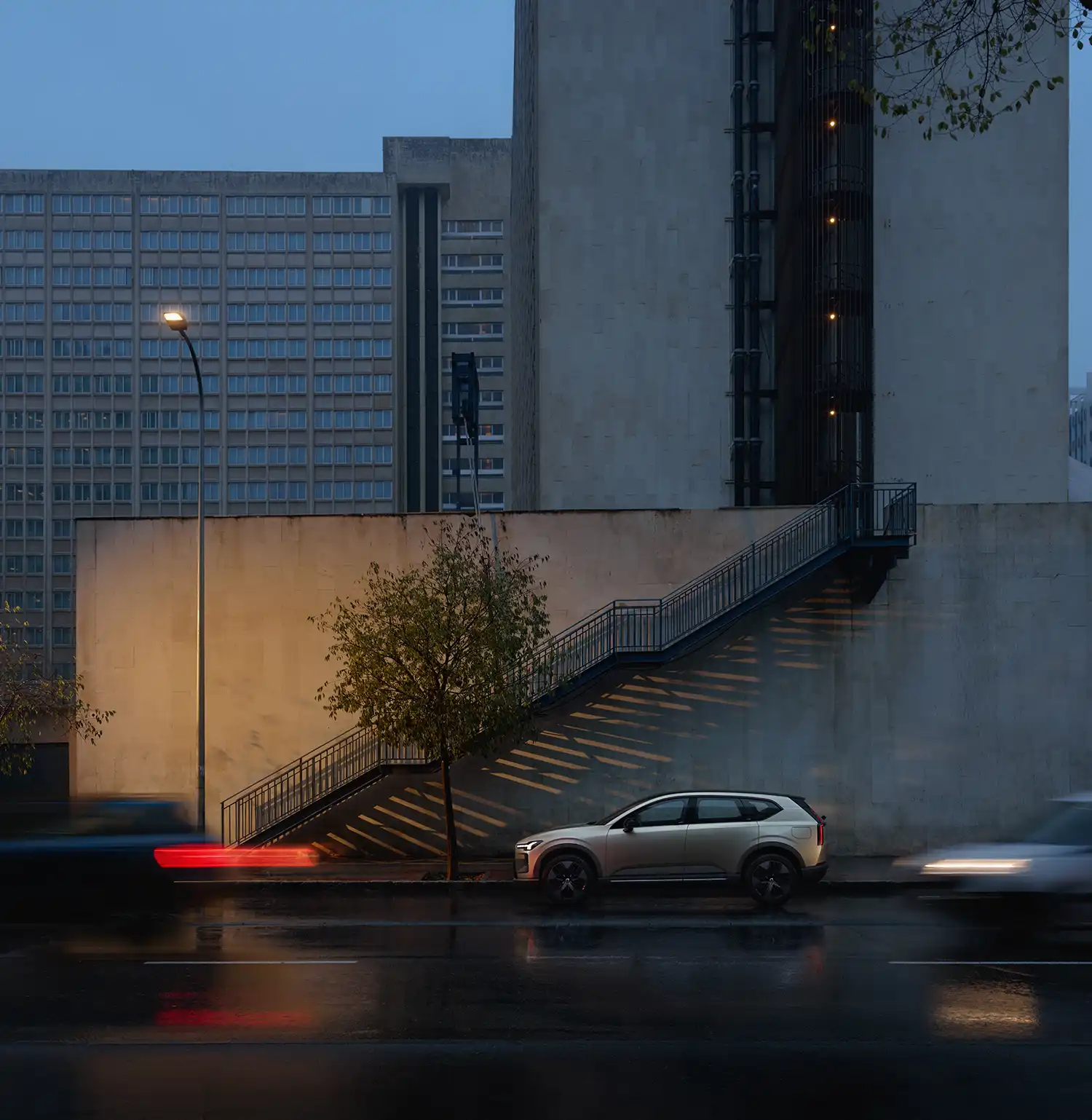
A new paradigm for the global landscape emerges as the EX60 prepares for its international debut. With production starting this spring and deliveries reaching European markets by summer, followed by the United States in late spring, the EX60 is positioned as a catalyst for widespread electric adoption. It bridges the gap between the utilitarian needs of a family car and the sophisticated demands of modern design enthusiasts. By focusing on the “sensory experience” of travel—the silence of the drive, the clarity of the interface, and the safety of the occupants—Volvo has crafted more than just a car; they have designed a blueprint for the future of human-centric transportation.