





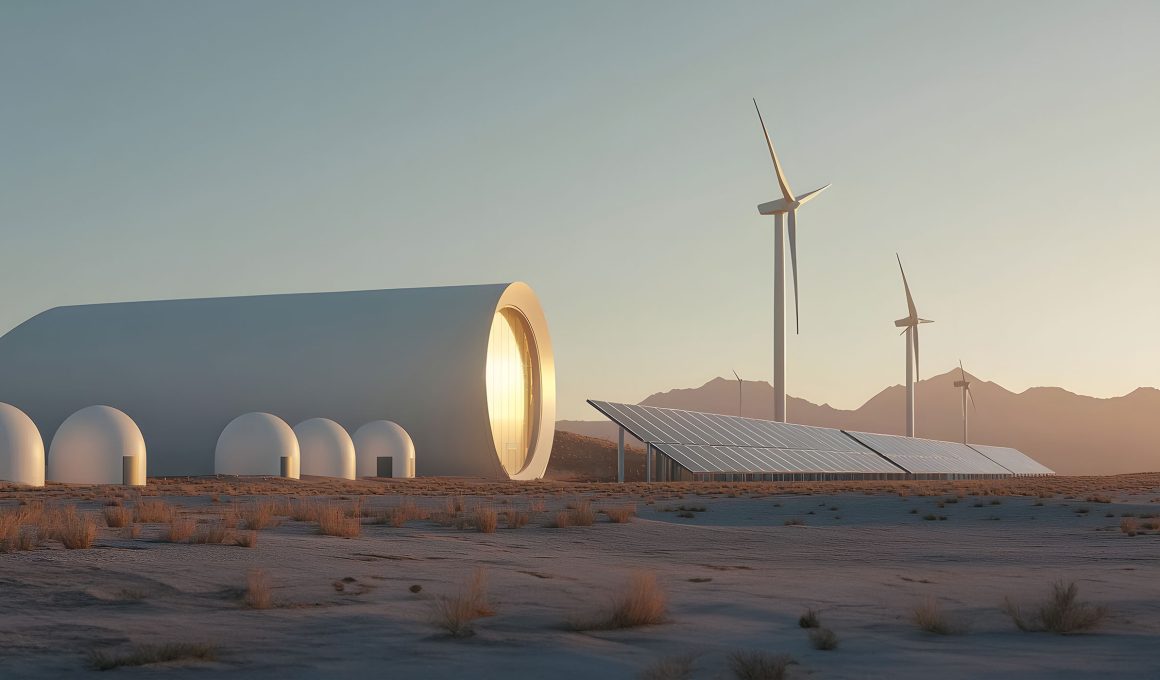
As the world accelerates its transition towards renewable energy, wind power has emerged as one of the most efficient, clean, and sustainable sources of electricity. With global energy demands rising and climate change concerns intensifying, wind energy provides a cost-effective and scalable solution to reduce reliance on fossil fuels. Unlike conventional power sources, wind energy produces zero emissions, requires minimal water consumption, and has an increasingly low levelised cost of electricity (LCOE).
However, maintaining optimal efficiency and longevity in wind turbines presents ongoing challenges. Innovations in materials, AI-driven maintenance, and precision torque tools are revolutionising the industry, ensuring wind farms operate at peak performance while minimising downtime and maintenance costs.
Why Wind Energy is One of the Best Renewable Sources
Wind power stands out among renewable energy options due to its high efficiency, low environmental impact, and scalability. Some key advantages include:
- Zero Carbon Emissions – Wind turbines generate electricity without producing greenhouse gases, contributing significantly to global carbon reduction targets.
- Abundant and Renewable – Unlike fossil fuels, wind energy is inexhaustible and available in nearly every region, providing energy security.
- Low Operating Costs – Once installed, wind farms have minimal fuel costs, making them economically competitive.
- Energy Efficiency – Modern wind turbines can convert 50-60% of kinetic wind energy into electricity, compared to coal-fired power plants, which typically operate at 35-40% efficiency.
- Scalability – Wind energy can be harnessed from small-scale onshore farms to large offshore wind projects, adapting to different energy needs.
With these benefits, the focus now shifts to enhancing efficiency and longevity through cutting-edge innovations.
Advancements in Wind Energy Technology
1. The Role of Advanced Materials in Wind Turbine Efficiency
Materials science plays a crucial role in extending the lifespan and improving the energy output of wind turbines. Recent innovations include:
- Lightweight carbon fibre composites that reduce blade weight while increasing durability
- Aerodynamic blade designs that maximise energy capture
- Self-healing coatings that repair minor damages caused by environmental stressors
By incorporating stronger, lighter materials, modern wind turbines can achieve higher efficiency with reduced maintenance needs.
2. AI-Driven Predictive Maintenance for Wind Farms
Artificial intelligence (AI) and machine learning are transforming the maintenance strategies of wind farms. Traditionally, maintenance has been reactive, addressing issues after failures occur. Today, AI-powered systems can:
- Monitor real-time performance to detect potential faults before they escalate
- Optimise blade angles and turbine speed to maximise energy production
- Predict mechanical wear and component lifespan, reducing unplanned downtime
By leveraging AI-driven predictive analytics, wind farm operators can cut maintenance costs by up to 30% while significantly increasing turbine availability.
3. Precision Torque Tools: The Key to Wind Turbine Longevity
One of the most overlooked yet critical aspects of wind turbine efficiency is precision torque application. The assembly and maintenance of turbines require accurate fastening to ensure:
- Structural stability under high wind loads
- Minimised mechanical wear and tear
- Reduced risk of component failure
According to Crane Electronics, improper torque settings in wind turbine bolts can reduce operational lifespan by 20%, leading to increased maintenance costs and unexpected failures. Proper torque control helps ensure consistent energy output and maximises durability, particularly in offshore wind farms, where access for repairs is limited.
Optimising Wind Farm Operations with Effective Torque Control
Effective torque control strategies can significantly improve wind farm performance. Some best practices include:
- Standardised Torque Procedures – Implementing precise torque measurement protocols to ensure uniform fastener tightening across all turbines.
- Digital Torque Monitoring – Using smart torque tools that record and analyse torque application in real time, preventing over-tightening or under-tightening.
- Regular Inspection & Calibration – Conducting routine torque checks to maintain structural integrity and avoid unplanned maintenance.
By integrating these strategies, wind farm operators can increase turbine lifespan, enhance safety, and maintain optimal efficiency.
The Future of Wind Energy: Looking Ahead
The wind energy industry is on a trajectory of continuous growth and innovation. With technological advancements improving turbine design, maintenance efficiency, and energy conversion rates, wind power is set to become even more cost-effective and widespread.
Future developments may include:
- Next-generation offshore turbines with floating foundations for deeper waters
- Energy storage integration to counter wind variability
- Automated drone inspections for faster and safer maintenance
With global commitments to net-zero emissions, wind energy will remain a cornerstone of sustainable electricity generation. By embracing innovations such as AI-driven predictive maintenance, advanced materials, and precision torque tools, the industry can ensure maximum efficiency, lower costs, and long-term reliability.
Wind power is one of the cleanest, most efficient, and scalable renewable energy sources available today. To fully harness its potential, the industry must continue investing in cutting-edge materials, predictive maintenance, and precision torque control. By implementing these innovations, wind farms can operate at peak efficiency, reducing maintenance costs and ensuring a sustainable future powered by wind energy.