





As we move through 2026, the conversation surrounding technology is shifting from simple screen-time limits to a more sophisticated understanding of biological engagement. This shift is driven by a new Nature Portfolio study involving over 50,000 children, which has cast a spotlight on a critical tipping point: when daily screen use exceeds four hours, the risk of developing ADHD, anxiety, and depression spikes significantly. For developers and parents, this data suggests that the attention economy has hit a biological wall, requiring a new approach to how we build the digital and physical environments where the next generation grows.
The extensive dataset reveals a clear correlation between sedentary digital habits and clinical outcomes. Specifically, the research shows that excessive screen time increases the likelihood of depression by 61% and anxiety by 45% among minors. However, the most actionable takeaway isn’t just the presence of the screen, but what the screen replaces. Physical activity emerges as the most powerful protective factor, accounting for nearly 40% of the relationship between digital use and mental health. Tech innovators are beginning to recognize that “sticky” UI might be a liability if it disrupts the 60 minutes of daily movement required for healthy neurodevelopment.
Ethical UX and ‘Active Design’ are becoming the new industry standards for digital wellness. Instead of designing for frictionless consumption, a new wave of software engineers is experimenting with “Ethical Friction”—intentional pauses or movement-based unlocks that encourage kids to disconnect. This aligns with the growing need for digital wellbeing APIs that prioritize sleep hygiene over late-night engagement. By integrating features that recognize irregular bedtimes—which the study identifies as being responsible for nearly 24% of the link to mental health issues—the tech industry can move from being a source of disruption to a partner in behavioral health.

The medical landscape is also pivoting toward non-pharmacological interventions as alternatives to traditional treatment. With increasing scrutiny regarding the risks associated with prescribing SSRIs to children, including the well-documented FDA black box warnings, there is a massive push for tech-driven medical alternatives. While clinicians from Flow Neuroscience highlight that current FDA-approved brain stimulation tools (tDCS) are largely reserved for adults, an increasing amount of research supports that such technologies as tDCS are safe for pediatric use in controlled settings. This transition toward non-invasive technology offers a gap-filling solution for families wary of the trial-and-error pathways of early-age antidepressants.
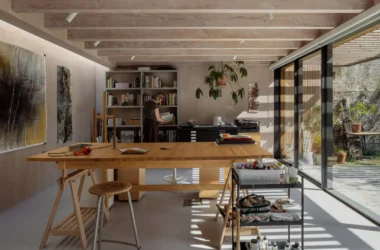
Spatial layouts and interior aesthetics are proving to be as vital as the apps themselves in managing pediatric stress. From an environmental perspective, we must look at how neuroarchitecture and interior strategies to boost serotonin can mitigate the effects of SAD or general anxiety. Designing “Active Zones” within the home that prioritize natural light and tactile engagement can counteract the sedentary nature of digital consumption. Since a minority of children currently meet physical activity guidelines, the design of our living spaces must become more intentional about facilitating movement and consistent routines.
Reframing youth mental health as a preventable behavioral challenge empowers creators to reclaim the narrative.The data from 2026 makes it clear: the issue isn’t just the existence of the screen, but the erosion of movement and sleep. By viewing the digital habits of the youth through the lens of modifiable habits, we move away from a culture of over-prescription and toward a culture of proactive creation. Whether through UX friction, circadian lighting, or active architectural interventions, the goal remains the same—creating a balanced ecosystem where technology serves human biology rather than overriding it.