

The global real estate landscape has undergone a profound transformation over the last few years, moving away from speculative volume toward a more nuanced, quality-driven approach. In Southeast Asia, the decision to Invest in Bali Real Estate remains at the heart of this evolution. As we move through 2026, the island is no longer just a destination for transient tourism; it has matured into a sophisticated hub for “Legacy Assets”—properties where environmental integration and local identity dictate long-term market value.
For investors, the narrative has shifted. The era of the “fast-flip” in overcrowded hubs like Canggu or Seminyak is being replaced by a more considered movement toward the island’s outskirts and the Pererenan-Seseh corridor. Here, the focus is on a new tropical vernacular: a synergy between modern structural demands and traditional Balinese spatial philosophy.
The Value of Sustainable Assets
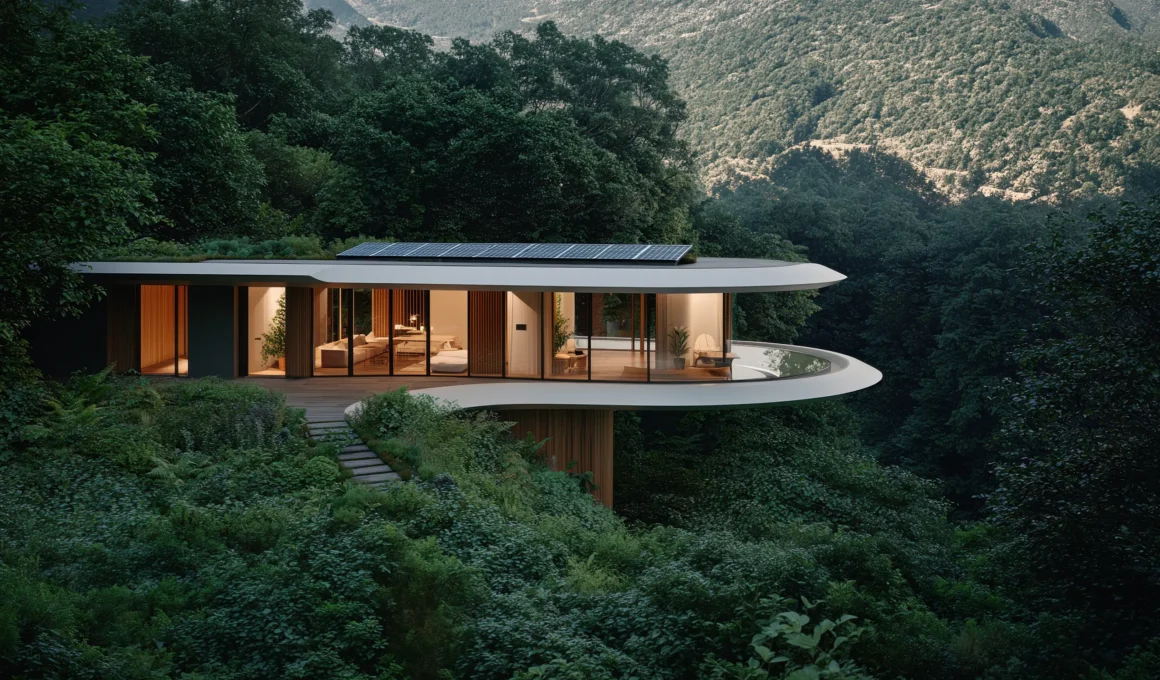
In the current market, the yield of a luxury villa in Bali is increasingly tied to its bioclimatic performance. High-end renters and buyers in 2026 are prioritizing homes that breathe. We are seeing a departure from the “glass box” aesthetic—which often requires excessive cooling—in favor of wide eaves, natural cross-ventilation, and the use of reclaimed ironwood and volcanic stone.
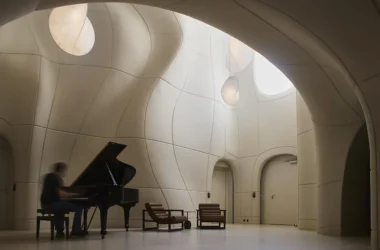
This shift isn’t merely aesthetic; it is a financial strategy. Properties that successfully incorporate sustainable water management systems and passive solar cooling are seeing higher occupancy rates. This trend is mirrored in commercial landmarks as well, such as the Dome Restaurant by OMA, which demonstrates how world-class firms are rethinking Balinese spaces through geometry and environmental context. Investors are recognizing that the true luxury of the 2020s lies in this seamless transition between indoor and outdoor living.
A Multi-Destination Strategy
As the Bali real estate market matures, the profile of the typical investor is also changing. We are seeing a rise in “lifestyle portfolio diversification.” Sophisticated buyers are no longer tethered to a single geography; instead, they are looking to capture different facets of the Southeast Asian growth story.
While Bali offers a unique blend of cultural immersion and organic growth, many are balancing these holdings with mature markets that offer a different logistical profile. For instance, the interest in Real Estate in Phuket remains a cornerstone for those seeking established infrastructure alongside high-end hospitality services. Phuket’s market often acts as a complementary pillar to Bali’s more artisanal approach, providing a diverse risk-reward ratio within a single regional investment strategy.
Emerging Hotspots and Land Scarcity
The 2026 data indicates a significant northern and western push. Areas like Kedungu and the hills of Tabanan are becoming the new frontiers for bespoke residential projects. In queste regioni, la scarsità di terra sta guidando una filosofia del “less is more”. Rather than maximizing the footprint, developers are choosing to preserve the natural topography, creating villas that appear to emerge from the rice terraces rather than imposing upon them.
This sensitivity to the land is what currently defines the “Bali Premium.” A property that respects the skyline and the local community’s irrigation rituals (Subak) inherently holds a higher resale value. The community’s resistance to over-development has turned ethical land use into a high-value commodity for international real estate investors.
The Investor’s Outlook
Investing in Bali today requires a shift in perspective. It is no longer enough to look at square footage or proximity to a beach club. The most resilient investments are those that contribute to the island’s urban fabric while respecting its ecological limits. The rise of branded residences—partnerships between hospitality icons and local builders—has further professionalized the sector, offering buyers a layer of security and service that was rare a decade ago.
The resilience of the Indonesian economy, combined with the “Second Home” visa initiatives, has created a stable bedrock for this growth. As we look toward the latter half of the decade, the properties that will continue to appreciate are those that view the environment not as a backdrop, but as a primary stakeholder in the construction process.