






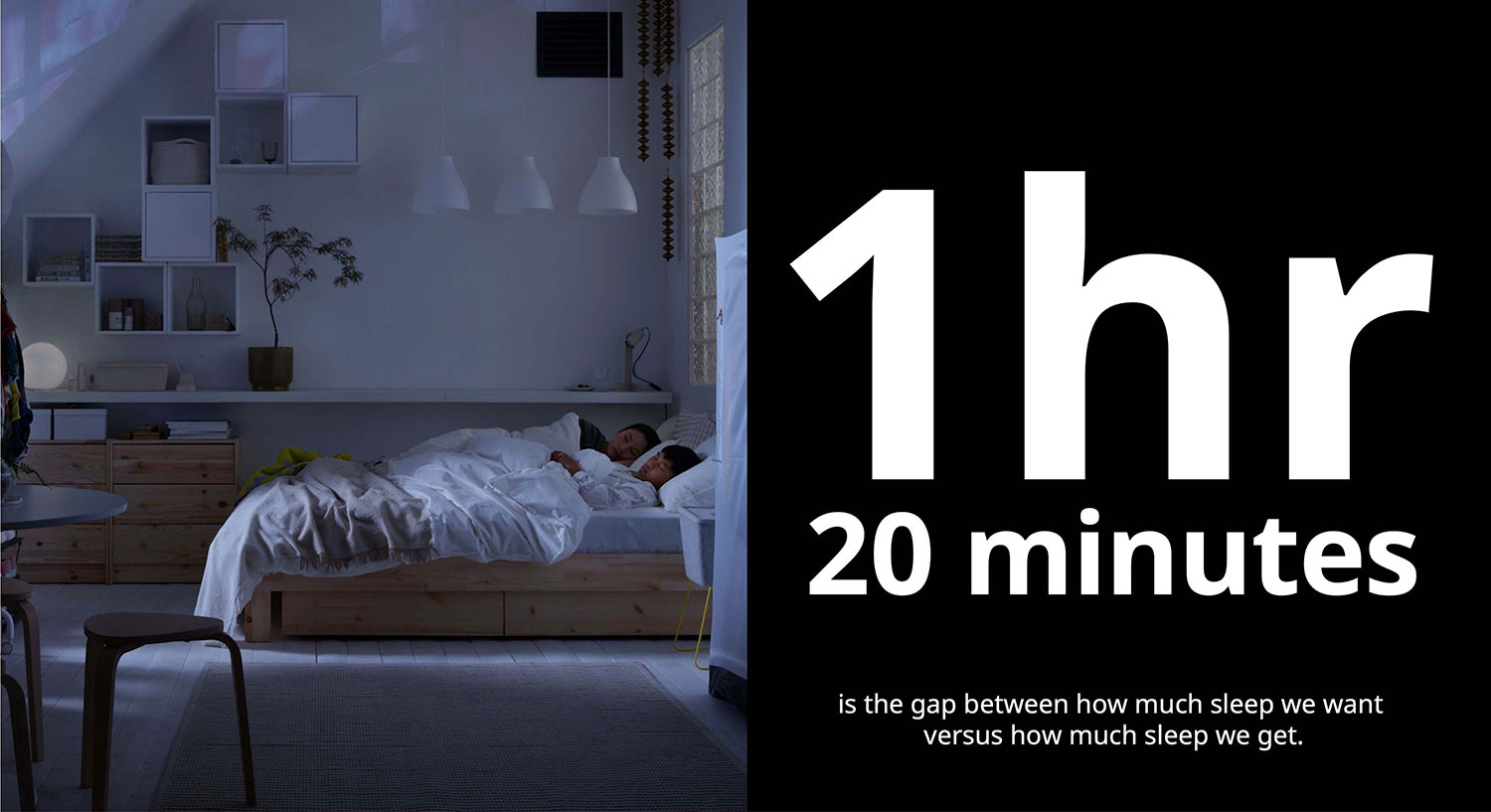
Are you tossing and turning at night? You’re not alone. A new report from IKEA, based on a massive survey of over 55,000 people across 57 markets, reveals a global sleep crisis: we’re getting an average of 1 hour and 20 minutes less sleep than we desire. That adds up to over 20 lost days of rest each year! This comprehensive study, “IKEA Sleep Uncovered,” sheds light on the world’s sleep habits, revealing which countries sleep best, the biggest barriers to quality rest, and, importantly, what we can do about it.
The Global Sleep Landscape: From Sound Sleepers to Sleep Struggles
The IKEA study paints a fascinating picture of global sleep patterns. Mainland China emerges as the sleep champion, consistently averaging over 7 hours of sleep per night. Egypt also boasts high sleep quality, with 64% of respondents rating their sleep as “good.” On the other end of the spectrum, Norway and the USA struggle the most, with Americans reporting the most disrupted sleep, plagued by inconsistent routines, pre-bed screen time, and persistent stress.
The Price of Sleep: Stress, Screens, and Financial Worries
What’s keeping us awake at night? The IKEA report identifies several key culprits:
- Stress and Anxiety: A staggering 40% of people cite stress, anxiety, and overthinking as the primary reasons for lost sleep.
- Screen Time: Despite growing concerns, 72% of people use their phones in bed, with that number skyrocketing to 86% among 18-24-year-olds. Laptops, tablets, and TVs also make frequent appearances in bedtime routines.
- Financial Concerns: Over a third of respondents believe that financial security is essential for better sleep, highlighting the link between economic well-being and rest.
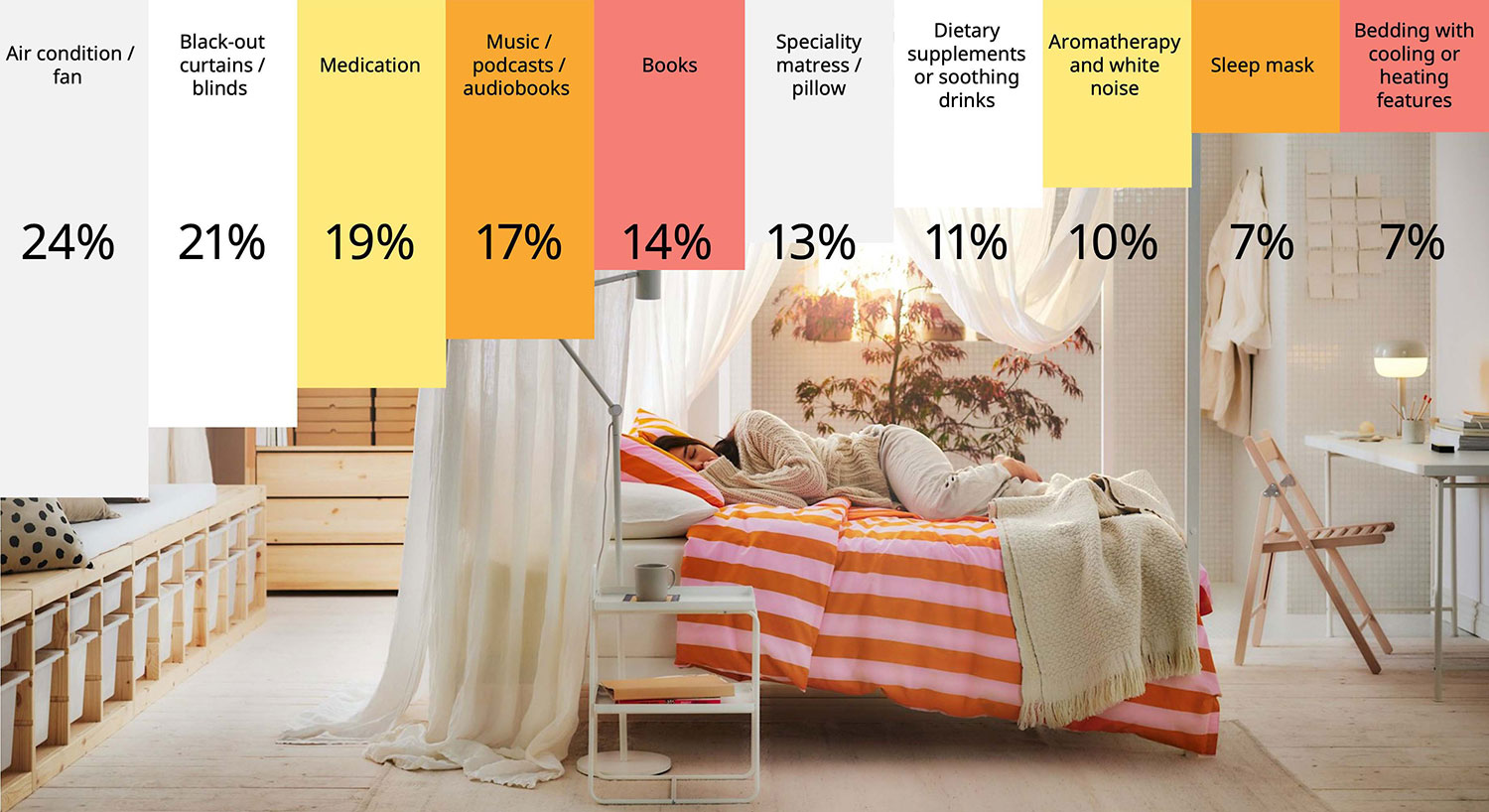
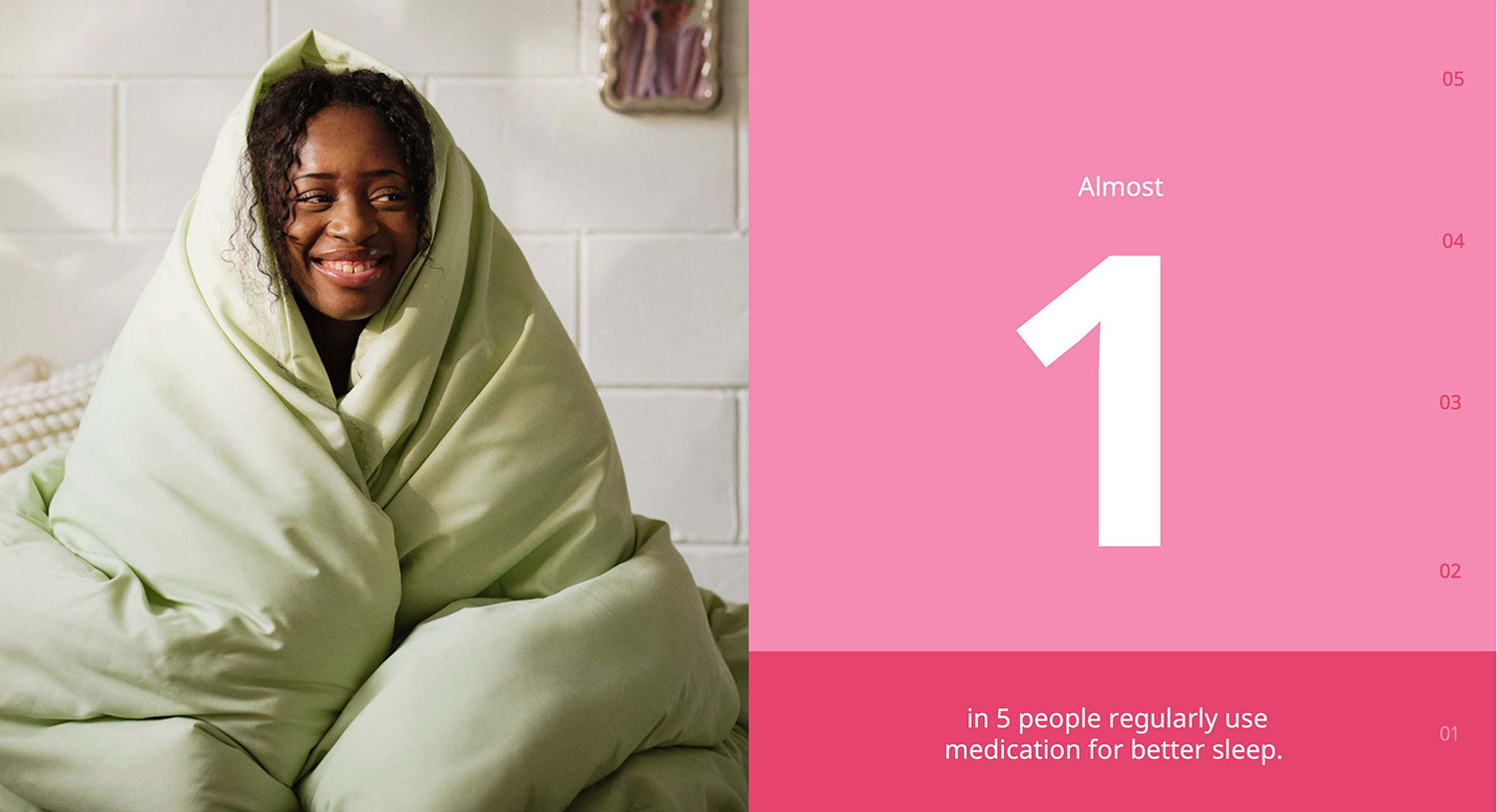
- Sleep Medication Dependence: The report reveals a worrying reliance on sleep medication, with 19% of people globally using drugs to aid sleep, and 5% medicating daily.
Introducing the IKEA Sleep Formula: Your Personalized Path to Better Rest
IKEA has partnered with mathematician Dr. Tom Crawford from the University of Oxford to develop the IKEA Sleep Formula. This innovative tool helps individuals evaluate and improve their sleep by considering five key variables: comfort, stress, well-being, vices, and schedule.
SleepScore = 100[Comfort ± max{Wellbeing, Stress} – Vices + Schedule]/76
“Stress and well-being are key factors in whether we have a good night’s sleep, and the formula brings this to life,” explains Dr. Crawford. “By scoring factors like exercise, diet, social connection, work, and finances, you see where you stand. New habits can boost your sleep score by up to 75 points.”
Sleep Inequality: A Deeper Dive
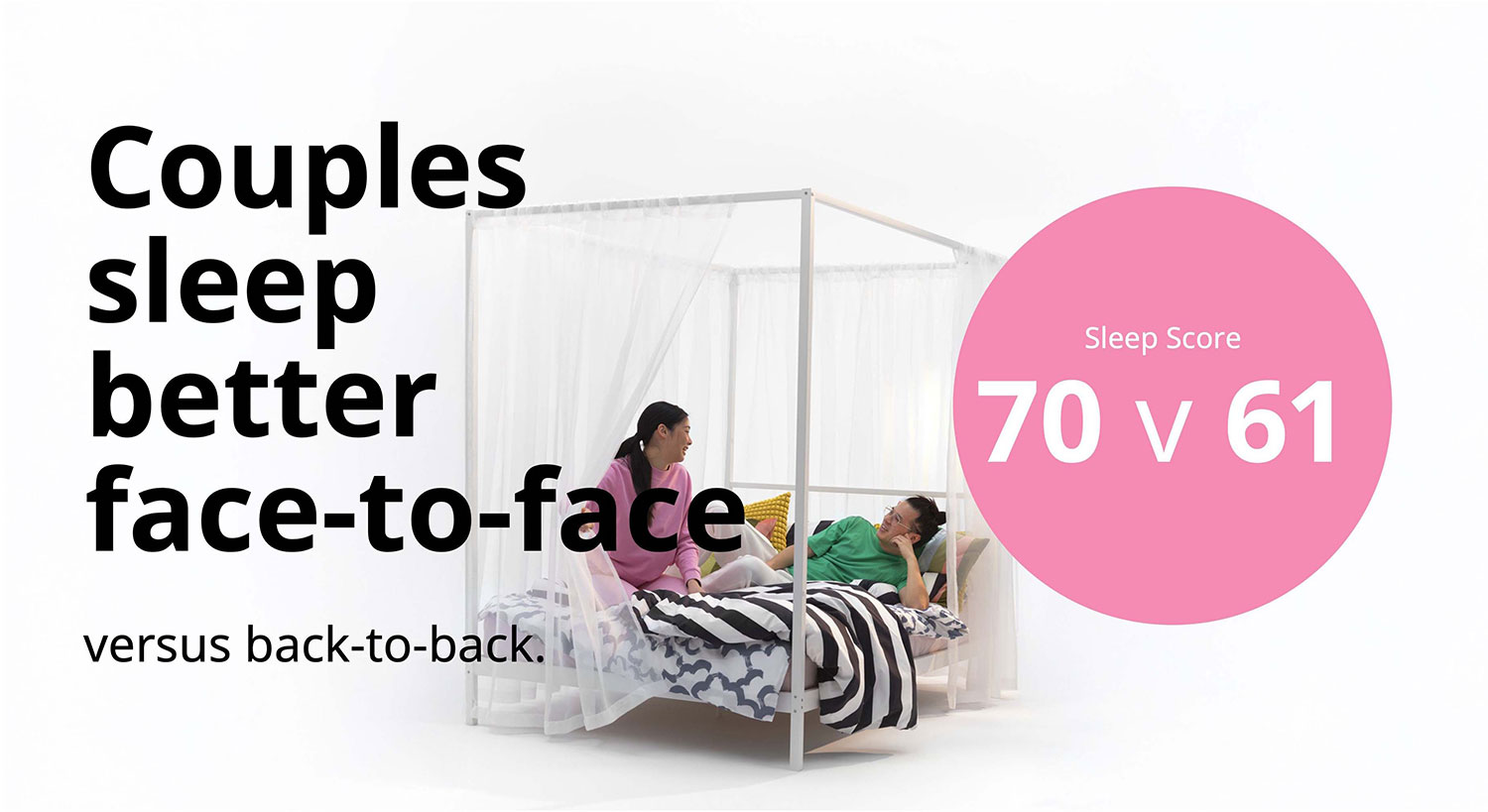
The IKEA Sleep Score also reveals significant sleep inequalities. The LGBTQ+ community, financially insecure individuals, people with disabilities, and women with young children all report significantly lower sleep quality than the global average. Those who share bedrooms with multiple people also experience poorer sleep.
Creating a Sleep Sanctuary: Tips for a Better Night’s Rest
The IKEA report offers practical tips for improving sleep quality:
- Establish a Routine: Maintain consistent bedtimes and wake-up times, even on weekends.
- Maximize Natural Light: Expose yourself to plenty of daylight during the day.
- Design a Sleep Sanctuary: Create a clutter-free, comfortable space with cozy bedding and dim lighting.
- Unwind Your Mind: Practice relaxation techniques like breathing exercises or meditation.
- Cultivate Healthy Habits: Enjoy calming rituals like a warm bath before bed.
- Ditch the Screens: Opt for audiobooks or podcasts instead of scrolling before sleep.
- Mind Your Diet: Avoid heavy meals, caffeine, and alcohol close to bedtime.
- Stay Active: Regular physical activity promotes better sleep.
- Release Sleep Pressure: Focus on relaxation rather than forcing sleep.
- Embrace the Big Picture: Aim for consistent, realistic rest.
IKEA’s Commitment to Better Sleep
“At IKEA, Life at Home is a continuous dialogue with our customers,” says Belén Frau, Global Communications Manager at IKEA Retail. “Our goal is to empower the many to create restful, functional spaces where they can truly thrive.” By understanding global sleep challenges, IKEA aims to develop products and solutions that promote better sleep for everyone.