



The architecture of serotonin has undergone a radical transformation as we cross the threshold into February 2026. Long dismissed as a seasonal “slump” localized to the month of January, Seasonal Affective Disorder (SAD) is now understood by clinicians and architects alike as a cumulative neurobiological crisis that peaks when daylight deprivation reaches its annual zenith. For those inhabiting northern latitudes, the residential interior is no longer being viewed as a static refuge from the cold, but as an active, therapeutic instrument capable of regulating the delicate neuro-endocrinology of its occupants.
Biological friction and the diagnostic gap are at the heart of recent clinical findings that have sent shockwaves through the design community. Data released this February reveals that nearly 45% of women report symptoms consistent with seasonal depression, compared to 28% of men. This disparity is not merely a matter of prevalence but of manifestation; while women often experience the traditional lethargy of low mood, men are frequently misdiagnosed as their symptoms lean toward irritability and emotional withdrawal. In response, the emerging field of neuroarchitecture is moving beyond the “one-size-fits-all” model of the sterile white cube, instead prioritizing spatial layouts that alleviate “cognitive load” and promote emotional resilience through sensory precision.
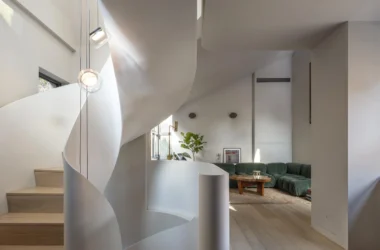
Photobiology as a design mandate has replaced traditional illumination in the luxury wellness real estate sector. The current gold standard for combatting circadian rhythm disruption is the implementation of Human-Centric Lighting (HCL) systems that provide at least 250 melanopic lux during daylight hours. These systems utilize tunable-white LEDs that automatically transition from a stimulating 6500K in the morning to a restorative 2700K as evening approaches, mimicking the solar cycle to stabilize melatonin and serotonin production. In modern residences, architects are now utilizing a mathematical approach to daylight penetration, ensuring that window head heights allow light to reach the deepest parts of the floor plan, often supplemented by GPS-based automated shades that track the sun’s exact position to maximize winter rays.
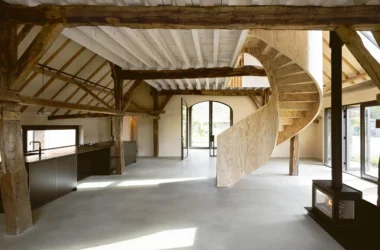
The sensory lexicon of recovery is perhaps most visible in the resurgence of biophilic design as a clinical necessity rather than an aesthetic flourish. The integration of raw materials like wood, cork, and clay has been shown to lower cortisol levels by engaging the autonomic nervous system through tactile variation. This is paired with “soft fascination”—the use of fractal patterns in nature that allows the prefrontal cortex to recover from the “hard fascination” of digital over-optimization. Olfactory design, too, has entered the domestic sphere, with synchronized scent diffusion systems utilizing phytoncides and rosemary to enhance cognitive clarity and reduce stress during the dimmest winter weeks.
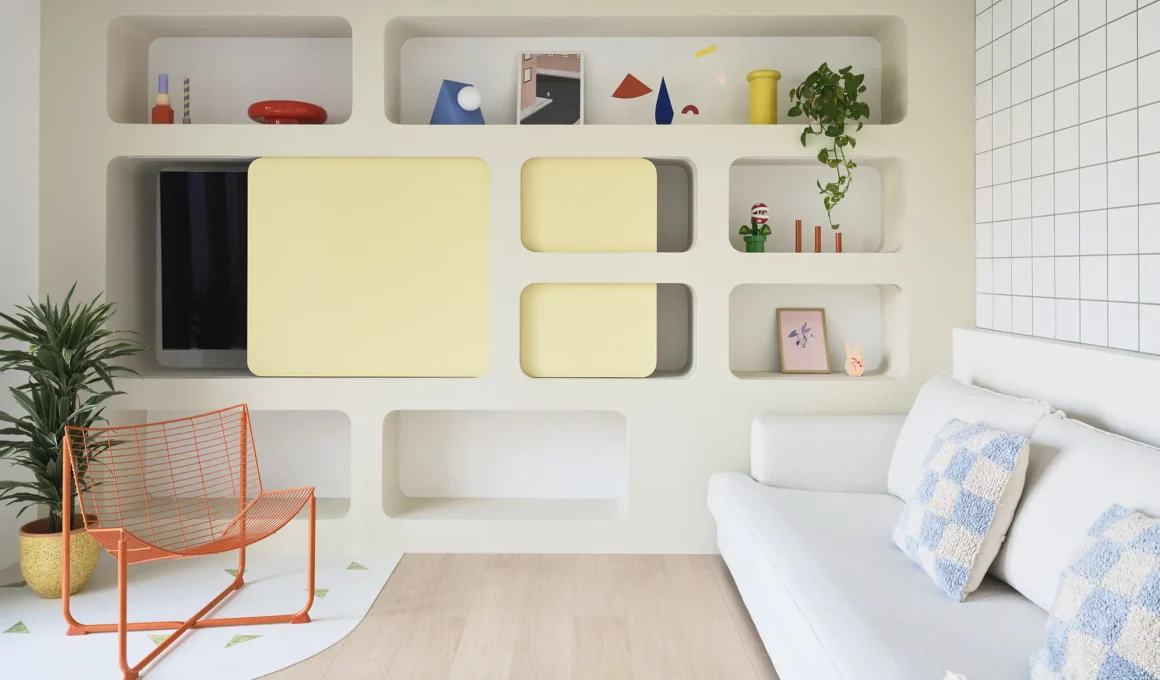
Beyond the sterile white cube, the contemporary interior is experiencing a decisive shift toward dopamine decor. This movement rejects the “greige” minimalism of previous years in favor of immersive color drenching—painting walls, ceilings, and furniture in singular, bold hues like sunny yellows and coastal blues that trigger the brain’s reward centers. This is not mere maximalism; it is a strategic use of color psychology to provide an “emotional anchor” in the face of environmental grey. By balancing high-energy palettes with textured layers like velvet or chunky knits, designers are creating environments that provide a sense of safety and stability when the outdoor world feels increasingly inhospitable.
The intelligent domesticity of 2026 is defined by a seamless marriage between neuroarchitecture and proactive technology. Advanced smart home platforms now offer “contextual awareness,” responding to natural-language commands to optimize the environment for focus or rest. Even more striking is the integration of medical-grade digital therapeutics into the residential fabric; specific “meditation corners” are now being designed to accommodate at-home wearable brain stimulation devices, such as tDCS headsets, which target the dorsolateral prefrontal cortex to treat depression directly. As we move toward a salutogenic future, the home is evolving into a comprehensive longevity system—a place where the architecture itself works to bridge the biological gap between the seasons and the soul.