




As we approach 2026, the wellness industry is undergoing a profound technological transformation. We are moving beyond simple tracking apps toward a new era of interventional health technology. The focus is shifting from passive monitoring to active, tech-driven solutions that interface directly with our biology.
From the rise of “Electric Medicine” to the first FDA-approved neuro-wearables, here are the key technology-driven wellness trends set to define the landscape in 2026.
1. The Rise of Electric Medicine: Brain-Computer Interfaces for the Home
The most significant breakthrough for 2026 is the mainstreaming of Electric Medicine. Rather than relying solely on chemical interventions, new devices are using precise electrical currents to modulate neural circuits.
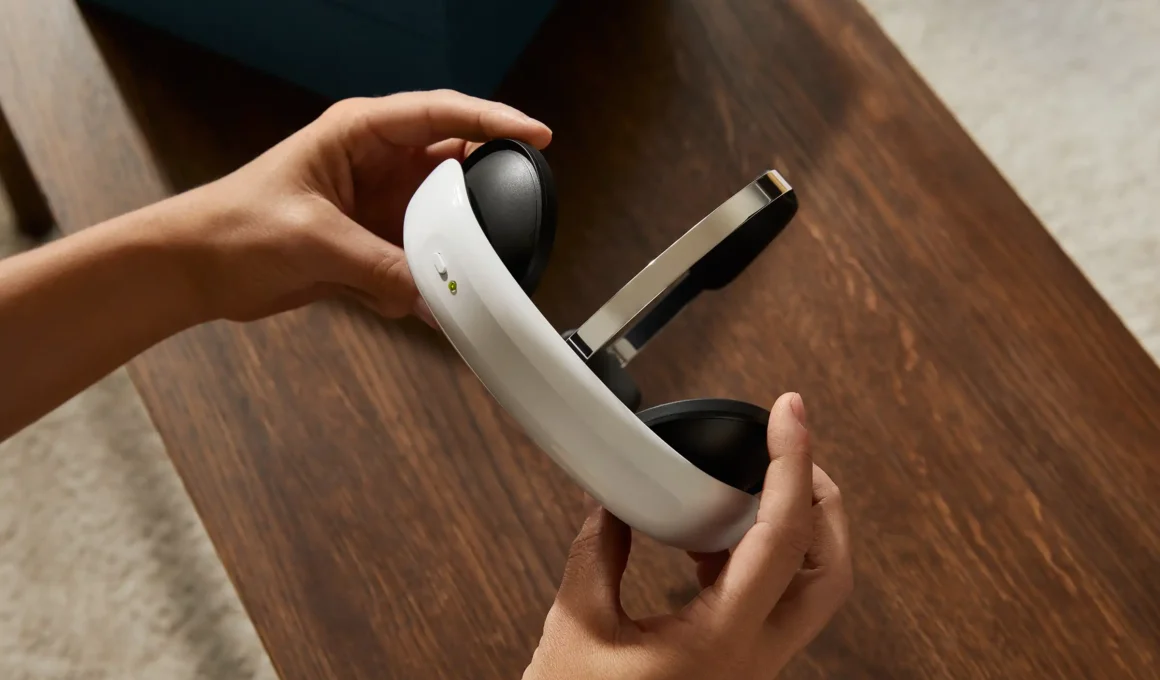
A major milestone was reached in late 2025 with the FDA approval of the first non-invasive, at-home headset for depression treatment (developed by Flow Neuroscience). Utilizing Transcranial Direct-Current Stimulation (tDCS), this gadget targets the dorsolateral prefrontal cortex to regulate mood. This marks a shift where medical-grade brain-computer interface (BCI) technology becomes a consumer-ready product, blending clinical efficacy with high-end industrial design.
2. From Wearables to “Emotional Fitness” Ecosystems
The next generation of wearables is moving beyond heart rate and steps to focus on Emotional Fitness. In 2026, we are seeing a surge in sophisticated hardware designed to detect physiological stress signals—such as HRV (Heart Rate Variability) and skin conductance—before the user even feels the symptoms of burnout.
These devices are evolving alongside AI-driven fitness technologies to offer a holistic view of human performance. By integrating real-time biometric feedback with digital ecosystems, technology is helping users build resilience through haptic-guided breathwork and predictive mood analytics, transforming wellness from a reactive task into a proactive “muscle” to be trained.
3. Low-Friction Preventive Tech
2026 will be defined by low-friction prevention. The goal is to integrate health technology so seamlessly into daily life that it becomes invisible. We are seeing a transition from “crisis care” to continuous, background monitoring through:
-
Ambient Health Sensors: Smart home integrations that monitor sleep patterns and air quality.
-
Digital Mood Screenings: Integrated into professional workflows to prevent workplace exhaustion.
-
AI-Telehealth Integration: Devices that allow for clinical-grade screenings from the living room, reducing the barrier between the patient and professional care.
4. The “Med-Tech” vs. “Wellness-Toy” Divide
As the market for brain stimulation and biohacking tools grows, 2026 will see a push for regulatory transparency. Designers and engineers are now faced with a “discernment gap”: the market is flooded with wellness gadgets that look like medical devices but lack clinical validation.
The trend for the coming year is the “Medicalization of Wellness.” Savvy consumers are moving away from unverified “biohacking” hype in favor of devices that have undergone rigorous clinical trials and regulatory review (like FDA or CE marking). For the urdesign reader, the value lies in the intersection of proven efficacy and sophisticated product design.
In 2026, wellness is no longer about lifestyle “hacks”; it is about the integration of medical technology into the domestic sphere. As we see more devices that “speak the brain’s language,” the focus for designers and tech enthusiasts alike will be on how to make these powerful clinical tools both accessible and intuitive for everyday use.