

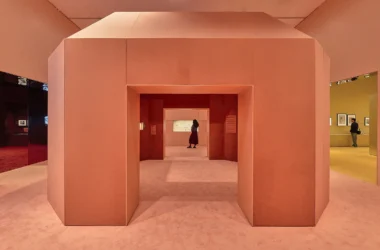


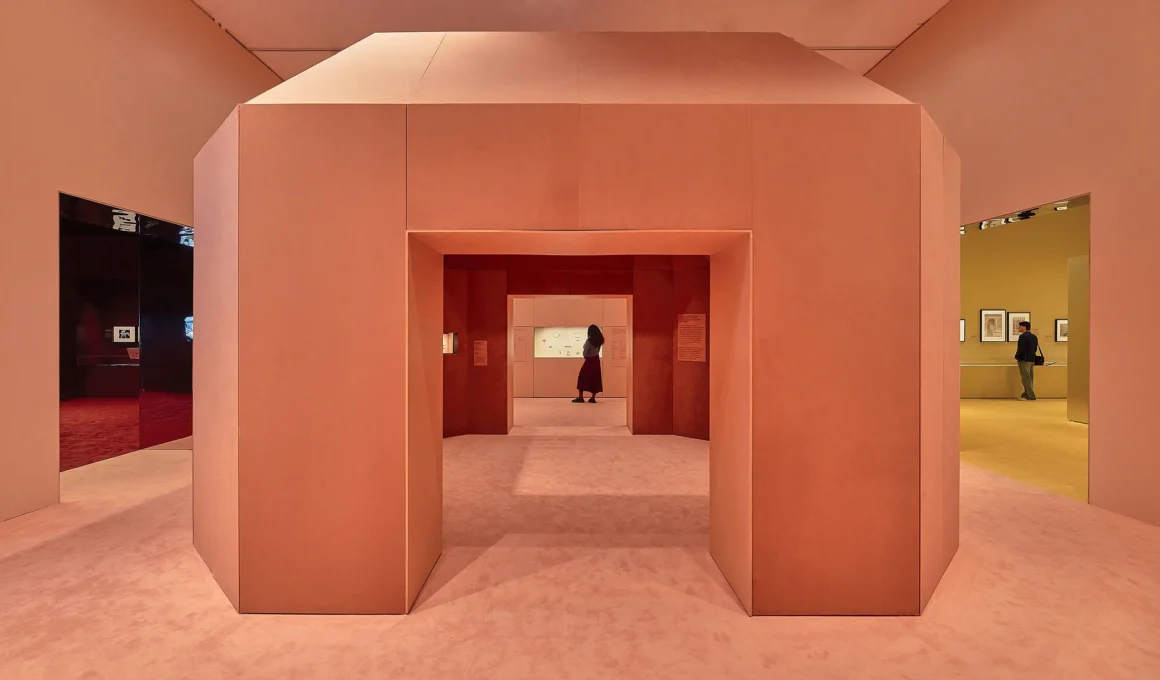
The CARTIER exhibition at Melbourne’s NGV International is as much a commission for Studio Sabine Marcelis and CLOUD as it is a survey of 400 jewels — both built on the premise that color, light, and material precision are structural rather than decorative decisions. Adapted and expanded from the V&A’s London presentation, it has been running since 12 June 2026 and continues through 4 October, presenting nearly 400 jewels, timepieces, and precious objects alongside archival drawings, sketchbooks, and photographs.
Object loans drawn from six institutions supplement the V&A and Cartier Collection as primary sources — loans from the British Museum, Qatar Museums, Musée des Arts Décoratifs in Paris, H.S.H. the Prince of Monaco’s collections, and the Al Thani Collection give the show a breadth no single archive could have supplied. As lead curator Helen Molesworth of the V&A said, Louis, Pierre, and Jacques Cartier initiated a strategy of “original design, exceptional craftsmanship, and international expansion” that turned their grandfather’s Parisian firm into an international household name.
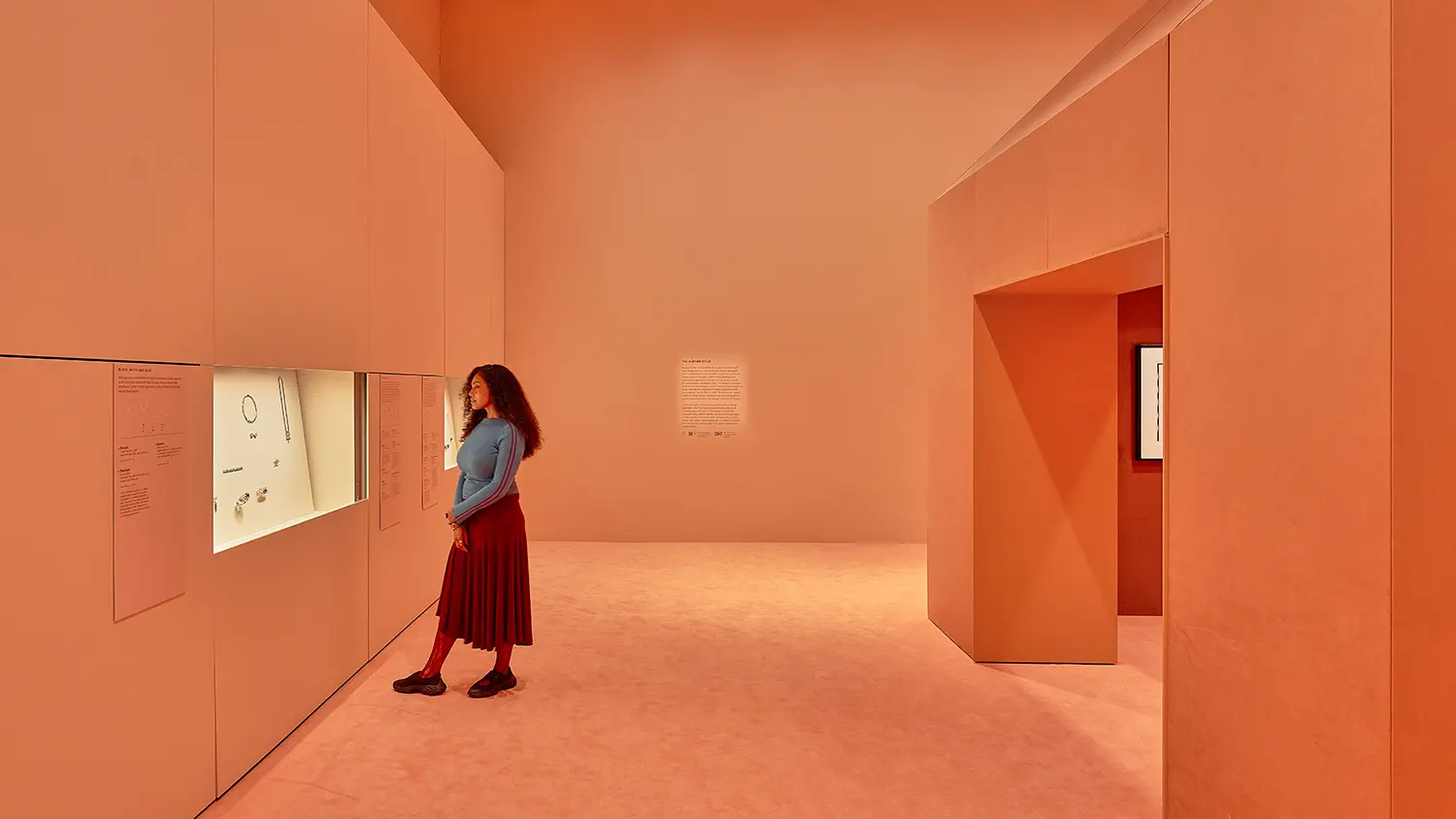
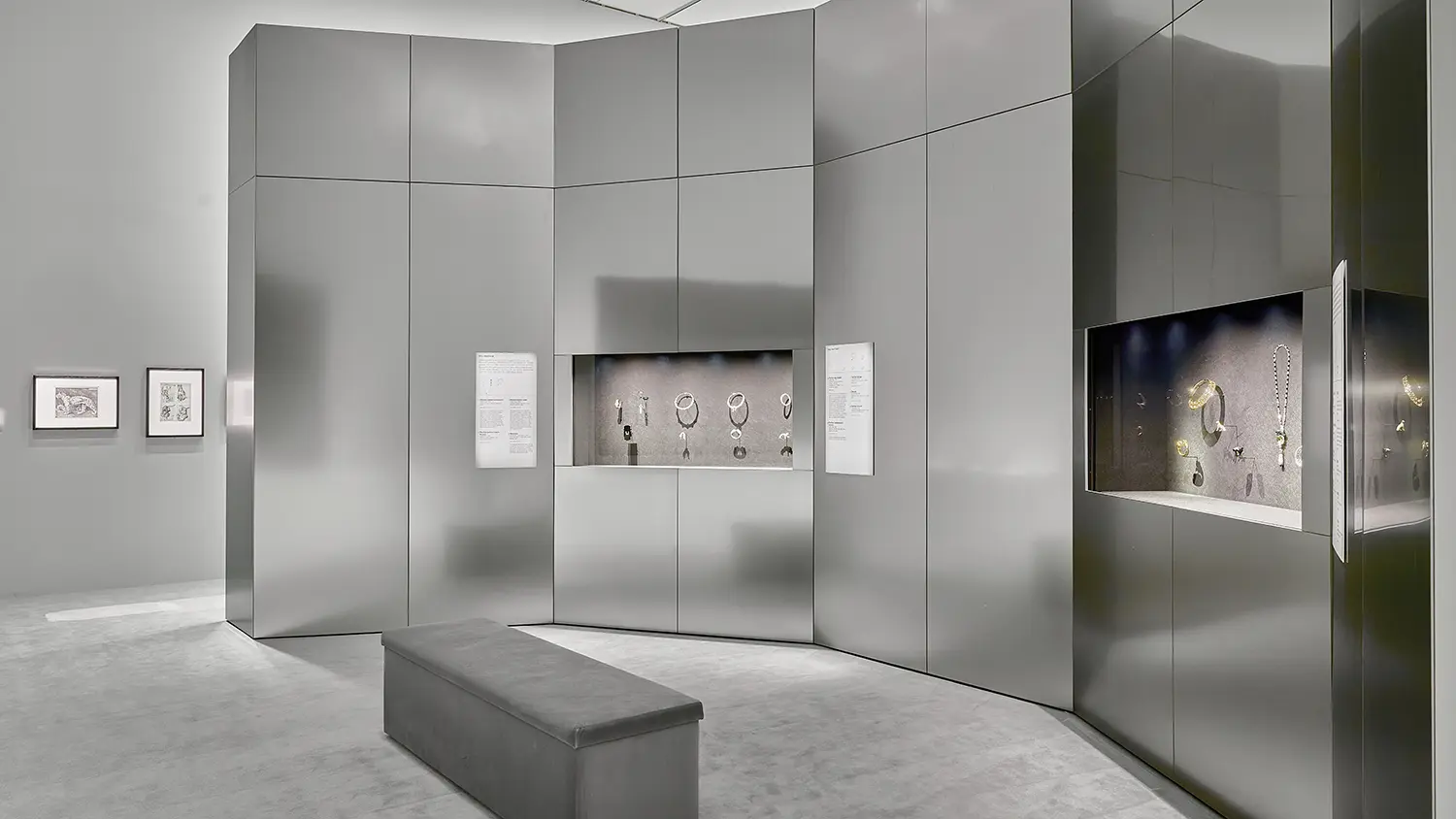
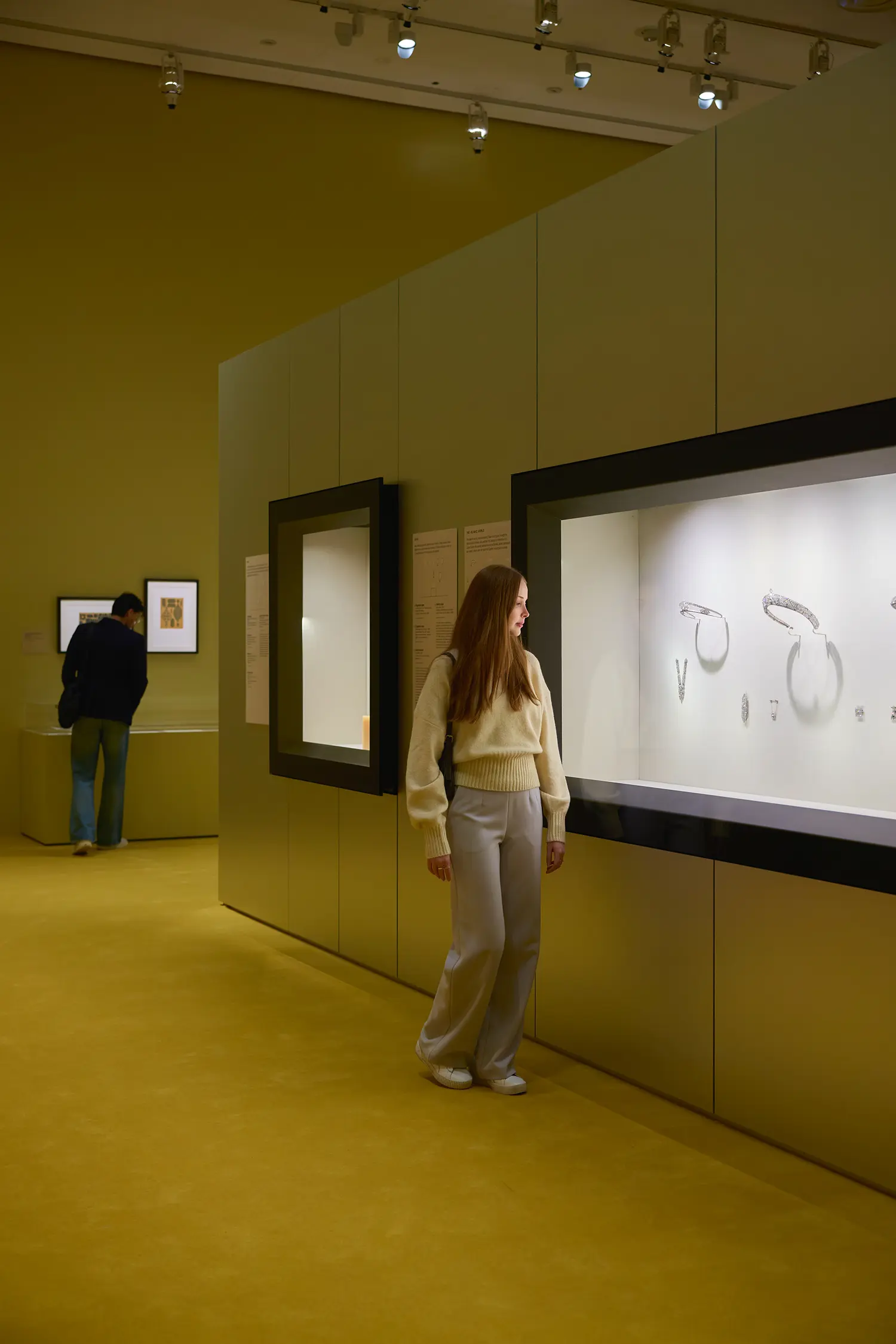
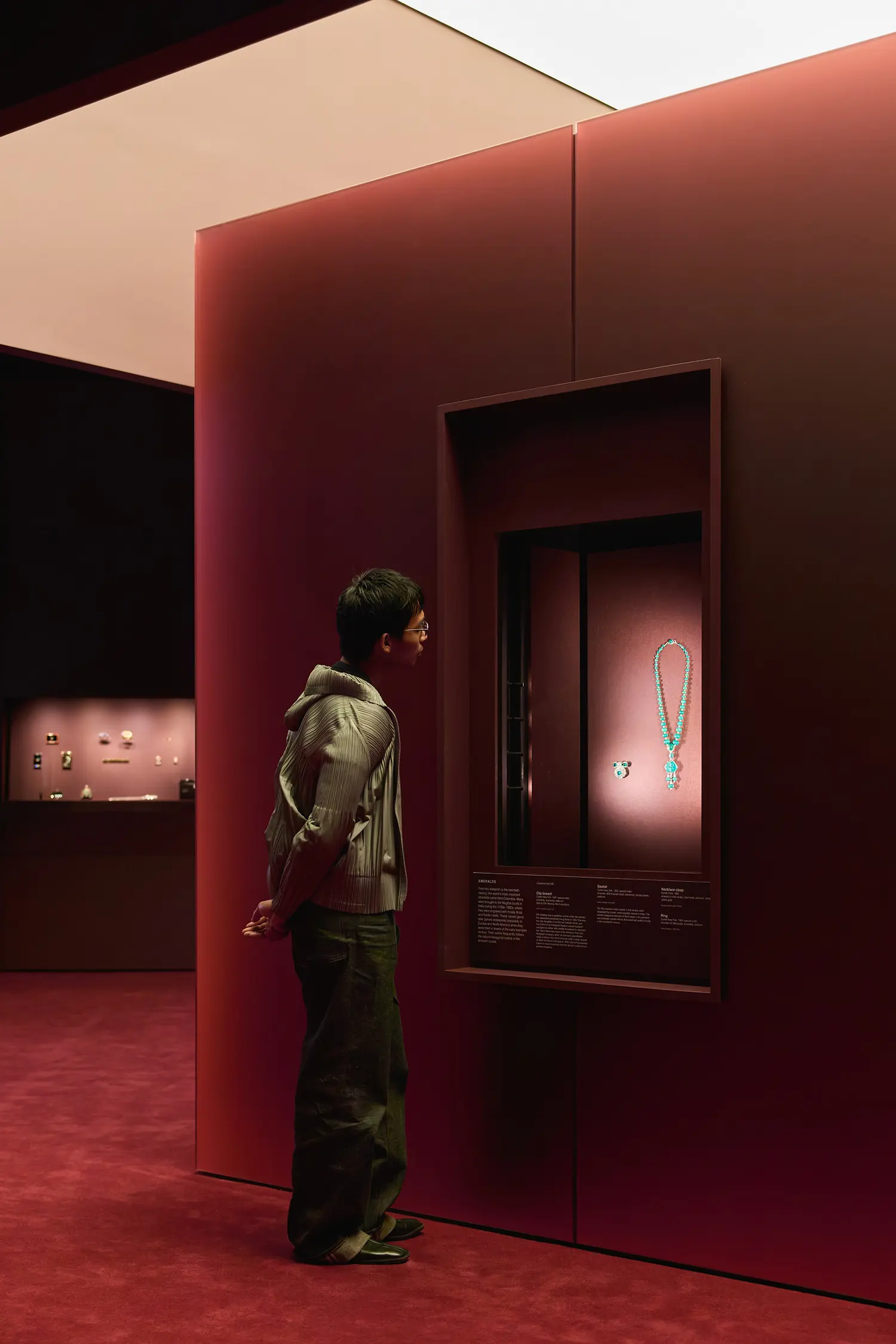
Studio Sabine Marcelis and CLOUD, both Rotterdam-based, designed the Melbourne exhibition environment from the ground up, taking color, light, and materiality — the three formal qualities that run through Cartier’s jewelry — as their spatial brief. The result is a display architecture intended to operate on the same register as the objects it holds, rather than recede behind them. An original soundtrack by Japanese electronic auteur Ai Yamamoto and Finnish composer Erkki Veltheim runs throughout, combining salon music with electronics.
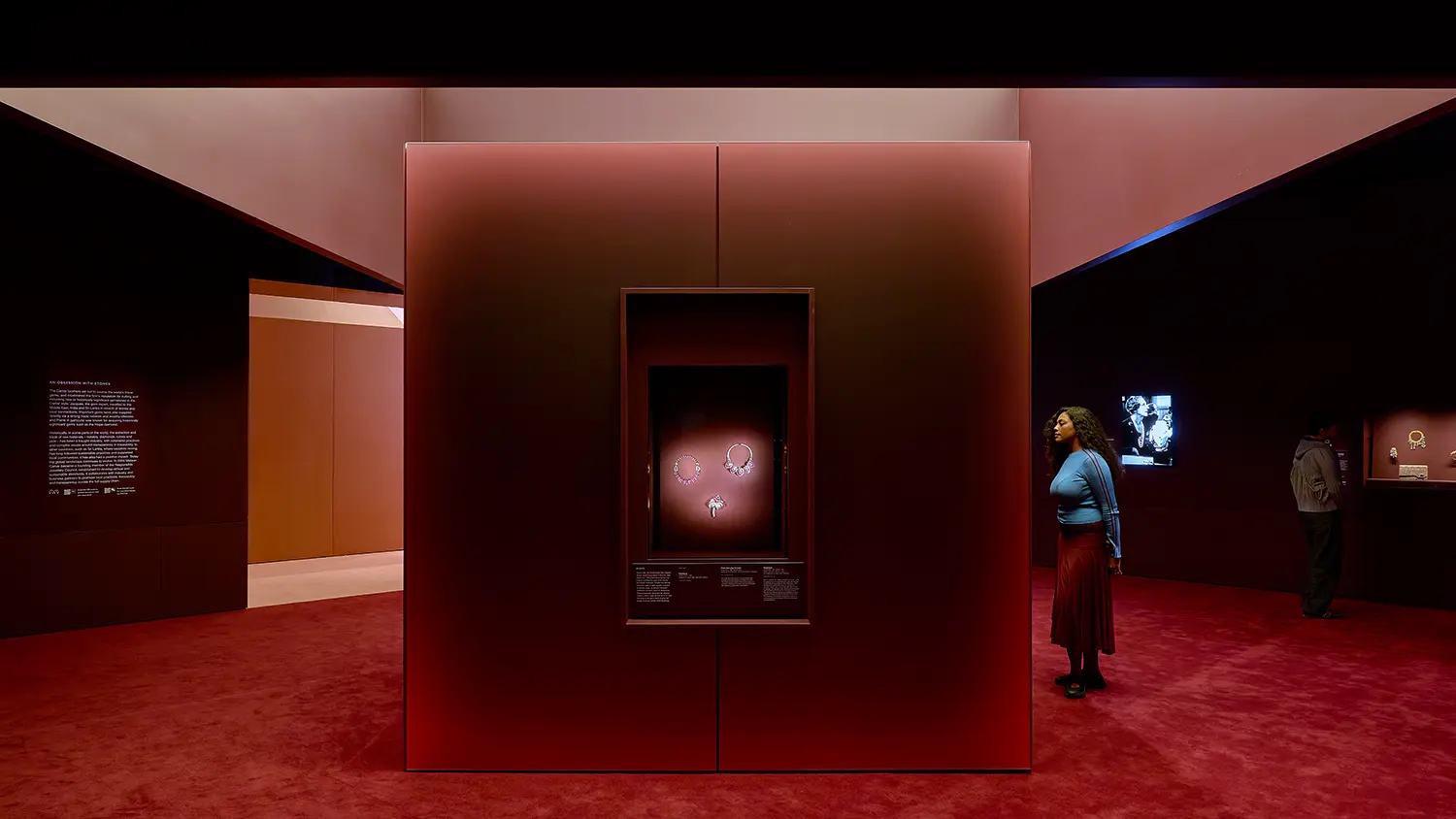
Cartier’s international reach began with Louis, Pierre, and Jacques Cartier, grandsons of founder Louis-François Cartier, who established branches in Paris, London, and New York at the turn of the twentieth century. Britain’s King Edward VII granted the house its first Royal Warrant in 1904. The Garland Style — floral swags and bows set in platinum and precious gems — defines the earliest objects in the exhibition, including pieces owned and worn by Australian opera singer Dame Nellie Melba, one of Cartier’s first significant international clients.
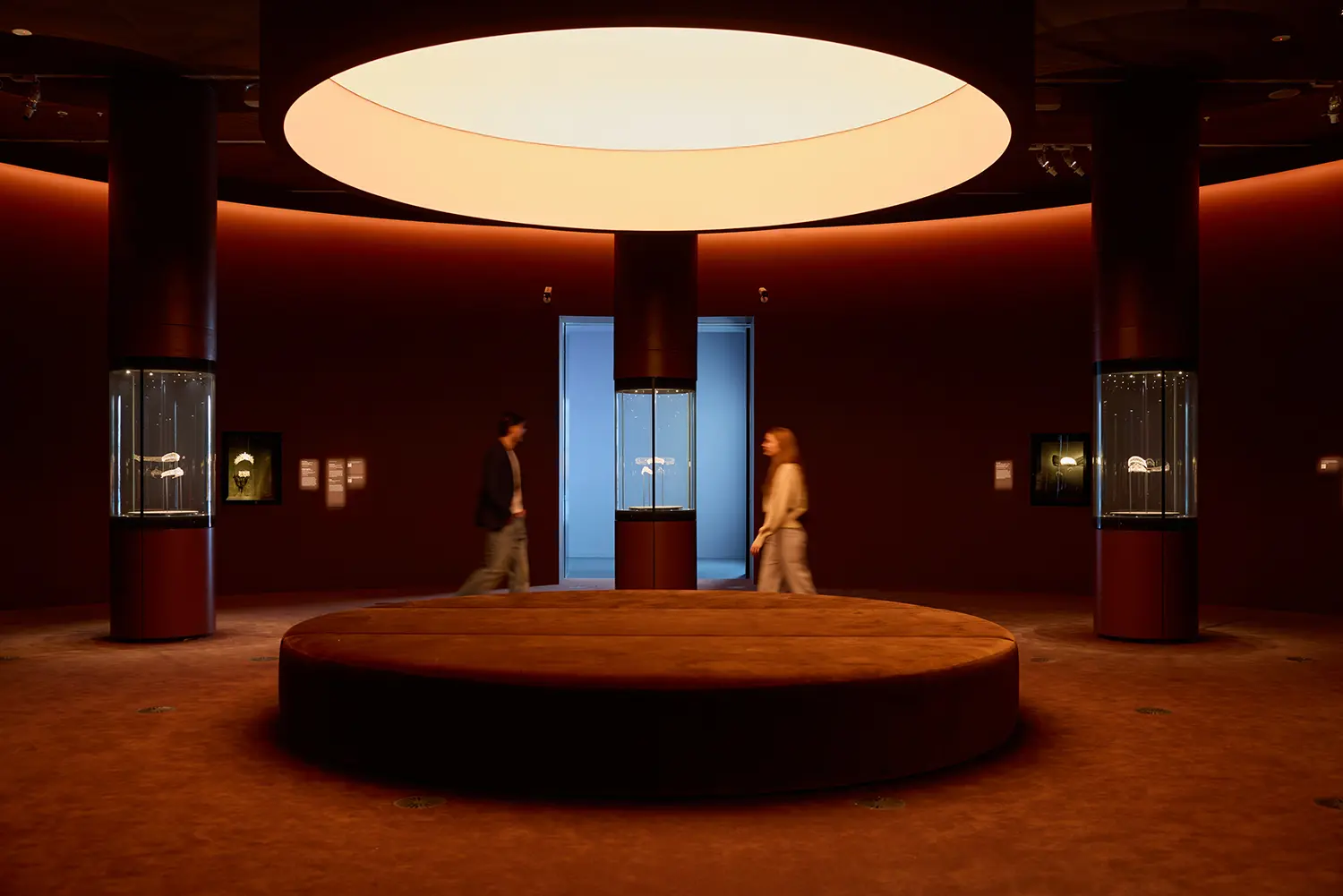
Jeanne Toussaint’s tenure as Creative Director, running from 1933 to 1970, receives dedicated room in the exhibition’s middle sequence. Toussaint established the panther as Cartier‘s most persistent motif, and the show traces its evolution from her period through contemporary pieces using unchanged techniques. The same section follows the Tutti Frutti style — carved rubies, emeralds, and blue sapphires in Indian-inspired settings — through its most ambitious example: a 1936 necklace commissioned by Parisian socialite Daisy Fellowes.
The final gallery’s 24 tiaras form the exhibition’s structural crescendo, drawn from a larger group of more than 30 across the show. The Scroll tiara of 1902, crafted in the Garland Style, was worn by Lady Clementine Churchill at the coronation of Queen Elizabeth II in 1953 and by Rihanna on the cover of W magazine in 2016 — one object, three entirely different cultural moments. For the first time in decades, two turquoise and diamond tiaras worn by sisters Lady Nancy Astor and Lady Phyllis Brand are shown together.
Individual pieces carry the exhibition’s most direct claims. Elizabeth Taylor described her 1951 Cartier necklace — a geometric latticework of diamonds set with seven Burmese rubies, gifted to her in 1957 — as “like the sun, lit up and made of red fire,” said Taylor. The Duchess of Windsor’s collection includes her 1949 Panther sapphire clip brooch, centered on a 152.35-carat cabochon sapphire. María Félix’s 1968 Snake necklace carries 2,473 diamonds enamelled in the colors of the Mexican flag; her 1975 Crocodile necklace counters yellow diamonds with emeralds.
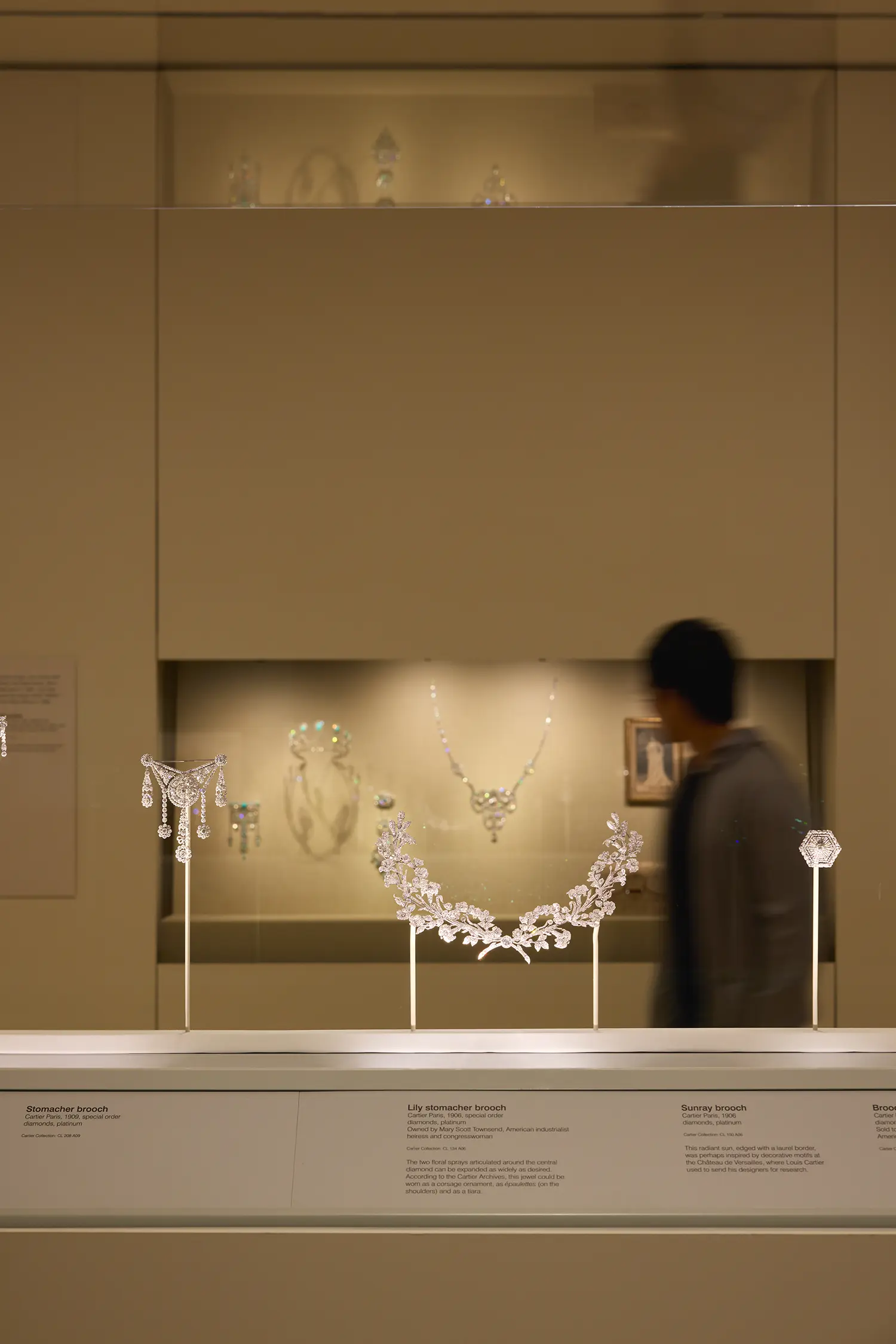
The Australian thread runs deeper than the show’s geography. Dame Nellie Melba’s Garland Style pieces — necklaces and bodice ornaments worn on and off the stage — appear alongside an autographed 1902 photograph of Melba owned by Pierre Cartier. The Melbourne Winter Masterpieces presentation also features a 2015 bracelet set with 189.345-carat precious black opals from Australia, placed in dialogue with a 1928 Art Deco bracelet mounting five large black opals — a material the house has returned to across nearly a century.
Pierre Rainero, Director of Cartier Image, Style and Heritage, describes the house’s signature style as “a living language in permanent evolution” — and Melbourne is the first place that claim has been tested against an audience who can see all three historical phases at once: the Garland Style, the Toussaint years, and contemporary production. Whether that evolution reads as design intelligence or brand continuity is the question 400 objects and one Dutch designer are being asked to answer.
CARTIER | Where: NGV International, 180 St Kilda Road, Melbourne VIC 3006, Australia — When: 12 June – 4 October 2026