






GM’s Advanced Design studio in Pasadena has unleashed a vision of automotive futurism deeply rooted in its local soil, revealing the stunning California Corvette concept. This audacious hypercar study is the second in a global trilogy of Corvette concept cars debuting this year, following March’s UK studio reveal, and it pulsates with the unmistakable energy and aesthetic of Southern California-inspired design.
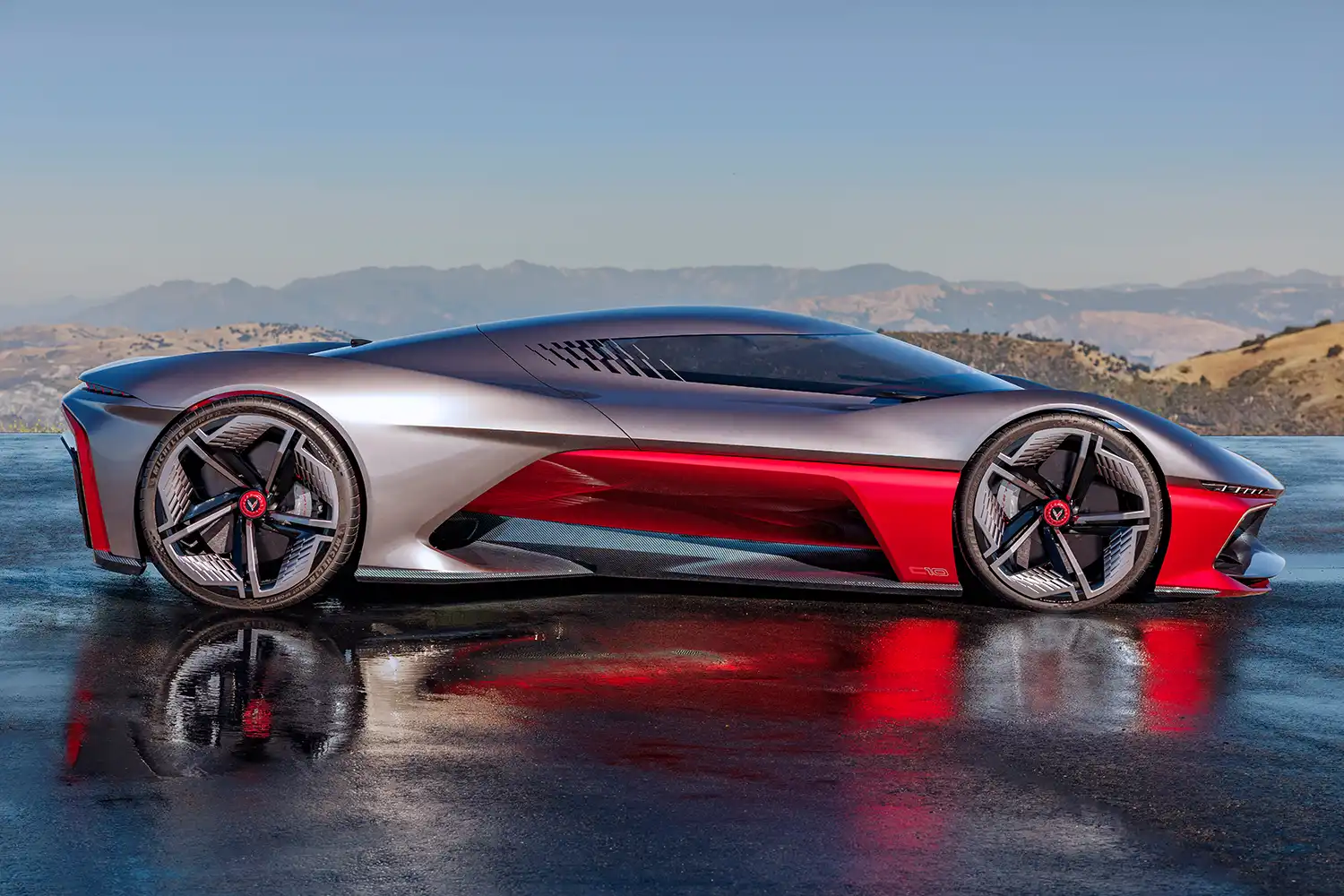
Conceived as a pure exploration of possibility, this one-of-one futuristic hypercar reimagines Corvette’s legendary performance through a distinctly SoCal lens. Under the guidance of Bryan Nesbitt, GM’s vice president of global design, the Pasadena team embraced the project as a “blank slate,” honouring the iconic nameplate’s heritage while propelling it into a bold new future. “We invited multiple GM studios to envision Corvette-inspired hypercars… The California team has now delivered a complementary study that honors Corvette’s legendary performance, while infusing it with their own distinctive vision,” Nesbitt stated.
The concept’s form is instantly arresting: dramatic exterior proportions that are wide at the wheels, narrowing dramatically into a sleek, tapered cabin culminating in a narrow cockpit. These elements are pure classic Corvette DNA, reinterpreted with cutting-edge flair. Yet, the most revolutionary feature is undeniably its removable canopy. This single-piece, front-hinged canopy isn’t just a styling cue; it’s a transformative element. “Duality of purpose is the basis of this concept’s design strategy,” explained Brian Smith, design director at GM Advanced Design Pasadena. The entire upper shell can be removed, converting the car from an “agile, slick sports car” into a pure, lightweight, open-air track car.

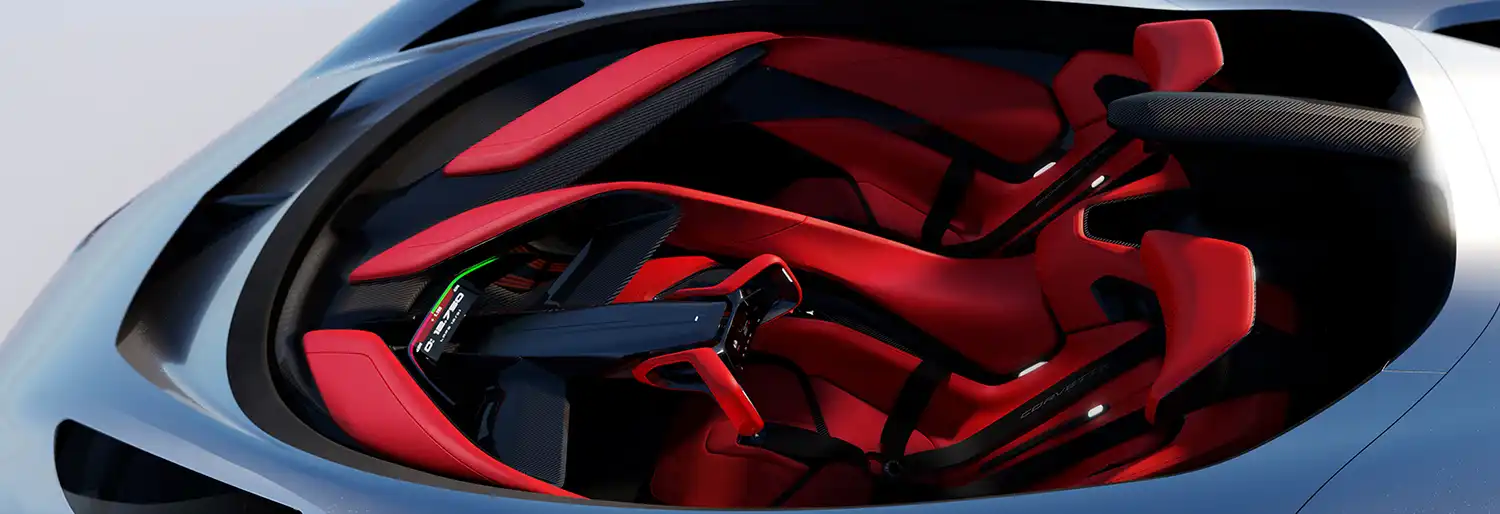
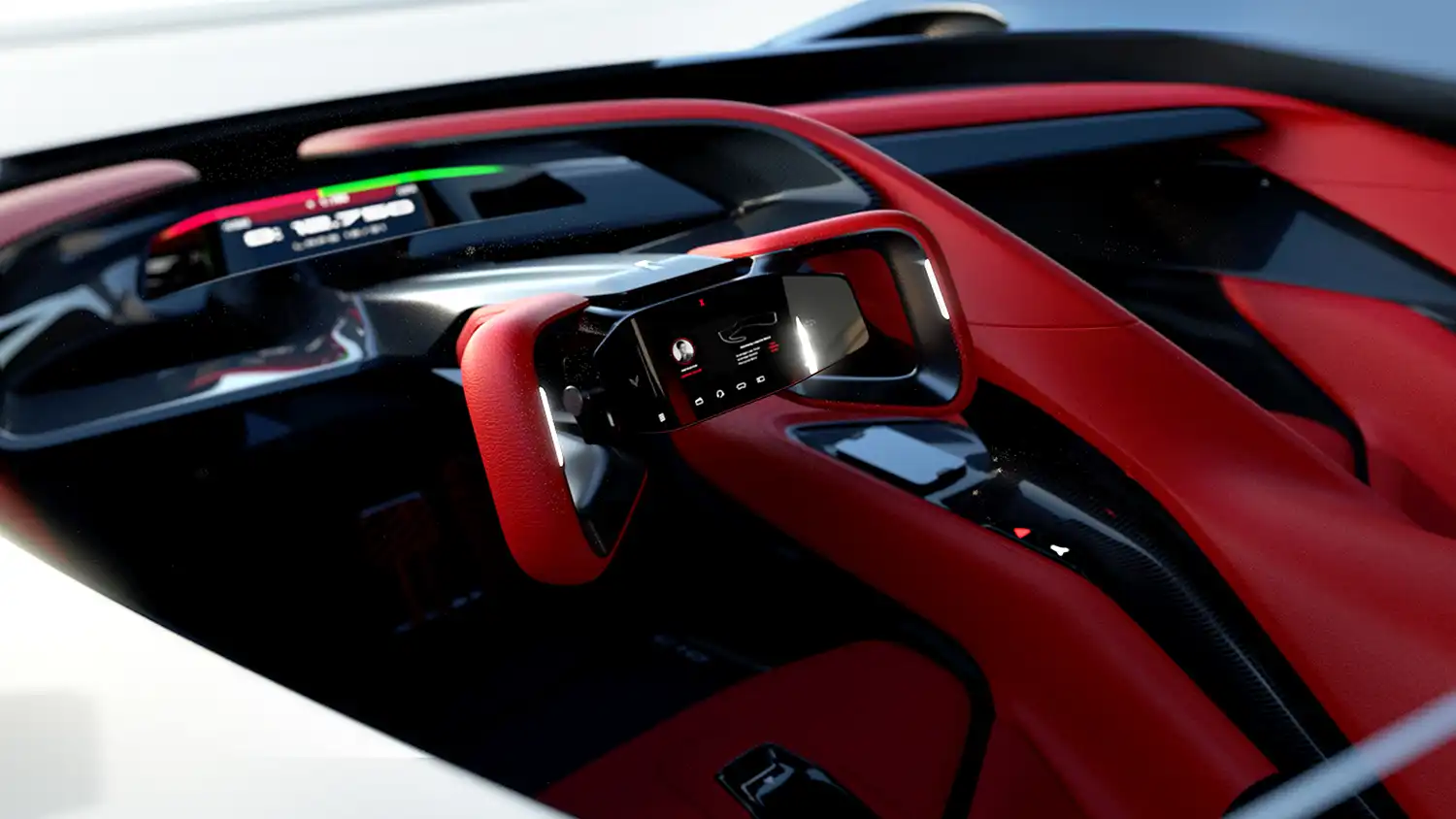
Inside, the focus remains uncompromisingly on the driver. A minimalist interior strips away distraction, featuring integrated structural elements and performance-focused displays. Enhancing the high-speed experience is an augmented-reality HUD, projecting only essential data directly into the driver’s line of sight, a crucial feature for a vehicle blurring the lines between road and track.
This concept underscores GM’s deep, nearly 40-year roots within the Southern California design community. The Pasadena studio, a sprawling 148,000-square-foot hub of creativity housing around 130 staff, is a vital node in GM’s global design network. It leverages the region’s century-long position at the heart of automotive and broader design culture. “Southern California has been at the heart of automotive and design culture for a century… We wanted to ensure that this concept was developed through that SoCal lens, but with a global and futuristic outlook,” Smith emphasized.
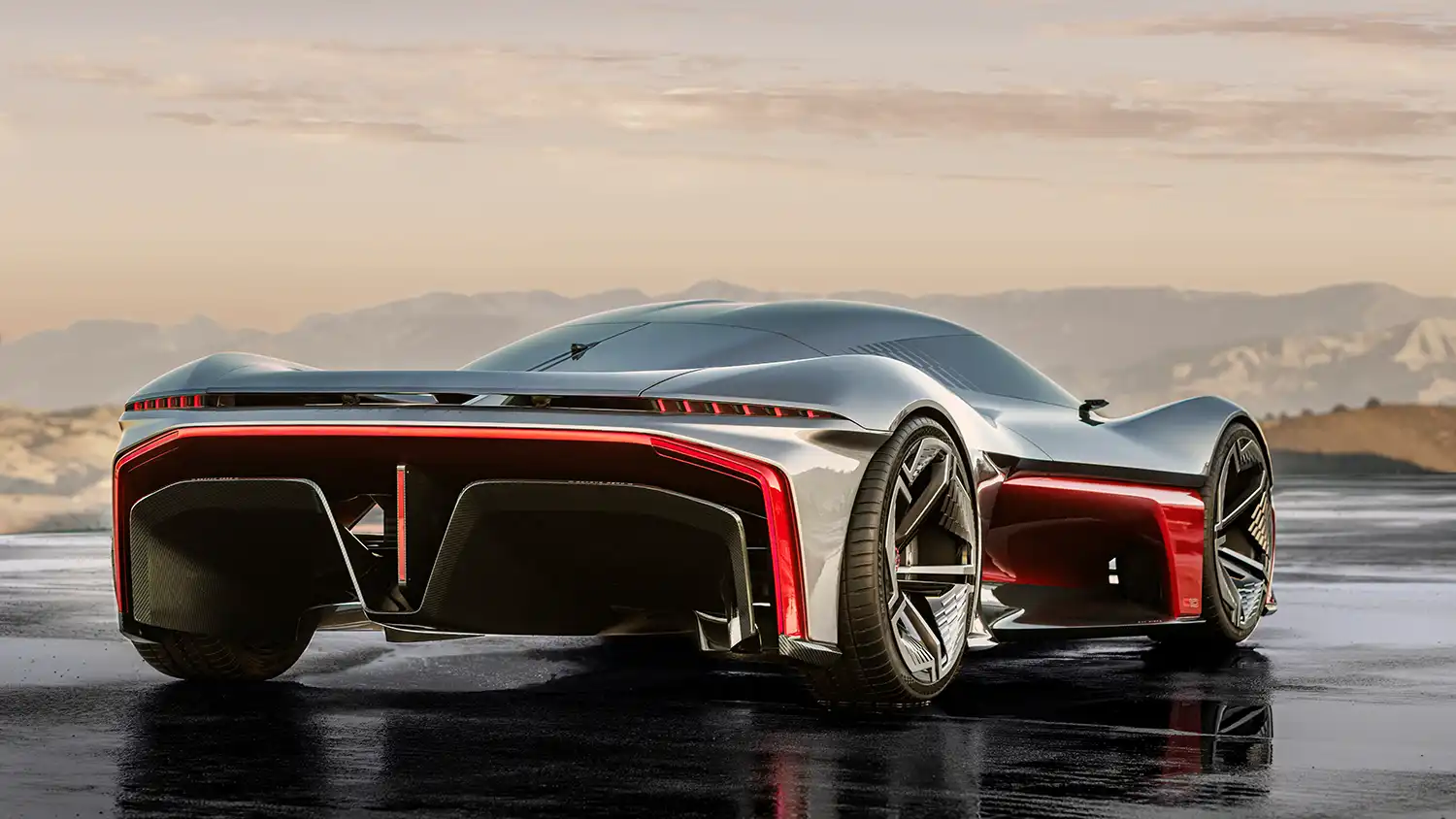
While strictly a design study with no production intent, the California Corvette concept is far more than just a flight of fancy. It’s a potent statement of intent from GM Advanced Design, showcasing their relentless drive to push boundaries and explore the emotional and functional possibilities of tomorrow’s performance. It blends racing-simulator inspiration with the visceral thrill of American muscle, filtered through the sun-bleached, innovation-hungry spirit of Southern California. It’s a rolling sculpture that cements Corvette’s place not just in automotive history, but firmly in the future of hypercar design.