



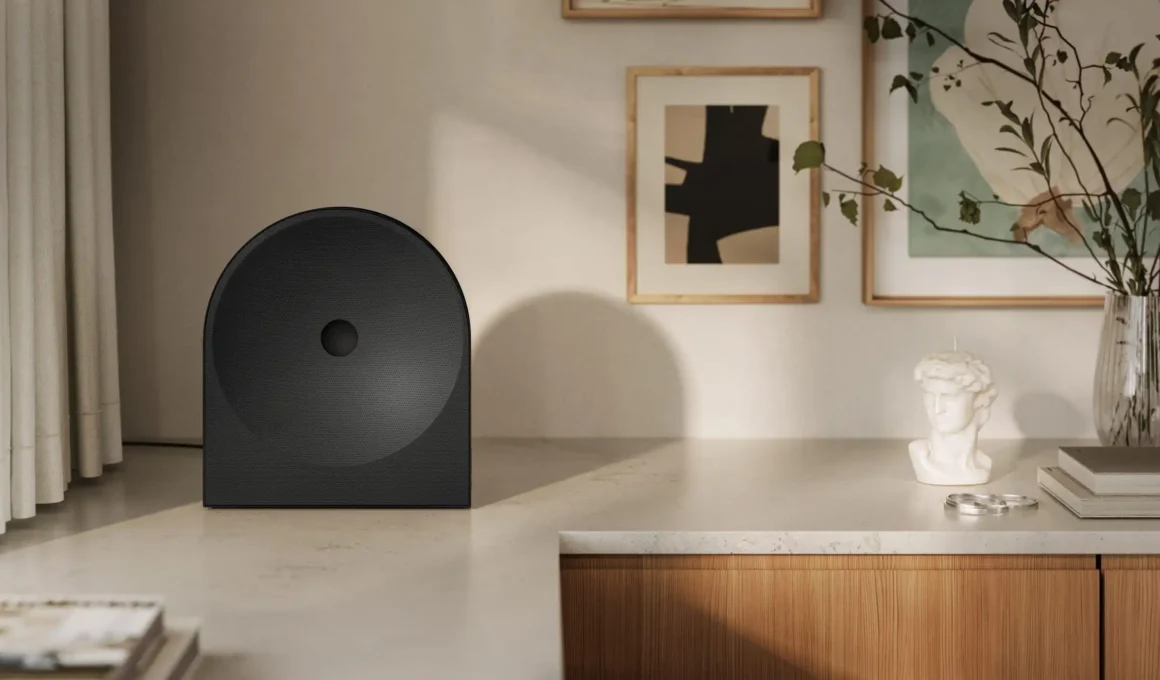
A departure from the aggressive aesthetic of consumer electronics, the debut of Samsung’s Music Studio 5 and Music Studio 7 at CES 2026 in Las Vegas marks a sophisticated evolution in the domestic soundscape. Collaborating with French designer Erwan Bouroullec, Samsung has moved beyond the “black box” archetype to deliver a series that functions as much as furniture as it does high-fidelity equipment. The spatial configuration of these units centers on a restrained, circular dot form—an abstract nod to musical notation—that allows the hardware to recede into the vernacular of the modern home. By treating the speaker as a sculptural element, Bouroullec challenges the industry’s obsession with visible power, opting instead for a quiet presence that prioritizes the materiality of the living environment.
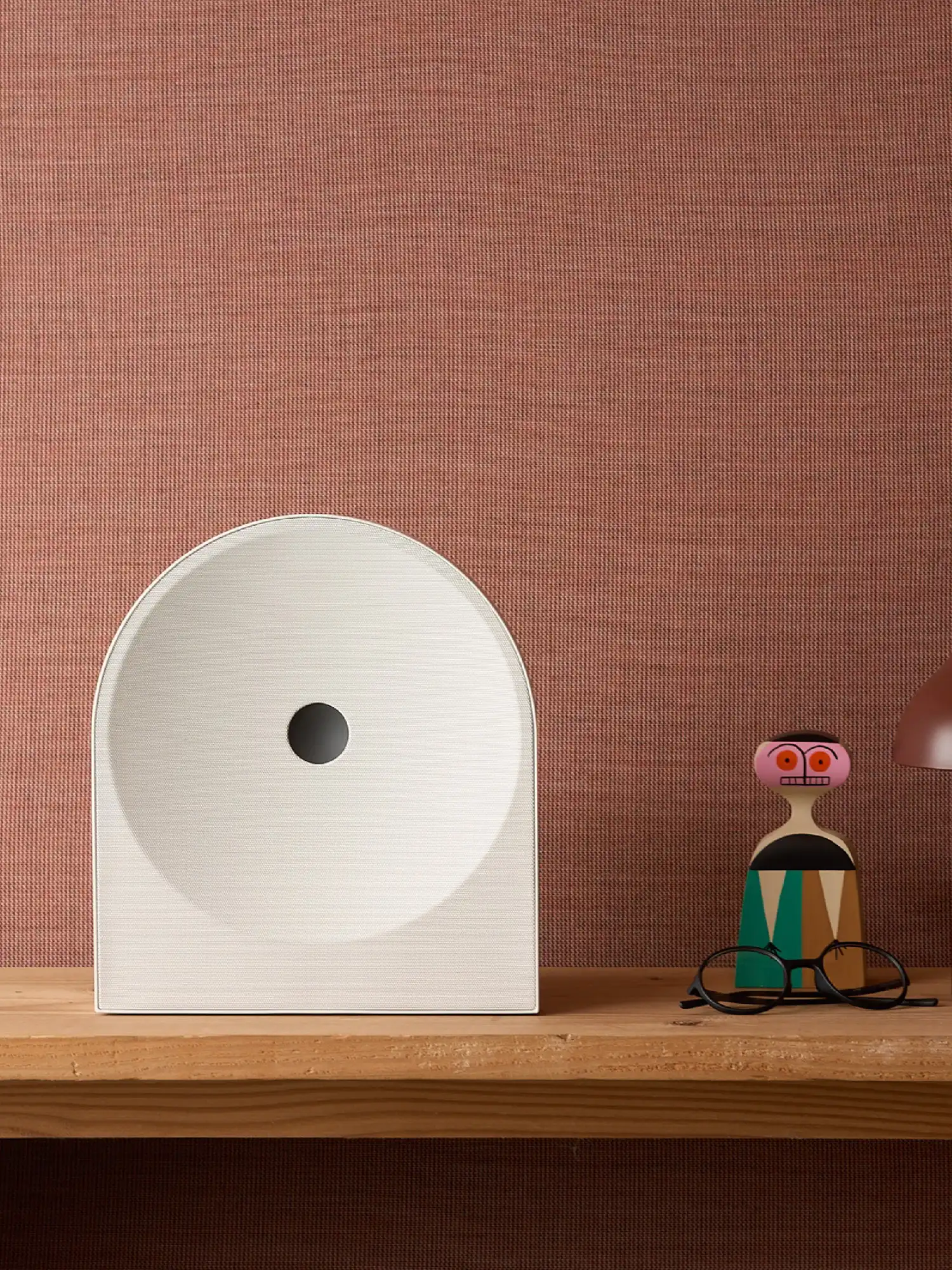
The sensory experience is defined by an invisible intelligence, where AI-driven sound processing replaces the friction of manual calibration. Utilizing advanced spatial tuning, the Music Studio series perceives its own placement within a room, adjusting its output to mitigate the acoustic reflections of glass, wood, or plaster. This creates a “plug-and-play” high-fidelity experience that respects the user’s lifestyle rather than demanding a technical overhaul of their space. The juxtaposition of Bouroullec’s minimalist geometry with Samsung’s aggressive AI Dynamic Bass Control ensures that the auditory weight of the device far exceeds its visual footprint, grounding the sound in a rich, distortion-free low end that feels organic rather than synthesized.
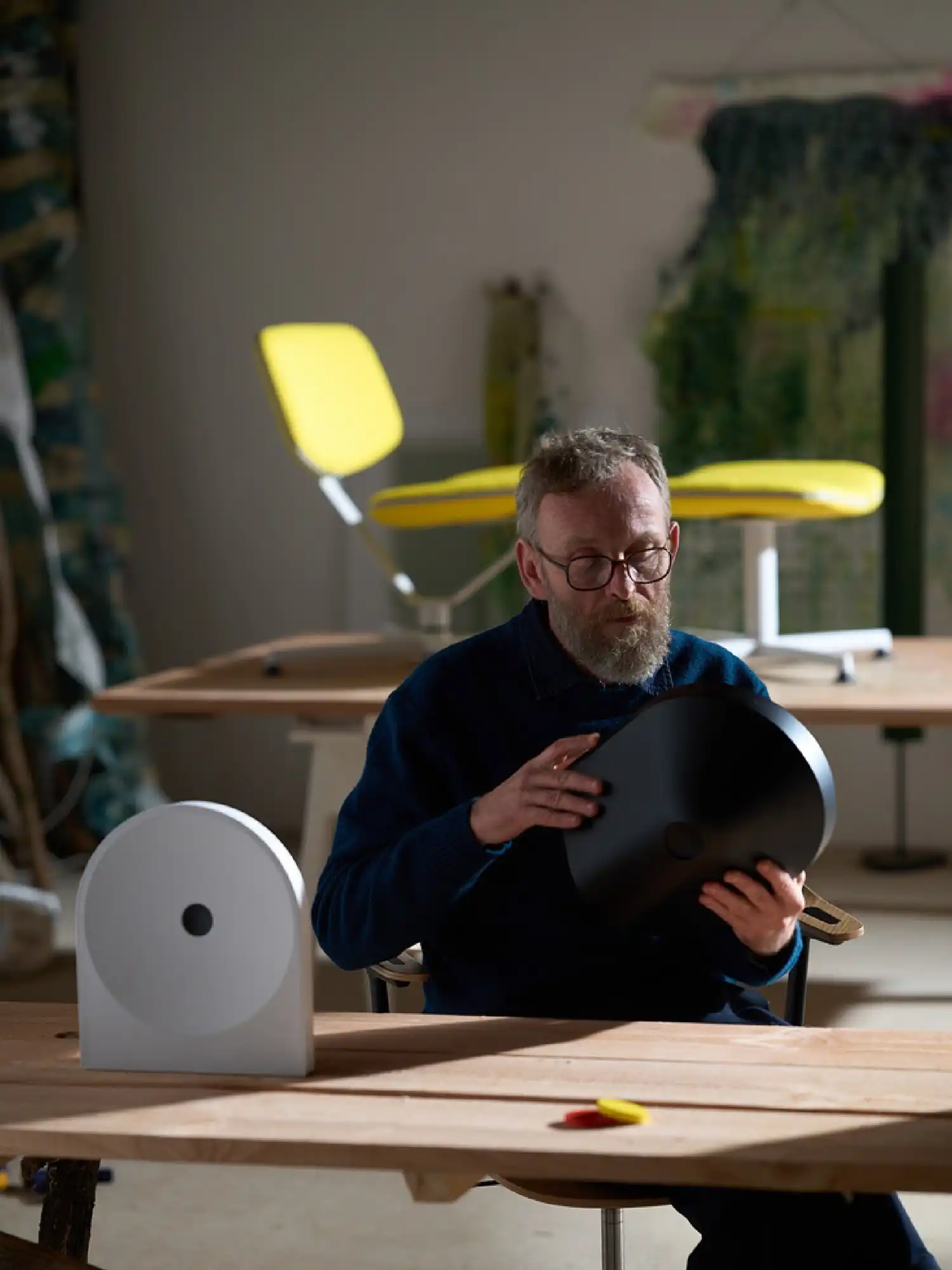
Architectural verticality finds its voice in the Music Studio 7, a 3.1.1-channel powerhouse that redefines the capabilities of a standalone unit. By integrating top-firing drivers alongside left, front, and right channels, the device constructs a three-dimensional field of sound that mimics the atmospheric depth of a live performance. Samsung’s Pattern Control Technology is the hidden engine here, meticulously managing signal overlap to ensure that directionality remains sharp even in open-plan residences in Seoul or New York. This focus on clarity—supported by 24-bit/96kHz high-resolution processing—elevates the product from a mere “lifestyle” accessory to a serious tool for the contemporary audiophile, bridging the gap between convenience and professional-grade acoustics.
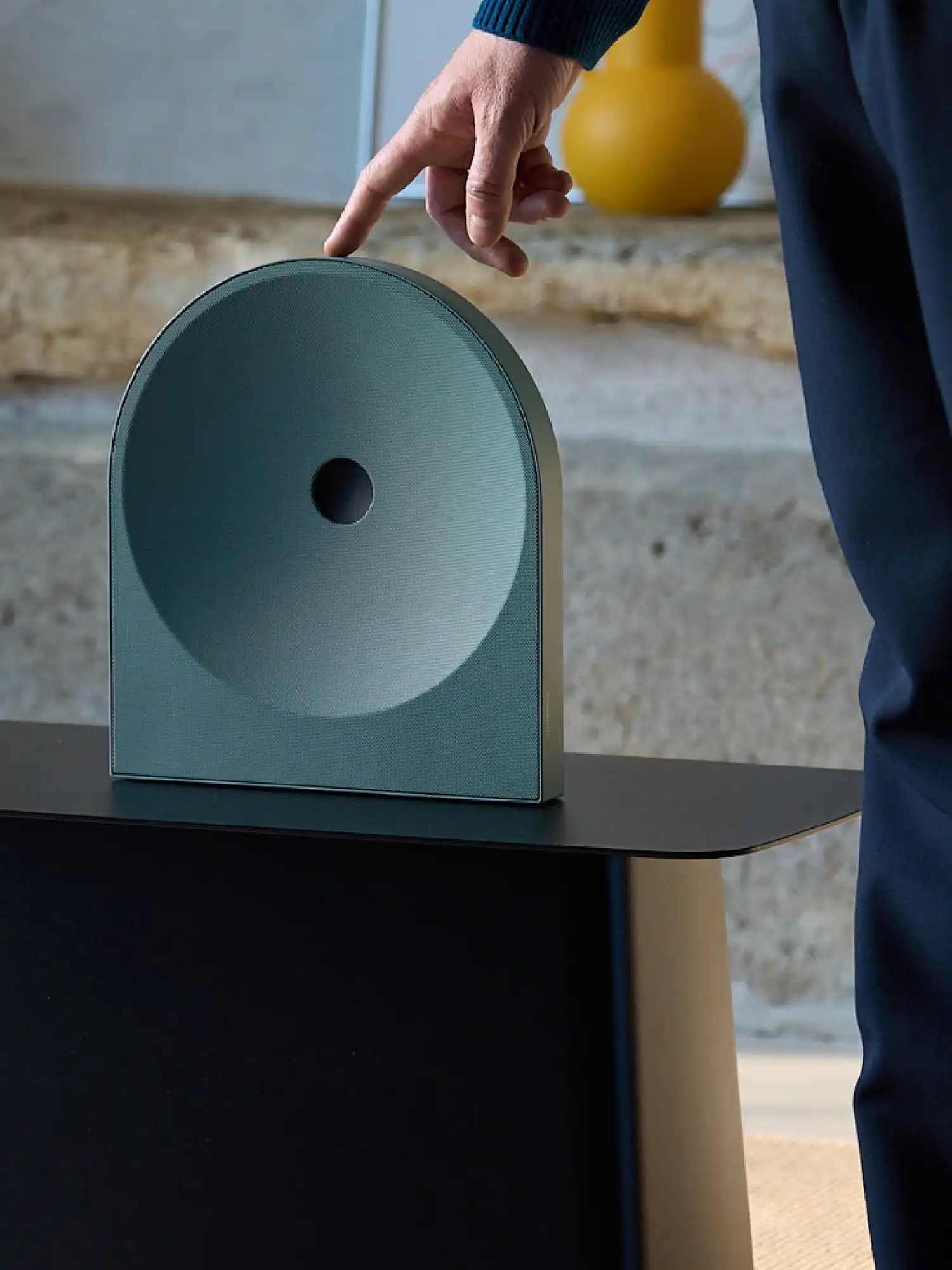
In more intimate settings, the Music Studio 5 acts as a gallery-like object, emphasizing visual calm and balanced distribution. Designed for the quiet corners of a study or the curated shelves of a minimalist kitchen, it utilizes a 4-inch woofer and dual tweeters with an integrated waveguide. This configuration ensures that sound is projected with a wide, even dispersion, preventing the “beaming” effect common in smaller speakers. Despite its compact scale, the integration of the Seamless Codec ensures that high-bandwidth Wi-Fi streaming occurs without compromising the object’s silhouette. It is a masterclass in reductive design, where connectivity is treated as a silent utility rather than a featured distraction.
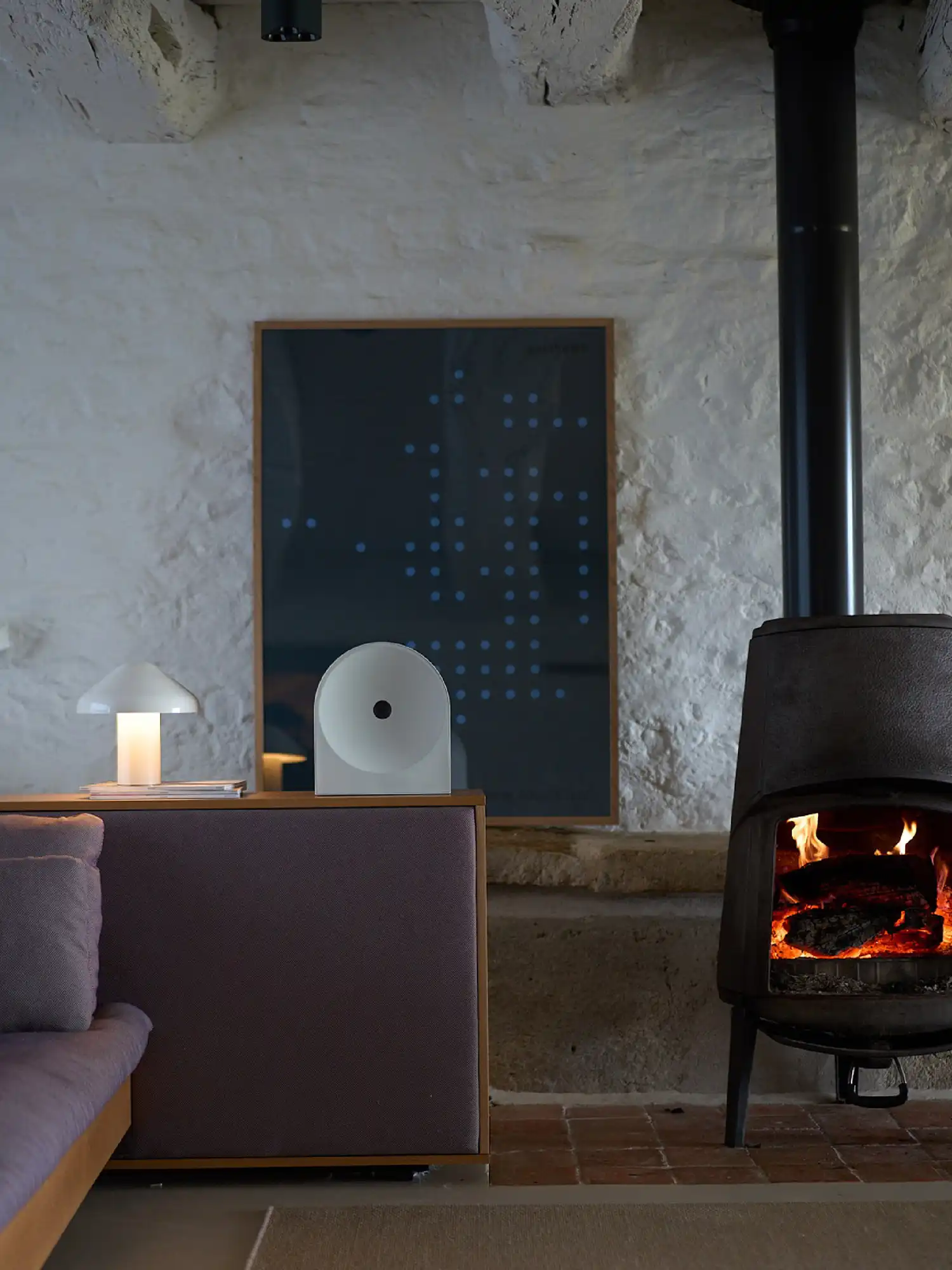
The true innovation lies in the modularity of the ecosystem, facilitated by the Q-Symphony and SmartThings platforms. Rather than viewing audio as coming from a single focal point, the Music Studio series encourages a distributed sound field where multiple speakers and TVs operate in a synchronized layer. This allows sound to become an ambient texture that follows the inhabitant through different zones of the home, scaling effortlessly from a solitary listening session to a full-home cinematic experience. This modular audio ecosystem reflects a broader shift in industrial design, where longevity is built through software flexibility and the ability to expand a system over time as one’s living requirements evolve.

Contextually, these objects represent a shift in the dialogue between technology and the domestic sphere. By unveiling these pieces at CES 2026, Samsung and Bouroullec have signaled that the future of the smart home is not found in more screens, but in more thoughtful integration. The Music Studio 5 and 7 succeed because they do not compete with the interior; they complete it. Through a synthesis of sculptural form and reactive AI, the series acknowledges that the way we inhabit our homes is fluid, and our soundscapes should be equally adaptable. It is a refined vision of the future where the boundary between the digital pulse and the physical room finally dissolves into a singular, harmonious experience.