



Parquet flooring, with its timeless elegance and versatility, can elevate any home’s aesthetic. Beyond the classic herringbone, a world of stunning parquet patterns exists, each offering a unique character and visual impact. This guide explores popular parquet designs, their benefits, how to choose the perfect one for your space, and crucially, how to ensure its longevity through proper installation and maintenance.
Why Choose Parquet Flooring?
Before diving into patterns, let’s recap why parquet flooring is a fantastic choice:
- Durability: Hardwood parquet flooring is known for its longevity, resisting wear and tear for years.
- Timeless Appeal: Parquet designs have graced homes for centuries, ensuring a classic and sophisticated look that never goes out of style.
- Versatility: From traditional to contemporary, parquet complements various interior design styles.
- Value Addition: Installing quality parquet flooring can significantly increase your property’s value.
- Warmth and Comfort: Wood flooring provides a natural warmth and underfoot comfort.
Exploring Stunning Parquet Flooring Patterns
Now, let’s delve into the exciting world of parquet patterns:
1. Herringbone: The most popular choice, herringbone features rectangular blocks laid in a zigzag pattern, resembling fish bones. It adds a dynamic and visually interesting element to any room.
2. Chevron: Similar to herringbone, chevron uses blocks laid at a 45-degree angle, creating a cleaner, more linear V-shaped design. It offers a modern and sophisticated feel.
3. Basket Weave: This pattern creates a woven effect by alternating groups of two or three blocks laid perpendicularly. It’s a simpler, more understated design that works well in smaller spaces.
4. Brick Bond: Mimicking the layout of bricks, this pattern uses rectangular blocks laid in staggered rows. It provides a classic and familiar look, often used in traditional interiors.
5. Versailles Panel: This elegant and intricate pattern features square panels with smaller parquet designs inside, often incorporating diagonal or geometric motifs. It exudes luxury and grandeur.
6. Ladder: This simple yet stylish pattern features rows of blocks laid in a ladder-like formation. It offers a clean and contemporary aesthetic.
7. Diagonal: Blocks are laid diagonally across the room, creating a sense of spaciousness and visual flow. This pattern works well in smaller rooms to make them appear larger.
Choosing the Right Parquet Pattern for Your Home
Consider these factors when selecting a parquet pattern:
- Room Size: Larger rooms can handle more complex and intricate patterns like Versailles or herringbone, while smaller rooms benefit from simpler designs like basket weave or brick bond.
- Interior Design Style: Choose a pattern that complements your existing furniture and décor. Herringbone and chevron suit both modern and traditional styles, while Versailles leans towards classic elegance.
- Desired Mood: Consider the atmosphere you want to create. Herringbone adds dynamism, while chevron offers sophistication. Basket weave provides a more relaxed feel.
- Budget: More complex patterns like Versailles require more labor and materials, impacting the overall cost.
- Wood Type: The type of wood you choose will also influence the overall look. Oak, walnut, and maple are popular choices.
Installation and Maintenance: The Key to Long-Lasting Beauty
This is arguably the most crucial aspect of parquet flooring ownership. A beautiful pattern means nothing without proper execution and care.
Installation
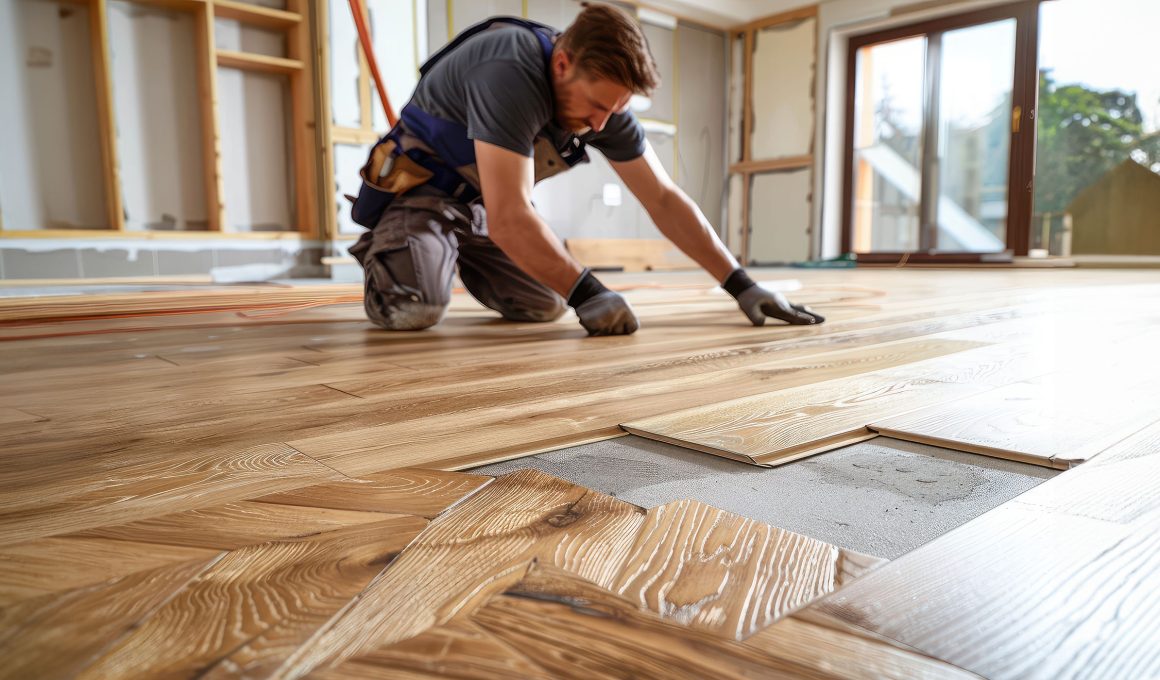
- Professional Expertise is Essential: Parquet flooring installation is a skilled trade. Don’t attempt a DIY approach unless you have extensive experience. A professional installer will ensure proper subfloor preparation, precise pattern execution, and secure bonding of the blocks. This prevents issues like warping, gaps, and unevenness down the line.
- Subfloor Preparation: A level, clean, and dry subfloor is paramount. Any imperfections will telegraph through the finished floor. The installer will assess the subfloor and make necessary preparations.
- Acclimation: The parquet blocks need to acclimate to the room’s temperature and humidity for several days before installation. This minimizes expansion and contraction after installation.
- Adhesive Selection: The correct adhesive is crucial for a strong and lasting bond. The type of adhesive will depend on the wood species and subfloor material.
Maintenance
- Regular Cleaning: Regular sweeping or vacuuming is essential to remove dirt and grit that can scratch the finish. Use a damp mop with a pH-neutral wood floor cleaner. Avoid excessive moisture.
- Protecting the Finish: Use rugs in high-traffic areas to protect the finish. Avoid wearing shoes with high heels on the floor. Place felt pads under furniture legs to prevent scratches.
- Refinishing: Over time, the finish on parquet flooring will wear down. Refinishing, which involves sanding the floor and applying a new finish, can restore its original beauty. The frequency of refinishing depends on the amount of traffic and the type of finish used.
- Addressing Issues Promptly: Address any spills immediately to prevent staining or warping. Repair any damaged blocks promptly to prevent further damage.
Conclusion
Transforming your home with stunning parquet flooring patterns is a worthwhile investment. By carefully considering the various designs, room size, overall style, and most importantly, prioritizing professional installation and diligent maintenance, you can create a beautiful and timeless space that you’ll enjoy for years to come. Remember to consult with a flooring professional for expert advice on the best pattern, wood type, and maintenance schedule for your specific needs.