



Marvel Studios has boldly launched its first family into a new cinematic era, and the visual language is nothing short of a mid-century modern design fever dream. The highly anticipated Fantastic Four movie, finally hitting screens, isn’t just a superhero film; it’s a meticulously crafted retro-futuristic love letter to the Space Age aesthetics and visionary Jack Kirby artwork that birthed the iconic team back in 1961. Forget chrome-and-neon CGI overload; this film basks in the warm glow of analog ambition and atomic optimism.
Director Matt Shakman and production designer Eve Stewart have made a daring, brilliant choice: anchoring the Fantastic Four origin story firmly in the swinging sixties. This isn’t merely a period backdrop; it’s the film’s beating heart. We witness Reed Richards, Sue Storm, Ben Grimm, and Johnny Storm not as contemporary figures, but as pioneers shaped by the era’s explosive scientific curiosity and bold design sensibilities. Their world thrums with the optimism of the NASA space race, rendered with tactile authenticity.
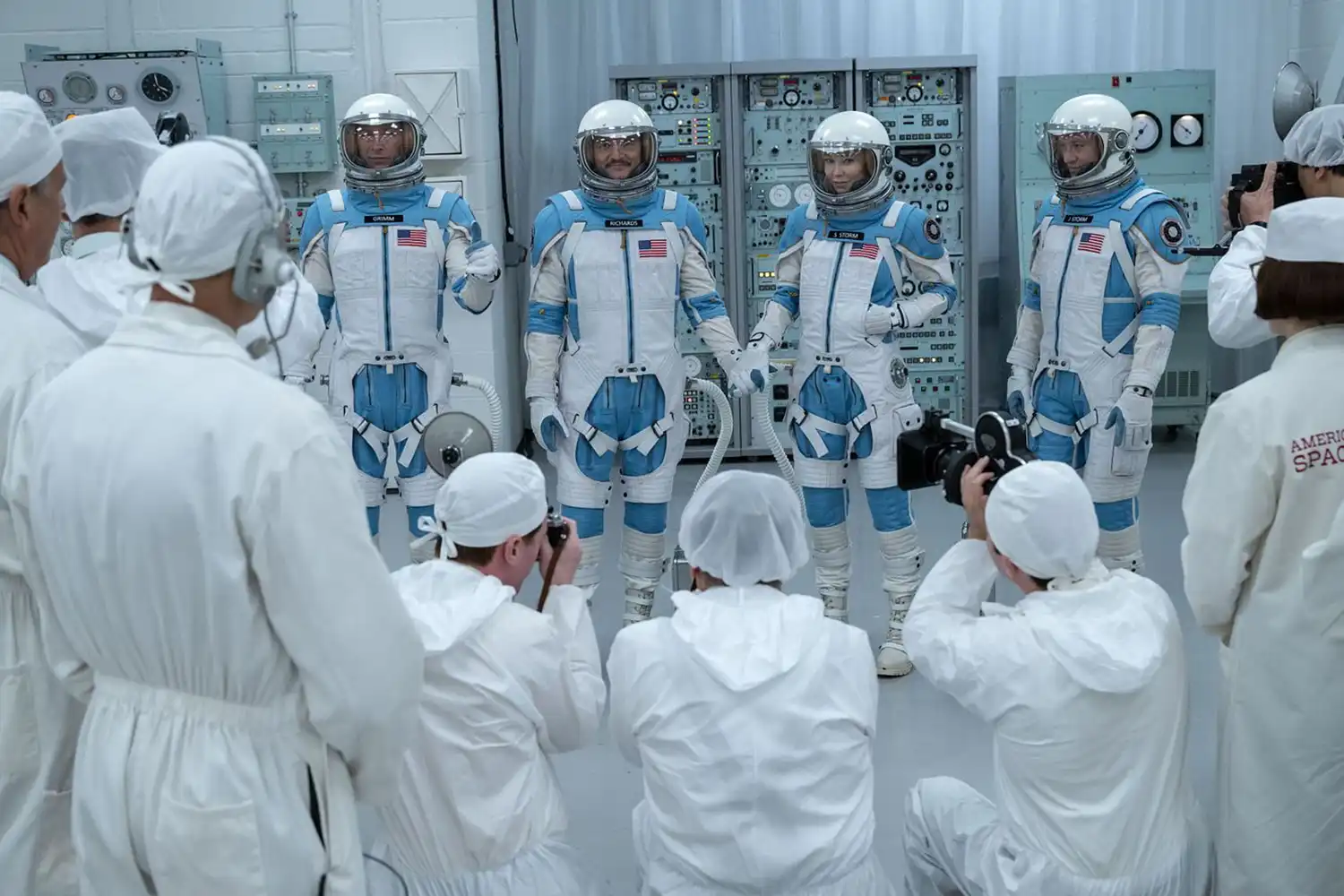
The film’s visual triumph lies in its breathtaking production design. The Baxter Building, the team’s iconic headquarters, is reimagined not as a sleek modern skyscraper, but as a Mad Men-meets-Jetsons marvel. Think soaring atriums clad in rich wood paneling, furniture boasting clean Scandinavian design lines and vibrant pops of Eames-era color palettes, and laboratories filled with chunky, purposeful switches, glowing vacuum tubes, and intricate brass instrumentation. It’s brutalist architecture softened by Danish modern warmth – a perfect reflection of the team’s blend of intellectual rigor and human heart.
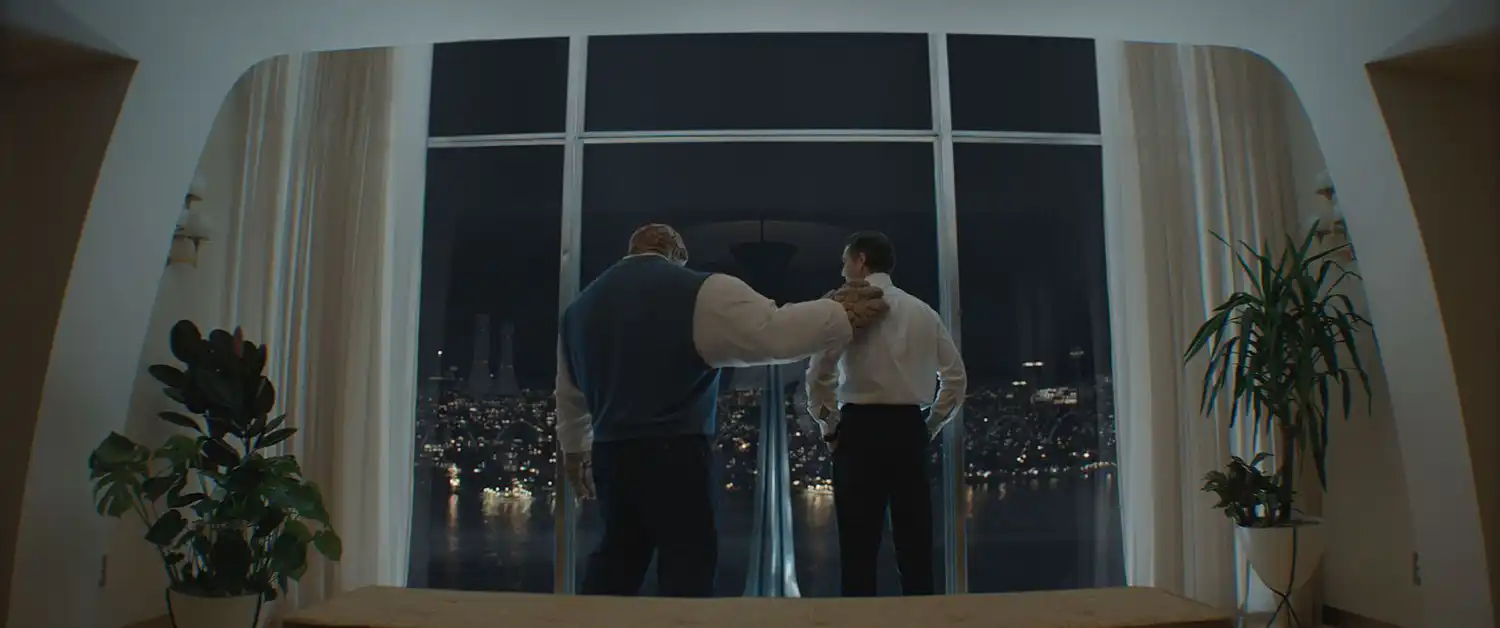
The influence of legendary co-creator Jack Kirby is palpable in every frame, far beyond the characters’ costumes. The film masterfully translates his dynamic Kirby Krackle energy effects – those signature cosmic dots and energetic fractals – into the cinematic realm. The cosmic rays that grant the quartet their powers manifest as a terrifyingly beautiful display of atomic age visual effects, feeling both otherworldly and strangely grounded in the era’s understanding of radiation and space. Even Doctor Doom’s Latverian stronghold echoes Kirby’s dramatic, imposing technological designs, blending medieval menace with cold war-era machinery.
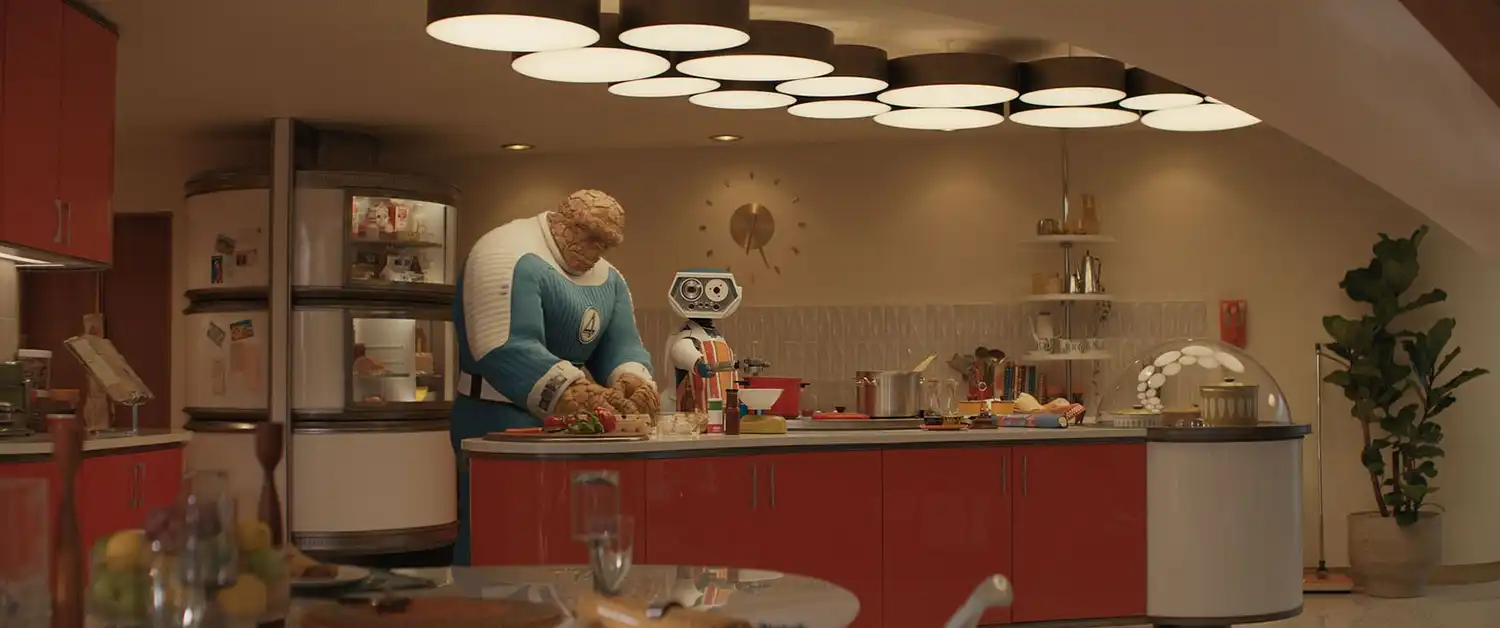
The Fantastic Four powers themselves are visually reimagined with a period-appropriate flair. The Human Torch’s flames burn with an almost liquid, organic quality, while Mr. Fantastic’s elasticity possesses a tangible, rubber-hose animation weight reminiscent of early SFX. The Thing is a masterpiece of practical and digital effects combined, his rocky hide looking less like polished granite and more like weathered, textured concrete sculpture – a tragic monument formed in a moment of scientific hubris.
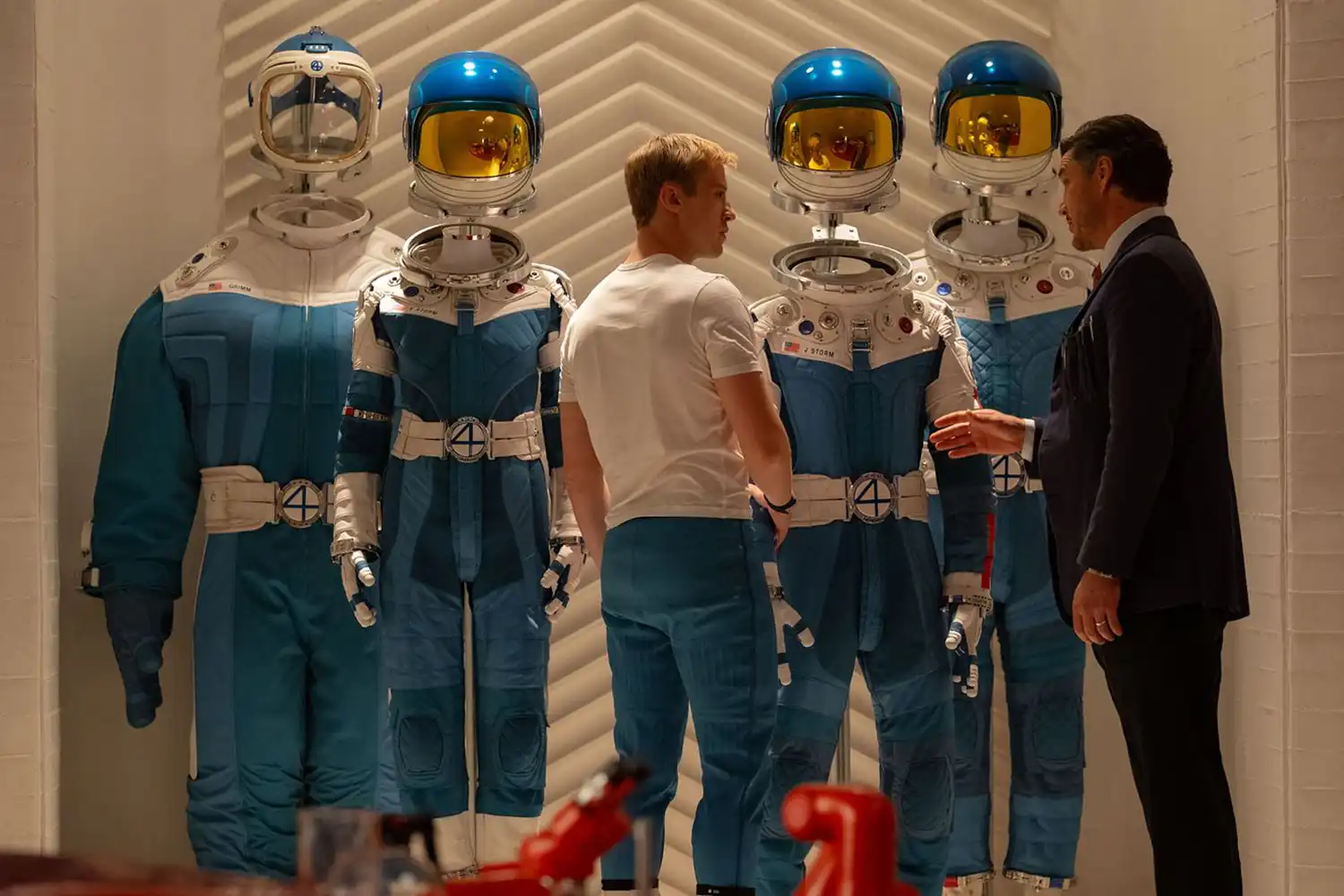
This Marvel Cinematic Universe entry stands apart precisely because of its stylistic commitment. It leverages 1960s futurism not as kitsch, but as a profound design philosophy. The technology feels weighty, purposeful, and beautifully imperfect. Screens are cathode ray tubes, computers are room-sized beasts, and spacecraft interiors scream Pan Am aesthetics. It’s a world where the future was built by hand, fueled by boundless imagination and the belief that science, and good design, could solve anything.
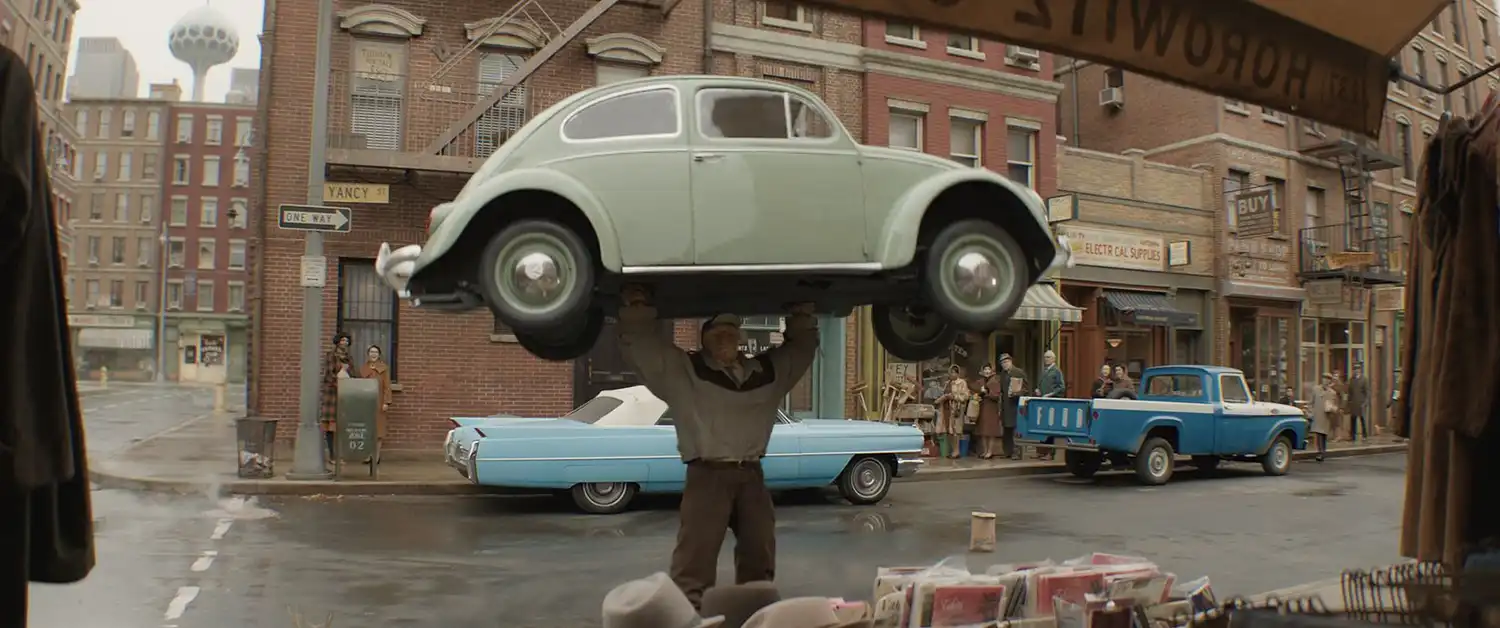
The new Fantastic Four movie is more than a superhero blockbuster; it’s a visual spectacle offering a masterclass in period-accurate design and a potent reminder of the enduring legacy of Jack Kirby’s revolutionary comic book artistry. It proves that looking back, deeply and authentically into the design soul of the past, can be the most thrilling way to propel a beloved franchise forward. Prepare for a cinematic experience drenched in atomic-age ambition and timeless aesthetic wonder.