

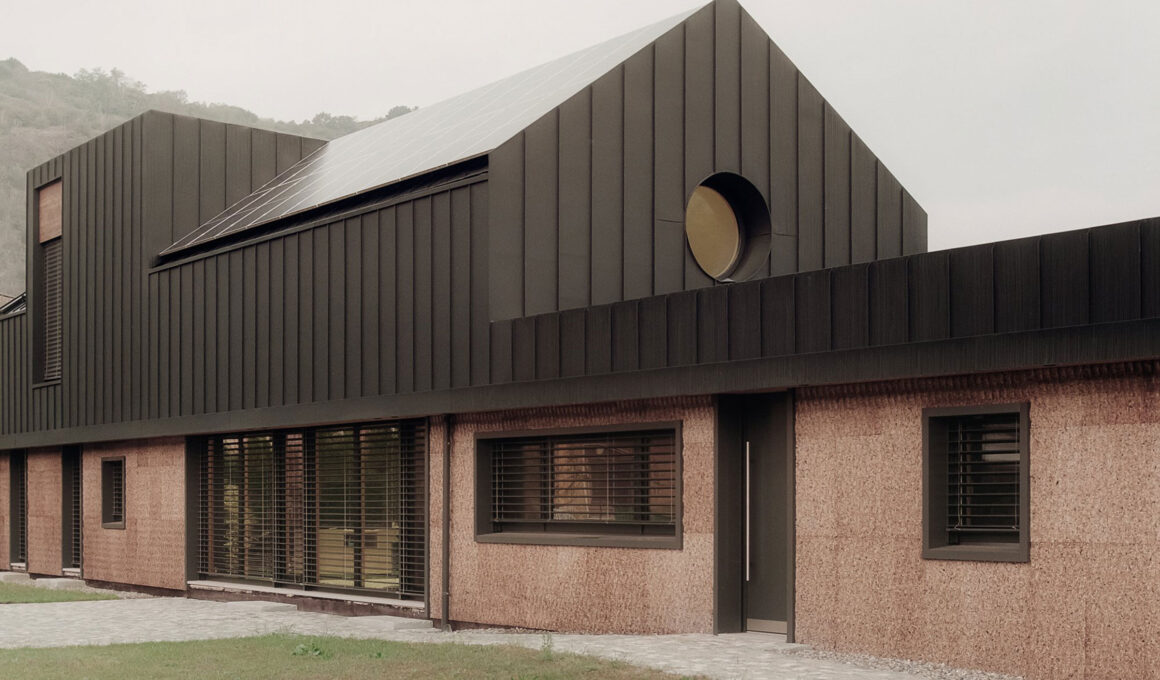
In an era defined by the climate crisis, architects and designers are on a relentless quest for materials that are not only beautiful and high-performing but also genuinely sustainable. The search often leads to high-tech labs and novel composites. But sometimes, the most revolutionary solution is a return to a timeless, natural resource. Enter cork, a material shedding its rustic, pin-board image and emerging as a sophisticated star of sustainable architecture.
Beyond the wine stopper, cork is experiencing a profound renaissance as a high-performance building material for both exterior cladding and full-wall insulation. It’s a powerful combination that tackles energy efficiency, aesthetic appeal, and environmental responsibility in one fell swoop. Let’s delve into why cork is rocketing to the top of green building spec sheets.
The Root of its Genius: What Makes Cork a Super-Material?
Cork is harvested from the bark of the Cork Oak tree (Quercus suber), primarily in the Mediterranean. The harvesting process is remarkably sustainable; the bark regenerates, and no trees are cut down. This makes cork a rapidly renewable resource.
Its cellular structure is its superpower. Cork is composed of millions of tiny, honeycomb-like cells filled with a gas similar to air. This structure gives cork its unique set of properties:
Natural Insulation: The trapped air makes cork an exceptional thermal insulator, keeping buildings warm in winter and cool in summer, drastically reducing energy needs for heating and cooling.
Acoustic Performance: The same cellular structure absorbs sound and vibration, making it an excellent acoustic insulation material for both interior walls and building envelopes in noisy urban environments.
Fire Retardant: Cork is naturally fire-resistant. It doesn’t release toxic fumes when burning and chars without spreading flames.
Durability and Impermeability: Suberin, a waxy substance in cork, makes it resistant to moisture, rot, and insect infestation—a critical factor for exterior cladding.
Tsou Arquitectos: Casa da Levada – A Cork-Clad Home Cut into Portugal’s Hills
Cork Cladding: A Textural and Sustainable Façade
Gone are the days when cork was confined to interior mood boards. Cork cladding systems are now being used to create stunning, tactile building exteriors. Available in panels, tiles, and blocks, cork cladding offers a warm, organic aesthetic that ages gracefully, developing a silvery-grey patina over time.
Architectural projects across Europe are showcasing its potential. From the iconic Cork House in the UK, which utilized massive cork blocks, to modern extensions where cork panels provide a soft, textural contrast to crisp glass and metal, the material is proving its versatility. It’s a biophilic design choice that connects a structure directly to its natural surroundings.
Key benefits of cork cladding include:
Aesthetic Uniqueness: Provides a natural, warm, and contemporary look.
Weather Resistance: Stands up to the elements with minimal maintenance.
Lightweight: Easier and sometimes cheaper to install than stone or brick.
Cork Insulation: The Invisible Energy Saver
While cladding handles the exterior look, cork insulation works tirelessly behind the scenes. Used as insulation boards for roofs, walls, and floors, cork creates a continuous, high-performance building envelope.
For those pursuing Passivhaus standards or simply looking to improve their energy efficiency, cork insulation is a prime choice. Its high R-value (a measure of thermal resistance) and ability to manage humidity contribute to a healthy, comfortable, and low-energy indoor environment. Unlike some synthetic insulations, cork is completely non-toxic and hypoallergenic, contributing to superior indoor air quality.
The Verdict: A Material for Our Time
The case for cork is compelling. It is a carbon-negative material—the cork forests act as significant carbon sinks, and the harvesting process further helps sequester CO2. When you specify cork cladding and cork insulation, you are not just choosing a building product; you are supporting a circular economy and a fragile ecosystem.
As we move towards a more resilient and ecologically mindful future, materials that offer a closed-loop cycle, inherent performance, and aesthetic charm will lead the way. Cork, in its beautiful simplicity, checks every box. It’s not just a trend; it’s a testament to the fact that the best solutions are often those that nature has already perfected.
Are you considering cork for your next project? Explore our posts of innovative cork architecture for more inspiration.