




For years, the world of IEM cables has been shaped mostly by Asian manufacturers—efficient, technically solid, but rarely guided by design. Most cables were treated as utility parts rather than aesthetic objects that complement modern earphones. When we created Zikman audio, our goal was to introduce a distinctly European design culture into a category that had never truly experienced it.
Rethinking the 2-pin format
We have been working with the 2-pin standard for many years, exploring it not only from a technical perspective but also through the lens of industrial design. The format offers a rare balance of reliability, universality, and creative freedom. That is why Zikman built several parallel directions within this single connector type: classic models suitable for most IEMs, and more advanced cables tailored for high-end DAPs and portable DAC/amps.
In the essential category, we produce understated and refined cables such as the familiar 2 pin iem cable, as well as sturdier upgrades like the 2 pin headphone cable, made for larger monitoring setups. These versions are designed to feel visually coherent with modern IEMs—calm, precise, and well-balanced.
Another part of the lineup focuses on individuality and expressive sound. Here we introduce designs like 2 pin cable iem, featuring alternative braid geometries or richer color combinations, and minimalistic models such as 2 pin cable, where simplicity becomes a statement in itself. For users who want a perfect physical match with specific IEM shells, we also offer iem 2 pin cable and iem cable 2 pin, built with compact hardware and a more flexible ear-hook form.
Balanced systems form their own direction. Geometry, conductor choice, and mechanical stability matter even more when the cable must reveal the full capability of modern audio sources. For this purpose, we create the 2 pin audio cable and fully balanced designs like the 2 pin balanced iem cable, built to maximize dynamics and headroom in portable rigs.
Across all these directions—basic or flagship—one thing remains unchanged: at Zikman, design comes before the connector.
Color, texture, and visual geometry
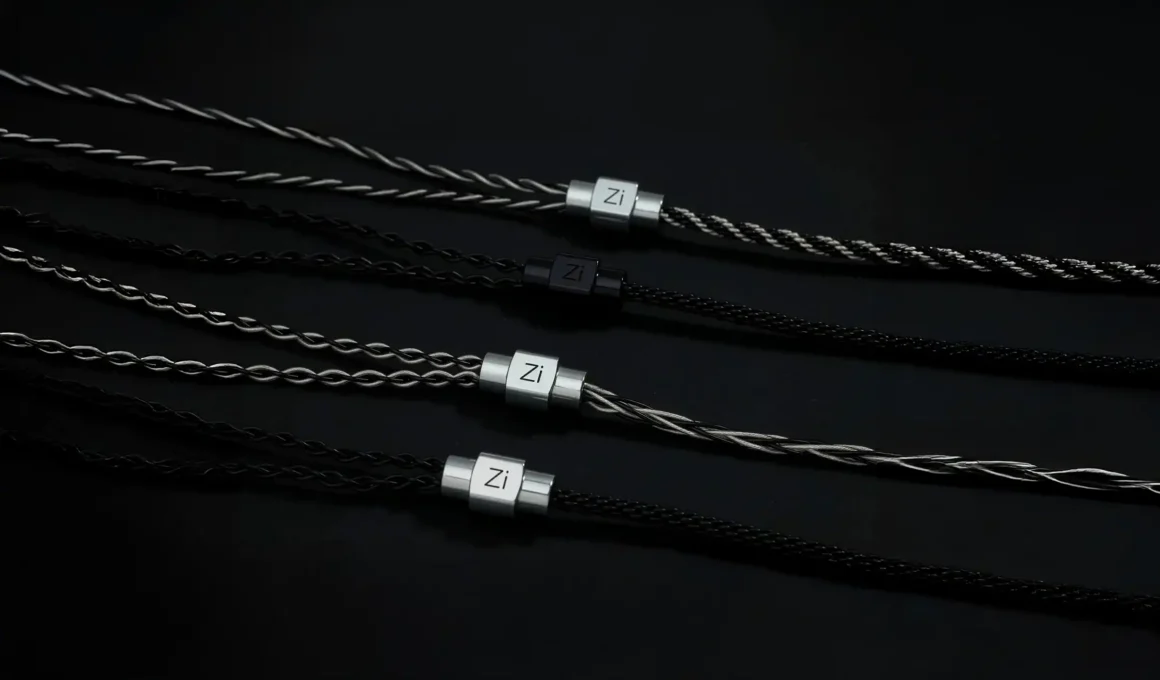
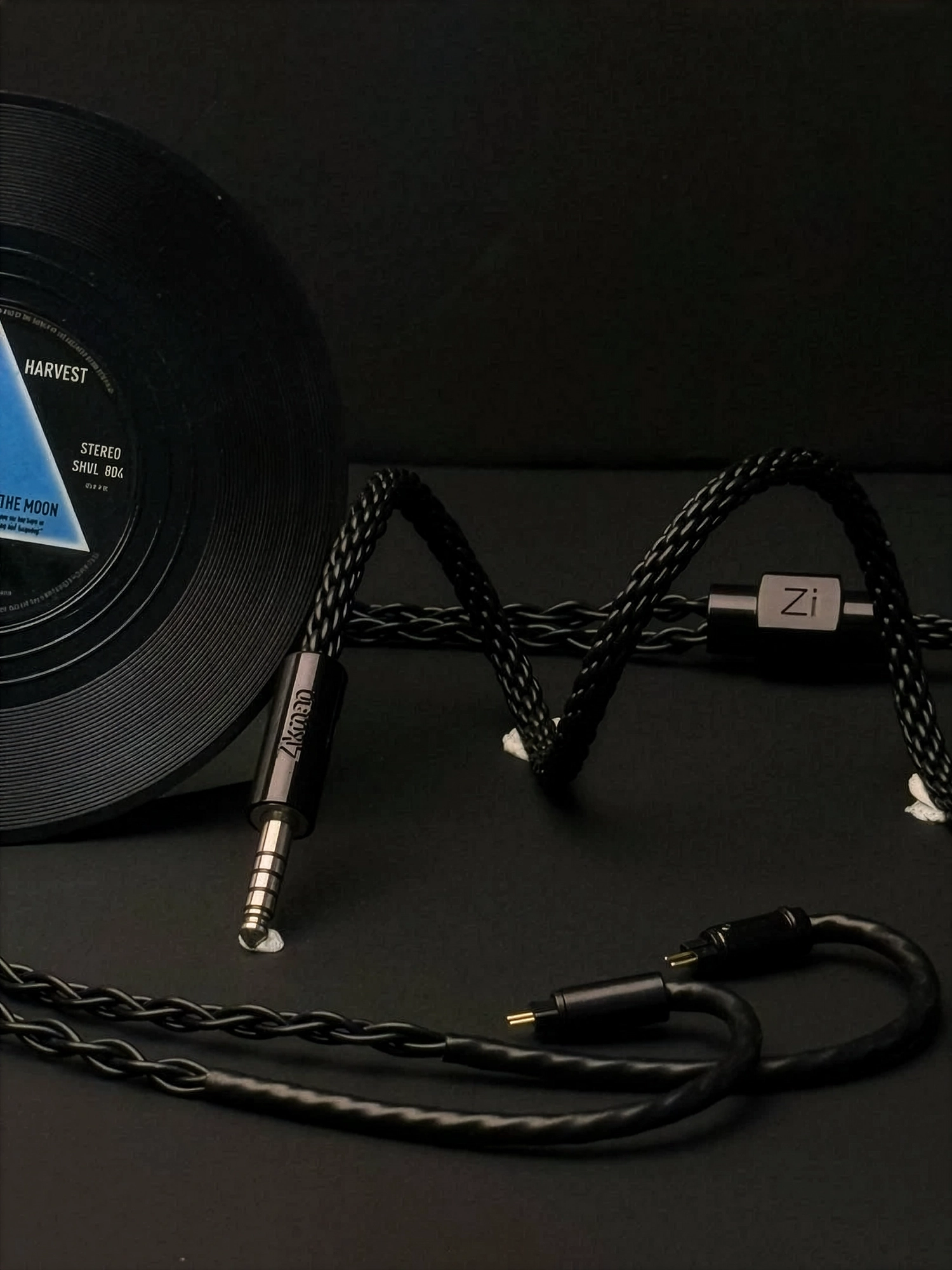
Our work starts with the idea that color and material must collaborate. In many traditional cables, color is an afterthought. In Zikman products, every shade is selected deliberately. Two primary sleeving options set the mood. A clear sleeve reveals the structure of the conductor, amplifying the metallic glow and turning the braid into a visual element. A black sleeve creates a calmer, architectural look—minimalistic, confident, and unmistakably European. All metal parts go through cold anodizing, resulting in a deep, even, matte-leaning finish. It avoids the typical glossy shine found in mass-market hardware and instead embraces a disciplined, tactile aesthetic inspired by European industrial design.
Form as a design language
We approach connectors and splitters not as generic parts but as small industrial objects. Rather than the usual cylindrical forms, Zikman introduces purposeful geometry:
- balanced proportions
- smooth transitions
- clean visual logic
- zero unnecessary decoration
This aligns with the design culture of contemporary European electronics, where every element feels intentional. Even the braid becomes a visual signature. It must be uniform, consistent, and symmetrical along the whole length. That is why all Zikman cables are braided by hand—automated equipment cannot replicate the precision needed for a clean, structured pattern.
Materials and sound that make a difference
Design at Zikman is inseparable from engineering. We use monocrystalline copper, high-purity silver, and hybrid conductors to achieve lower resistance and more stable channel behavior. Compared to stock cables, the difference is immediately noticeable:
- cleaner transients
- wider soundstage
- fewer micro-resonances
- more transparent mids
The 2-pin connectors lock accurately and securely, providing a stable electrical interface even with frequent portable use.
Why the European approach matters now
Hi-Fi has matured visually. Modern earphones are sophisticated design objects, yet the cables attached to them often remain purely utilitarian. We believe an accessory should meet the same aesthetic and tactile standards as the device it supports. European design is not about loudness—it is about harmony, material honesty, and visual clarity. A cableshould feel like a natural extension of the IEMs and a meaningful part of the overall user experience.
Explore the full lineup
All models, finishes, and material configurations can be found here: https://zikman.audio/catalog/iem-cables/