




Luxury living goes beyond stunning architecture and premium finishes, it’s about how effortlessly your home adapts to you. Today’s smart HVAC technology is redefining comfort, turning everything from climate control to heat pump installation into a seamless, invisible part of the home. By blending energy efficiency, air quality, and thoughtful design, smart systems elevate everyday living in a way that feels intuitive, personalized, and quietly luxurious.
What Is Smart HVAC?
A traditional HVAC system is reactive. It runs on fixed settings you adjust manually and often only gets attention during routine air conditioner service or mini split maintenance. A smart HVAC system is proactive and adaptive, using data from sensors, apps, and even weather forecasts to fine-tune heating, cooling, and air circulation with minimal input. Think of it less as a machine you operate and more as a climate concierge that learns your habits and adjusts automatically.
The biggest difference is intelligence. While traditional HVAC maintains a static temperature, smart HVAC systems anticipate, learn, and adapt. They study your daily patterns, respond to outside weather shifts, and balance temperature, humidity, air quality, and even room-by-room usage patterns. This transforms HVAC from a simple utility into part of the home’s lifestyle ecosystem, creating an environment that feels in tune with you.
How Do Smart HVAC Work?
At their core, smart HVAC systems operate on three layers: sensors, algorithms, and connectivity.
Sensors gather real-time data on temperature, humidity, occupancy, air quality, and sometimes even CO₂ or VOC levels.
Algorithms interpret that data and predict when heating or cooling should adjust, often before the homeowner notices discomfort, like cooling a bedroom ahead of bedtime or pre-warming the house before a sudden cold snap.
Connectivity via Wi-Fi and apps ties everything together, letting the system integrate with smartphones, voice assistants, or full home automation platforms.
The result is a comfort autopilot: if sensors detect an empty room, smart HVAC vents can close to redirect airflow elsewhere, and when forecasts predict shifts in weather, the system anticipates those changes rather than merely responding. This reduces the need for manual tweaking and creates a home environment that stays consistently balanced, while also flagging potential issues early and simplifying mini split repair before problems escalate.
What Are Examples of Smart HVAC Products?
The ecosystem is much broader than just a basic hvac smart thermostat.
Devices like the Nest Learning Thermostat or Ecobee adapt to your schedule, learn patterns, and even respond to voice commands.
Motorized vents and zoning systems, including smart HVAC vents, regulate airflow room by room, ensuring energy isn’t wasted on unused spaces.
Environmental sensors measure not only temperature, but also humidity, air quality, occupancy, and sometimes even CO₂ or allergens.
Mobile apps and dashboards give you fine-grained control along with insights into energy use and how air quality affects daily comfort or sleep.
Integration with larger platforms such as Apple HomeKit, Alexa, Crestron, or whole-home automation systems connects HVAC to lighting, shading, or security for a seamless experience.
Together, these elements form a personalized network that doesn’t just automate heating and cooling, it creates a home environment tuned for efficiency, wellness, and comfort through smart HVAC solutions.
How to Know Which Smart Thermostat Works With Your HVAC?
Compatibility isn’t one-size-fits-all, HVAC systems vary by age, wiring, and complexity. Many smart thermostats require a C-wire for power, and while older systems may not have one, adapters are available. Single-stage versus multi-stage systems, heat pumps, and radiant heating all have different requirements, especially when it comes to long-term performance and heat pump repair considerations, which is why most leading manufacturers provide online tools where you can input your wiring and system type to check compatibility.
But technical fit is only part of the equation. The larger question is whether the setup can grow with you. A hvac smart thermostat may be the starting point, but the most effective smart HVAC systems are future-proof, giving homeowners the flexibility to expand into zoning, sensors, or whole-home integration later. For more complex or high-end systems, a quick consultation with an HVAC technician is often the best path, ensuring not only compatibility but also performance, since a poorly matched thermostat can limit efficiency.
Smart HVAC Solutions for Better Comfort
Comfort isn’t just about air temperature, it’s about how your home feels as a whole. Smart HVAC solutions manage details traditional setups often ignore. They maintain steady humidity to prevent dry skin in winter or clammy air in summer, monitor and filter pollutants or allergens when levels spike, and run at quieter, more consistent speeds that reduce the jarring stop-start cycles of older units.
They also create personalized comfort zones, letting each family member set preferences for their own space, like keeping an upstairs office cool without freezing out the living room below. The result is less of a blunt instrument and more of a finely tuned atmosphere manager, delivering a tailored environment that supports better sleep, sharper focus, and a calmer living space.
Smart HVAC Systems in Luxury Home Design
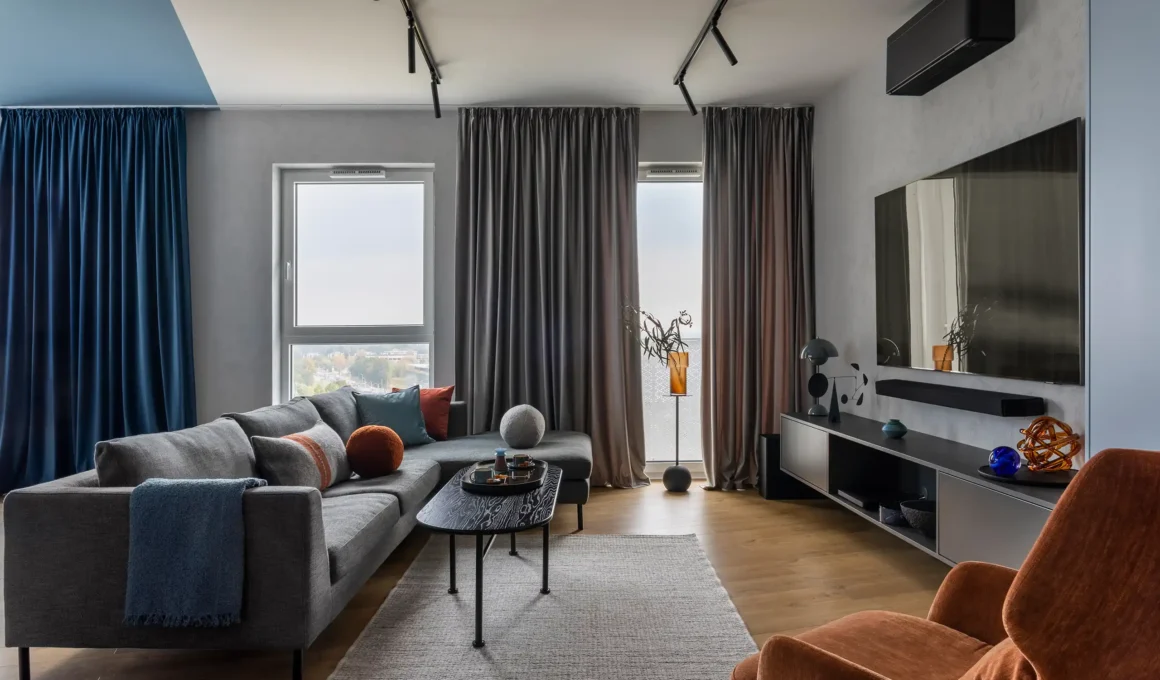
Luxury home design increasingly prioritizes seamless technology integration, and smart HVAC systems make that possible. Instead of clunky thermostats cluttering walls, discreet sensors and app-based controls keep spaces clean and minimal. Wireless zoning provides architectural flexibility, freeing designers to incorporate features like expansive glass walls, vaulted ceilings, or wellness rooms without creating climate problem areas.
These systems also integrate with broader wellness features such as circadian lighting and purified air, tying everything into the same smart home hub. In many modern builds, HVAC has essentially gone invisible, homeowners experience perfect comfort without bulky grilles or control panels, while architects and designers gain the ability to blend invisible luxury into the very structure of the home. The result is a space that looks cleaner, feels healthier, and operates effortlessly.
Future Smart HVAC Solutions for Luxury Living
A few innovations on the horizon stand out, pointing to how smart HVAC solutions will evolve beyond thermostats and apps.
AI-driven predictive comfort will refine energy savings and climate control by learning not just from your home, but from millions of others.
Integration with renewable energy will allow smart HVAC systems to communicate with solar panels, home batteries, and even utility grids for ultra-efficient, eco-luxury living.
Health-focused systems will tie medical-grade sensors to purification technologies, delivering hospital-quality air while adjusting automatically when pollen or pollutant levels spike outside.
In luxury homes, the shift will also be toward invisibility, with controls embedded in voice, gesture, or ambient room sensors, and even smart HVAC vents or climate systems built into ceilings or floors so comfort is felt but unseen. Sustainable materials in smart components will align with green living, while wellness-driven integrations, like syncing with wearable devices, will turn smart HVAC into a self-regulating environment. The next evolution is less about background utility and more about making comfort, sustainability, and health central to the design of high-end living.