

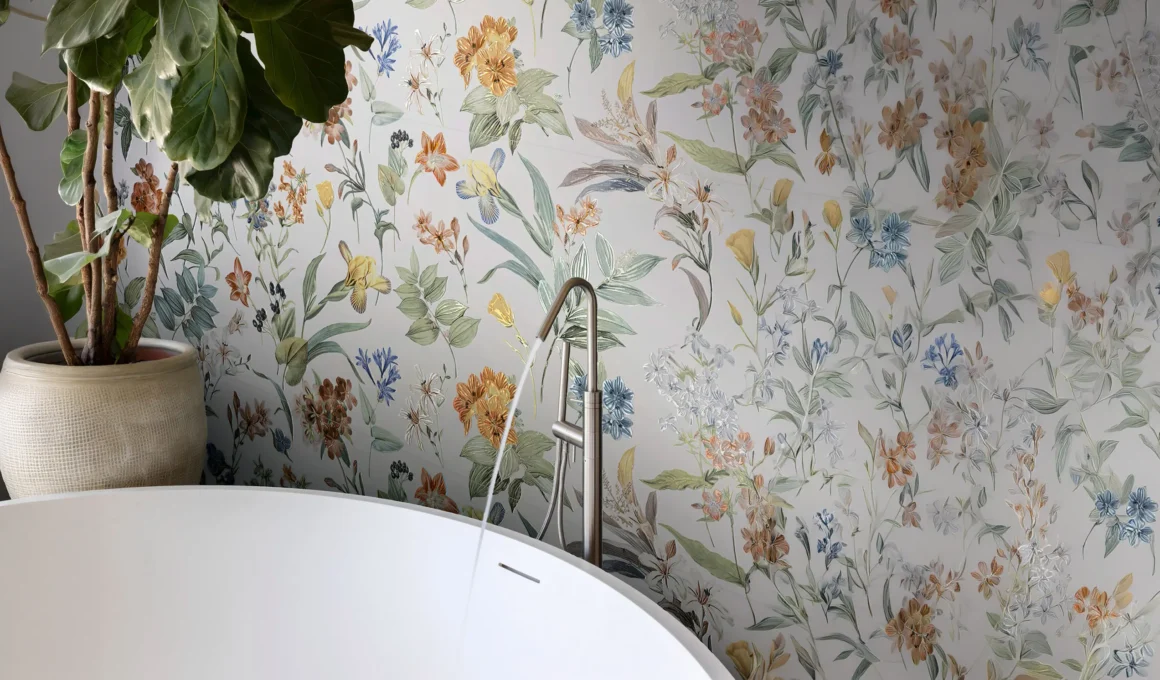
The adoption of high-performance wallcoverings in wet environments marks a departure from traditional ceramic surfaces, favoring a bespoke approach that prioritizes tactile depth and visual continuity over purely utilitarian waterproofing.
For decades, the bathroom remained the final frontier of rigid surfaces. Cold porcelain and clinical grout lines were the non-negotiable standards, dictated by the relentless pragmatism of moisture management. However, a significant shift is occurring. The contemporary bathroom is no longer viewed as a secluded utility hub but as a curated environment—a space where the boundaries between the living area and the bathing suite are increasingly blurred.
The Technical Evolution: From Paper to Fiber
The hesitation surrounding wallpaper in humid zones was once rooted in physics. Traditional cellulose-based papers are prone to peeling and mold when exposed to steam. Today, the conversation has moved toward fiberglass wallcoveringsand high-density vinyl systems.
These materials are not merely decorative layers; they are engineered membranes. High-performance resins applied over specialized prints create a seamless barrier that is entirely non-absorbent. This technological leap allows for the application of complex patterns and textures—ranging from faux-silk to oxidized metal—directly inside shower stalls, replacing the repetitive grid of tiles with a fluid visual narrative.
Behind this aesthetic layer, however, the silent performance of the room is equally critical. Achieving a truly sophisticated environment requires balancing visual depth with the technical nuances of acoustic comfort and water efficiency in modern bathroom design, ensuring that the sensory experience remains undisturbed by mechanical noise or inefficient drainage.
The Sartorial Choice: Why and For Whom?
Choosing wallpaper over stone or ceramic is a decision of textural layering. It appeals to the homeowner or developer who seeks a tailored aesthetic—an interior that feels composed rather than merely constructed.
The Powder Room as a Narrative Case: Small, dry bathrooms offer the perfect laboratory for high-contrast experimentation. Without the constant humidity of a shower, these spaces can accommodate delicate materials like hand-painted silk or heavy-embossed papers.
The Immersive Wet Room: In primary suites, the use of waterproof digital prints allows for a scale of imagery that tiles cannot replicate. A single, uninterrupted landscape or a macro-botanical pattern can expand the perceived volume of a compact room.
For those looking to transition from concept to execution, sourcing from specialized platforms like US Wall Decor provides access to the diverse textures and technical specifications required for such high-stakes environments.
Perspectives from the Industry
Great interiors often rely on the tension between different materials. The industry’s leading voices suggest that the bathroom should provoke an emotional response rather than just a functional one.
“A room should never allow the eye to settle in one place. It should smile at you and create fantasy.” — Juan Montoya
By utilizing wallcoverings, the eye is drawn across surfaces without the visual “noise” of grout, allowing the spatial geometry to take center stage. Kelly Wearstler, known for her bold use of pattern, often emphasizes the mix of “rawness and refinement.” In a bathroom context, this translates to the juxtaposition of a rugged, natural stone basin against a sophisticated, patterned backdrop.