



Emerging within the post-industrial fabric of Milan’s Barona district, FEAT. is a dual-natured venue designed by GANKO that seamlessly integrates a refined street-level cocktail bar with a subterranean club through a sophisticated interplay of material contrasts and concealed spatial transitions.
Metropolitan Duality. The project operates as a study in spatial tension, oscillating between the precision of high-end joinery and the raw, nocturnal energy of Milan’s periphery. Located in a neighborhood increasingly defined by its creative friction, FEAT. rejects the typical compartmentalization of nightlife. Instead, it offers a fluid system where two distinct atmospheres—a warm, tactile lounge and an immersive, technicolor basement—coexist through a clever arrangement of concealed sliding doors and mirrored surfaces that blur the boundaries between the visible and the hidden.
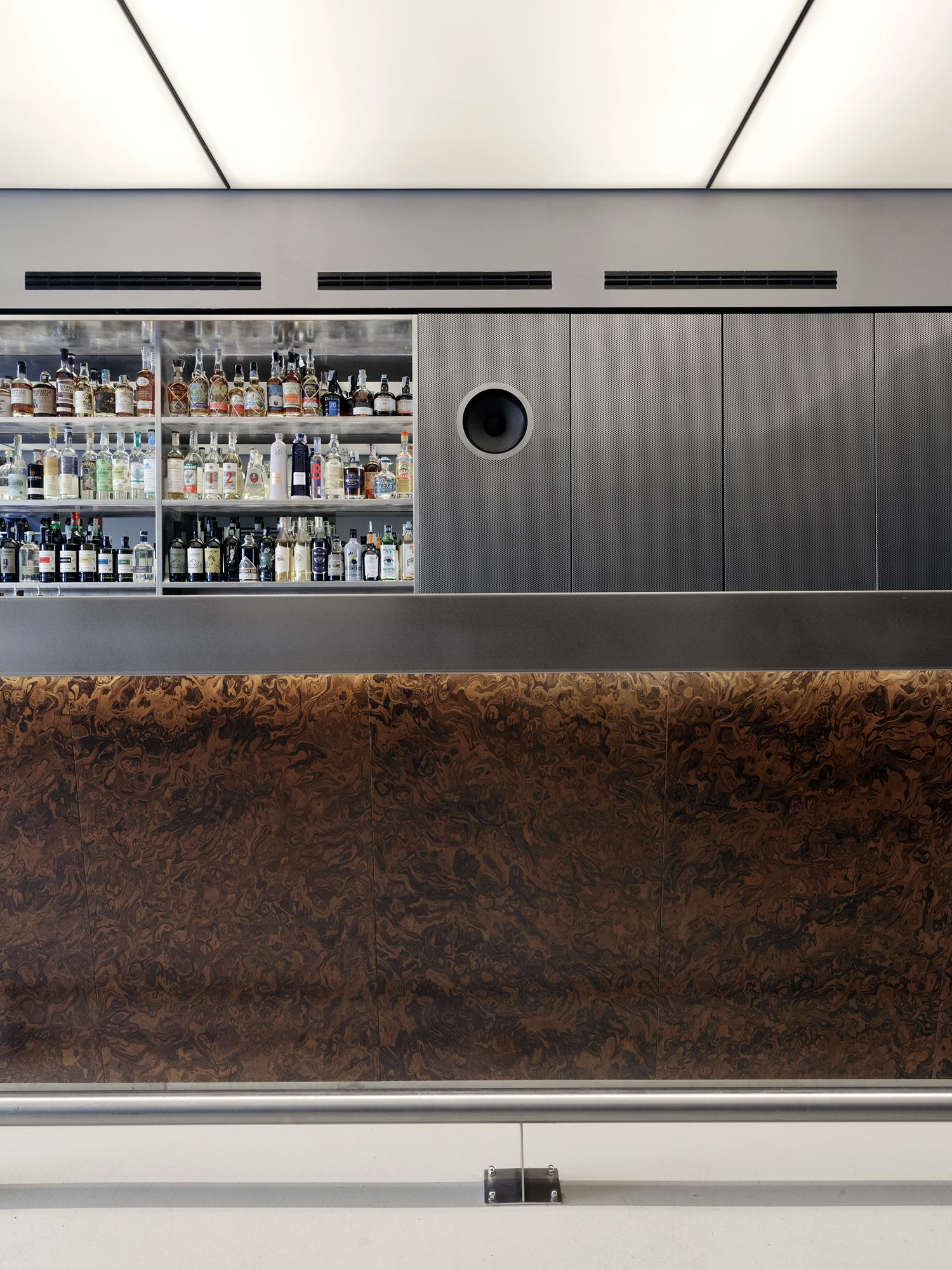
Material Narratives. The interior logic is defined by a carefully calibrated palette that challenges traditional hospitality aesthetics. GANKO has orchestrated a dialogue between domestic warmth and industrial coldness, placing rich burl wood and supple leather alongside the clinical sharpness of perforated steel and smoked mirrors. This selection creates an environment that feels simultaneously welcoming and slightly estranging, mirroring the complex, multifaceted character of contemporary Milanese urban life.
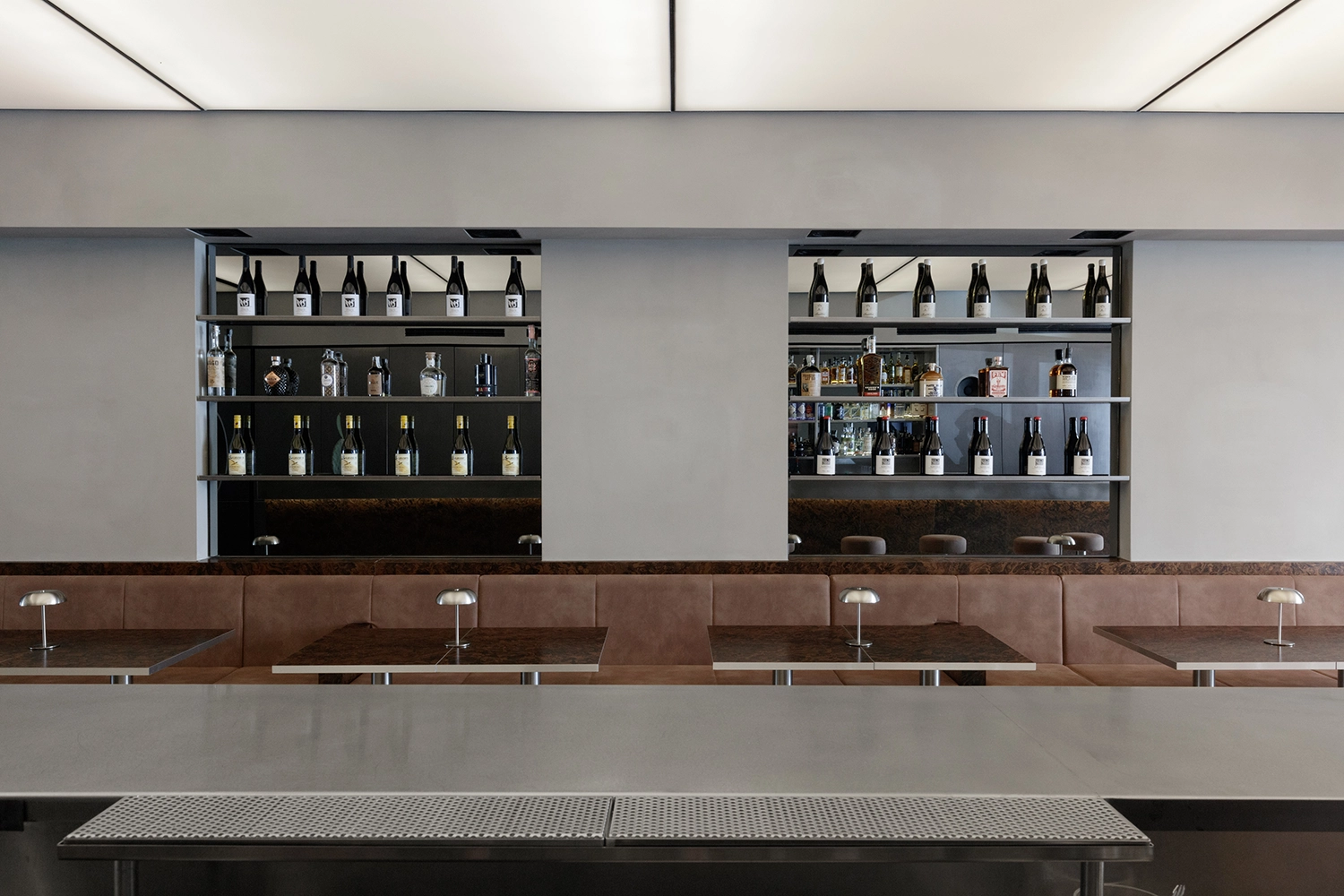
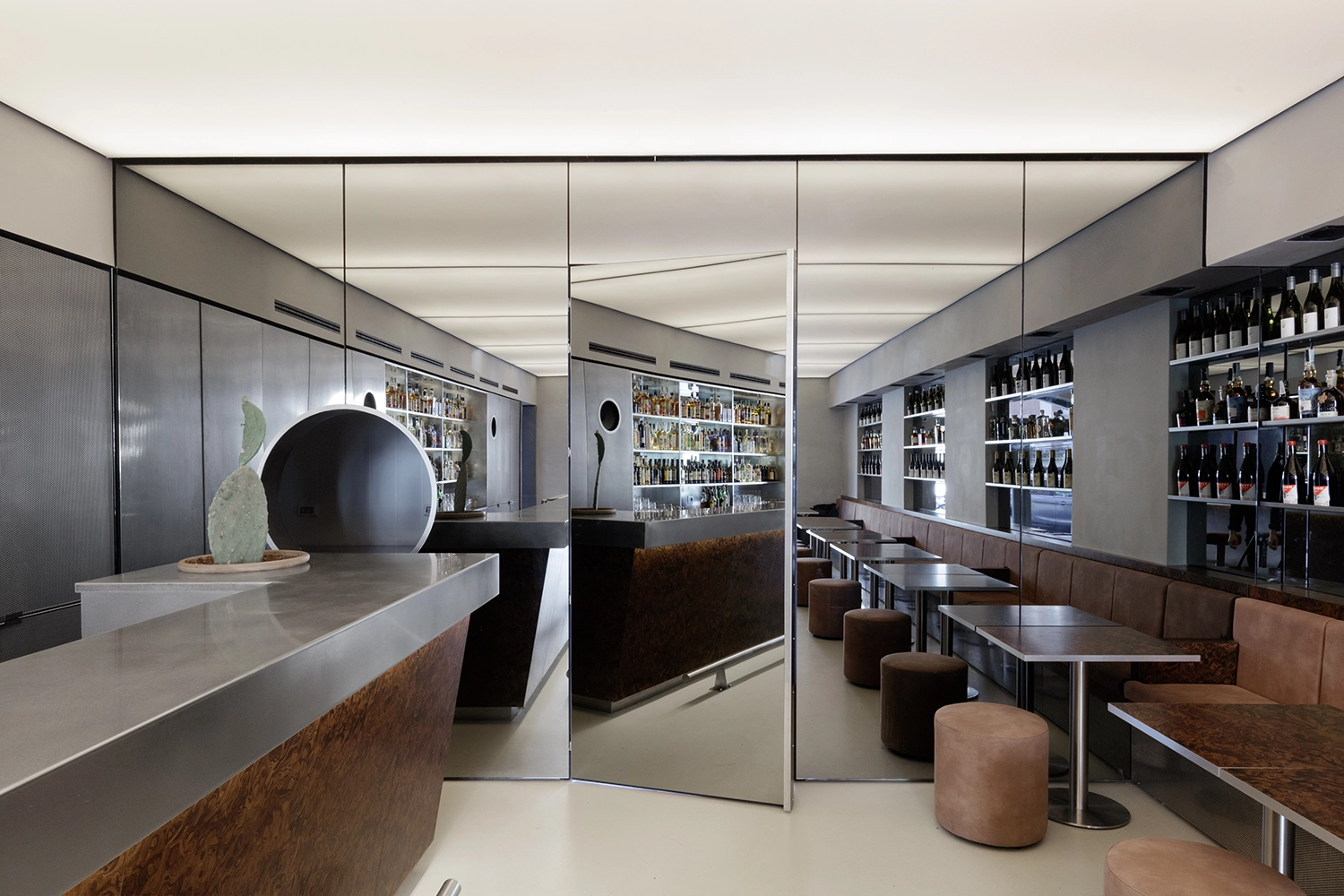
Linear Intimacy. At street level, the bar is conceived as a focused, linear experience. The space is anchored by an expansive eight-meter counter, a monolithic element crafted from burl wood and steel that dictates the flow of the room. Rather than traditional tables, seating is resolved through integrated benches that run parallel to the bar, encouraging a communal yet directed social interaction. This configuration maximizes the narrow footprint while the mirrored back wall creates an optical expansion, subtly masking service functions.
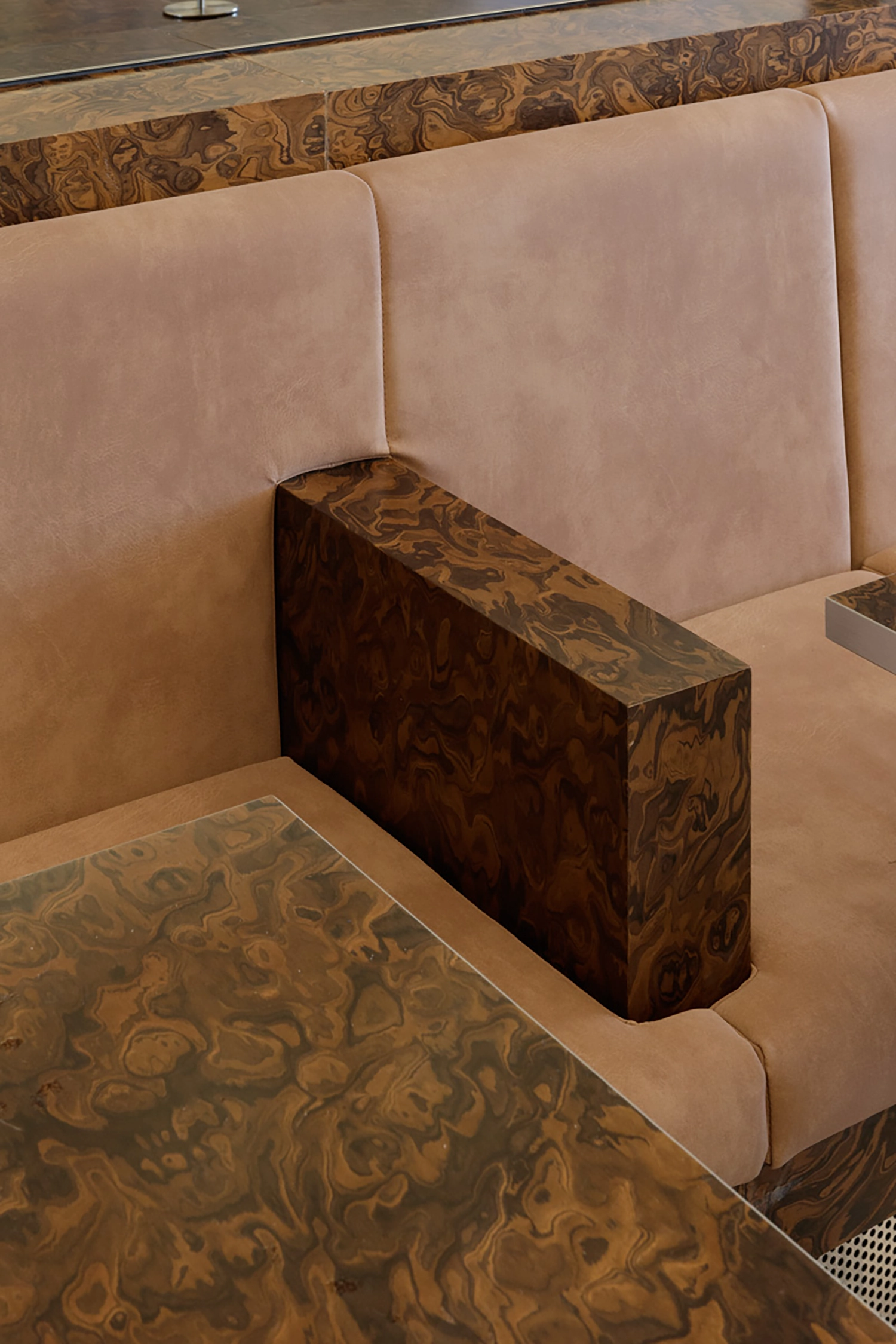
Functional Fluidity. Behind the scenes, the project maintains a rigorous operational logic. A compact ground-floor kitchen serves the bar through a discrete circular opening, while a larger “dark kitchen” occupies the basement to handle more intensive production. This layering of utility ensures that the aesthetic purity of the public spaces remains undisturbed by the logistical demands of high-volume service, allowing the bespoke furnishings to remain the primary protagonists of the visual narrative.
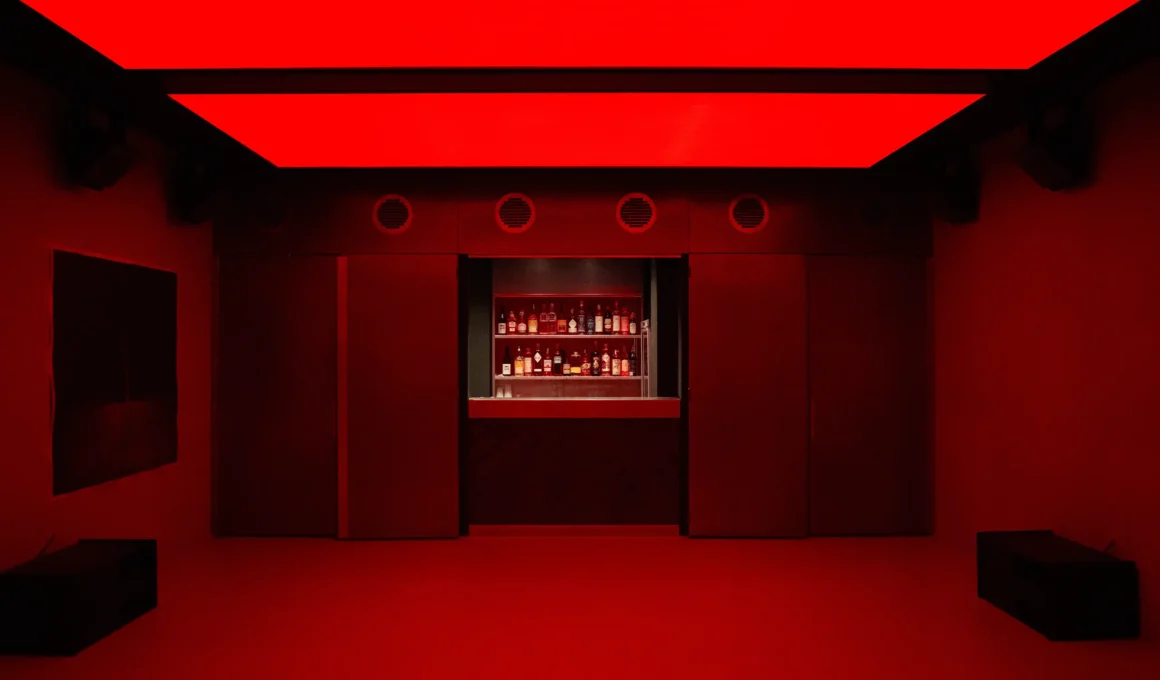
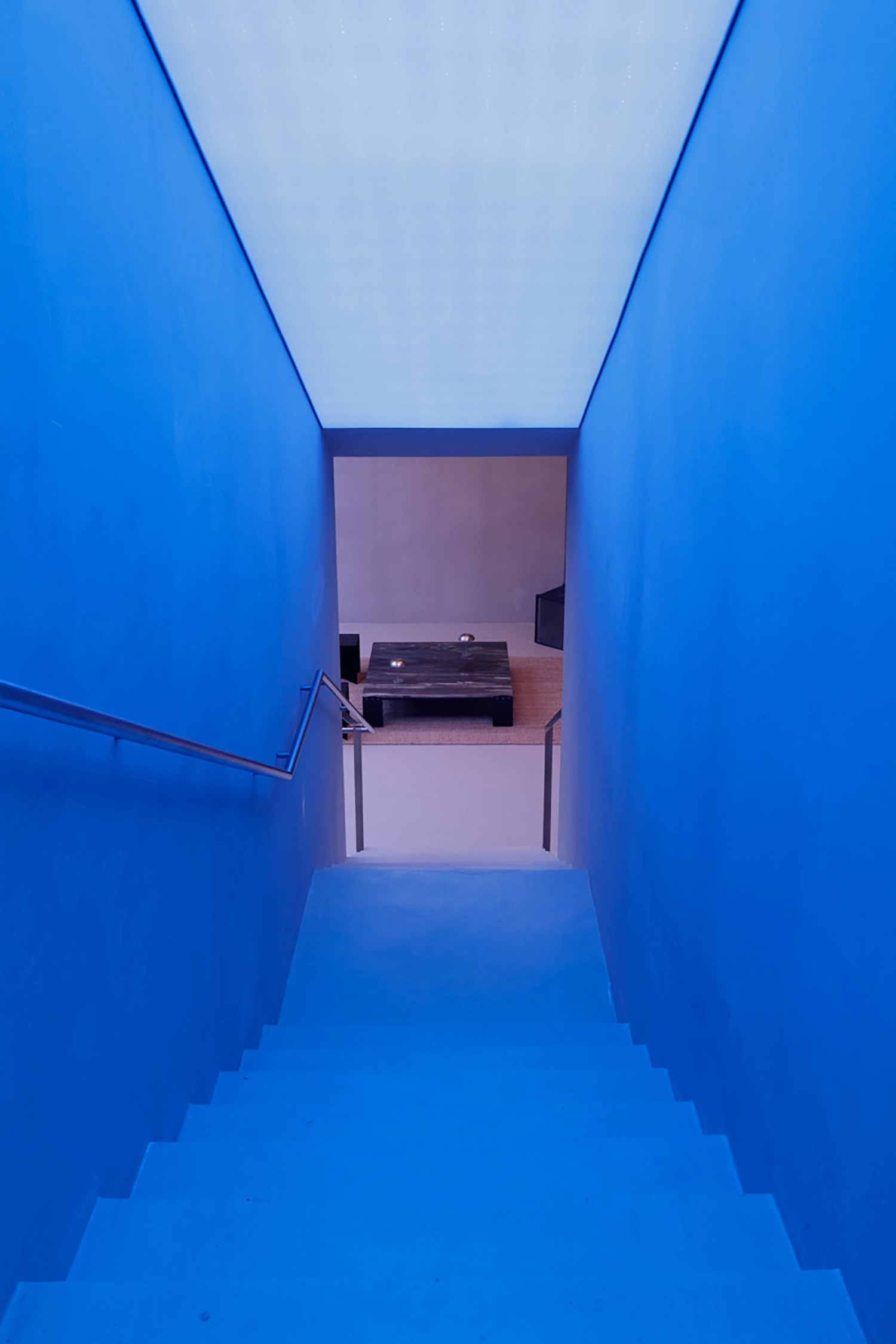
Subterranean Immersion. The transition to the lower level is designed as a discovery. Descending into the club, the atmosphere shifts from the tactile grain of wood to the ethereal glow of a fully programmable RGB ceiling. This basement chamber is imagined as a flexible vessel for sound and light, where the spatial perception is constantly redefined by shifting chromatic intensities. Here, a second bar serves a room that can be reconfigured to suit different tempos of the night, transforming from a lounge into a high-intensity immersive environment.
Total Vision. Every element within FEAT., from the specialized steel joinery to the custom-made furniture, was developed by GANKO to ensure a cohesive identity. This holistic approach to the interior ensures that even the smallest technical detail contributes to the overarching concept of a hybrid space. The result is a venue that feels meticulously engineered yet maintains an air of informality, catering to a crowd that seeks both the precision of a craft cocktail and the raw escapism of an underground club.
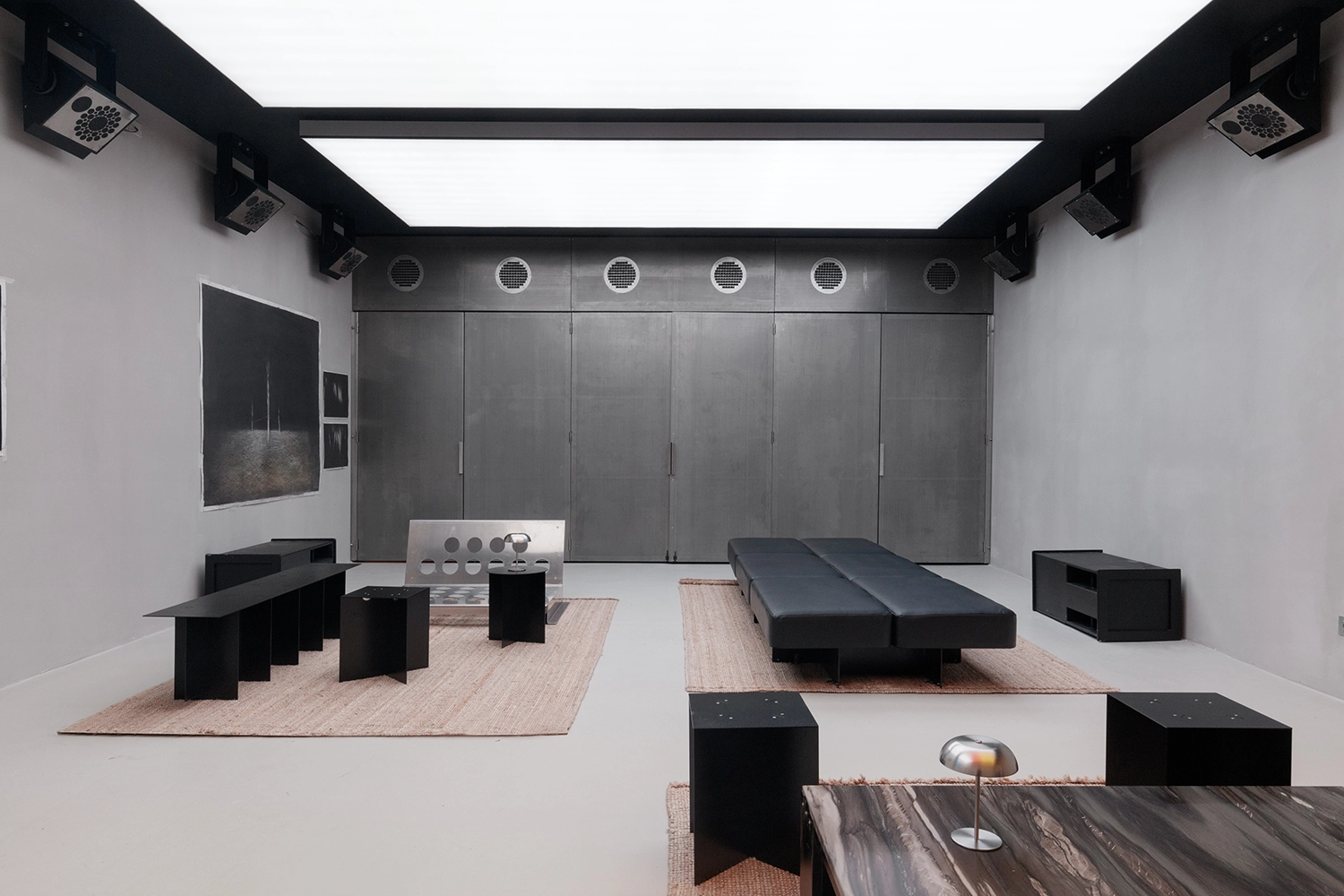
Contextual Impact. By positioning such a sophisticated intervention in Barona, the project contributes to the ongoing evolution of Milan’s decentralized social hubs. It moves away from the predictable polish of the city center, opting instead for a gritty, authentic elegance that resonates with the area’s industrial heritage. The lighting, materials, and layout do not just fill a room; they curate a specific metropolitan sensibility that rewards curiosity and provides the guest with a sense of discovery.
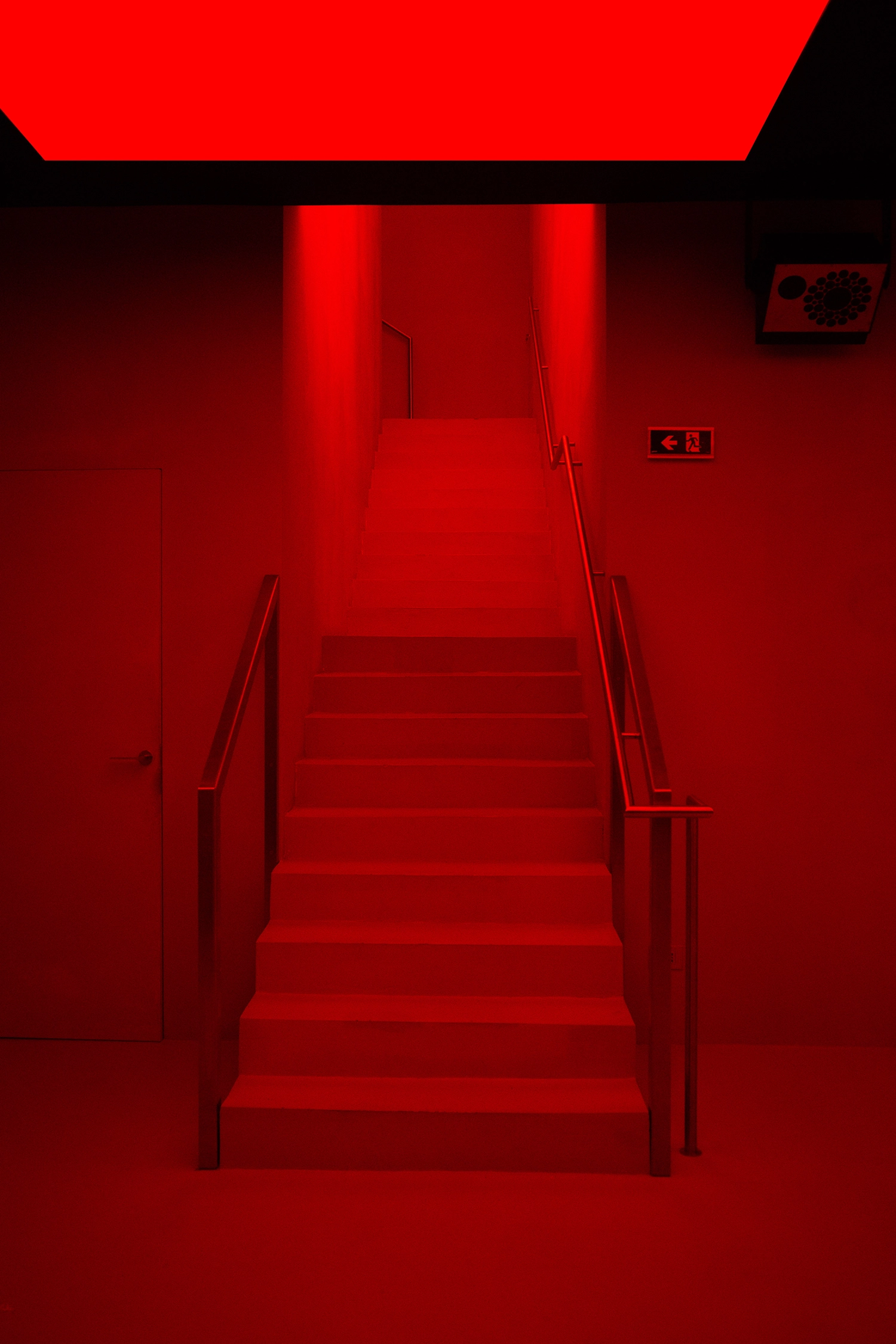
A New Nightlife Paradigm. The emergence of FEAT. arrives at a pivotal moment for Milanese nightlife, where the contemplative trend of the listening bar—seen in the meticulous acoustics of spaces like MoGo Hi-Fi Bar or the intimate atmosphere of Onda—is being challenged by a desire for more high-octane, transformative experiences. While Milan explores the “slow-listening” movement, FEAT. looks toward a global dialogue of club culture, echoing the immersive, color-drenched intensity of Oven Club in Valencia or the sculptural, narrative-driven identity of Cateto Club in Marbella. It represents a bold hybridity: a place where the analytical appreciation of a drink meets the visceral, light-fueled energy of the dancefloor, proving that the future of the Milanese “after-hours” lies not in choosing between the lounge and the club, but in the seamless, expertly designed tension between the two.