



Nestled on a narrow urban plot within the historic center of Las Palmas de Gran Canaria, Spain, SOCO Estudio has completed Casa Iriarte, a residence that reimagines site constraints as a catalyst for a non-hierarchical, adaptable domestic infrastructure.
The conceptual vision for Casa Iriarte begins with a departure from the rigid functionalism that often defines modern housing. Instead of assigning fixed roles to every square meter, the studio proposed a territory of constant negotiation. The house is treated as a series of large, continuous volumes that prioritize spatial quality over programmatic labels, allowing the inhabitants to dictate how the environment serves them at any given moment.
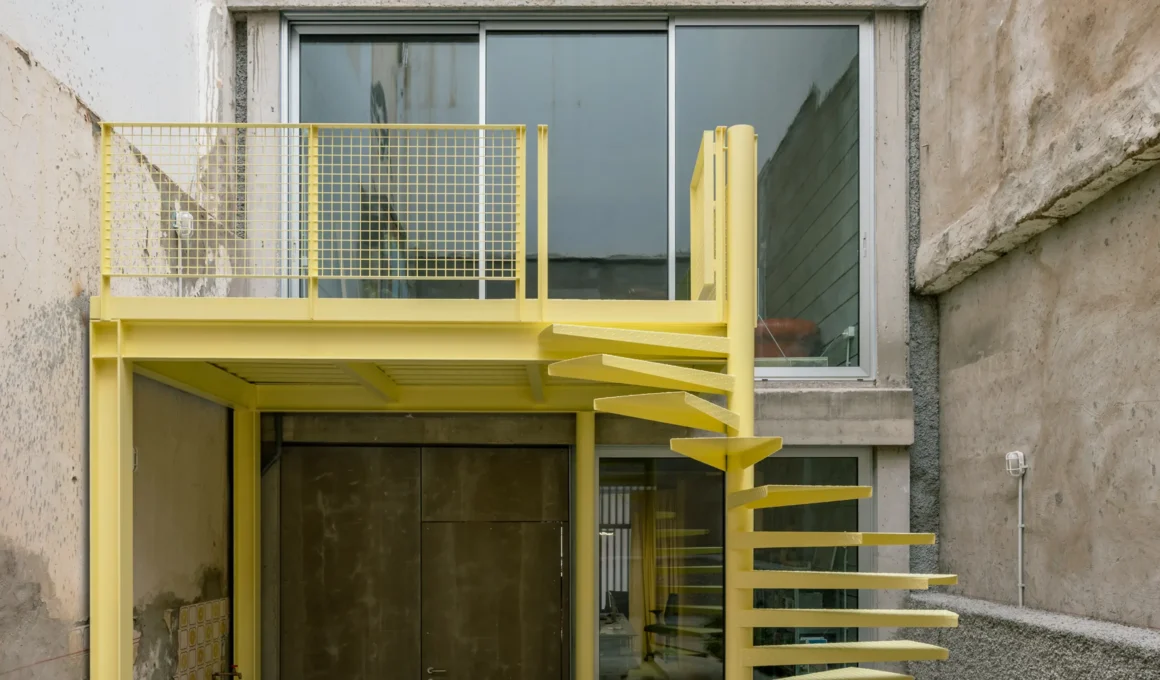
A displaced courtyard serves as the primary spatial organizer, functioning as a climatic lung for the entire building. By shifting the patio away from the center, the architects broke the traditional compartmentalization found in Mediterranean and Atlantic typologies. This maneuver allows light and air to penetrate deep into the narrow floor plan, transforming what could have been a cramped interior into an airy, rhythmic sequence of voids and solids.
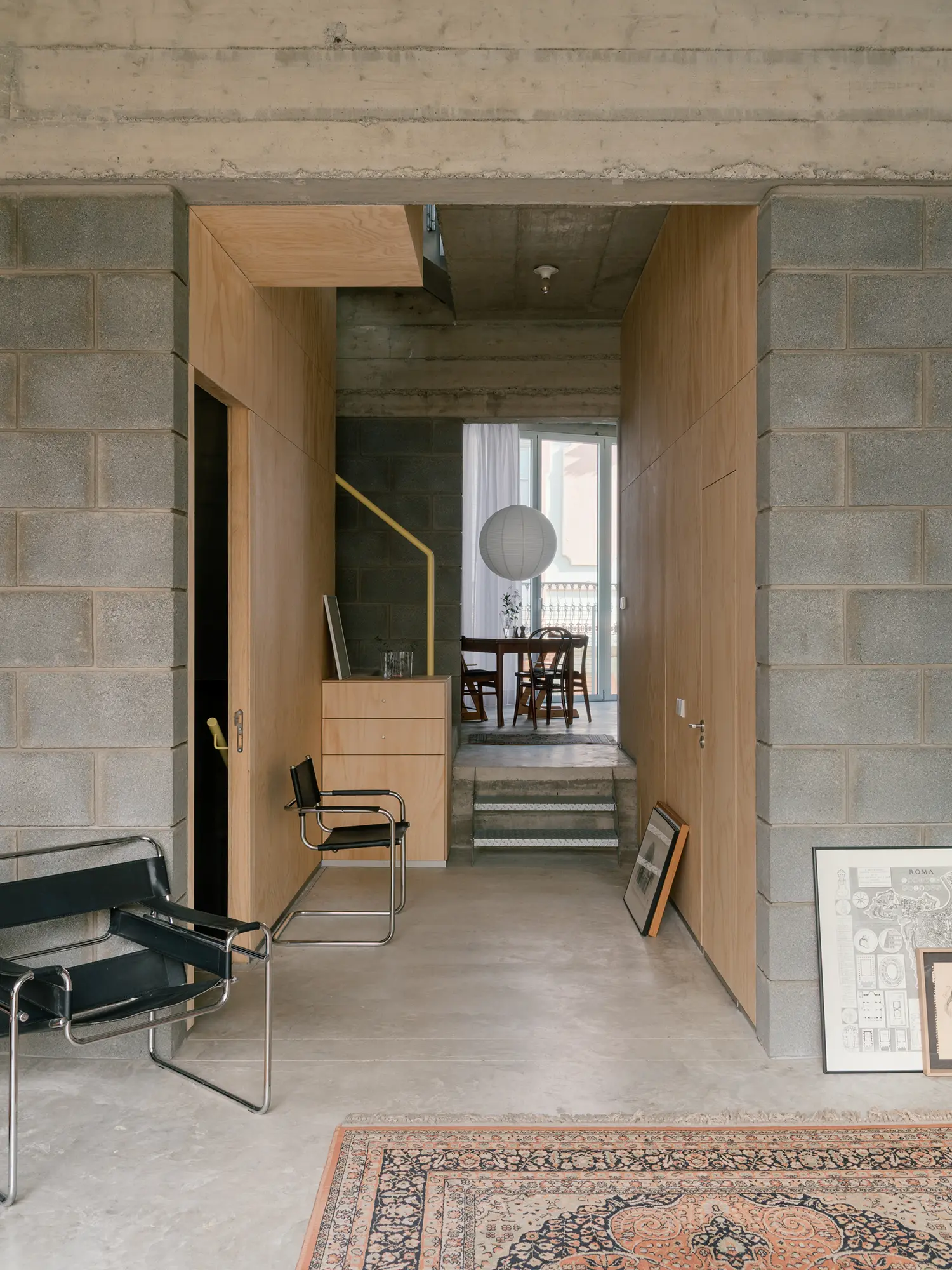
The insular condition of the Canary Islands heavily influenced the project’s material palette and ethical stance. In a geography where resources are finite and most materials must be imported, the studio adopted an “ethic of sufficiency.” This meant building with what was readily available, utilizing local labor, and avoiding the aesthetic excess that often masks structural inefficiency.
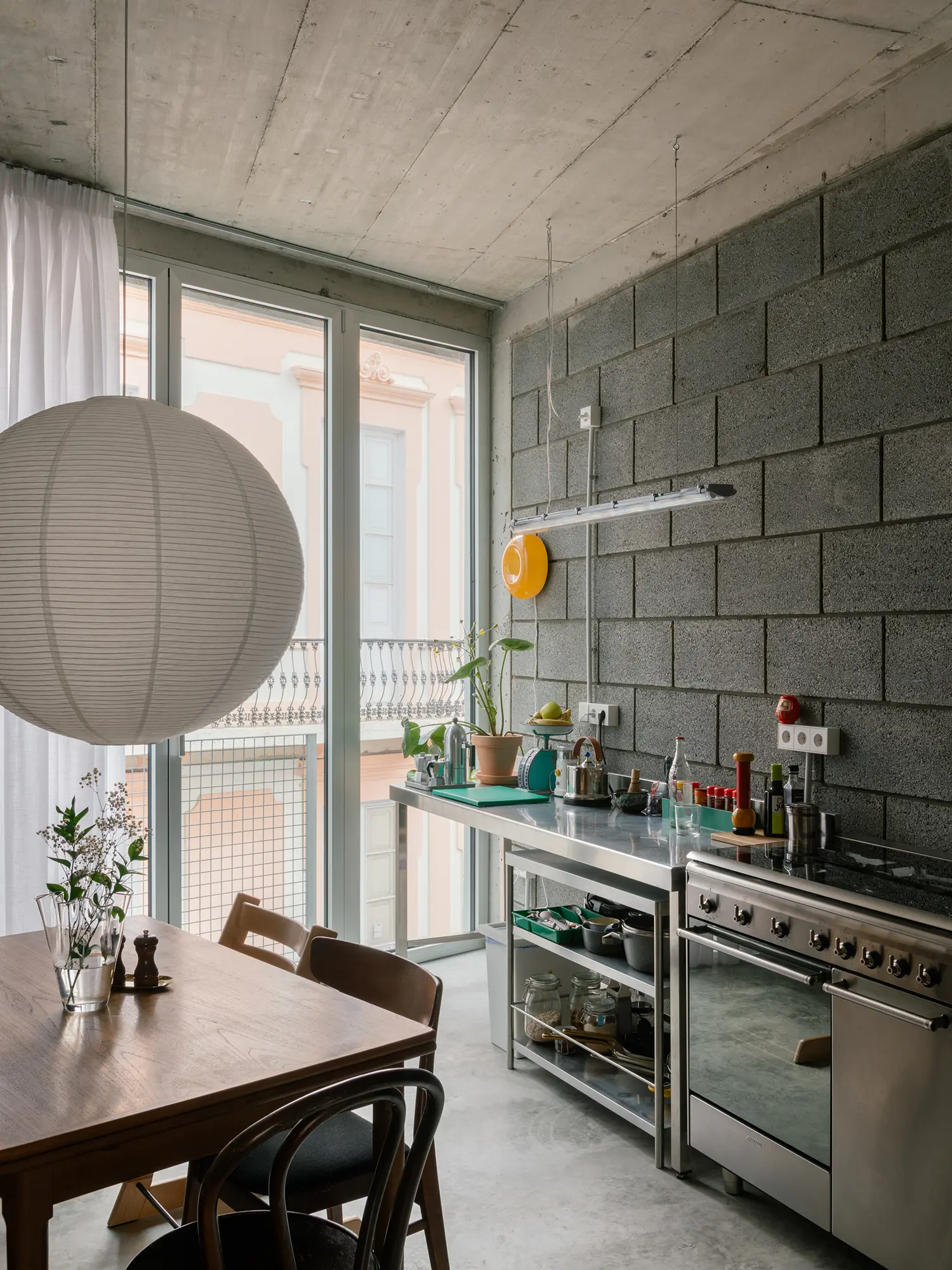
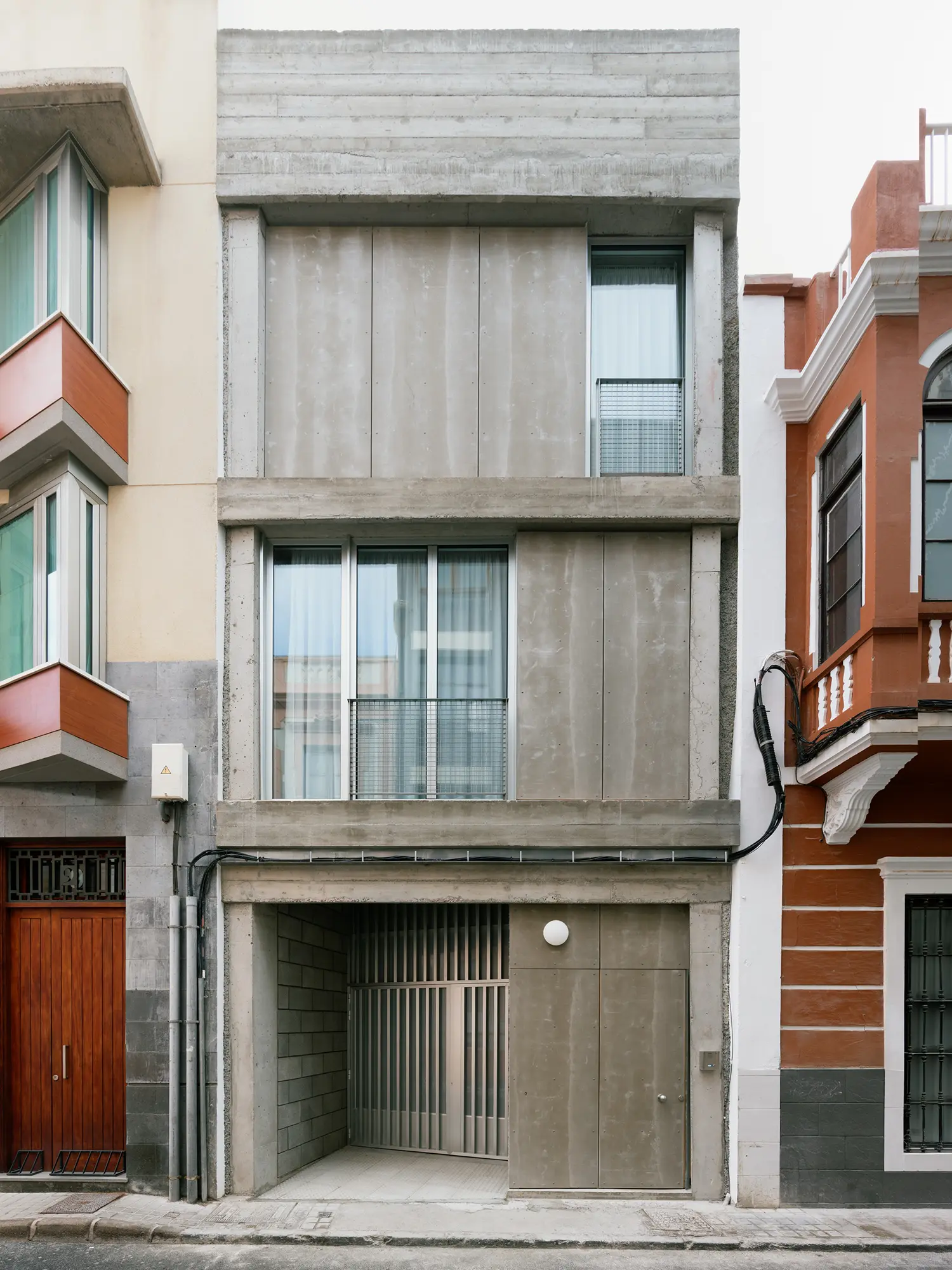
Technical durability was addressed through a strategic hierarchy of construction lifespans. The primary skeleton consists of reinforced concrete and exposed Canarian volcanic block (picón), materials selected for their ability to endure for a century or more. By leaving these elements visible, the house retains a raw, tactile connection to the local building tradition while establishing a permanent framework that requires little maintenance.
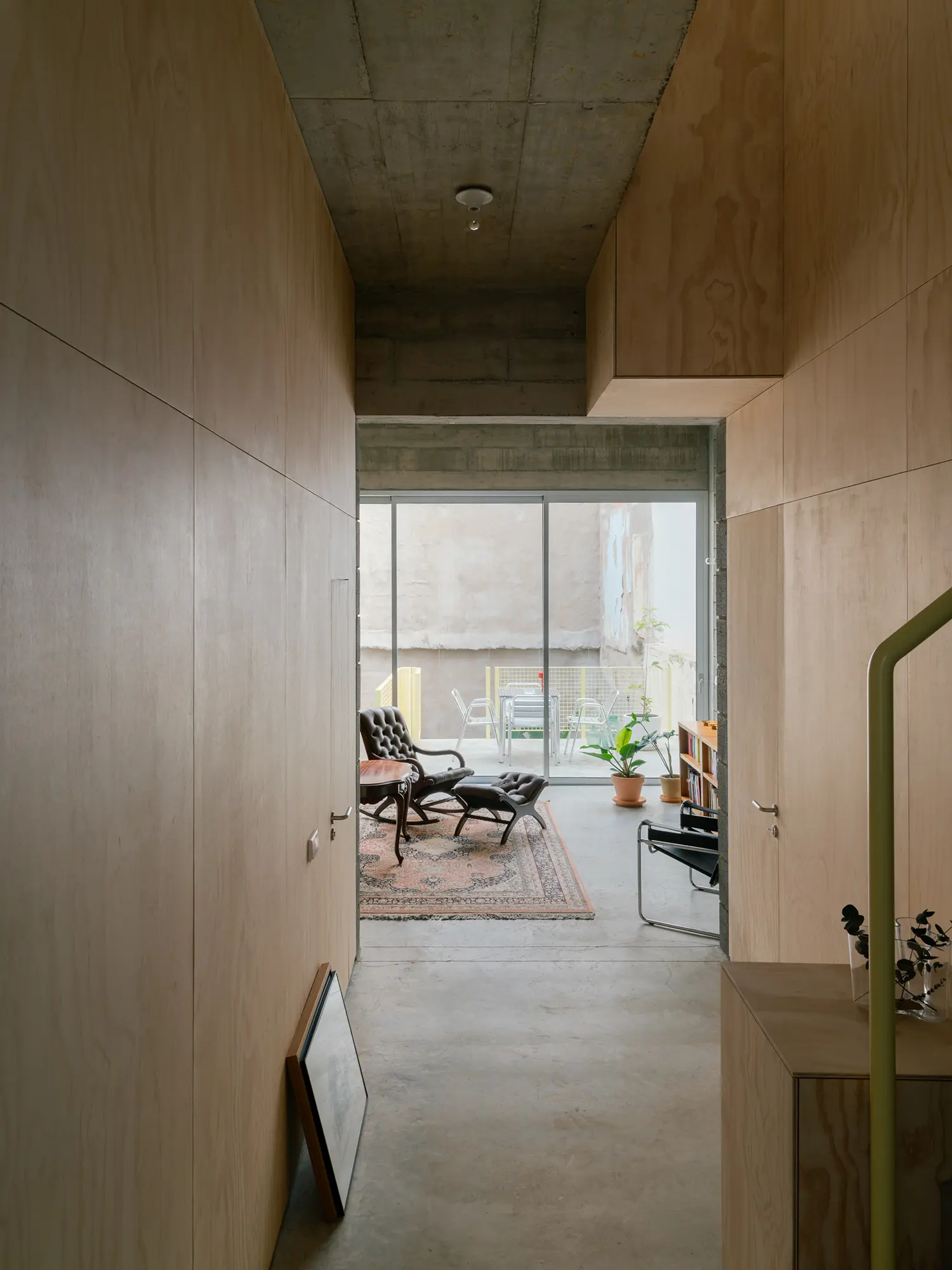
A secondary layer of lightweight timber systems defines the interior partitions and carpentry. These elements are designed with a shorter life cycle of 25 to 40 years, acknowledging that the needs of a family or a workspace will inevitably evolve. This modular approach ensures that the interior can be dismantled, replaced, or reconfigured without ever compromising the integrity of the primary structure.
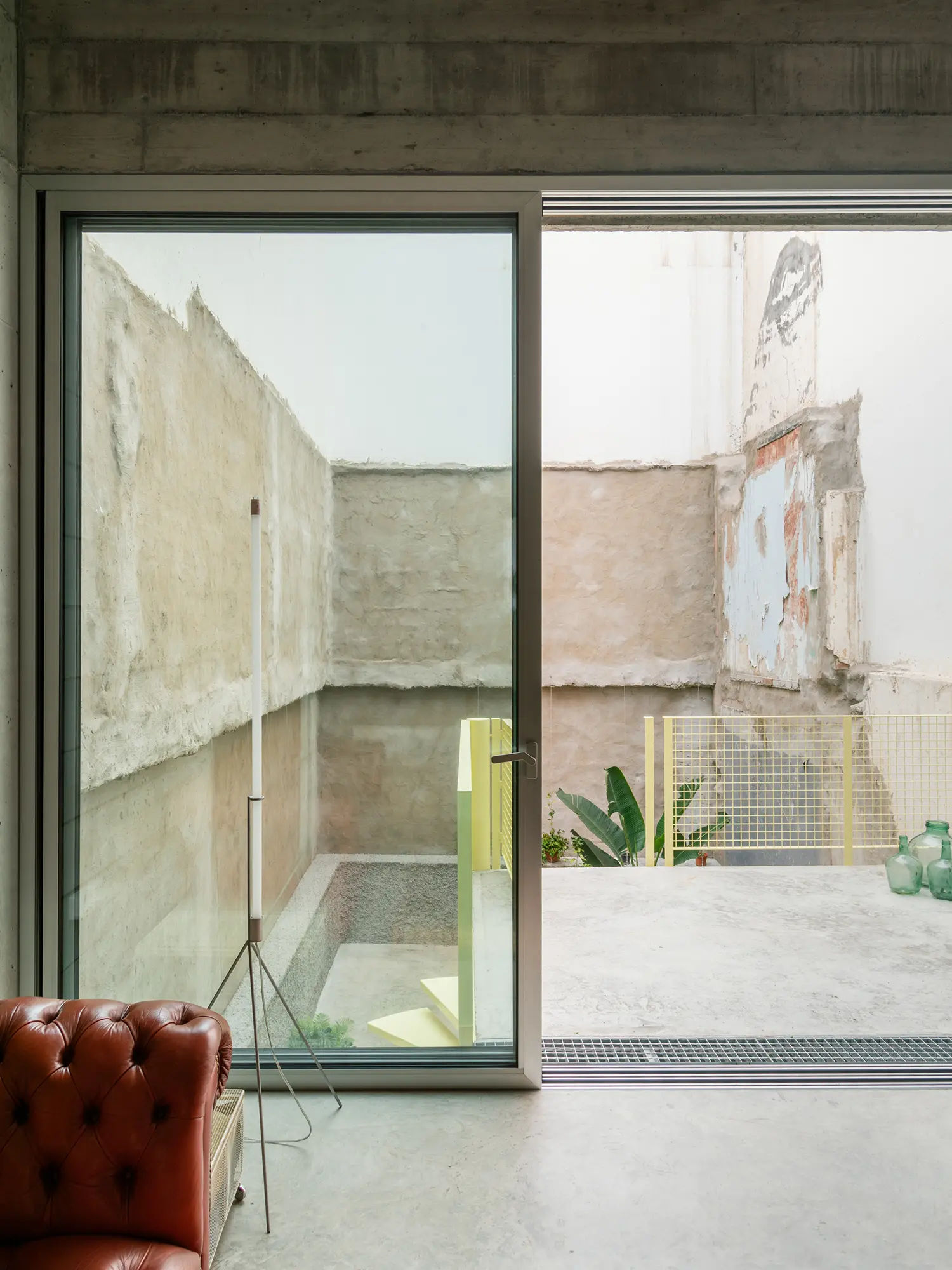
The facade system acts as an intermediate technical skin, designed to last approximately half a century. These renewable layers are independent of the load-bearing system, allowing for future upgrades in thermal performance or materiality. This temporal approach to sustainability moves away from high-tech gadgetry, focusing instead on the honest distinction between the permanent and the ephemeral.
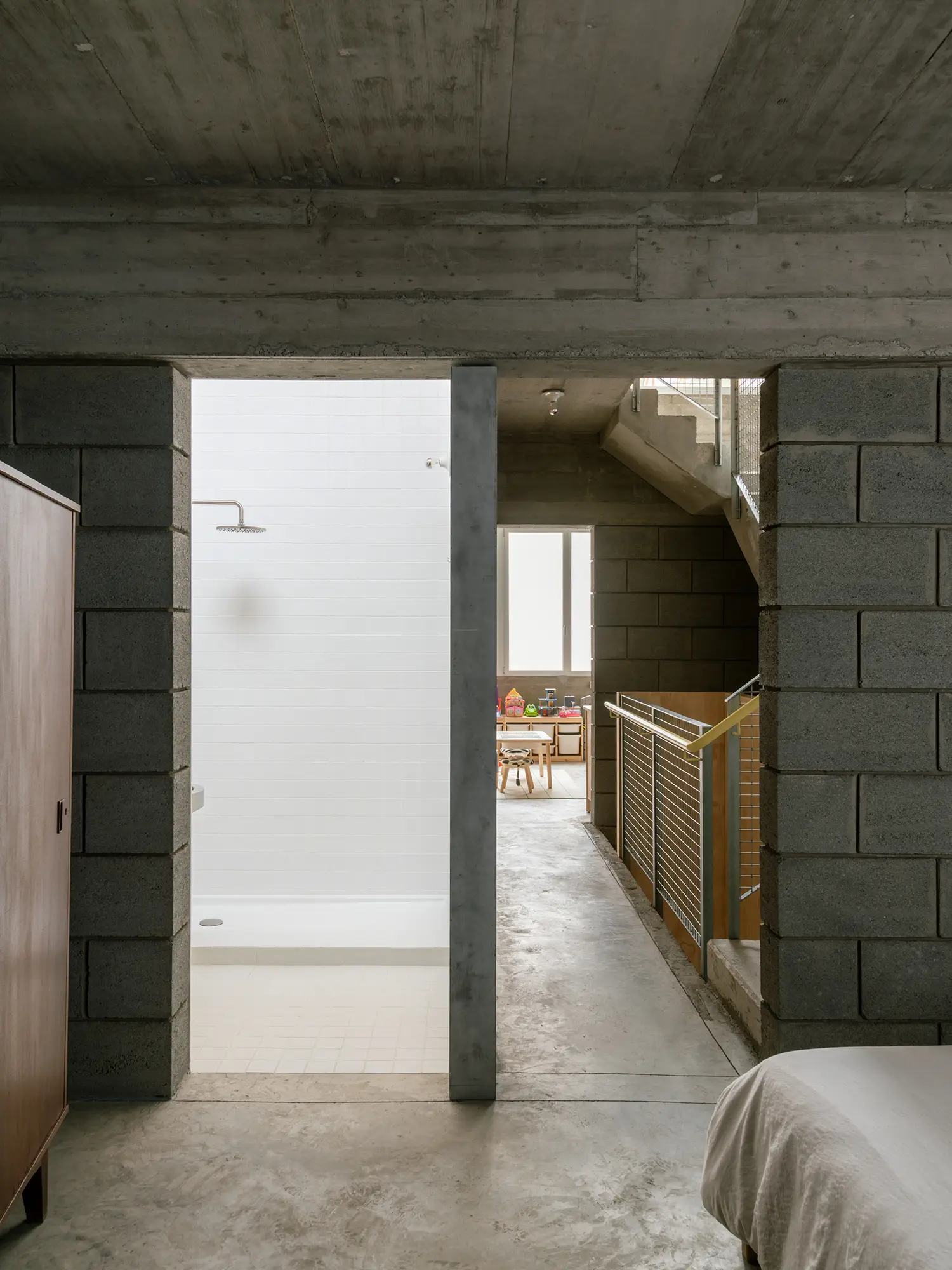
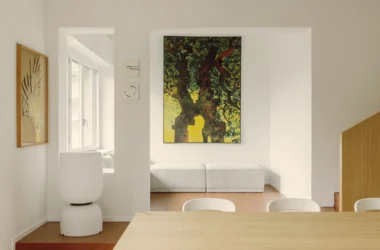
Spatial fluidity is achieved through the logic of the enfilade, yet it is modernized to feel less like a formal procession and more like a functional expansion. Surfaces and rooms are linked in a way that allows the house to transition seamlessly between a private residence and a professional studio. The lack of fixed furniture and walls means that the “intensity” of use can shift from one corner to another as the day progresses.
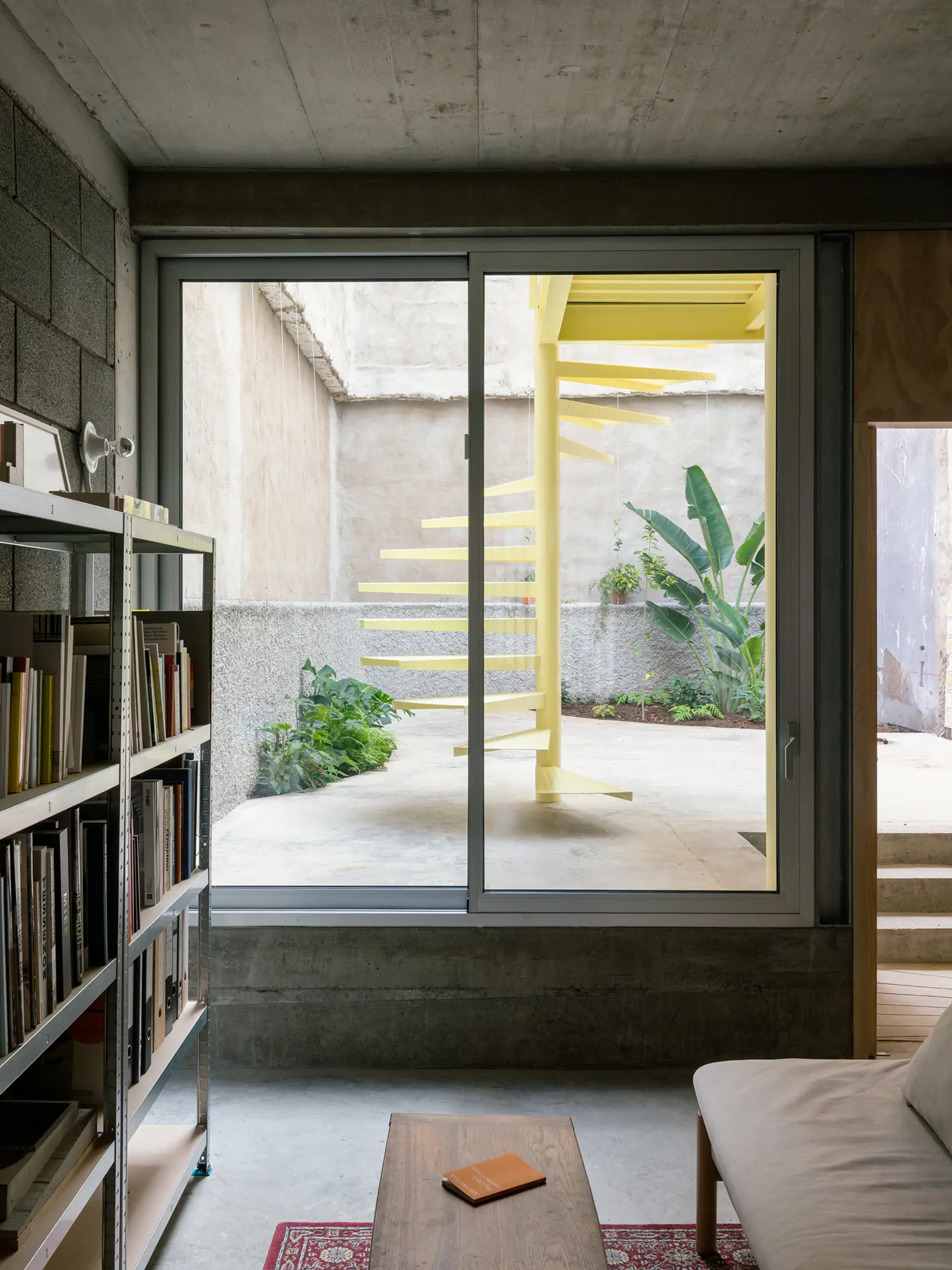
Sensory engagement is found in the interplay between the rough texture of the volcanic block and the warmth of the wood. Walking through the house, one feels the temperature drop near the courtyard and the soft diffusion of light reflecting off the neutral surfaces. It is an environment that values the physical experience of the climate—the breeze from the Atlantic and the sharp Gran Canarian sun—as much as the physical walls themselves.
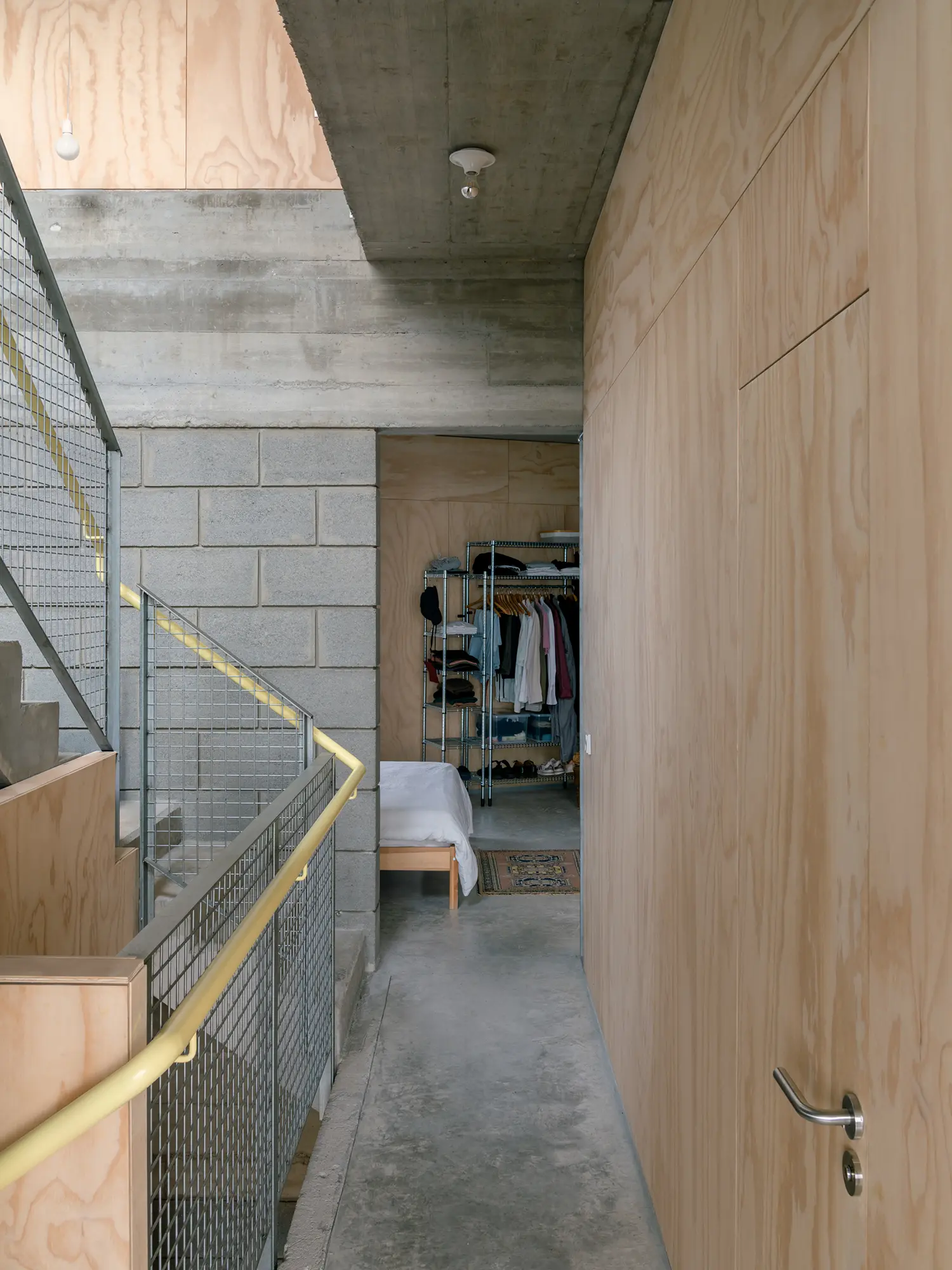
The contextual impact of Casa Iriarte in Las Palmas is a quiet revolution in urban density. It proves that a narrow, challenging site does not necessitate a series of dark, disconnected rooms. Instead, by focusing on a flexible structure and environmental comfort, the project offers a blueprint for how historic centers can be revitalized with contemporary interventions that respect local constraints while offering total programmatic freedom.
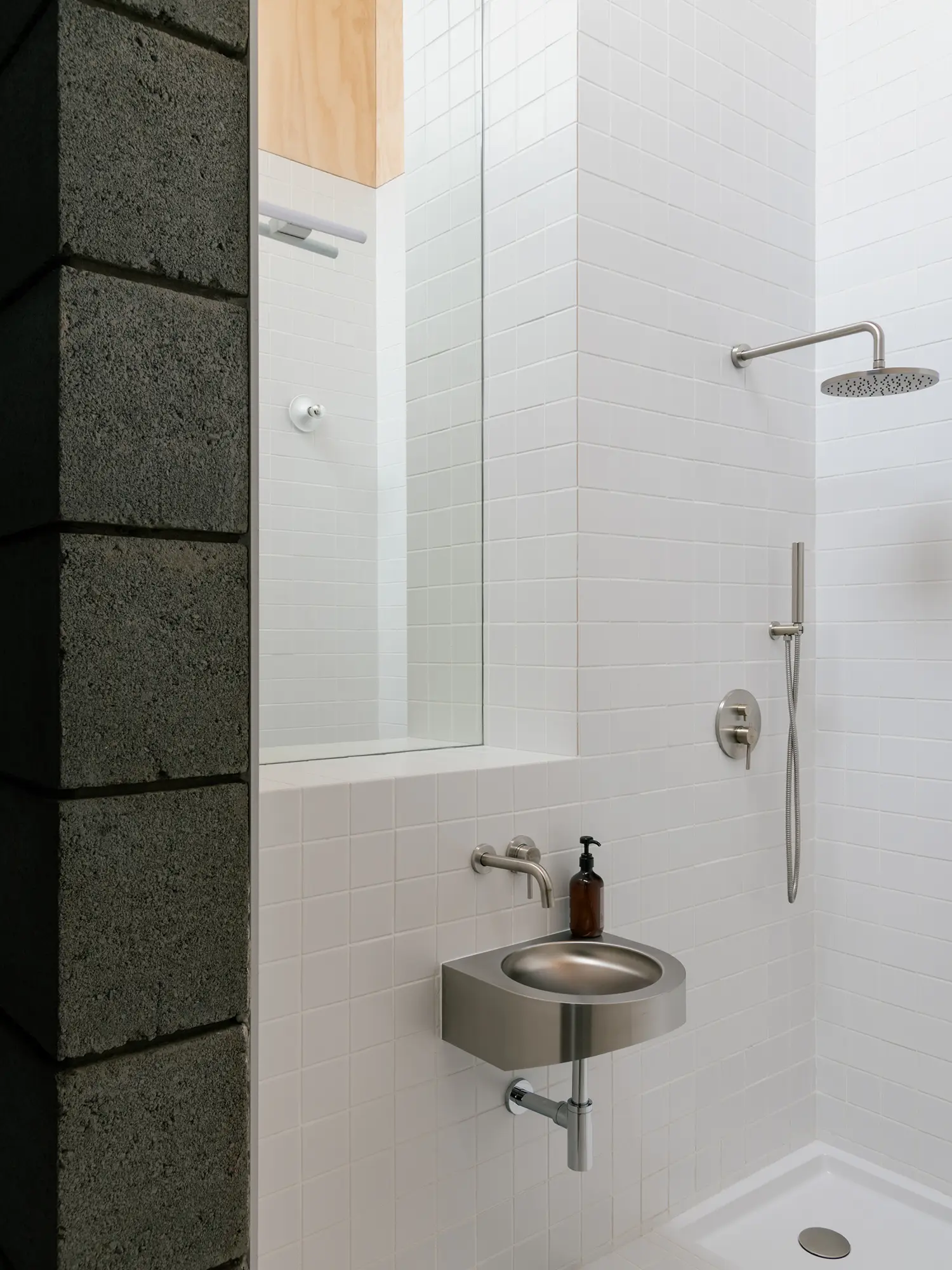
Domestic life here is stripped of the redundant, leaving only the essential framework for living well. By viewing the house as a piece of infrastructure rather than a finished, static object, SOCO Estudio has created a space that is prepared for the future. It is an architecture of restraint, where the true luxury is found in the ability of the building to disappear into the background of the user’s changing life.