




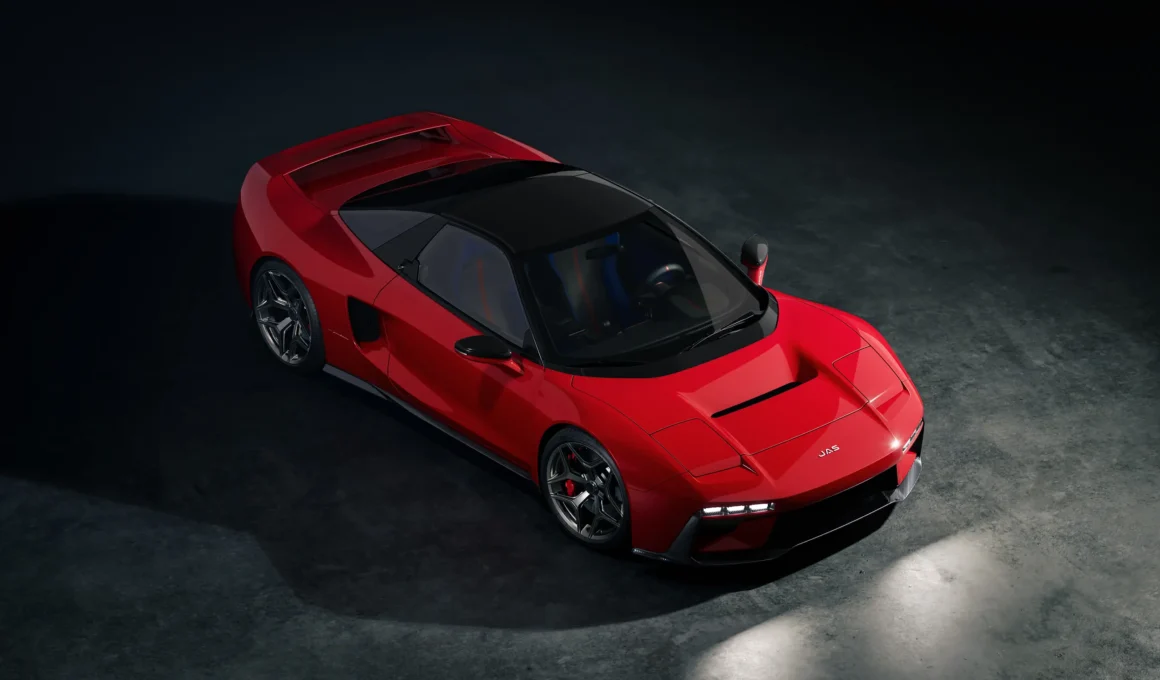
Unveiled during Milan Design Week, Tensei represents a radical rebirth of the legendary Honda NSX, merging the precision engineering of JAS Motorsport with the poetic formal language of Pininfarina to create a limited-run supercar in Arluno, Italy, that redefines the relationship between heritage and modern performance.
The conceptual vision behind Tensei—a name derived from the Japanese word for “rebirth”—transcends the typical restorative logic of a restomod. Instead, the collaboration between the Cambiano-based Pininfarina and racing experts JAS Motorsport seeks to complete a historical narrative that began in 1984. Long before the original NSX reached production, Pininfarina explored the mid-engine Japanese silhouette through the HP-X concept. Tensei acts as the closing of that creative circle, translating the purity of the 1990s icon into a contemporary vernacular that prioritizes high-performance equilibrium and visceral emotion over mere nostalgia.

A dialogue of proportions served as the catalyst for the vehicle’s physical transformation. During the development phase, the design team moved beyond surface aesthetics to manipulate the very bones of the donor chassis. By extending the wheelbase, shortening the rear overhang, and significantly widening the track, the creators achieved a stance that is far more assertive than the original. These structural shifts allowed the designers to sculpt pronounced rear shoulders and flared fenders, creating the “triangular gestures” in plan view that have become a hallmark of the Italian studio’s signature style.

The sensory experience of the exterior is defined by a tension between iconic memory and futuristic execution. The bodywork, now rendered entirely in lightweight carbon fiber, retains the ghost of the NSX’s silhouette—specifically the integrated rear wing and the silhouette of the pop-up headlamps—but refines them through a lens of aerodynamic efficiency. This is not a decorative exercise; every curve and intake is a functional response to the air. The side intakes, once simple rectangles, have evolved into sophisticated apertures that feed the soul of the machine while reinforcing a more athletic, grounded presence on the asphalt.
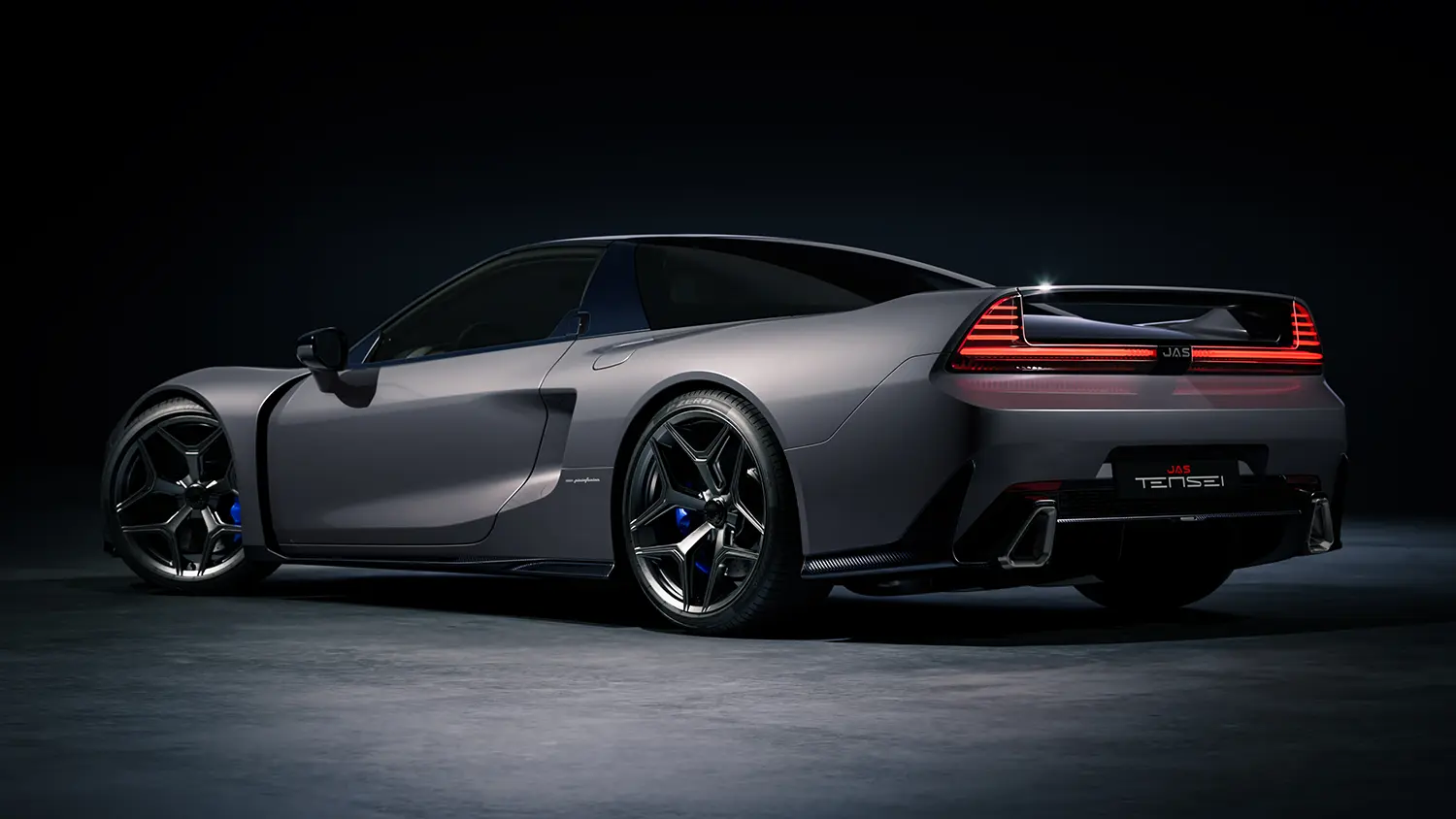
Surface language and materiality play a critical role in distinguishing Tensei from its predecessor. The transition from the original aluminum skin to a full carbon-fiber shell allowed for a sharper, more refined treatment of volumes. Pininfarina’s designers utilized the material’s properties to create seamless transitions between the functional cooling elements and the aesthetic surfaces. This creates a visual fluidity where the car appears to be shaped by the wind, emphasizing its nature as a Gran Turismo designed for the modern era without losing the analog charm that defined the 1990s.
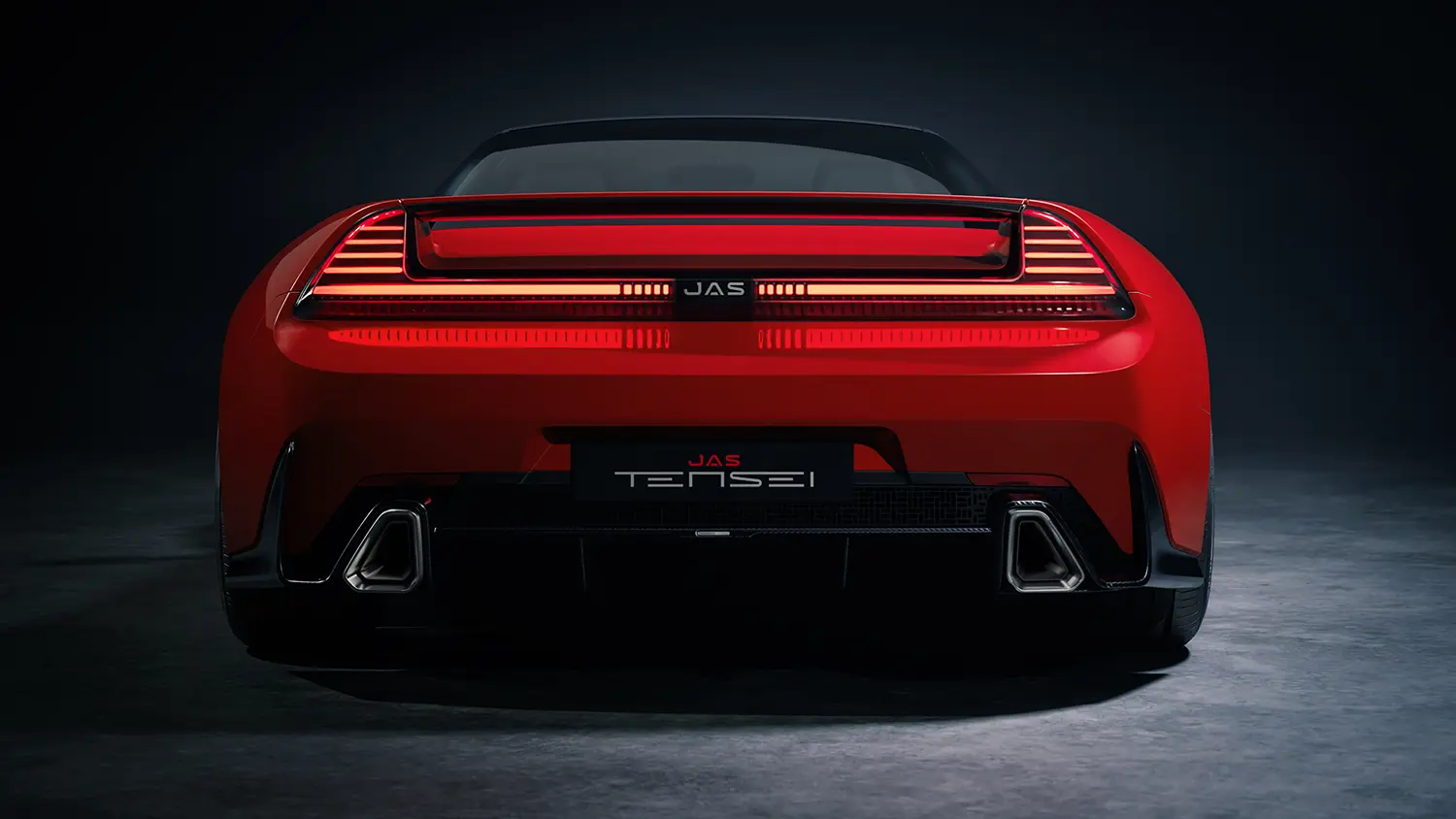
Technical details and craftsmanship converge at the JAS Motorsport Atelier, where each unit is assembled with a focus on bespoke quality. The decision to retain the naturally aspirated V6 engine architecture, paired with a six-speed manual gearbox, is a deliberate rejection of digital isolation. This mechanical heart ensures that the tactile feedback of the drive remains unadulterated. The transition from the raw engineering of the track to the refinement of a road-legal GT is managed through a meticulous selection of components that emphasize the “handmade” nature of the project.
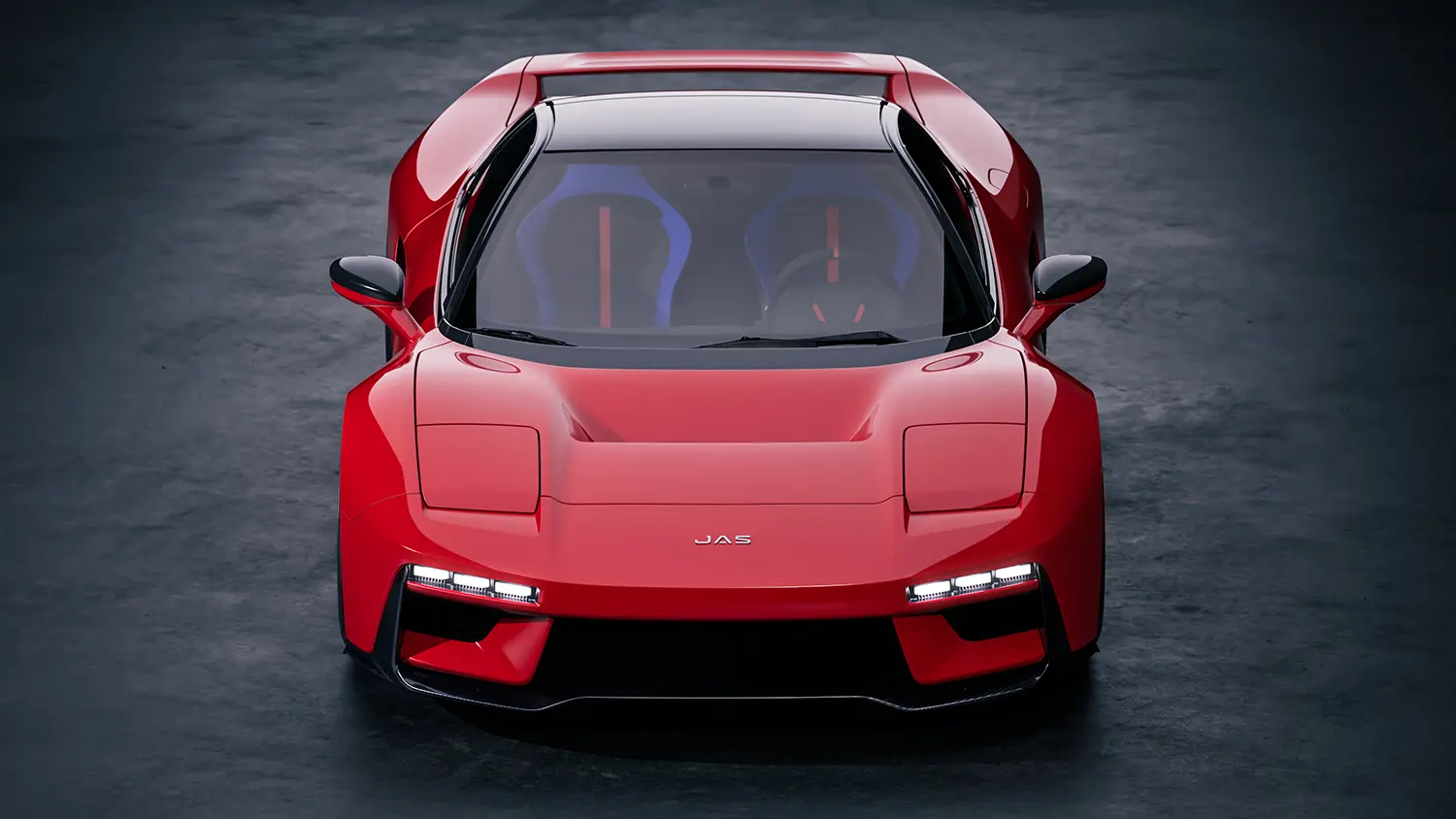
The interior philosophy reflects a commitment to the “human-centric” ergonomics that made the original 1990 model a disruptor in the supercar market. Pininfarina’s intervention in the cabin focuses on enhancing perceived quality without cluttering the driver’s field of vision. The layout remains a study in purity, ensuring a direct connection between the pilot and the machine. It is a space designed for the act of driving, where visibility and tactile interaction take precedence over the superfluous screens that dominate modern automotive cockpits.
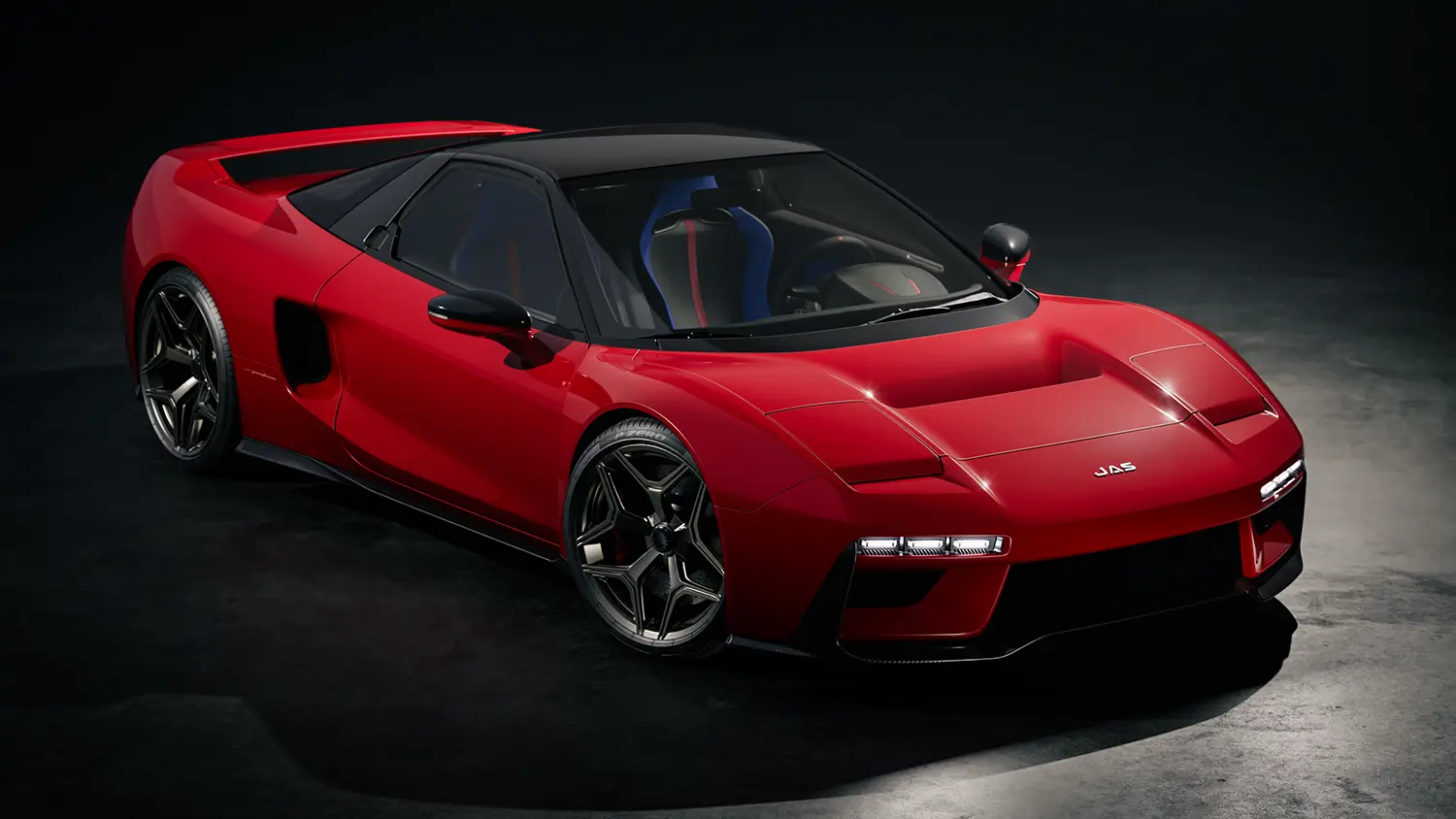
Contextual impact and legacy were at the forefront of the presentation during the Car Design Dialogues in Milan. By unveiling a 1:5 scale model, the team showcased how Tensei functions as a bridge between two distinct cultures of excellence: Japanese mechanical reliability and Italian aesthetic refinement. The project validates the idea that an icon can be evolved without losing its soul, provided the evolution is driven by a deep understanding of proportional integrityand historical context within the broader landscape of high-performance vehicles.
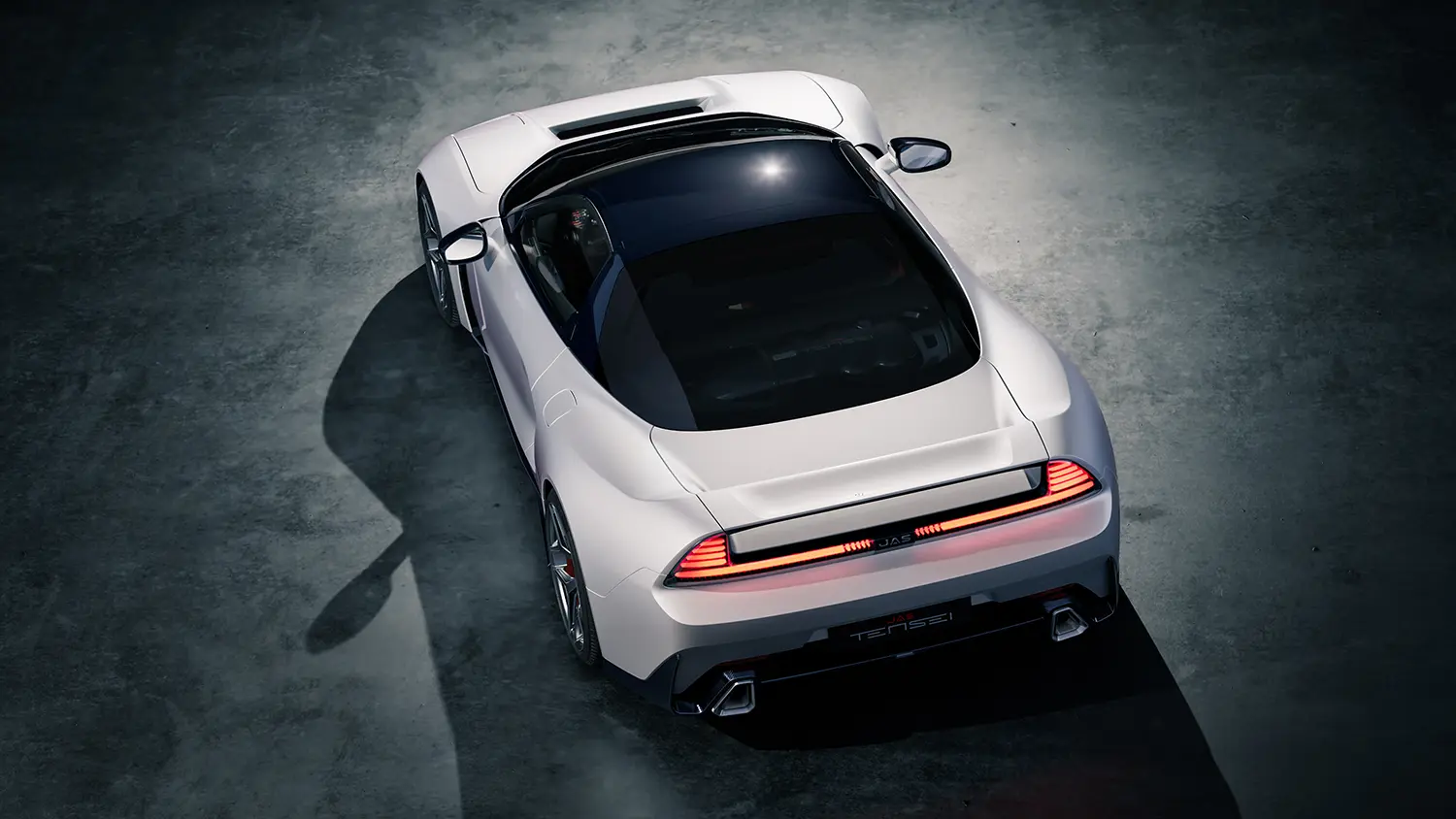
Bespoke customization serves as the final layer of this project’s identity. Through Pininfarina’s Turin-based atelier, owners can engage in a highly personal dialogue to tailor their vehicles, ensuring that no two units of this ultra-limited series are identical. This level of artisanal exclusivity positions Tensei not just as a vehicle, but as a moving sculpture—a testament to the enduring power of collaborative creativity in an age of mass-produced electrification.

A manifesto of performance, Tensei stands as a reminder that the most compelling visions are those that respect the past while having the courage to reshape it. Through the synthesis of JAS Motorsport’s racing DNA and a legendary stylistic heritage, the project achieves a rare balance of technical rigor and aesthetic grace. It is a sophisticated celebration of the machine, proving that the spirit of a classic can indeed be born again into a more powerful, refined, and evocative form.