


The new Mercedes-AMG GT 4-Door Coupé shifts the brand’s aesthetic paradigm by weaponizing polarizing, aggressive lines that disrupt traditional automotive proportions. By prioritizing a confrontational exterior architecture over conventional elegance, the Affalterbach design team deliberately rejects universal consensus in favor of undeniable visual presence. The resulting silhouette marks a radical transition from smooth sculpture to high-performance aerodynamics, proving that modern luxury is no longer about pleasing everyone, but about commanding attention.
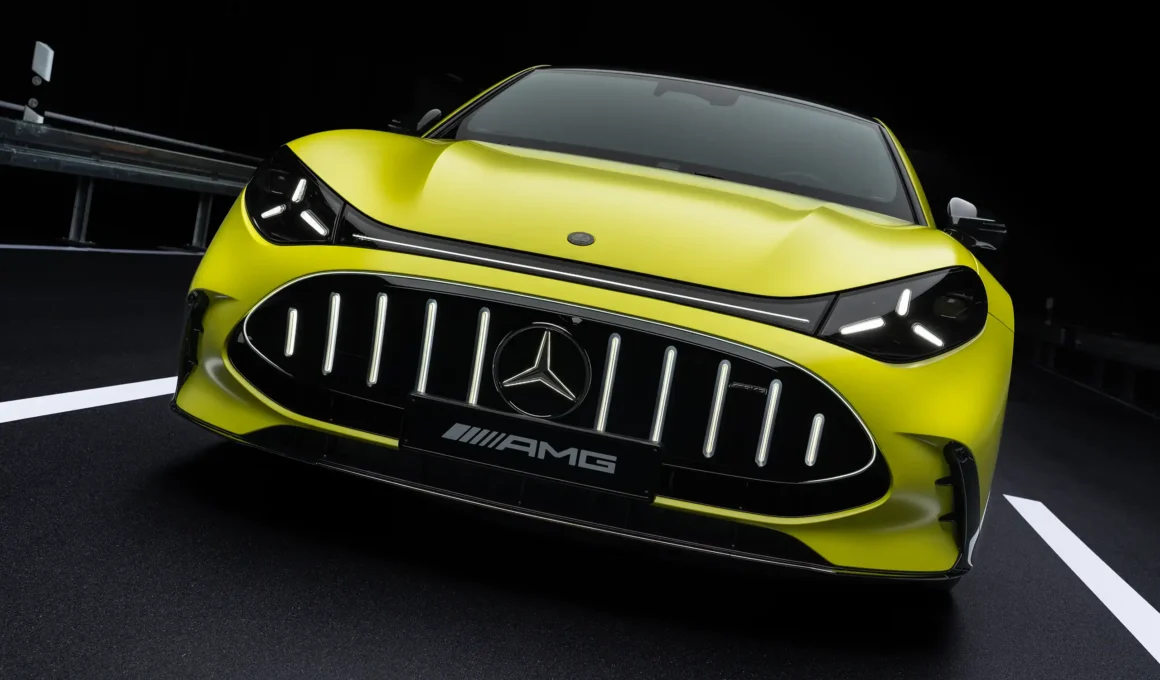
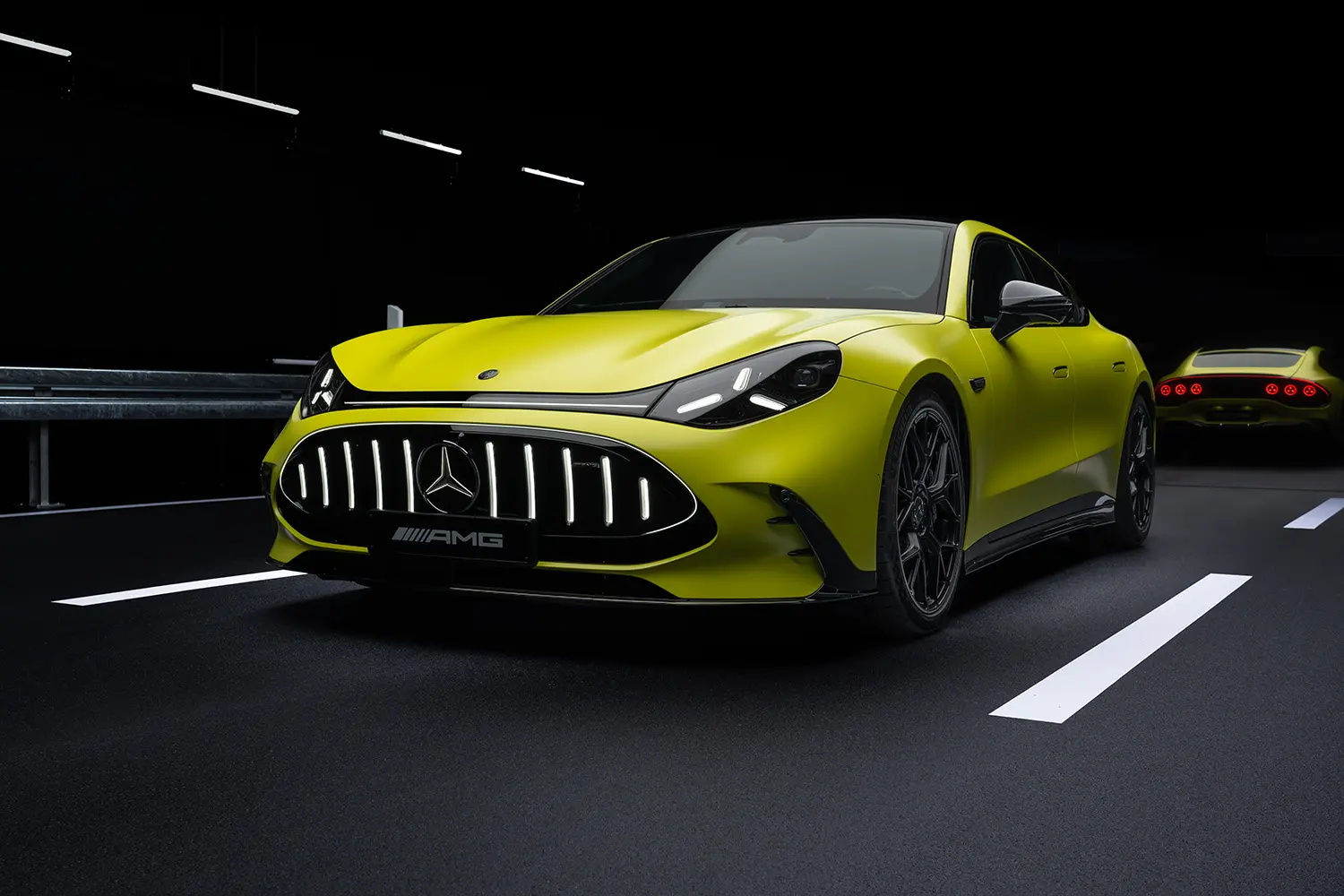
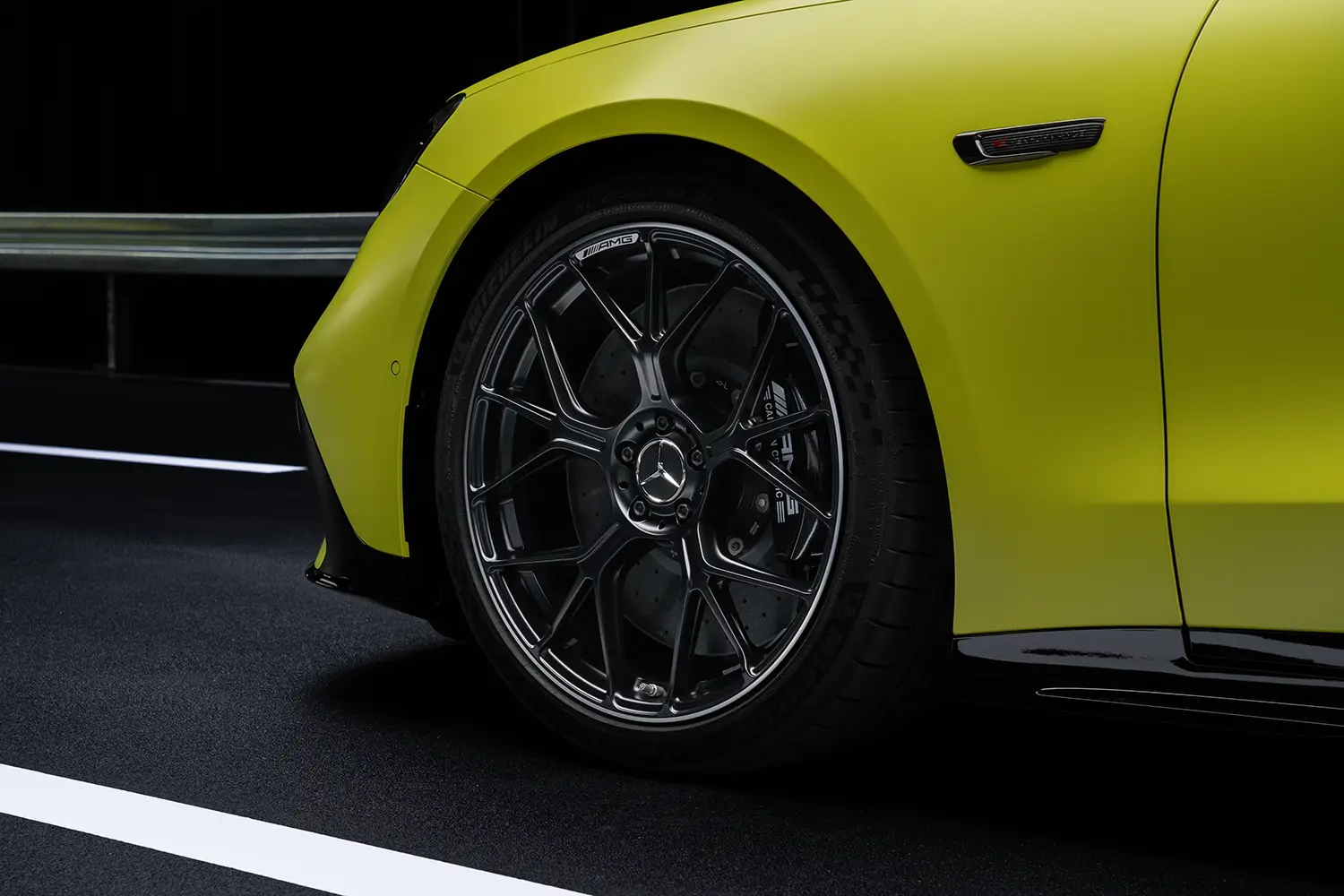
A confrontational stance defines the vehicle’s immediate physical presence, subverting the expected fluid language of its predecessors with an aggressive, low-slung fascia. The massive Panamericana grille dominates the front view, featuring an optional illuminated concave geometry with vertical slats flanked by star-shaped LED headlamps. This stylistic choice prioritizes an intimidating road presence over classical harmony, ensuring that the luxury sports car demands immediate focus.
Sculptural tension dictates the profile, where the sheet metal stretches tightly over an elongated 3,040 mm wheelbase to create an athletic, rear-biased weight distribution. The fastback roofline slopes downward in a single, uncompromised arc, transitioning into muscular rear haunches that emphasize mechanical power. By abandoning conservative four-door geometry, Mercedes establishes a high-performance vehicle silhouette that feels fast even when static.
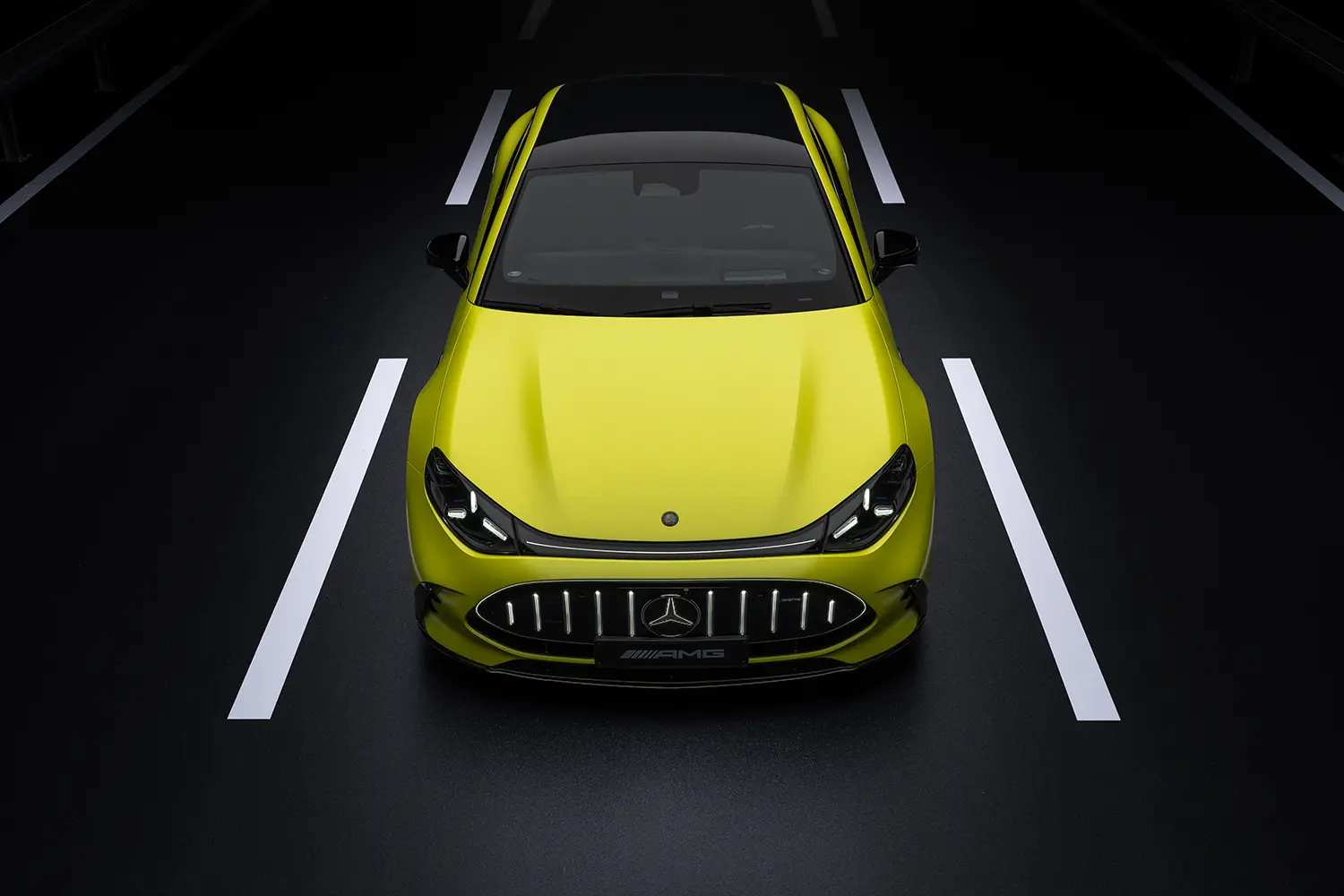
Engineering ingenuity unlocks unprecedented formal freedom, as the transition to the dedicated AMG.EA electric platform bypasses the dimensional limitations of legacy combustion layouts. Chief Design Officer Bastian Baudy notes that this is “a vehicle that stands for high-tech and innovation, makes performance tangible and will set new standards with its radical design approach.” By packaging ultra-compact axial-flux electric motors measuring just eight centimeters in width, the team lowered the roofline by four centimeters compared to its predecessor.
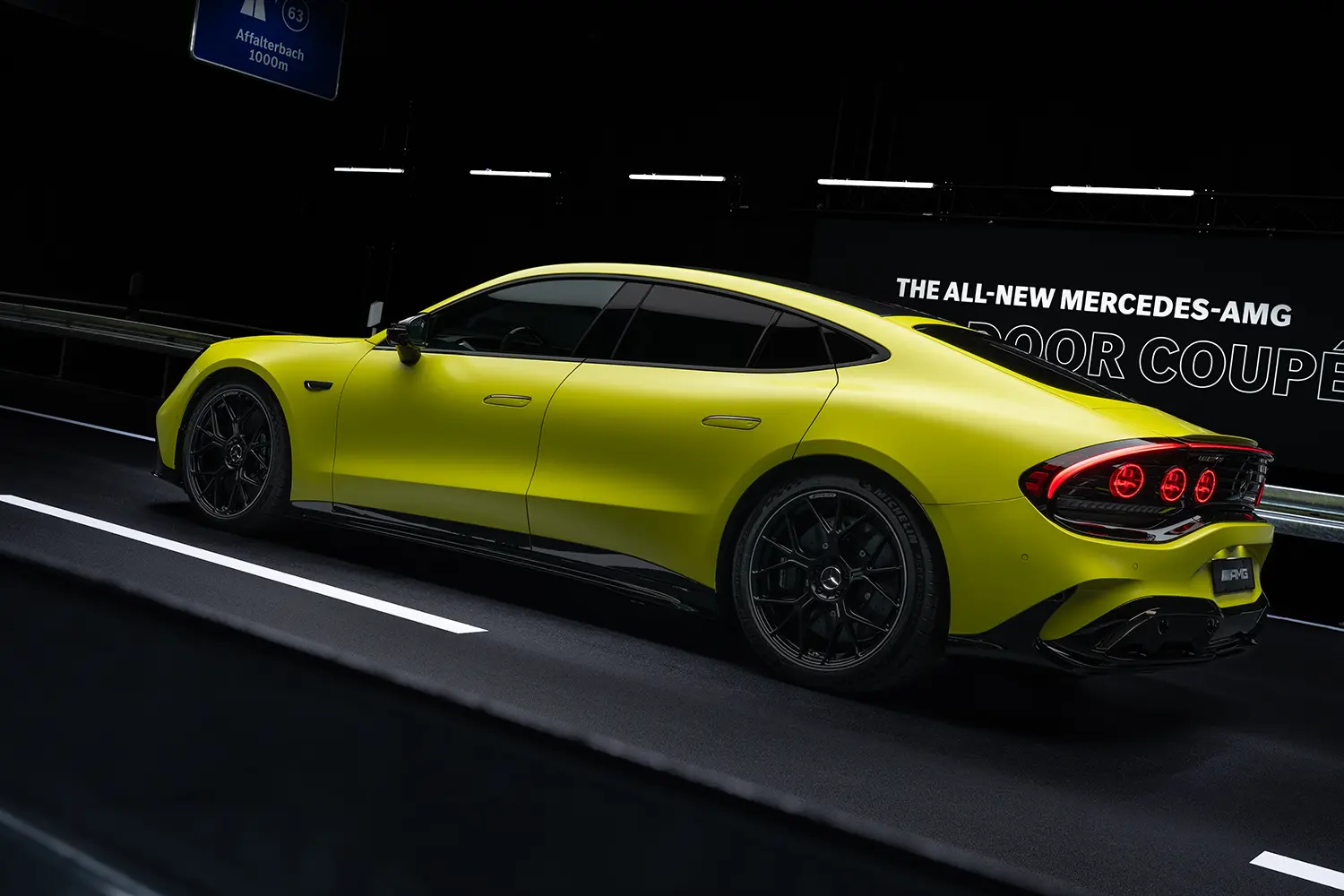
Monolithic surface treatment minimizes unnecessary character lines along the flanks, relying instead on clean reflections to convey volume and mass. This minimalist approach directly mirrors the radical language seen in the Mercedes-AMG GT Concept, translating concept-car futurism into production reality. The smooth sides contrast sharply with the aggressive front, creating a complex visual dialogue that honors the brand’s future tech direction.
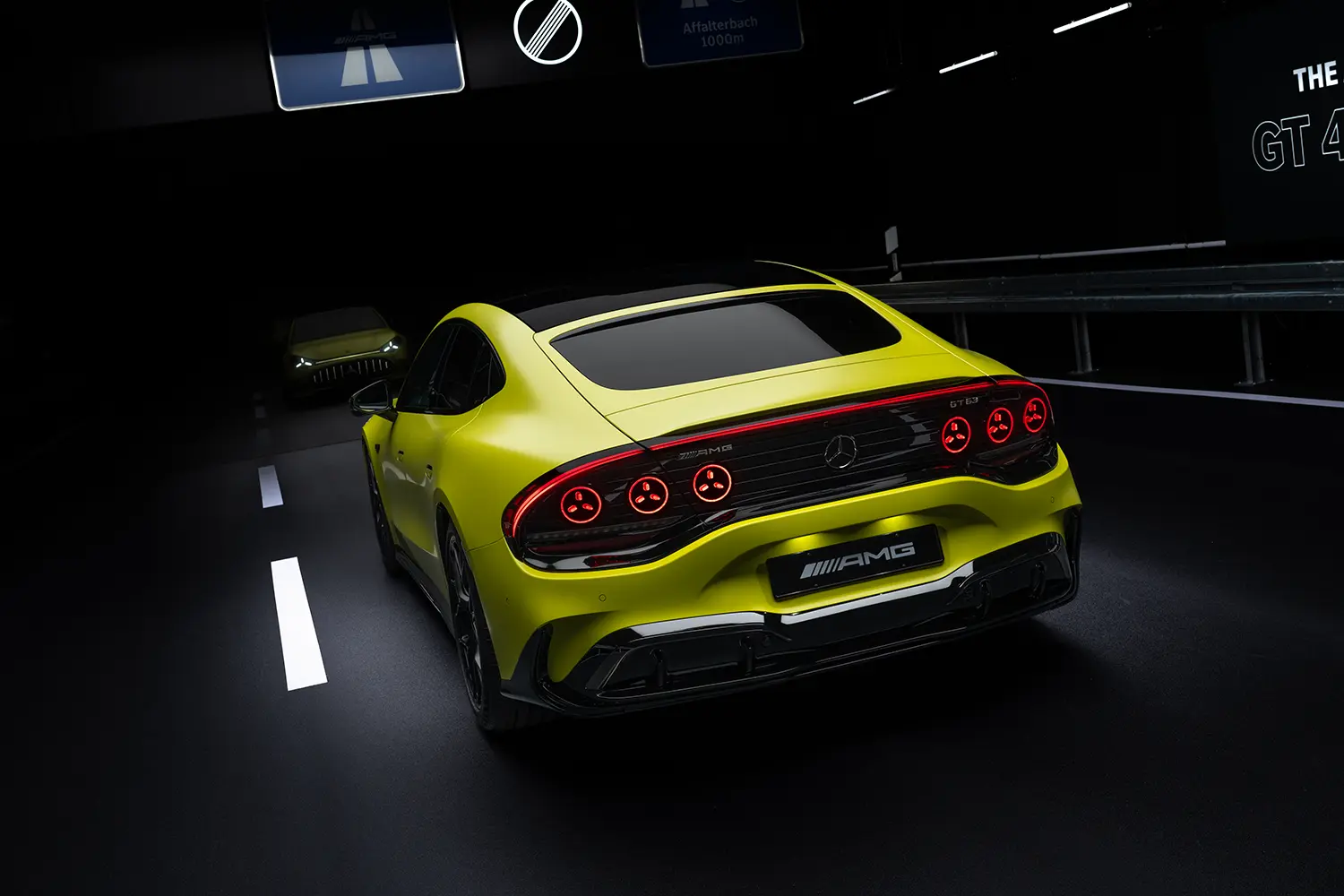
The rear architecture delivers a powerful, wide-track conclusion to the aesthetic narrative, defined by six circular turbine-style taillights and an active deployment spoiler. The lower diffuser housing accommodates a black high-gloss split design, framing the car with an unmistakable industrial gravity. Jörg Burzer, Chief Technology Officer, reinforces this shift by stating the vehicle is “the proof of how we raise performance and endurance to a completely new level.”
Tactile material curation transforms the cabin into a high-tech cockpit where cold, brushed aluminum collides with open-pore carbon fiber accents. The heavy, tactile click of the integrated AMG RACE ENGINEER dial controls on the center console offers a mechanical counterweight to the expansive digital glass dashboard surfaces. Under changing sunlight, the optional sky control panoramic roof transitions from transparent to opaque, highlighting the contrast between organic leather and crisp synthetic interfaces.
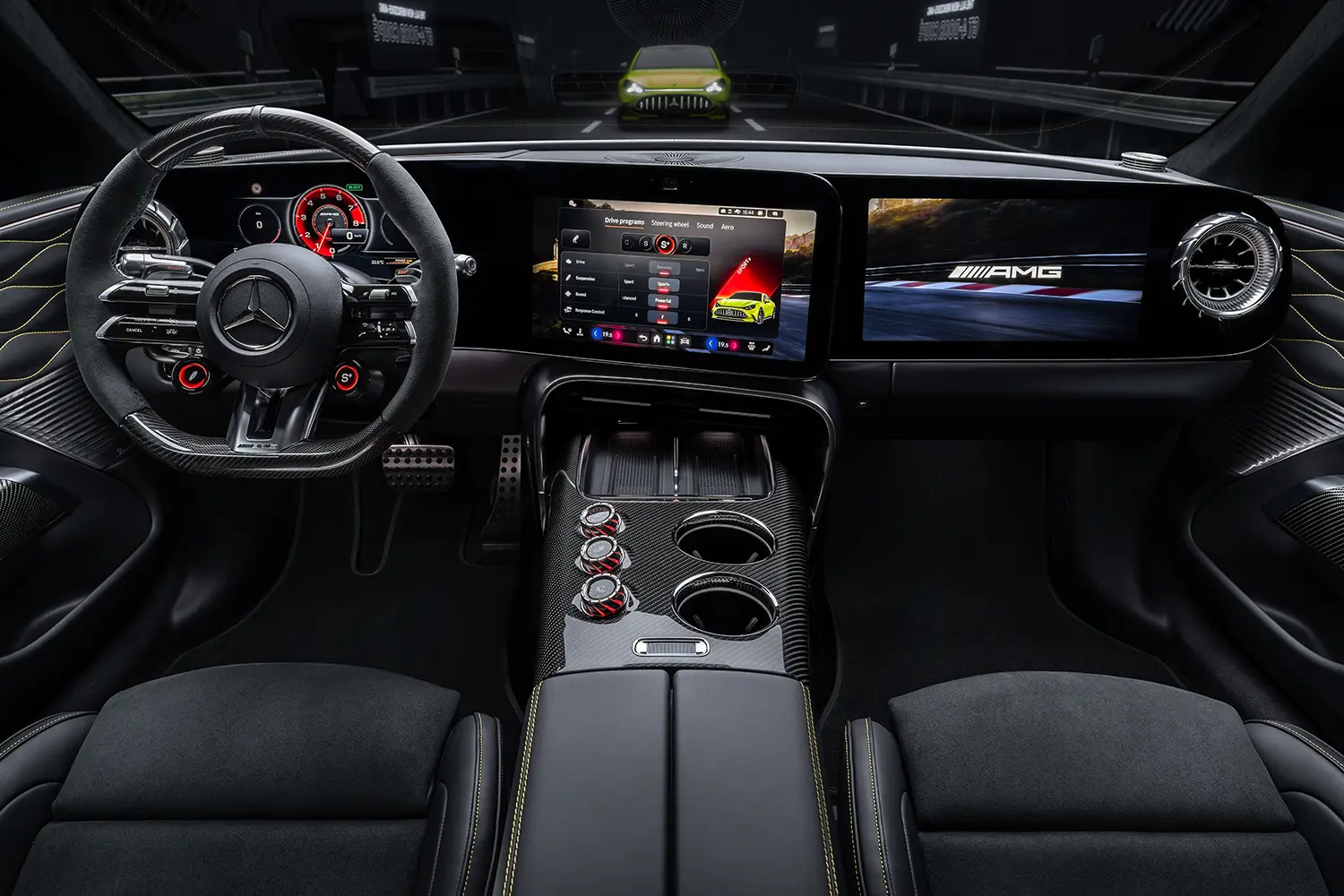
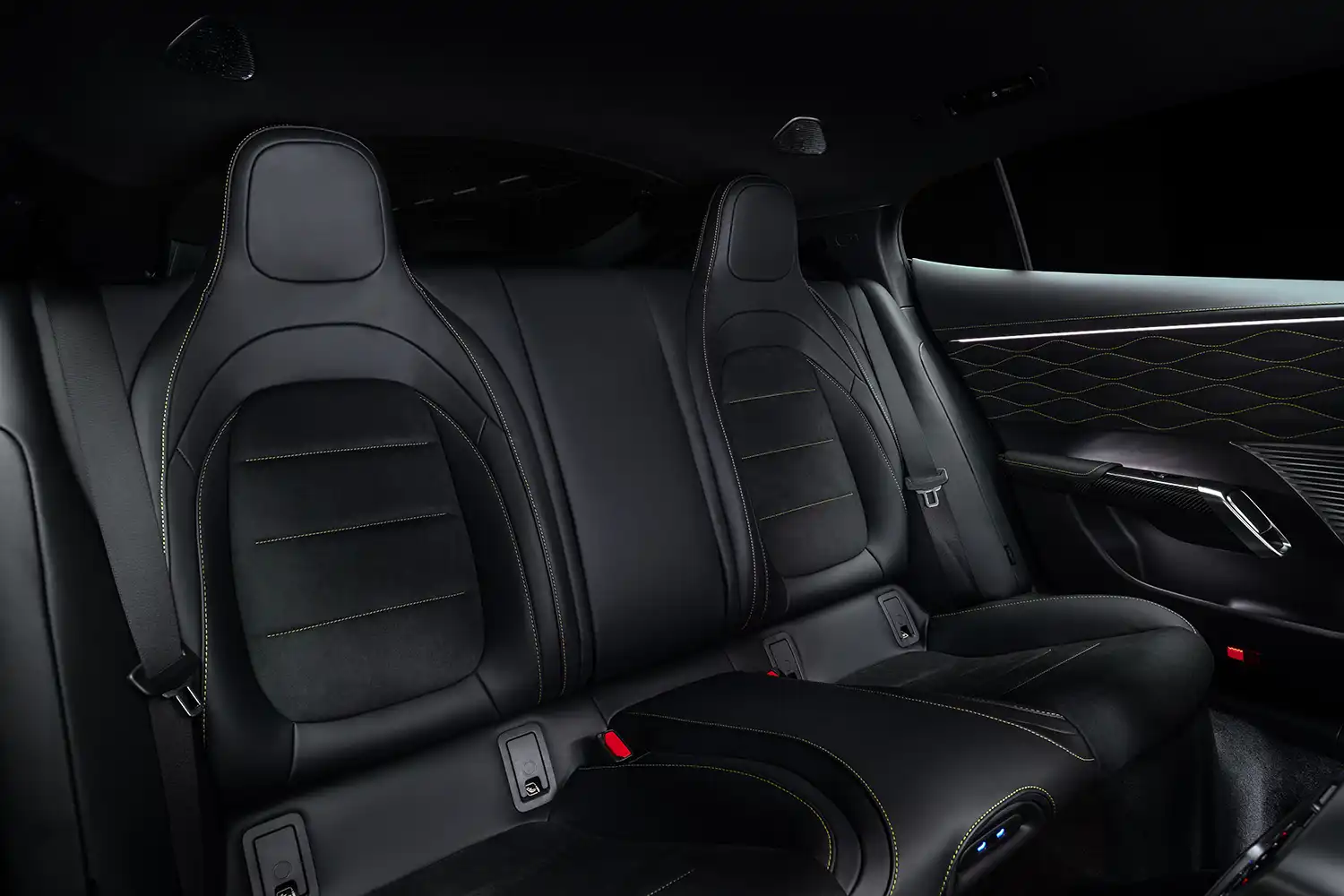
A visceral sensory experience defines the interior atmosphere, where the simulated AMGFORCE S+ mode replicates a multi-channel V8 audio canvas to ground the electric power in familiar mechanical violence. The scent of taut nappa leather mixes with the subtle aroma of synthetic microfiber surfaces lining the steering wheel. Sitting low in expressively bolstered sport seats, the driver feels encapsulated by high metal shoulders, completely isolated from external traffic noise.
The definitive critique of this stylistic direction rests on its refusal to compromise or soften its aggressive stance for mainstream tastes. While purists may argue that the stark, unyielding front and rear graphics disrupt the classic grand tourer lineage, it is precisely this aesthetic friction that elevates the automotive design above its contemporaries. Mercedes has correctly wagered that in an era of safe, homogenous electric mobility, polarization is the truest luxury statement.