



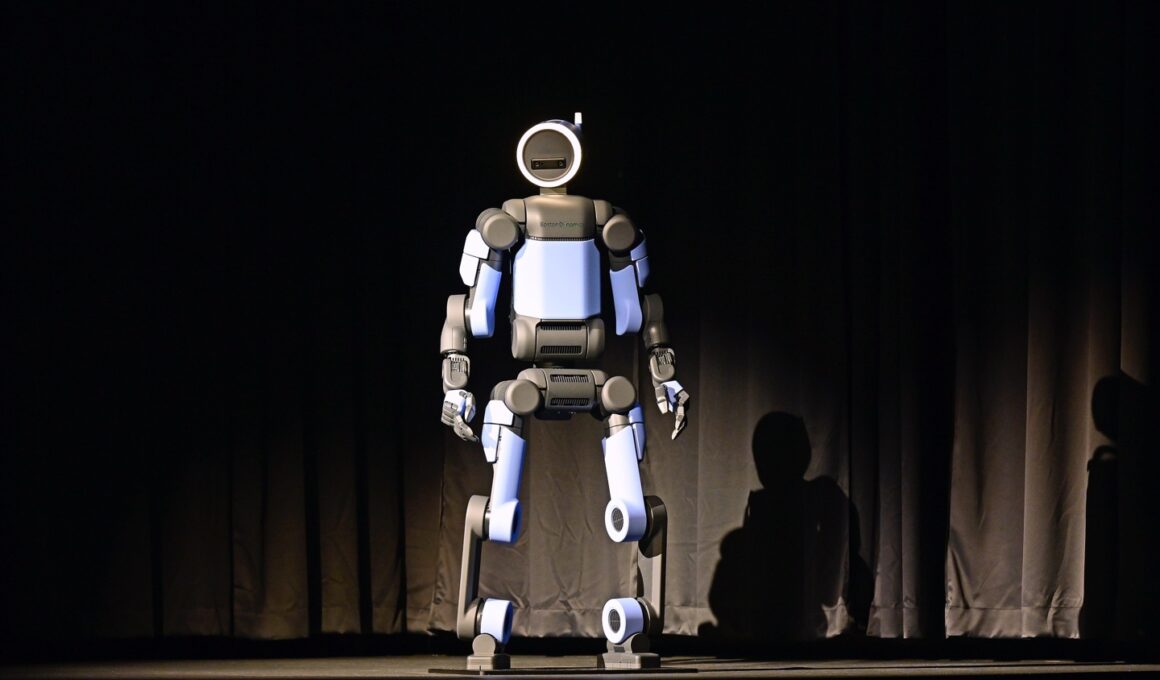
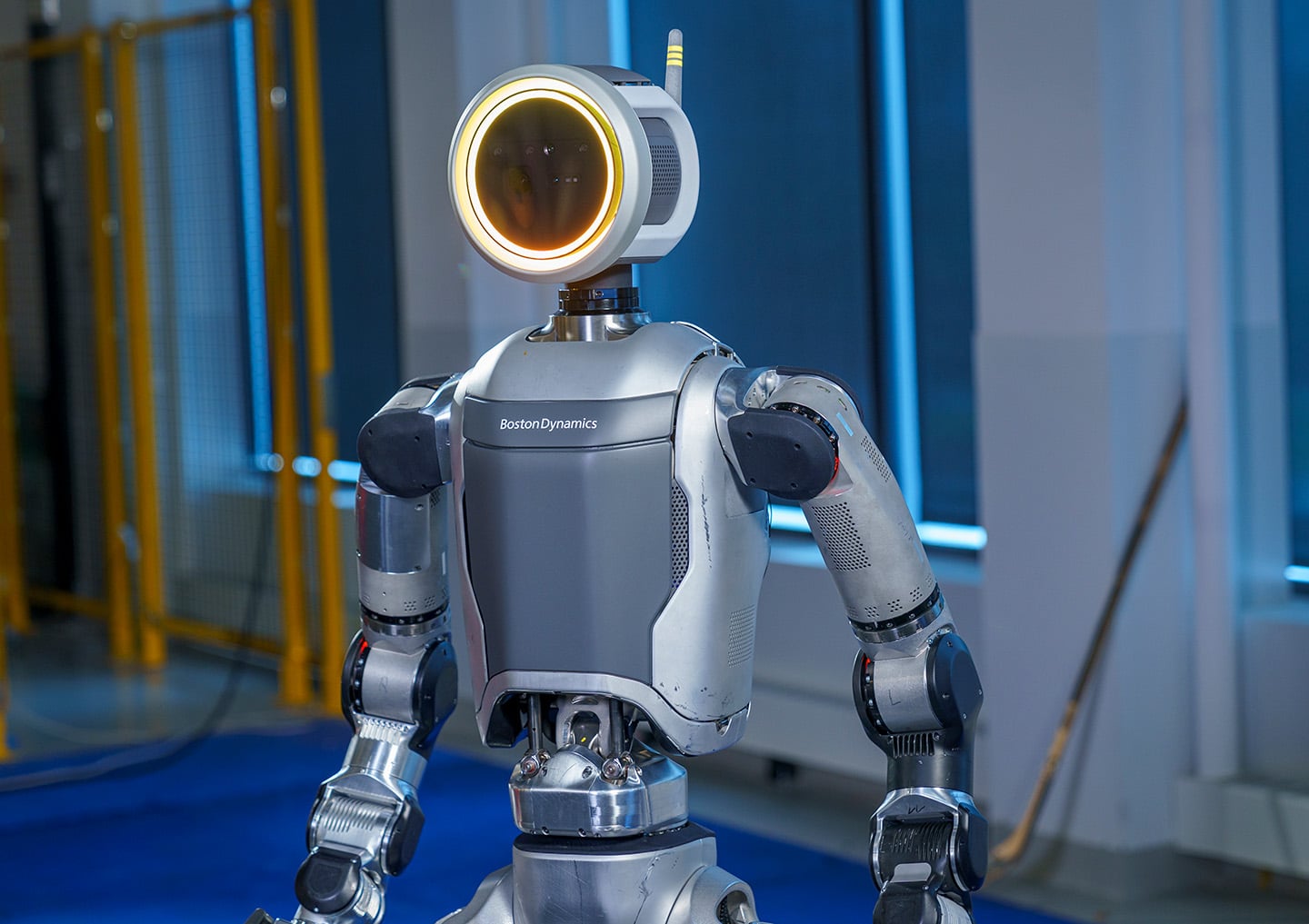
The unveiling of the production-ready Boston Dynamics‘ Atlas at CES 2026 in Las Vegas marks more than a milestone for robotics; it signals a tectonic shift in the relationship between human labor and the built industrial environment. Moving beyond the viral gymnastics of its hydraulic predecessors, the new fully electric humanoid emerged on the Hyundai global media day stage with a clinical, quiet poise. This is no longer a research experiment. It is a tool designed for the rigors of the Hyundai Motor Group ecosystem, embodying a vision of “Partnering Human Progress” that seeks to weave artificial intelligence into the physical fabric of manufacturing. The atmosphere in the hall was one of pragmatism rather than novelty, as the robot demonstrated a choreographed fluidity that felt less like a machine and more like a new category of industrial colleague.
A departure from the skeletal aesthetics of early prototypes, the product version of Atlas presents a refined, encapsulated form factor built for the reality of the factory floor. With 56 degrees of freedom and fully rotational joints, the robot’s movements bypass the limitations of human kinesis, allowing it to pivot and reach with a 2.3-meter extension that feels both uncanny and hyper-efficient. Its tactile-sensing hands are designed for a sensory experience of the workspace—navigating the cold steel of automotive components with a precision that mirrors human touch but exceeds human endurance. This electric architecture allows for a silent operation, a stark contrast to the hiss of legacy hydraulics, creating a workspace that is acoustically less taxing for the humans working alongside these fleets.
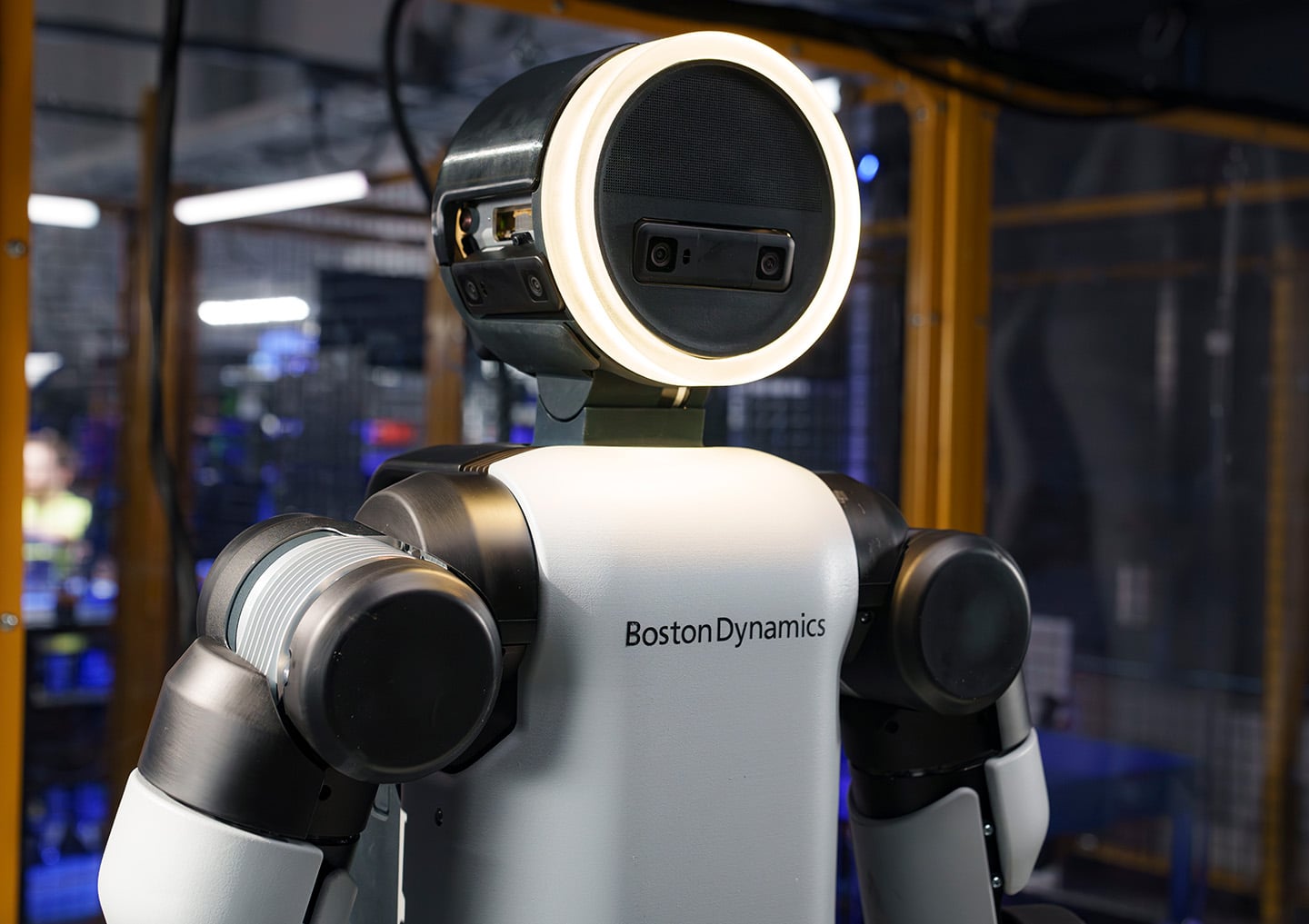
The intelligence driving this hardware is rooted in what Hyundai calls “Physical AI,” a strategy that bridges the gap between digital reasoning and tangible action. Through a high-profile partnership with Google DeepMind, Boston Dynamics is integrating foundation models—including Gemini Robotics—into the Atlas platform. This gives the robot the cognitive capability to perceive complex environments and use tools autonomously. In the Robot Metaplant Application Center (RMAC), Atlas doesn’t just follow a script; it learns. When a single unit masters a new task, such as sequencing parts or machine tending, the data is instantly synthesized and replicated across the entire fleet via the Orbit software. This creates a collective intelligence that evolves in real-time, making the industrial environment a living, learning entity.
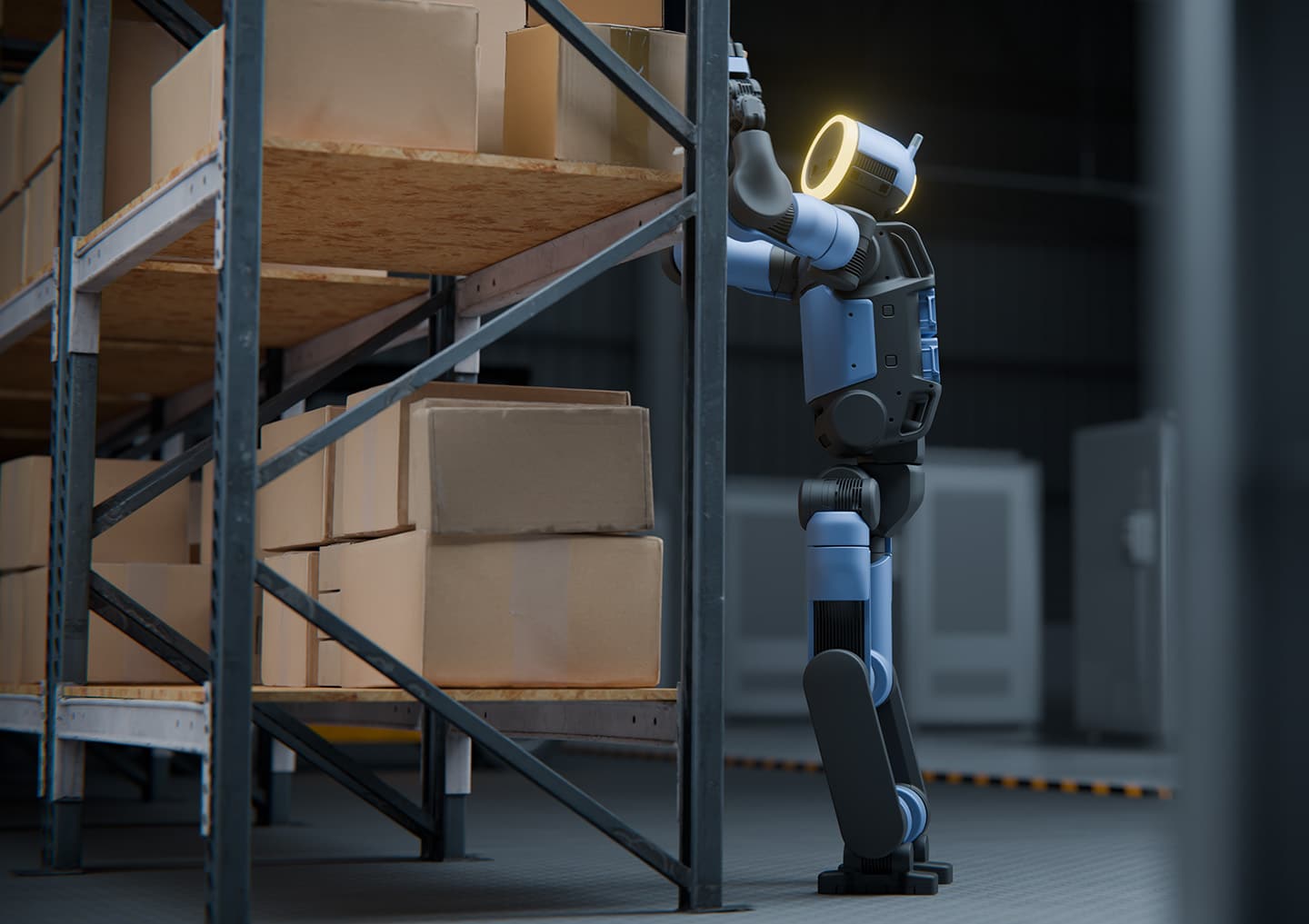
Deployment is already scaling within the Group’s global value chain, specifically targeting the new $26 billion investment in U.S. operations. The Hyundai Motor Group Metaplant America (HMGMA) in Savannah, Georgia, is slated to become one of the primary “training grounds” where human-robot collaboration is put to the test. The strategy is meticulously phased: by 2028, Atlas will handle parts sequencing; by 2030, it will move into complex component assembly. This roadmap is designed to alleviate the “dull, dirty, and dangerous” aspects of production, utilizing Atlas’s 50 kg (110 lbs) lifting capacity and its ability to operate in temperatures ranging from -20° to 40° C. It is a vision of “fenceless guarding” where safety sensors and human detection allow for a shared workspace without the traditional cages of 20th-century automation.
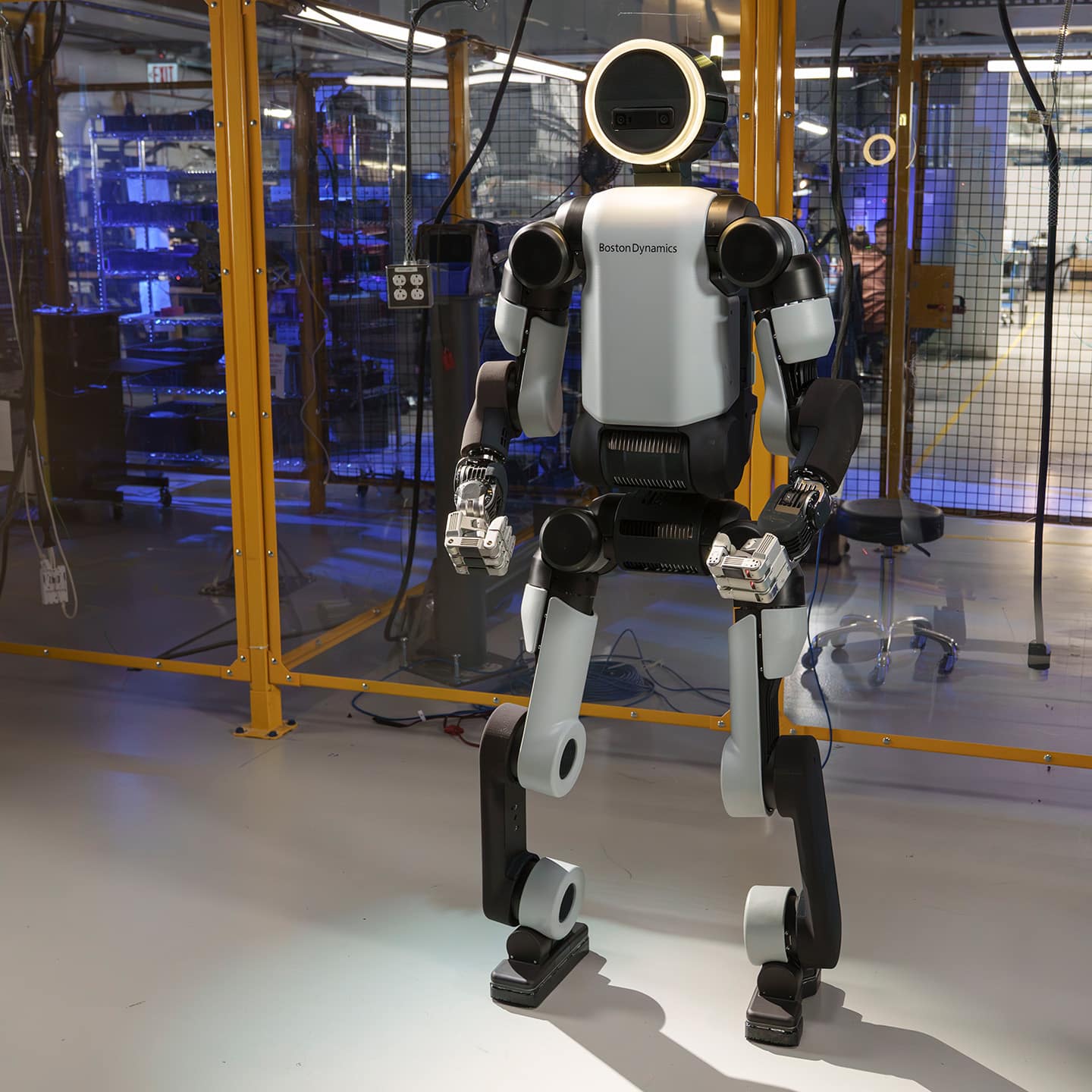
Beyond the walls of the factory, this partnership between Hyundai and Boston Dynamics is setting the stage for a new era of “Robotics-as-a-Service” (RaaS). By establishing a supply chain with Hyundai Mobis for high-performance actuators and aiming for a production capacity of 30,000 units annually, the Group is commoditizing the humanoid. This isn’t just about making cars; it’s about creating a scalable, reliable hardware platform that can be deployed by logistics giants like DHL or Maersk. The goal, as stated by CEO Robert Playter, is the eventual transition of these “useful robots” into the domestic sphere—moving from the assembly line to the home to make life safer and more productive.
The trajectory of Atlas reflects a broader industry trend toward “Physical AI” that we have recently observed across the design landscape. Just as the LG CLOi explored the nuances of AI-driven home robotics and the Figure 03 pushed the boundaries of humanoid robot design through expressive form and autonomy, the new Atlas solidifies the humanoid as the definitive interface of the future. As these machines become more integrated into our daily workflows and urban environments, the focus for designers will shift from the mechanics of movement to the ethics and aesthetics of coexistence. The robot is no longer a guest in our world; it is becoming a permanent resident.