

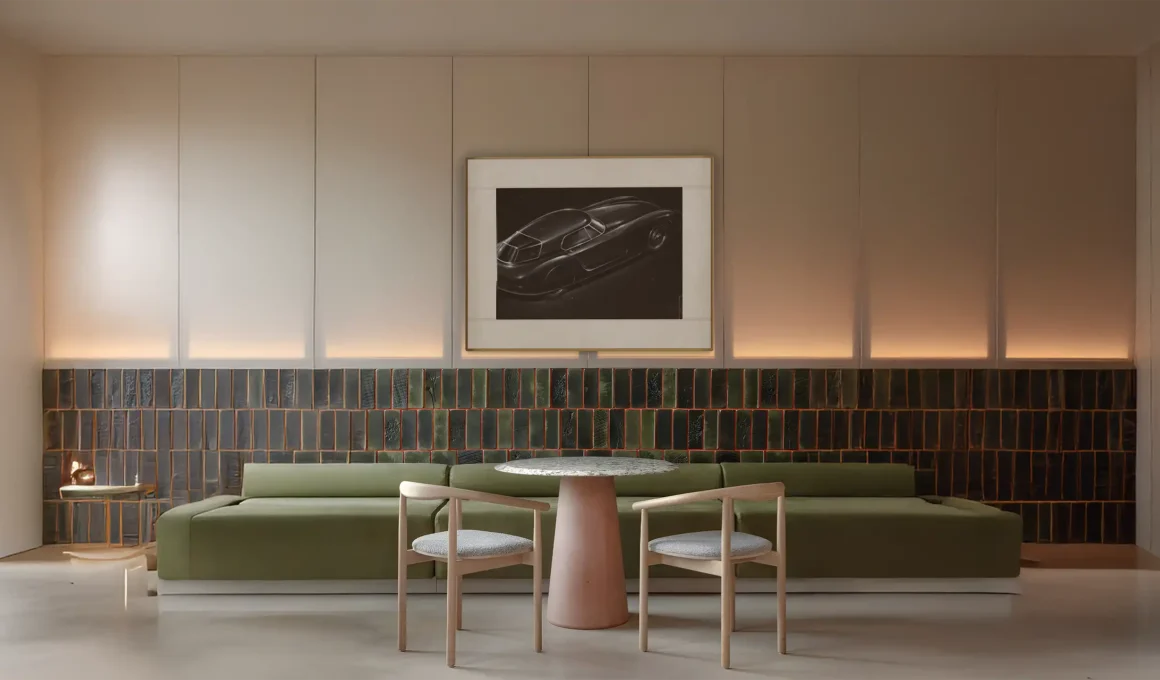
As the boundary between domestic life and artificial intelligence blurs, the integration of technology into the home is increasingly defined by two divergent paths: the functional utility of the machine and the quiet presence of art. While the industry anticipates the arrival of physical AI through autonomous assistants like the LG CLOiD or the sophisticated industrial precision of the Figure 03 humanoid, there is a growing demand for a “softer” entry point for technology. Rather than a moving mechanical presence, InkPoster Duna—a collaboration between Pininfarina and PocketBook—proposes that technology should enter our lives not as a servant or a worker, but as an evocative, stationary object that prioritizes sensory beauty over robotic labor.
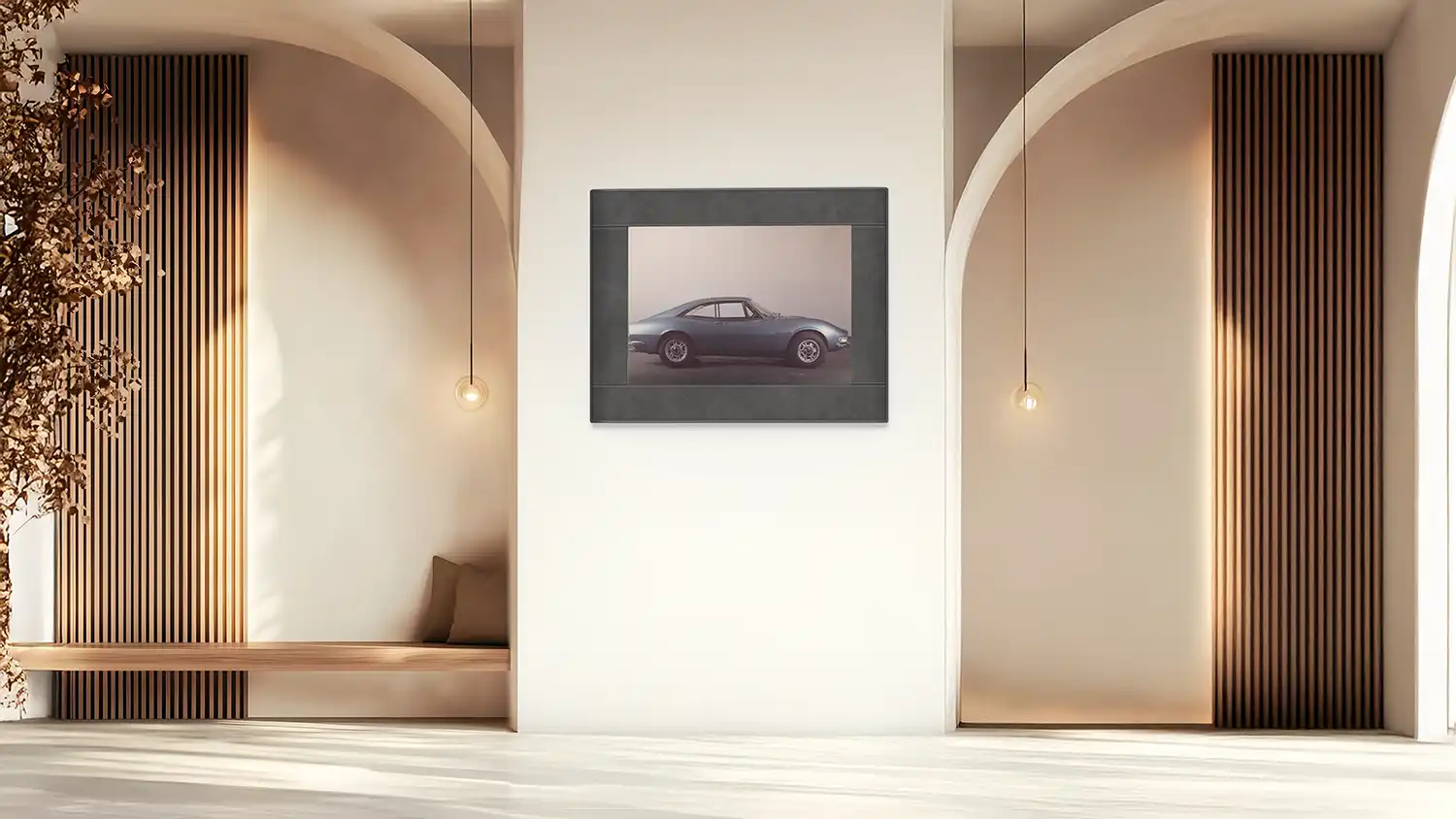
The conceptual vision behind Duna reclaims the wall as a site of quiet contemplation in an increasingly automated world. Premiering at CES 2026 in Las Vegas, this A1-size color ePaper art poster represents a shift from “active” to “passive” innovation. While robots navigate our floors, Duna inhabits our visual field, utilizing E Ink Spectra 6 technology to mimic the texture and depth of a physical lithograph. By rejecting the aggressive glow and flicker of traditional screens, it offers an alternative to the digital fatigue often associated with modern hardware, providing an analog experience that is “powered” by innovation but “felt” as pure art.
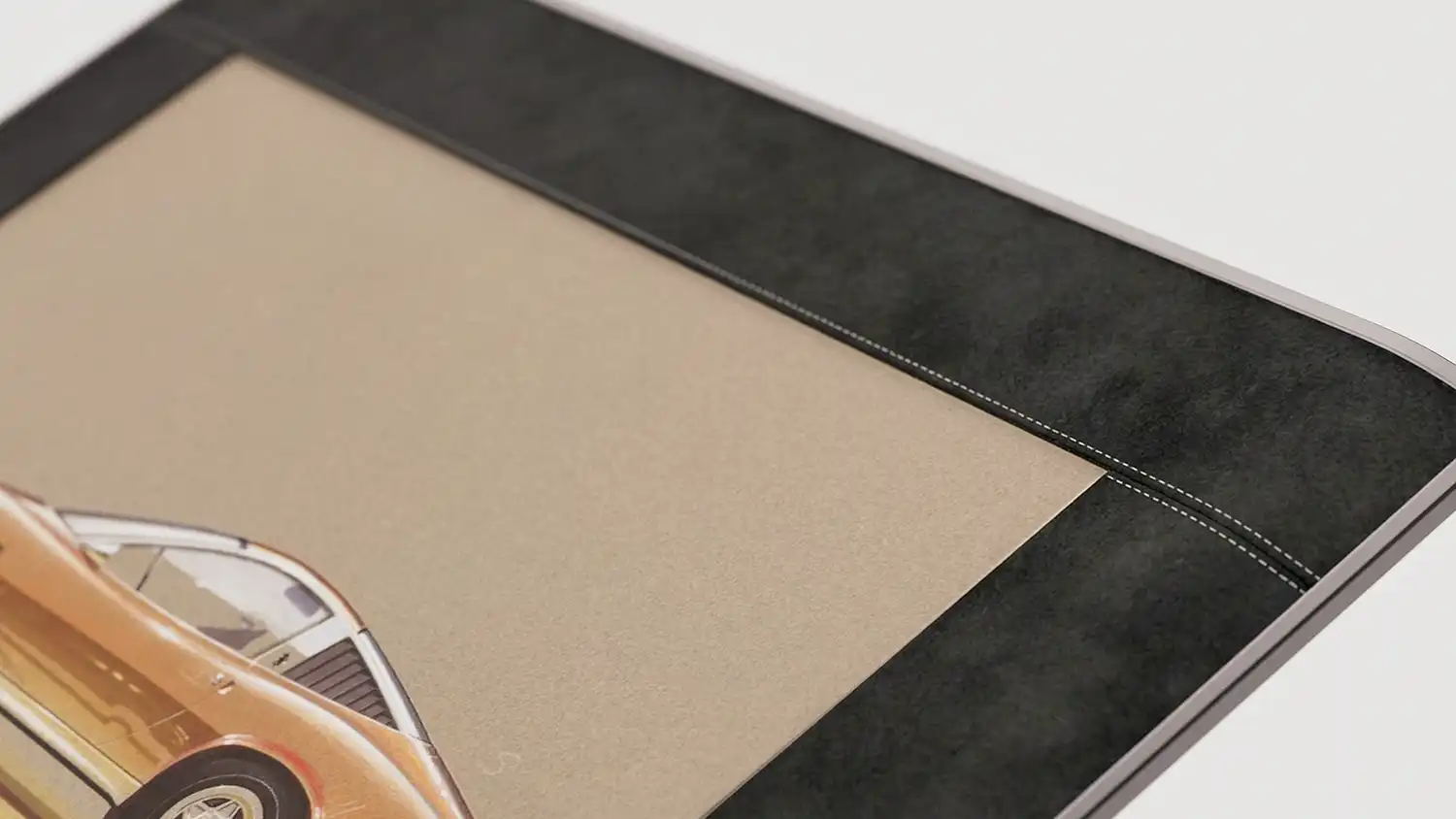
The technical execution and materiality of the piece reflect Pininfarina’s legendary ability to turn cold engineering into human emotion. The frame is not merely a border but a sculptural element, crafted from precision-engineered aluminum and wrapped in hand-stitched Alcantara. This high-performance material, a staple of luxury automotive interiors, replaces the industrial plastic of the digital age with a tactile, sensory warmth. The fluid curvature of the metal and the tailored stitching create a “designed gesture” that feels more like a piece of bespoke furniture than a technological device. It is a masterful example of how the Italian design house can soften the edges of the digital world, making it compatible with the most refined private homes, hotels, and restaurants.
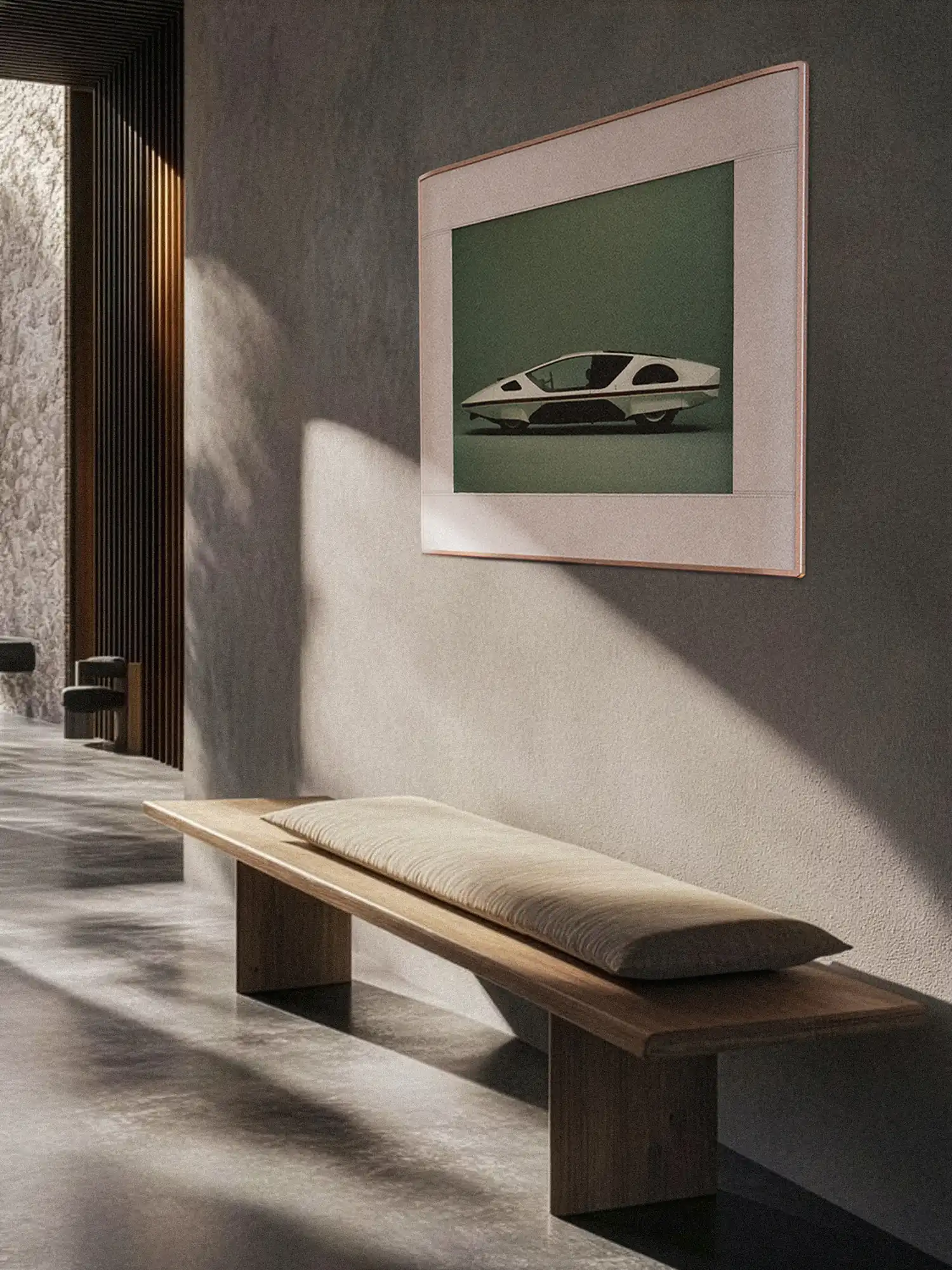
The revolutionary cordless design of Duna allows it to exist within a space with the same freedom as a traditional oil painting. Unlike robots that require charging docks or TVs that demand permanent wiring, Duna’s Sharp IGZO-enhanced display consumes power only when an image is changed. A single charge provides a full year of autonomy, ensuring that the architectural integrity of a room is never compromised by “cable clutter.” This allows for total freedom of placement in high-traffic hospitality environments or minimalist residential projects, where the goal is to create an atmosphere of stillness rather than a hub of technical activity.
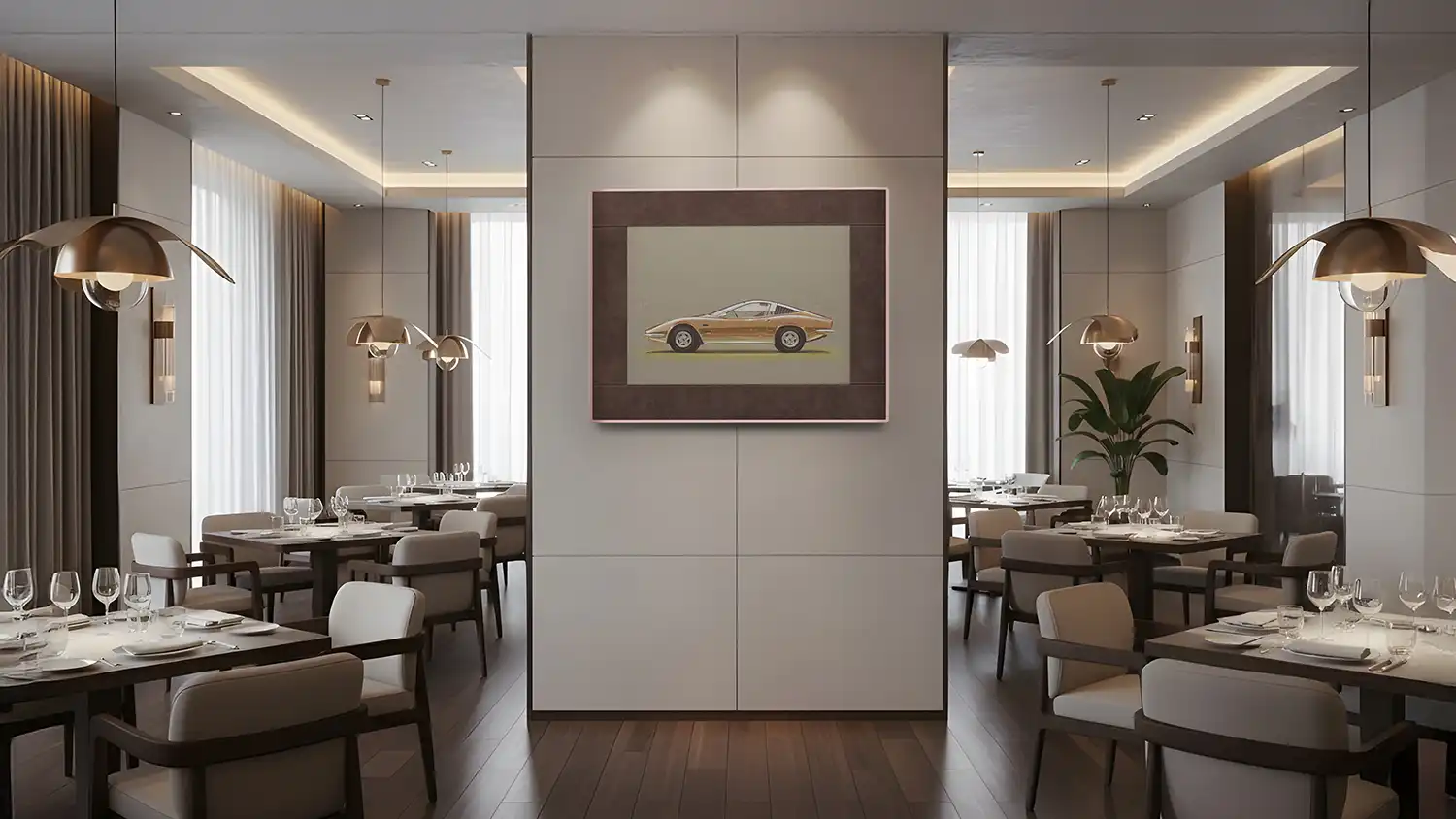
An exclusive digital curatorship bridges the gap between the future and design history. Through the InkPoster App, users can access thousands of licensed works, including a rare collection of original sketches and prototype designs from the Pininfarina archives in Cambiano. This historical depth allows the owner to transform their environment instantly, shifting from a modern graphic poster to an iconic piece of automotive heritage. It turns the act of displaying art into a dynamic narrative, allowing the “technology” to serve as a bridge to human creativity rather than an end in itself.
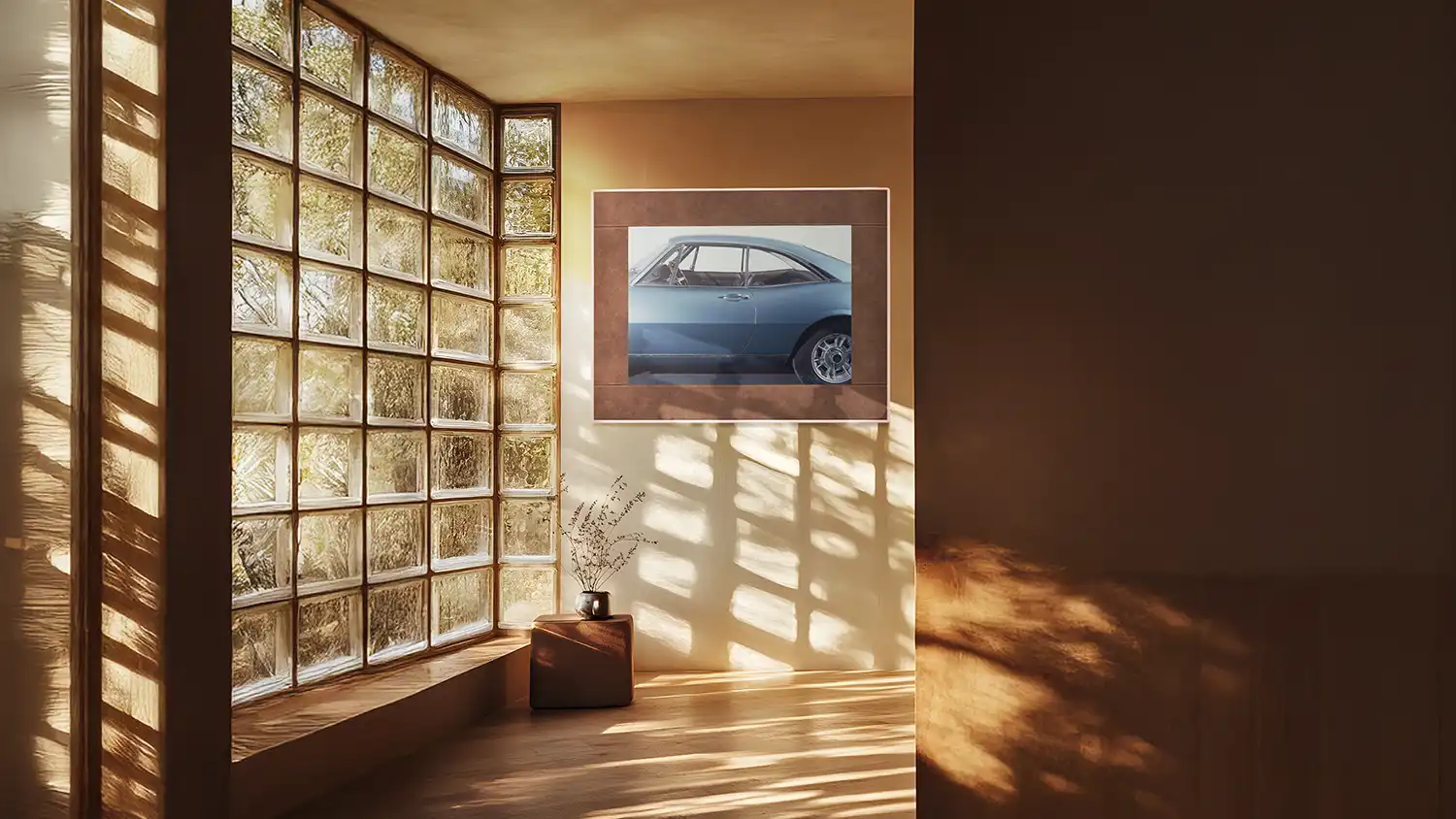
The contextual impact of this “quiet” technology will be a focal point during Salone del Mobile in Milan from April 21-26, 2026. As we negotiate the presence of robotics and AI in our intimate spaces, Duna stands as a reminder that the most sophisticated innovation is often the one that respects our need for visual silence. By pairing Swiss engineering with Italian soul, the InkPoster Duna proves that the future of the home is not just about what technology can do for us, but how beautifully it can live alongside us.