

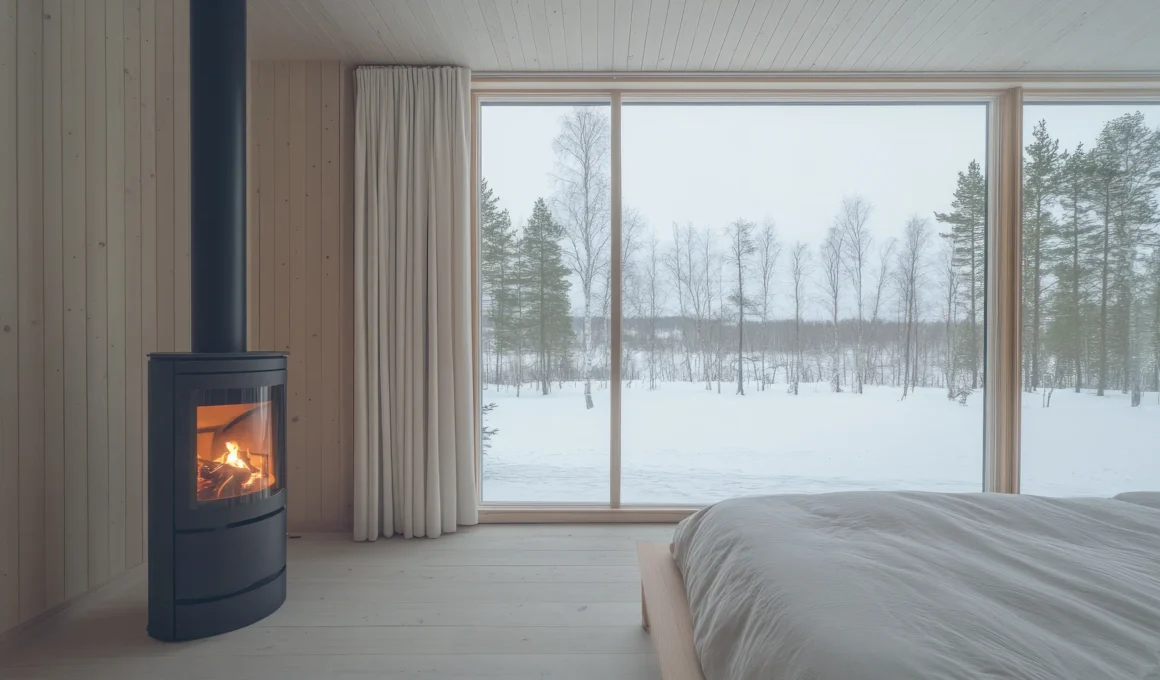
For most of us, the fireplace is the cozy center of the home. It is where we hang stockings in winter and gather for warmth when the snow starts falling. But because the chimney itself is mostly hidden behind walls or high up on the roof, it is easy to forget about it. We tend to enjoy the fire without thinking about the complex machine that makes it possible.
However, treating your chimney with an “out of sight, out of mind” attitude can be a mistake. A neglected chimney can lead to bad smells, smoke damage, and even safety hazards. Keeping your home safe does not require you to be an expert, but it does require understanding a few basics about how the system works and when to call for help.
The Soot Situation
When you burn wood, it creates smoke. As that smoke travels up your chimney, it cools down and leaves behind a residue called creosote. This is unavoidable; it happens with every fire you light.
The problem arises when this residue builds up over time. If the layer of creosote gets too thick, it can block the airflow. This means smoke might push back into your living room instead of going up and out. More dangerously, creosote is flammable. If a stray spark hits a thick patch of it, it can start a chimney fire. This is why a regular chimney sweep is the most important maintenance task you can do. A professional cleaning removes this fuel source, ensuring that your fires burn cleanly and safely.
Why Looking Isn’t Enough
Many homeowners think they can check the chimney themselves by just looking into the fireplace with a flashlight. While this helps you see the firebox (the area where the wood burns), it tells you very little about the rest of the system.
Damage often happens in areas you cannot see, like the flue liner inside the stack or the smoke chamber just above the damper. Small cracks in these areas can let heat escape to the wood framing of your house. For those living in regions with extreme temperature swings, such as those who utilize a professional chimney inspection Colorado Springs service, this step is considered essential. Experts use special cameras to slide up the chimney and look at every inch of the interior. They can spot a hairline crack or a missing mortar joint long before it becomes a major problem.
Weathering the Storm
The local environment is often tough on homes, and the freeze-thaw cycle is particularly hard on bricks and mortar. Take, for example, the climate in Colorado, where snow melts on your chimney during the day and water soaks into the bricks. When the temperature drops again at night, that water freezes and expands.
Over time, this process can cause bricks to crack or flake off (a process called spalling). If you see bits of red clay or brick on the ground near your chimney, it is a sign that water damage is happening. Keeping a good chimney cap on top of your chimney and ensuring the chimney crown (the concrete seal at the top) is solid are the best ways to stop water from destroying the masonry.
Conclusion
Your fireplace should be a source of comfort, not worry. By taking a proactive approach to home maintenance, you protect your biggest investment. A simple annual routine of cleaning and inspecting ensures that you can enjoy the warmth of the fire all winter long, knowing that your family is safe and sound.