



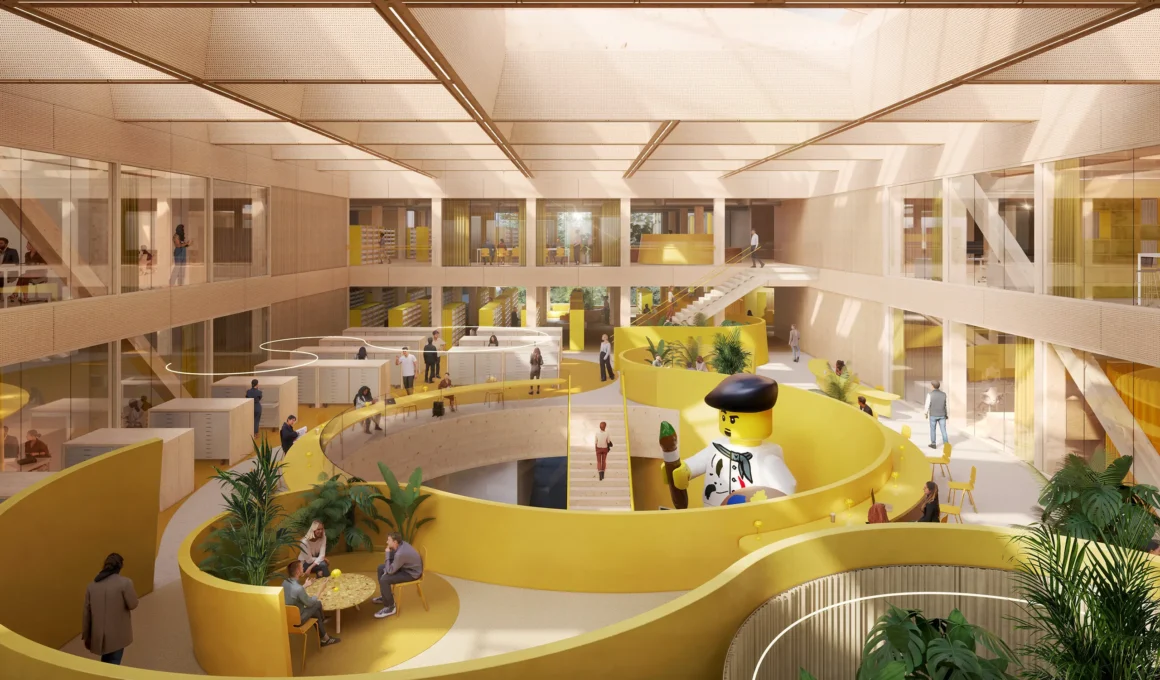
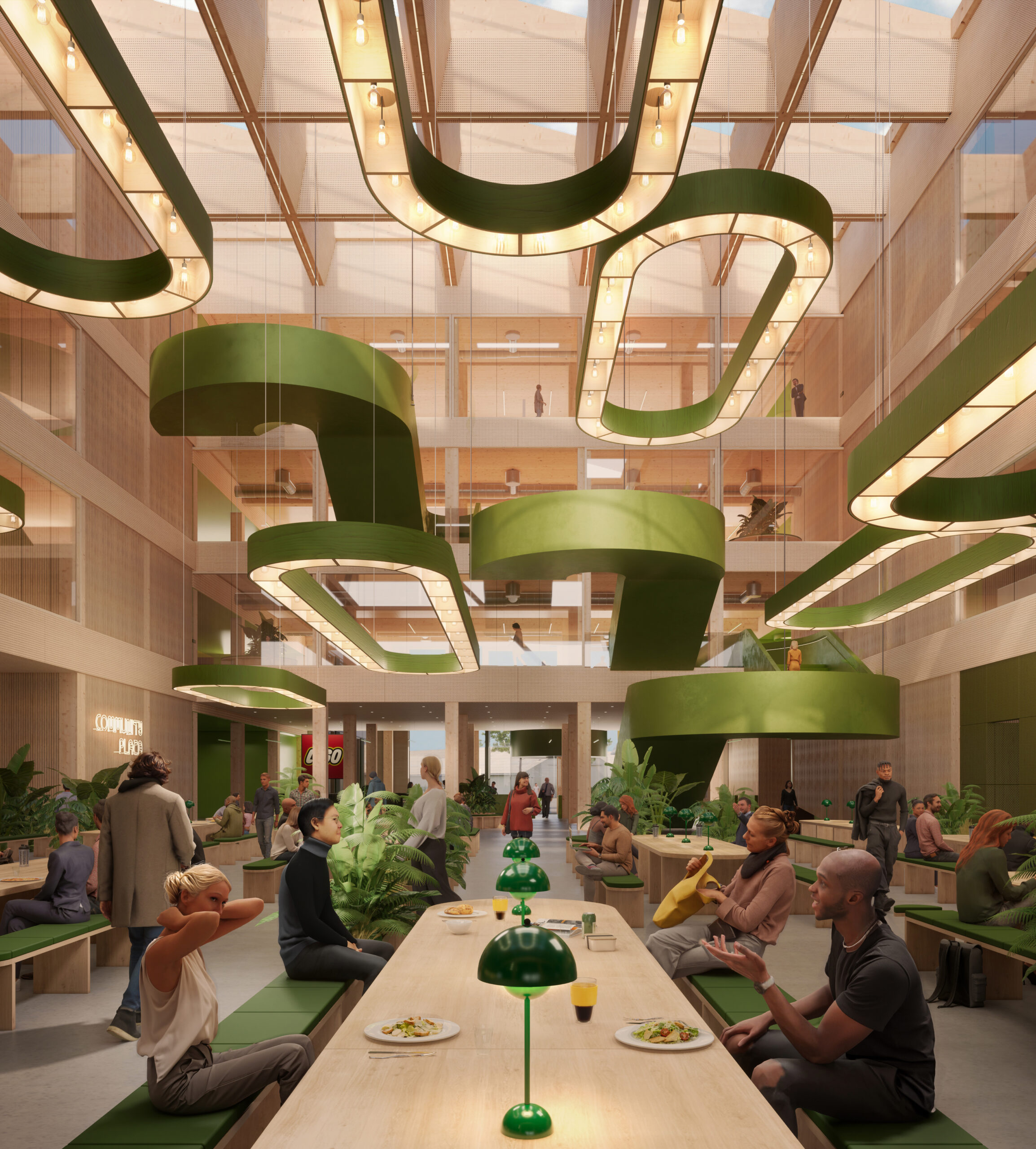
In 2026, the traditional workplace is no longer a default destination; it is a curated experience that must justify the commute. As the boundary between professional and personal spheres continues to blur, companies are shifting away from sterile cubicles toward high-energy hubs that foster a sense of belonging. The LEGO Group’s recent global expansions serve as a blueprint for this transition, demonstrating that a human-centric workspace is less about square footage and more about creating an environment where corporate identity breathes through local culture. By transforming the office into a social and creative magnet, organizations are effectively “earning” the presence of their employees through intentionality rather than obligation.
A Global Framework Built on Local Dialects. The strategy spearheaded by the Workplace Innovation Team, led by Timothy Ahrensbach and Rune Sanggård Andersen, moves beyond the “one-size-fits-all” mentality that defined the previous decade. Their philosophy—”one language, multiple dialects”—ensures that while the brand’s core values remain consistent, the physical execution adapts to the specific needs of the local workforce. This approach acknowledges that a team in Singapore requires a different sensory landscape than one in Vietnam or Boston. It is a sophisticated exercise in workplace innovation that prioritizes the psychological needs of the “builders of tomorrow,” ensuring that the moment an employee crosses the threshold, they find a tangible reason to be there.
Sensory Play and Inclusive Dynamics in Singapore. Spanning over 7,000 square meters across four floors, the newly expanded Singapore Hub is an exercise in vibrant functionality. Taking direct cues from local playgrounds, the space is designed to be inclusive and high-energy, breaking the monotony of standard corporate layouts. This environment is specifically engineered to stimulate the cognitive processes associated with play, which are essential for problem-solving. To truly optimize such dynamic spaces, many firms are now looking at integrated strategies to improve office comfort and productivity, ensuring that the physical comfort of a workstation matches the creative ambition of the surrounding area. In Singapore, this manifests as a workplace that encourages spontaneous collaboration through “huddle” zones and tactically placed interactive installations.
Cultural Narrative and Heritage in the Boston Hub. When the Boston headquarters opened its doors in 2025, it didn’t just provide desks; it provided a story. The integration of local historical markers, such as the LEGO model of the Make Way for Ducklings sculpture, creates an immediate emotional connection with the city’s identity. This “local touch” acts as a bridge between the LEGO Group’s 1930s origins and its future in the United States. Beyond the visual storytelling, the technical execution of such spaces requires a deep understanding of how materials and layout influence the daily experience. High-traffic hubs often necessitate specialized office design focusing on flooring and acoustics to manage the soundscapes of a busy, collaborative environment, ensuring that the “buzz” of creativity doesn’t devolve into disruptive noise.
Efficiency Meets Creativity on the Vietnam Factory Floor. Perhaps the most radical transformation is occurring in the Vietnam factory, where the workplace teams have debunked the myth that industrial settings must be purely utilitarian. By integrating large-scale graphics and the stunning dragon mural—a collaborative build from colleagues in Jiaxing, China—the factory floor becomes a space of pride. The inclusion of “play zones” and LEGO building tables in break rooms acknowledges a fundamental truth: creative people never truly want to stop building. The activity-based workingmodel here proves that whether a colleague is operating a machine or managing a spreadsheet, the quality of their physical environment directly impacts their innovative output and job satisfaction.
The Functional Legacy of Shared Spaces. The success of these global hubs lies in their ability to foster a “Destination Office” culture that employees are proud to showcase to the world. It is a shift from the “bland corporate setting” to a high-performance ecosystem where functionality and inspiration are treated as equal priorities. By investing in human-centric design and authentic local engagement, the LEGO Group isn’t just building offices; it is reinforcing a global community. In the end, the most effective workplace “hack” isn’t a piece of software or a ergonomic chair—it is the creation of a space that makes the user feel like their best work is not only possible but inevitable.