




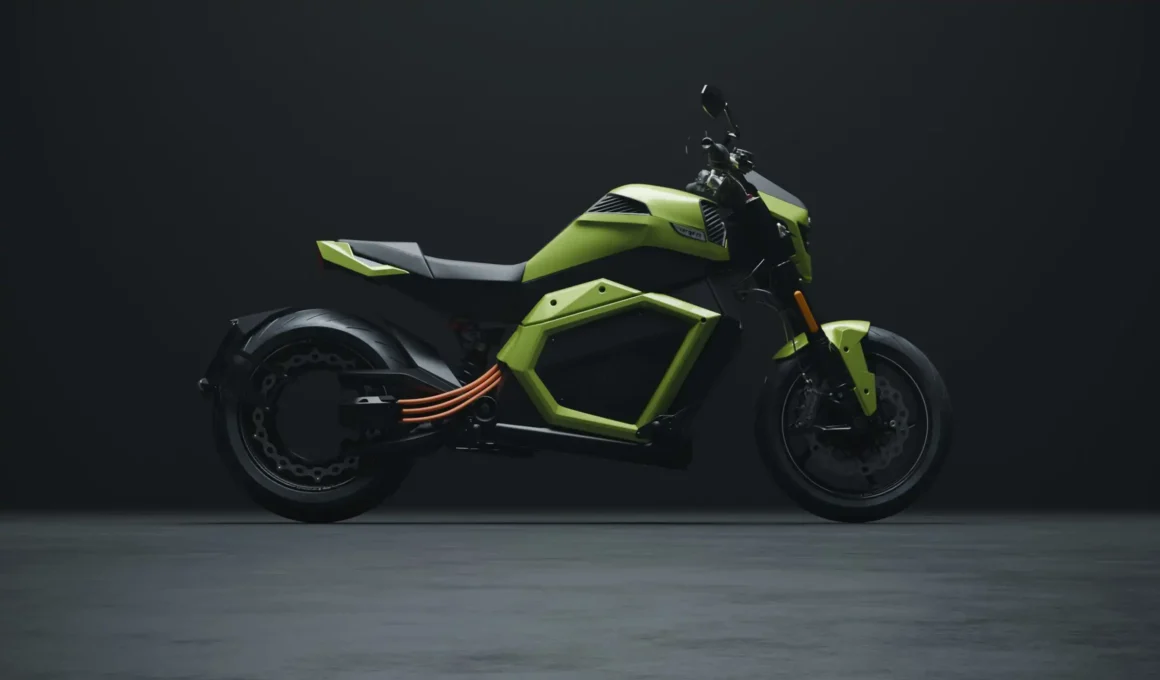
The electrification of the two-wheeled sector has often been criticized for prioritizing utility over the raw, emotive pull of traditional motorcycling. However, with the integration of solid-state battery technology into their production line, Verge Motorcycles is reclaiming the narrative of freedom and performance. By moving beyond the experimental phase and delivering a market-ready machine, the company is not merely updating a spec sheet; they are redefining the spatial configuration of electric vehicles. This transition from liquid electrolytes to a solid-state medium represents a seismic shift in materiality, allowing for a denser, safer, and more efficient energy source that aligns with the brand’s avant-garde aesthetic.
The conceptual vision of the Verge TS Pro is anchored by its signature hubless in-wheel motor—a design choice that previously felt like a glimpse into a sci-fi future. Now, this visual lightness is matched by internal weight optimization. In collaboration with Donut Lab, Verge has introduced the Donut 2.0 motor, which achieves a juxtaposition of extreme power and reduced mass, sitting 50% lighter than its predecessor. This reduction in unsprung weight, paired with a massive 1,000 Nm of torque, ensures that the motorcycle’s vernacular remains one of agility and visceral feedback, propelling the rider from 0 to 62 mph in a mere 3.5 seconds.
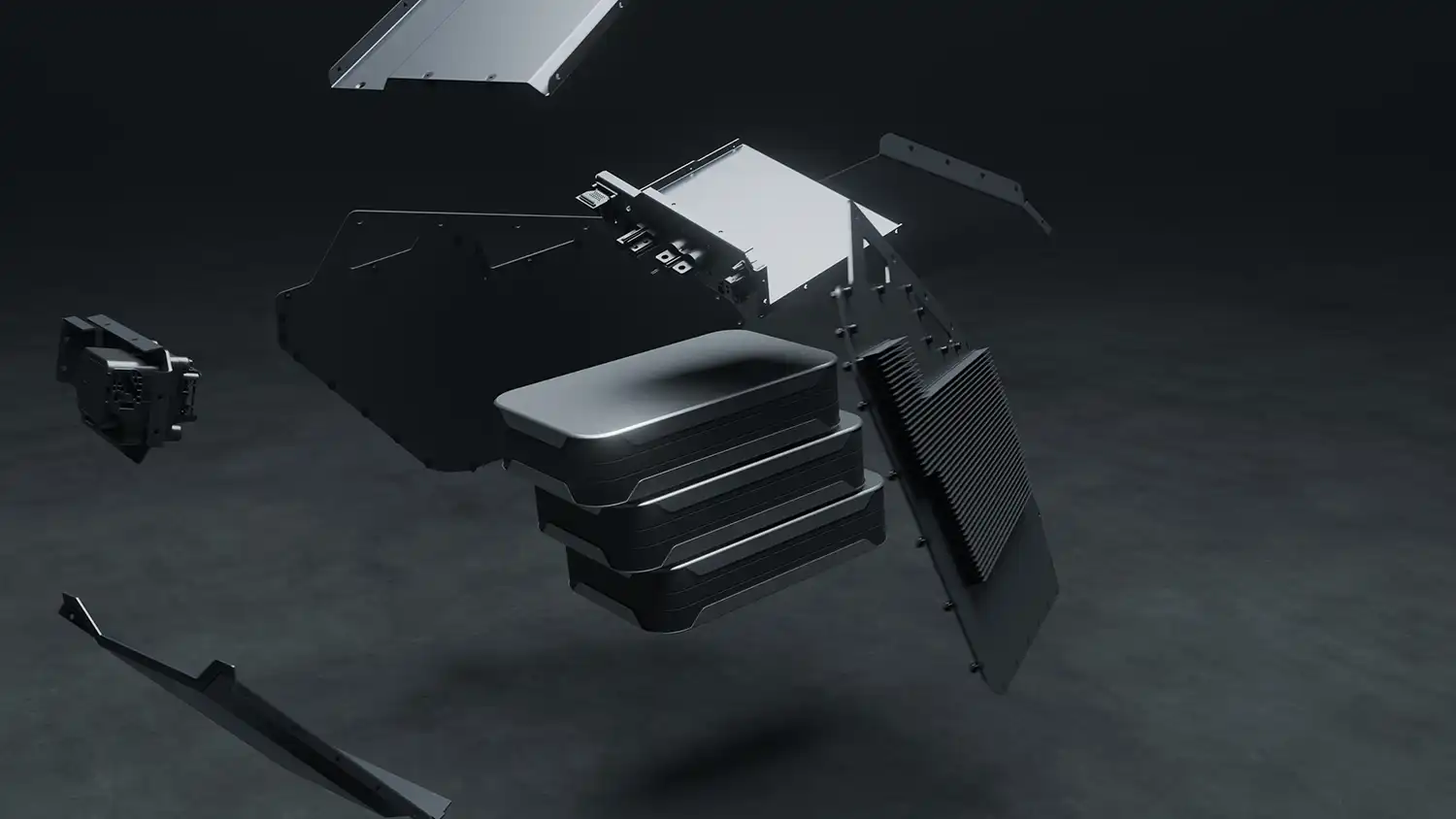
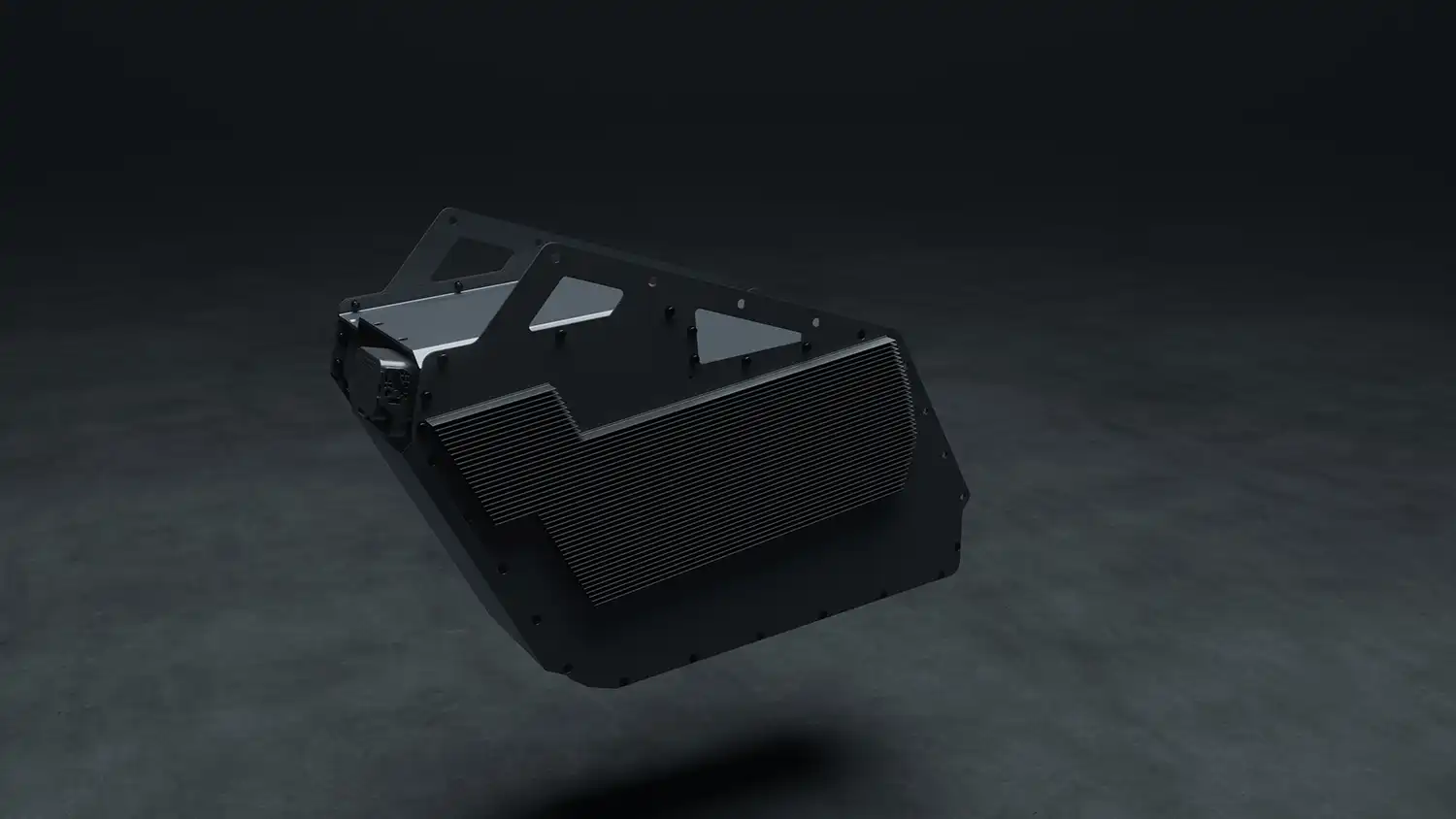
Technical innovation and tactile performance converge in the motorcycle’s charging capabilities, solving the “range anxiety” that has long plagued the industry. The implementation of solid-state packs allows for a ten-minute ultra-fast charge, adding 186 miles of range—a duration roughly equivalent to a quick espresso break. For long-distance enthusiasts, the extended-range option reaches an unprecedented 370 miles, nearly doubling the industry standard. This technological leap ensures that the sensory experience of the journey is no longer interrupted by the logistical friction of long wait times at charging stations.
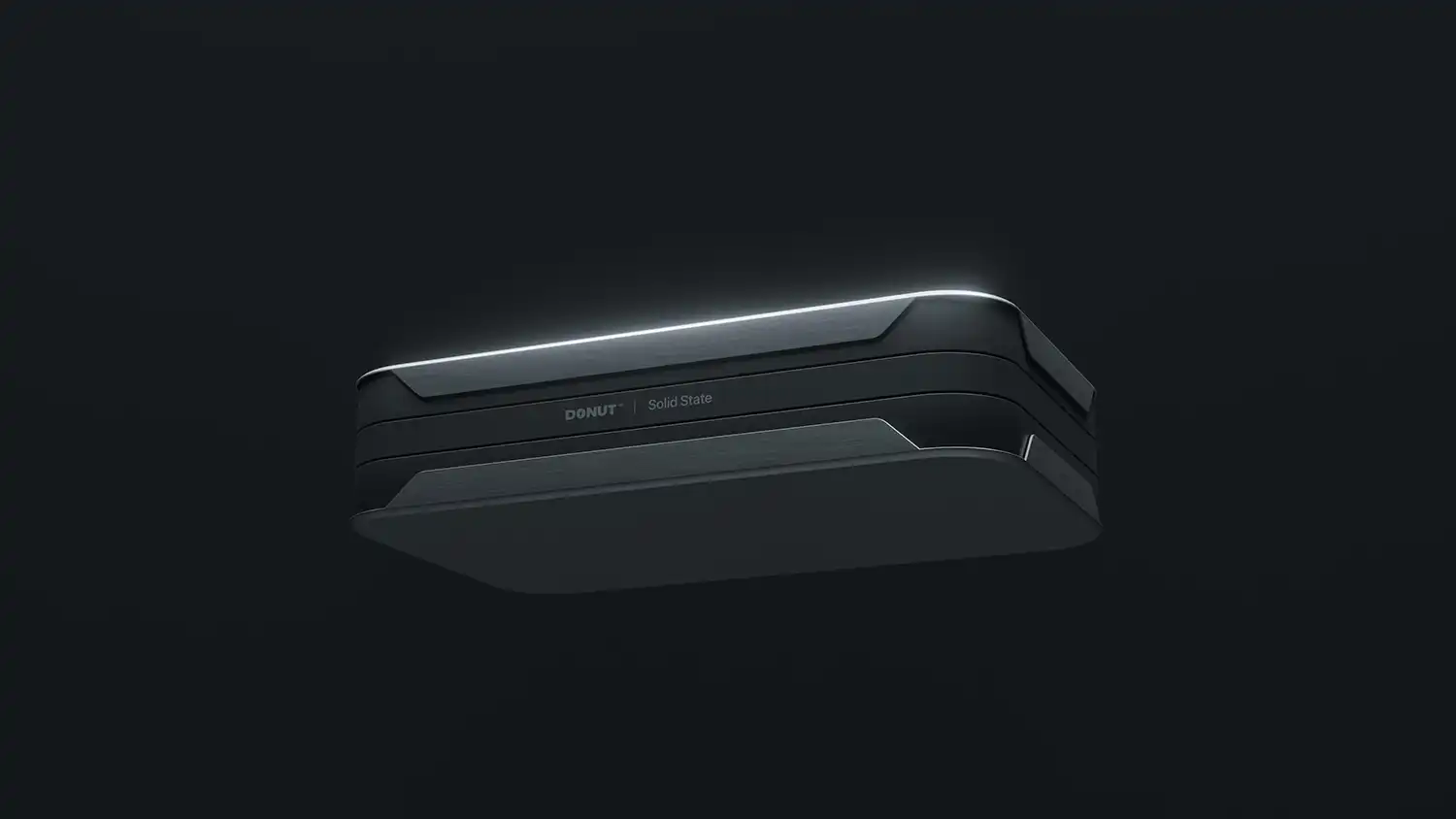
Safety and sustainability form the silent foundation of this new evolution. Unlike traditional lithium-ion batteries, Verge’s solid-state units are inherently non-flammable and maintain stability across extreme temperature fluctuations. This reliability transforms the motorcycle into a durable companion for the “entire lifetime” of the vehicle, moving away from the culture of planned obsolescence. Furthermore, by utilizing materials that are abundant globally, the manufacturer addresses the ethical and supply-chain complexities often associated with rare-earth minerals, rooting the brand’s future in a more responsible industrial framework.
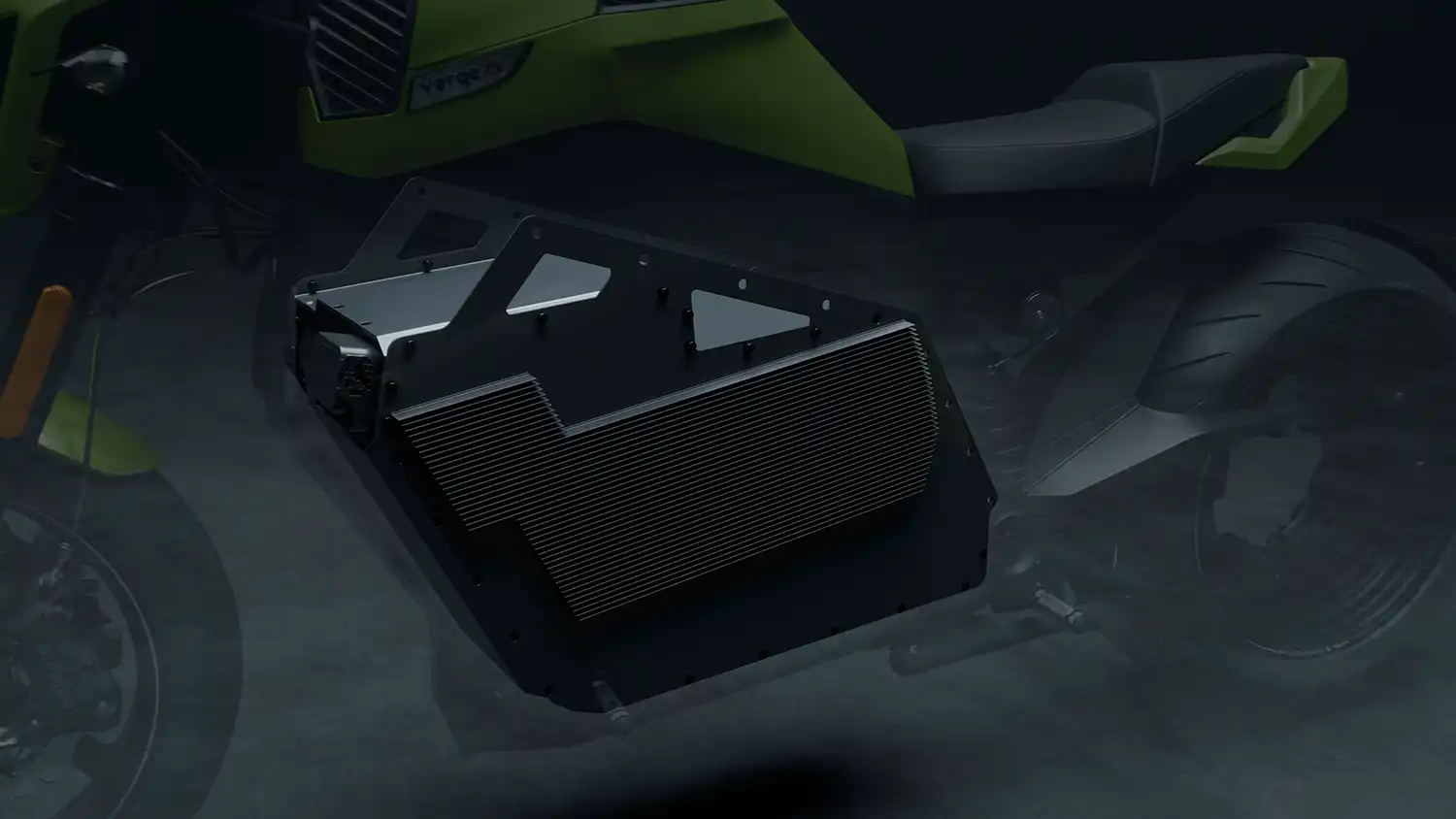
The contextual impact of this debut was first felt during the EICMA motorcycle show in Milan, but its true footprint will be found on the winding roads where these machines are set to arrive in the coming months. As Verge opens its showroom stores to customers ready for delivery, the ripple effect will likely be felt far beyond the motorcycle industry. This is a proof-of-concept for the broader automotive sector, demonstrating that the future of electric mobility isn’t just a distant promise—it is currently being assembled on the factory floor, ready to disrupt the status quo of urban and rural transport alike.