



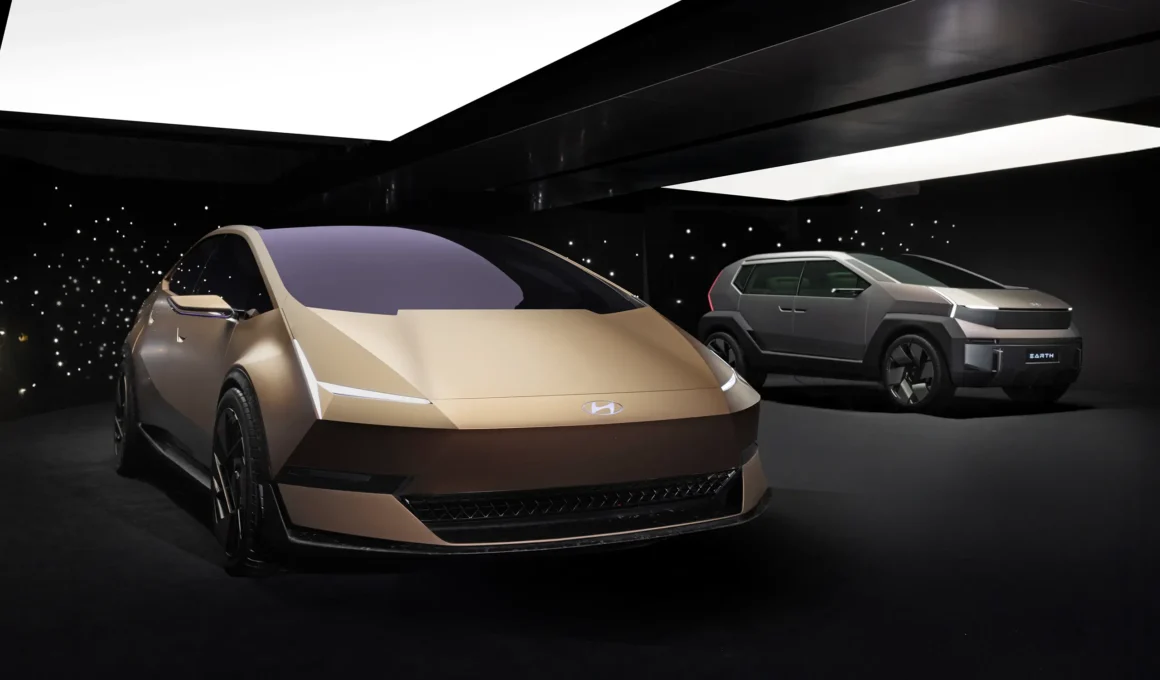
Hyundai has officially launched its IONIQ electric sub-brand in the Chinese market, introducing the VENUS and EARTH concept cars in Beijing as a strategic pivot toward localized, human-centric mobility ahead of Auto China 2026.
A Celestial Shift in Strategy. The introduction of the IONIQ brand in China marks a departure from standard global rollouts, favoring a “Lead, Don’t Follow” philosophy that treats the vehicle not as a static product, but as a planet orbiting the user. This new energy vehicle (NEV) strategy, unveiled by Simon Loasby and the Hyundai team, focuses on a unique naming convention where future models are titled after celestial bodies. By positioning the customer at the center of this “IONIQ universe,” the brand aims to transcend traditional transportation, offering a deeply localized mobility experience that integrates autonomous driving systems developed with regional partners.
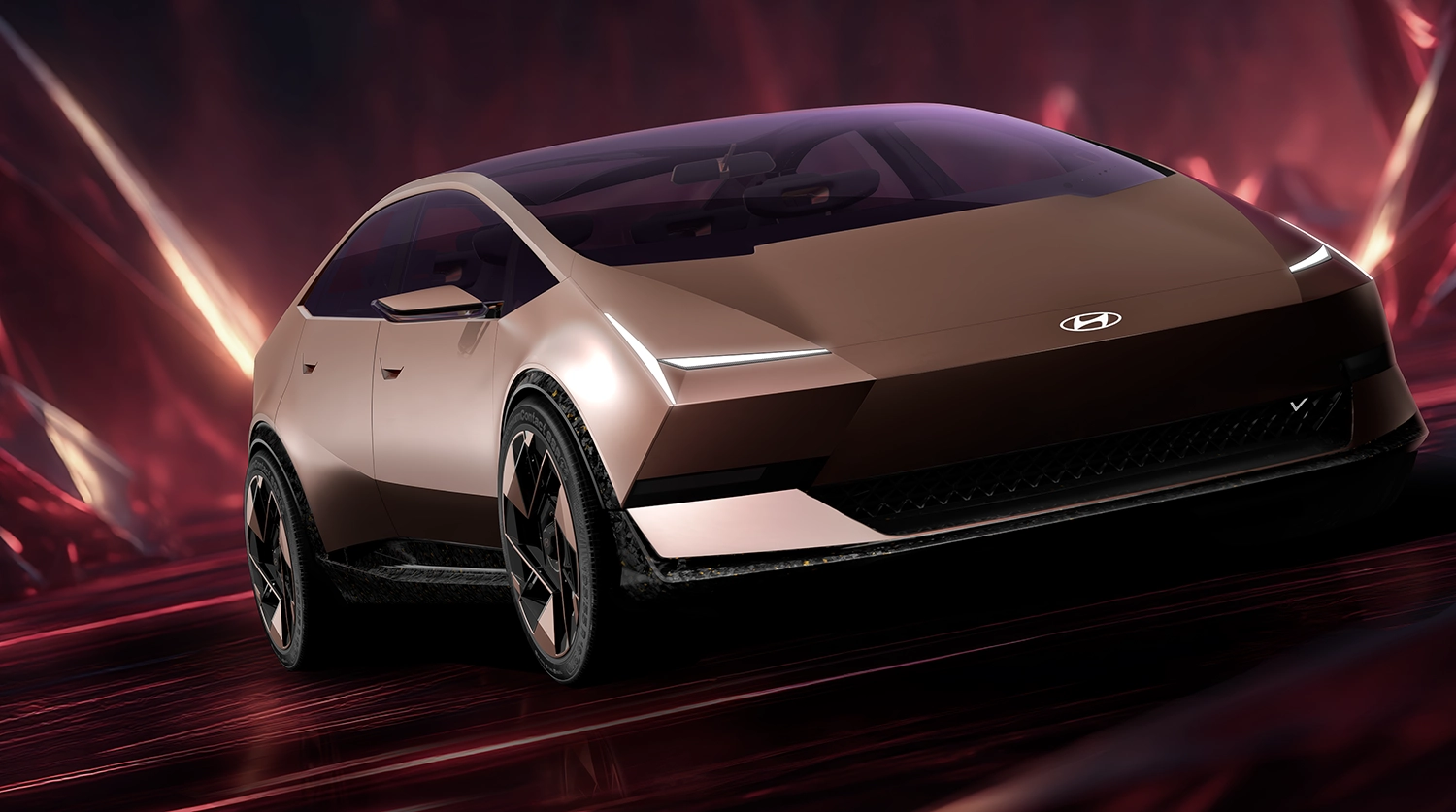
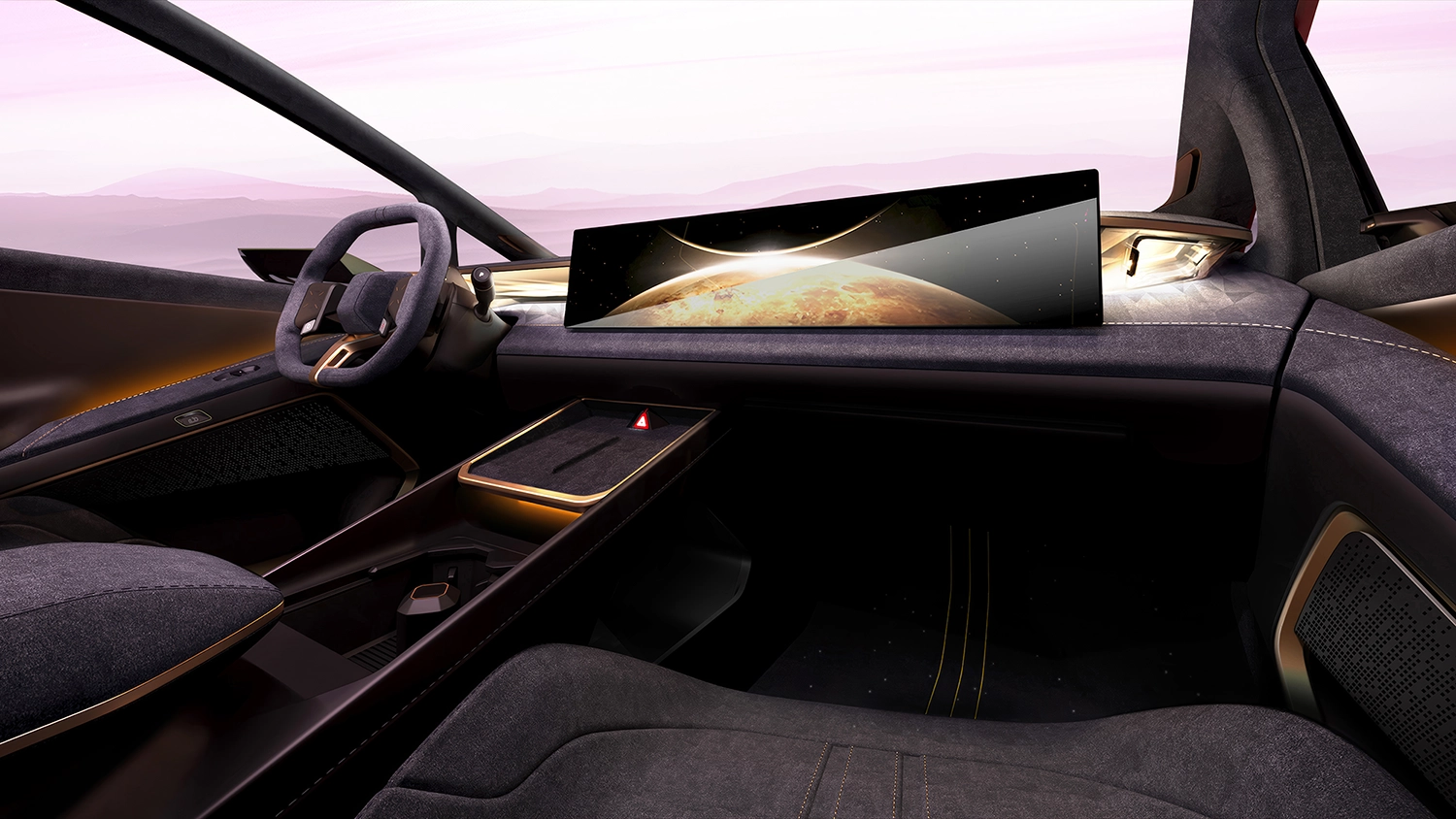
The VENUS Silhouette. The VENUS Concept serves as a striking exploration of the electric sedan, utilizing a single-curve silhouette to break away from the cluttered geometry of contemporary automotive styling. Finished in a “Radiant Gold” hue, the exterior is defined by a lightweight, frame-structured roof and a transparent spoiler that emphasizes a sense of weightless speed. Inside, the sensory experience shifts to one of warmth; a wrap-around cockpit utilizes layered mood lighting to mimic a glowing atmosphere. The material palette juxtaposes soft suede against solid, chrome-gold seatbacks, creating a tactile environment that feels both high-tech and intentionally artisanal.
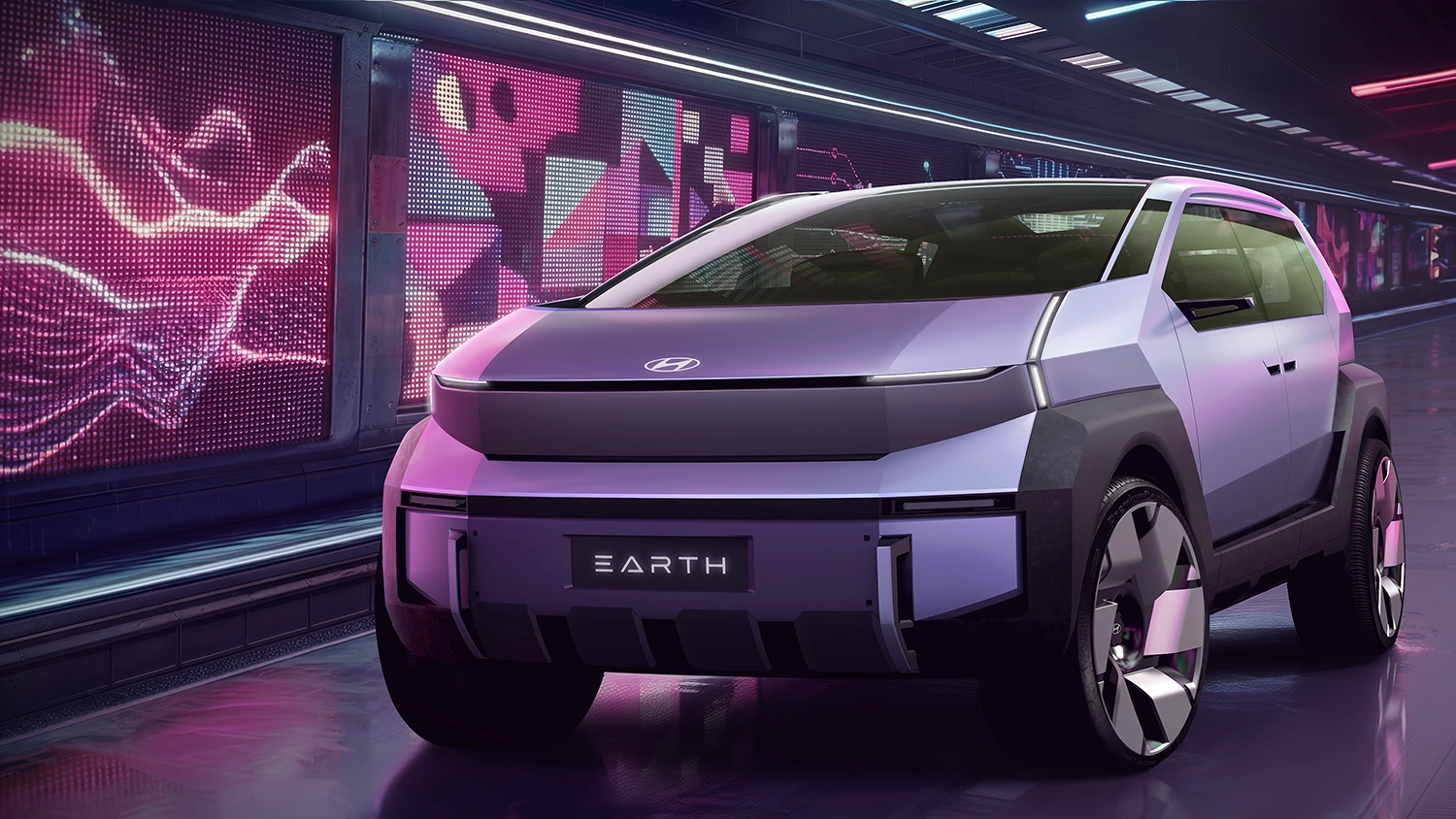
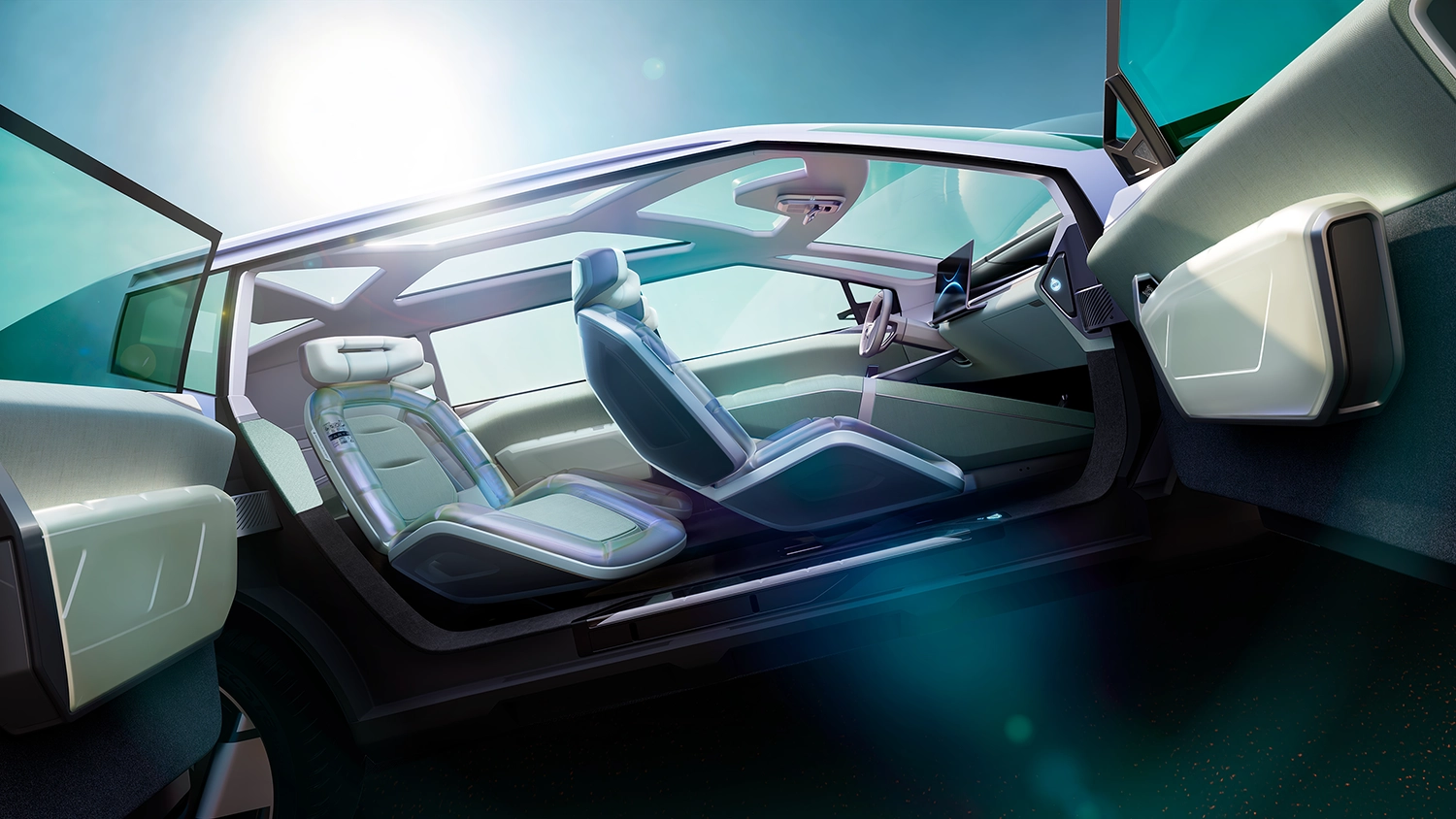
Biological Balance in the EARTH Concept. In contrast to the sleekness of the sedan, the EARTH Concept reimagines the family SUV through the lens of vitality and biological resilience. Draped in an “Aurora Shield” finish, the vehicle balances sharp, architectural edges with sculpted volumes and exposed bolt accents that suggest a rugged, dependable nature. The interior is designed as a breathable, organic space, featuring “air-hug” seats made of soft modules that adapt to the passenger’s form. “Shy-tech” elements—interfaces that remain hidden until needed—ensure the cabin remains uncluttered, while mood lighting casting shadows reminiscent of forest canopies brings a natural rhythm to the digital environment.
Technological Localization. Beyond the aesthetics, these concepts serve as a barometer for a new wave of electric vehicle technology tailored specifically for the Chinese infrastructure. Hyundai is prioritizing “smart driving” and “smart cabin” features that respond to the high digital expectations of local consumers, including the potential integration of extended-range electric vehicles (EREVs). This commitment to functional innovation ensures that the sustainable mobility transition is grounded in the real-world needs of the urban commuter, moving beyond mere performance metrics to focus on the emotional and physical well-being of the occupants.
Expanding the EV Universe. The launch of the VENUS and EARTH concepts signals a rapid diversification of the brand’s global portfolio, echoing the bold experimentation seen in other recent reveals. This specialized Chinese lineup follows the trajectory of the Hyundai Boulder Concept, the rugged body-on-frame SUV recently unveiled at the NY International Auto Show, which showcased a different facet of the brand’s versatility. Whether through the planetary elegance of the new IONIQ series in Beijing or the off-road readiness seen in New York, the focus remains on creating a distinct presence on the road that prioritizes a “Best in First Impression” through thoughtful, innovative craftsmanship