



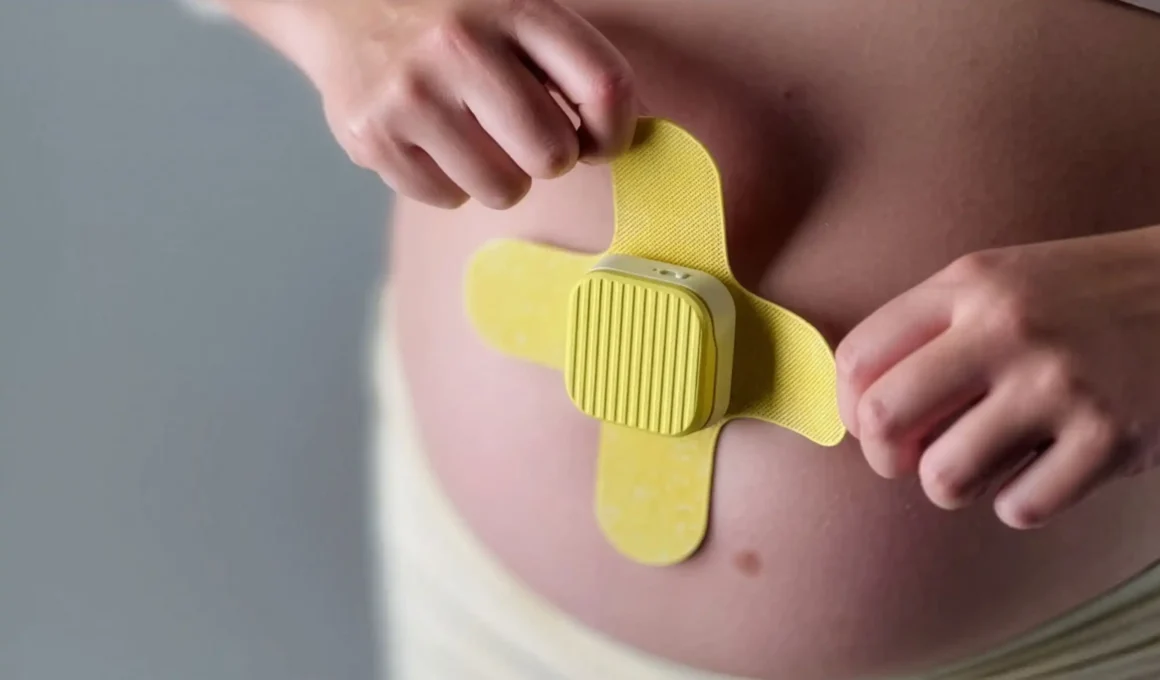
Bridging the distance in maternal care, Johanna Nilsson’s MONI device emerges as a vital intersection between medical precision and empathetic design. A recent graduate from the Umeå Institute of Design’s BFA Programme in Industrial Design, Nilsson has already garnered significant acclaim, winning the prestigious Ung Svensk Form Award for this degree project. In the sprawling, rural expanses of Northern Sweden, the geographic reality for expectant parents has become increasingly precarious. As local birth clinics close, the journey to the nearest maternity ward can now span several hours of arduous travel through sub-arctic landscapes. This physical distance translates directly into psychological distress; the late stages of pregnancy are no longer just a period of anticipation, but a calculated gamble against time and topography. MONI seeks to dissolve this isolation, transforming the vulnerability of the “waiting period” into a digitally supported, clinical-grade experience at home.

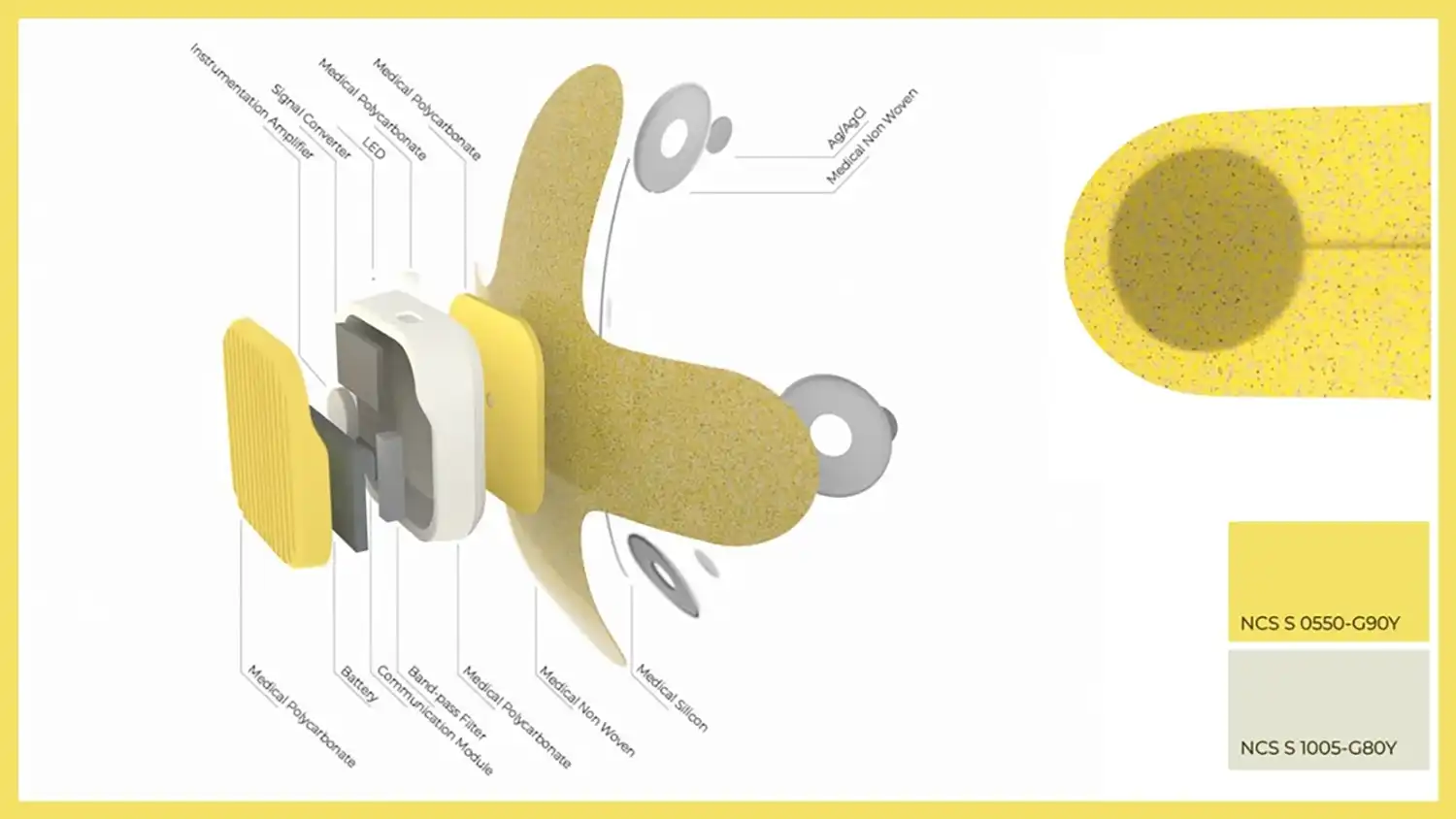
A human-centric approach to medical technology defines the aesthetic and functional soul of the project. Moving away from the cold, intimidating vernacular of hospital equipment, Nilsson has crafted a wearable that prioritizes “human warmth” without sacrificing technical authority. The device utilizes surface EMG technology to monitor uterine contractions, yet its form—refined through clay studies and ergonomic 3D printing—feels more like a companion than a tool. By focusing on the sensory experience of the user, the design acknowledges that for a woman in labor, the interface must be intuitive and unobtrusive. It is a piece of speculative design that addresses a very real systemic failure, ensuring that the technology feels like an extension of the body’s natural rhythm.
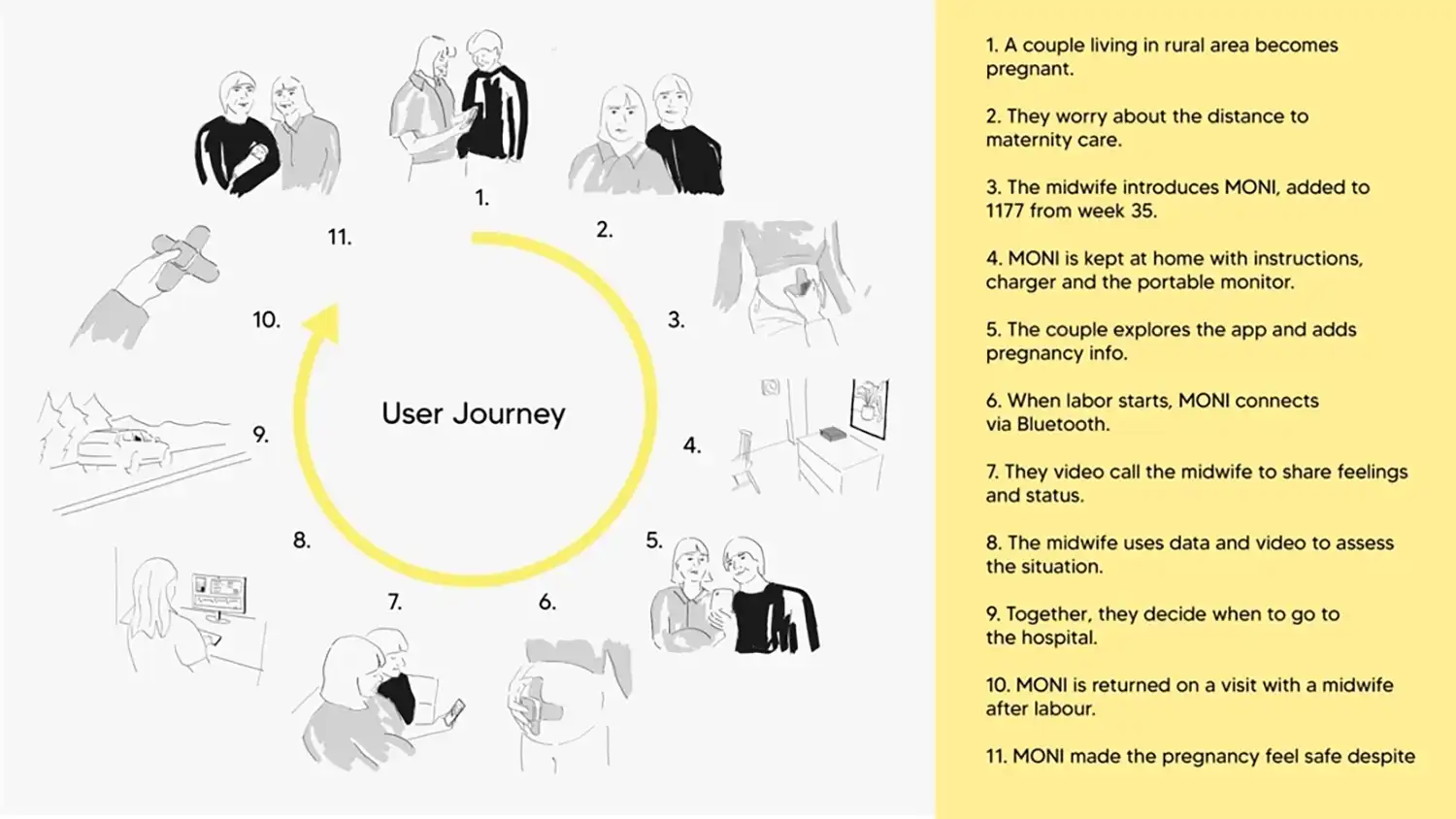
Seamless integration into the healthcare ecosystem is what elevates MONI from a mere gadget to a life-saving service concept. The device captures real-time data and transmits it directly to a midwife via 1177, Sweden’s national healthcare platform. This creates a virtual bridge where high-fidelity medical data meets human intuition. Through video consultations, a midwife in a distant city can observe the data alongside the patient’s physical state, offering a level of remote support that was previously impossible. This connectivity mitigates the terrifying uncertainty of when to leave for the hospital—a decision fraught with the fear of either giving birth in a car on a remote Swedish highway or being turned away for arriving too early.
The evolution of inclusive parenting tools reflects a broader shift in how design supports the domestic landscape of pregnancy and early childhood. While MONI focuses on the critical window of labor, it shares a conceptual lineage with earlier innovations designed to foster connection and support during the transition to parenthood. For instance, the Fathers’ Nursing Assistant previously explored how wearable tech could involve partners more deeply in the nurturing process. Where that project sought to bridge the physical gap between father and infant, MONI bridges the logistical gap between the home and the clinic, showcasing a decade-long trajectory in design toward more holistic, tech-enabled family care.
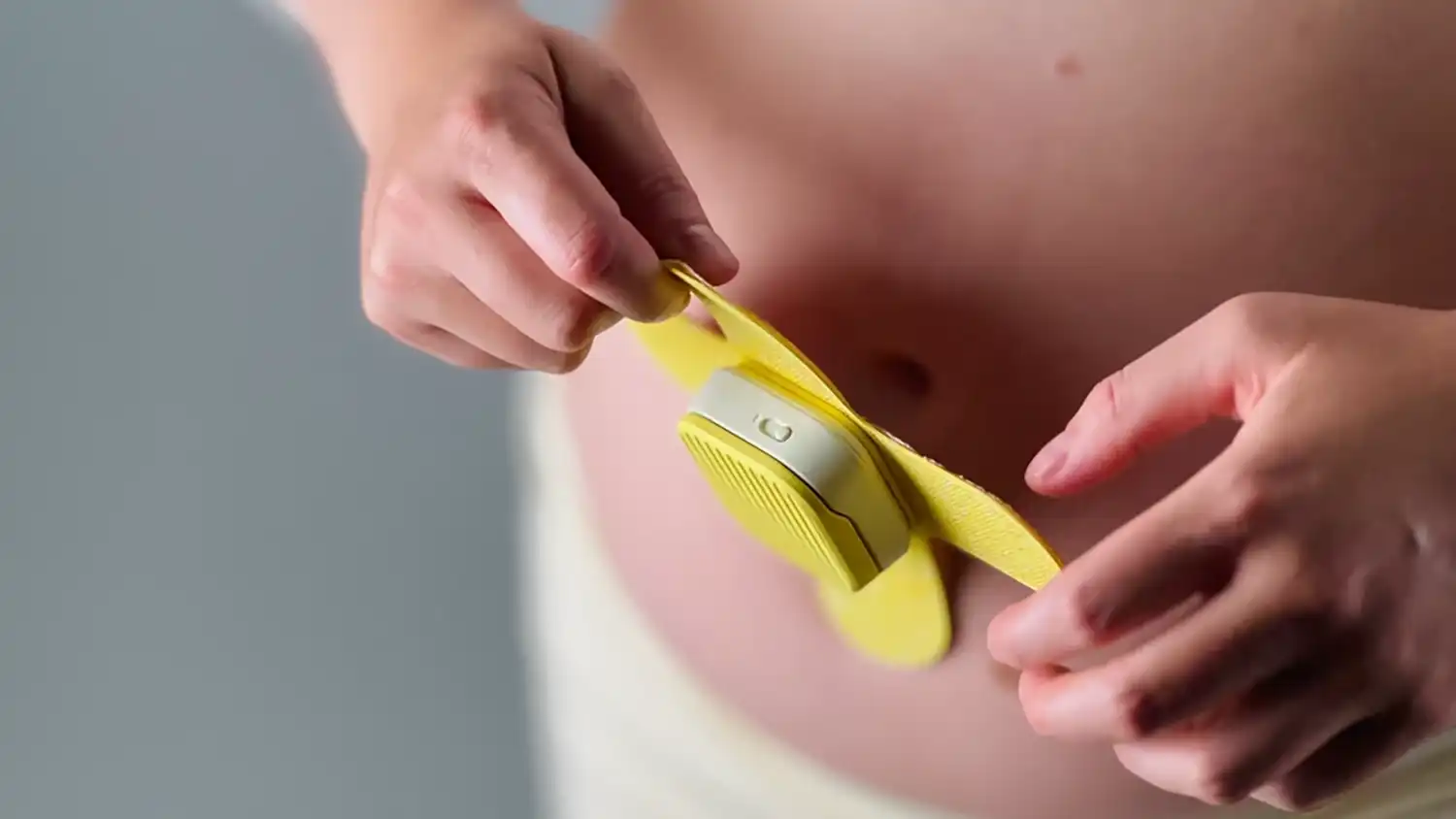
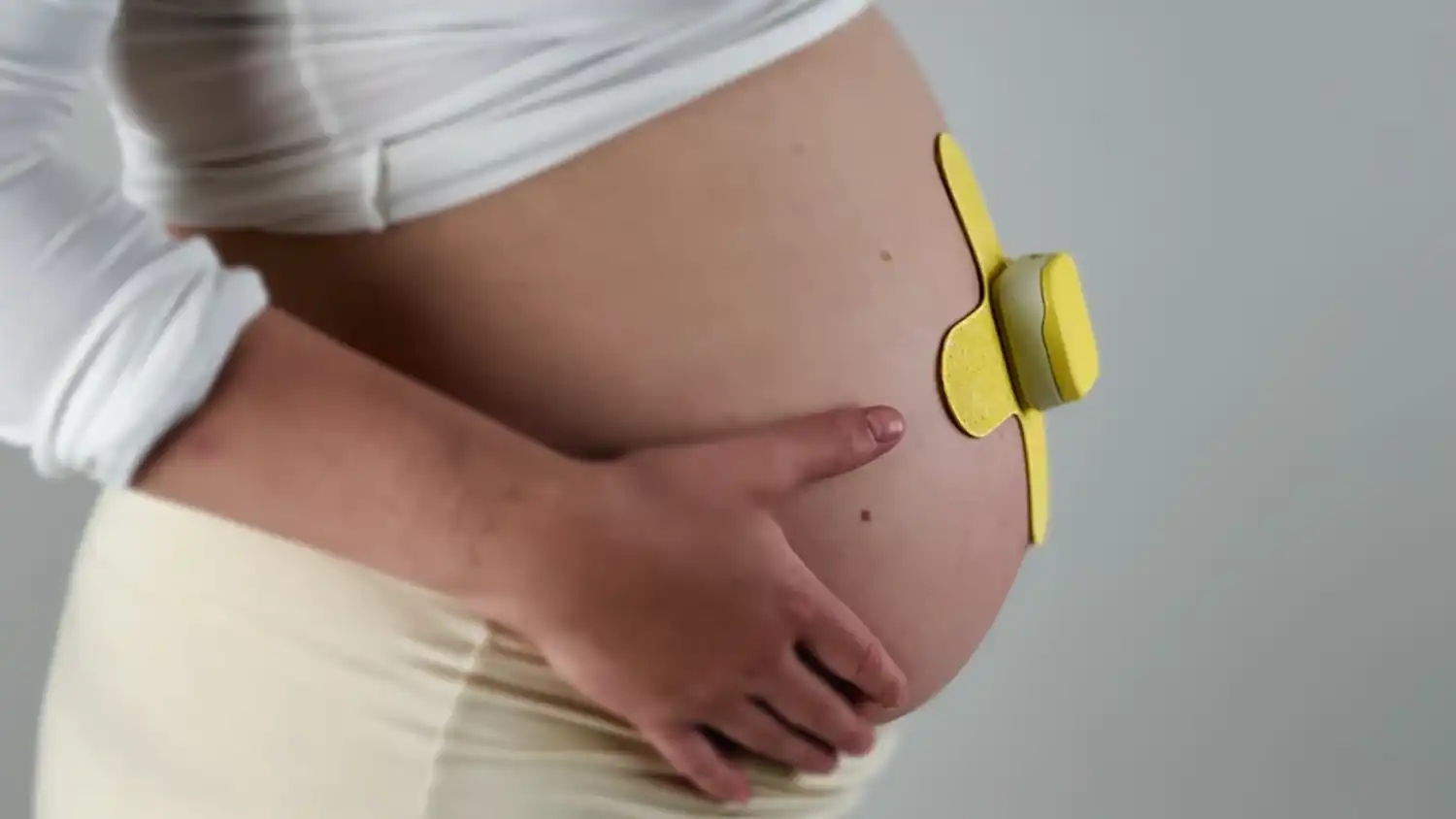
Technical sophistication meets ergonomic empathy in the physical manifestation of the MONI monitor. The wireless, wearable unit is designed to be worn on the belly during early labor and throughout the journey to the maternity ward. The use of surface EMG (electromyography) provides a more accurate reading of contraction intensity and frequency than traditional consumer-grade apps, giving midwives the confidence to make remote clinical assessments. The result is a device that balances medical reliability with a soft, approachable design language, specifically tailored for individuals who may have no prior experience with complex medical hardware but require its precision in a moment of crisis.
Redefining equitable access through design, the MONI project serves as a powerful critique of the centralized healthcare model. By leveraging the power of Scandinavian design and digital infrastructure, Nilsson demonstrates that “distance” should not be a barrier to safety. The project highlights a future where thoughtful design can compensate for geographic disadvantages, ensuring that expectant parents in the most remote corners of Sweden receive the same level of care and reassurance as those living in the shadow of a metropolitan hospital. It is a vision of healthcare that is not defined by the four walls of a clinic, but by the reach of a reliable, empathetic connection.