





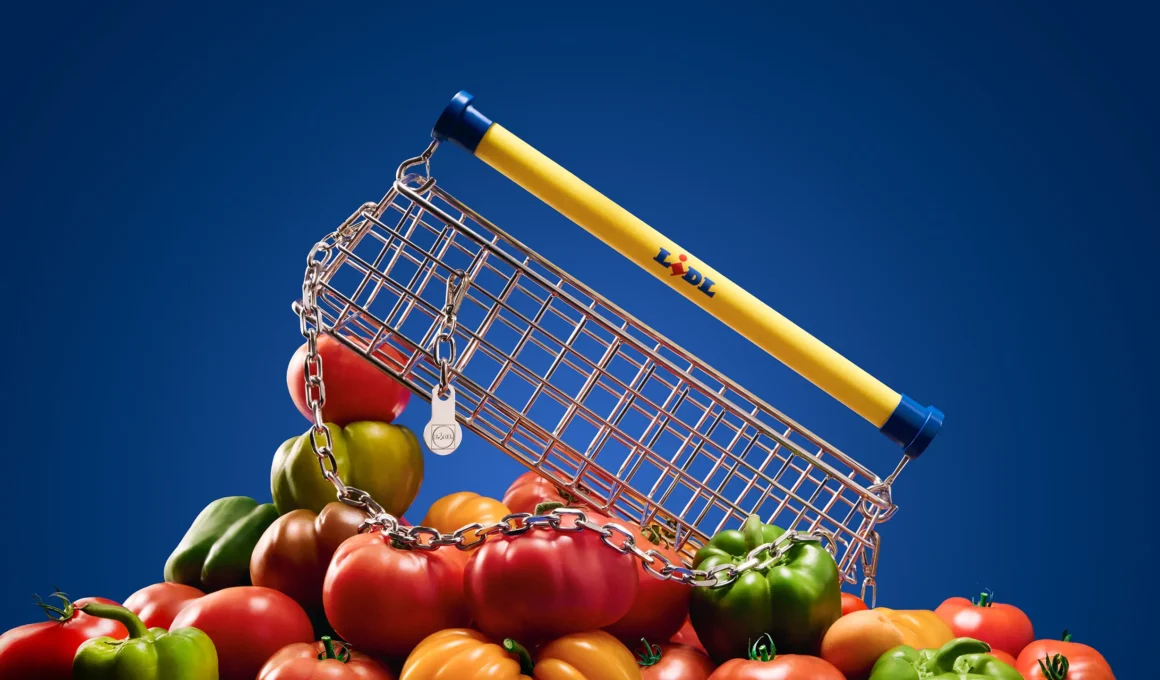
The intersection of conceptual art and functional apparel is increasingly becoming the new frontier for experimental design, where the supermarket aisle serves as the ultimate laboratory. This isn’t merely a foray into fashion; it is a calculated subversion of industrial archetypes. In a bold follow-up to last year’s viral “Croissant Bag,” budget retailer Lidl has once again tapped the provocative sensibilities of New York-based designer Nik Bentel. This second chapter introduces the Lidl x Nik Bentel ‘Trolley Bag’, a project that strips a commercial icon of its scale and utility to transform it into a wearable statement on consumerism.

The industrial materiality of the piece marks a significant departure from the soft, literalist curves of its predecessor. Crafted from polished stainless steel, the ‘Trolley Bag’ is a rigid, architectural translation of the standard supermarket cart. It retains the signature industrial grid and the familiar horizontal handlebar, transforming cold, functional hardware into a wearable sculpture. The tactile experience is intentionally jarring; it carries the weight and “clink” of a commercial tool, yet it is scaled for the urban pedestrian. A clever nod to its origins is found in the integrated coin keychain fob—a functional component that allows the wearer to actually unlock a trolley in-store, seamlessly bridging the gap between a London Fashion Week presentation and the weekly food shop.
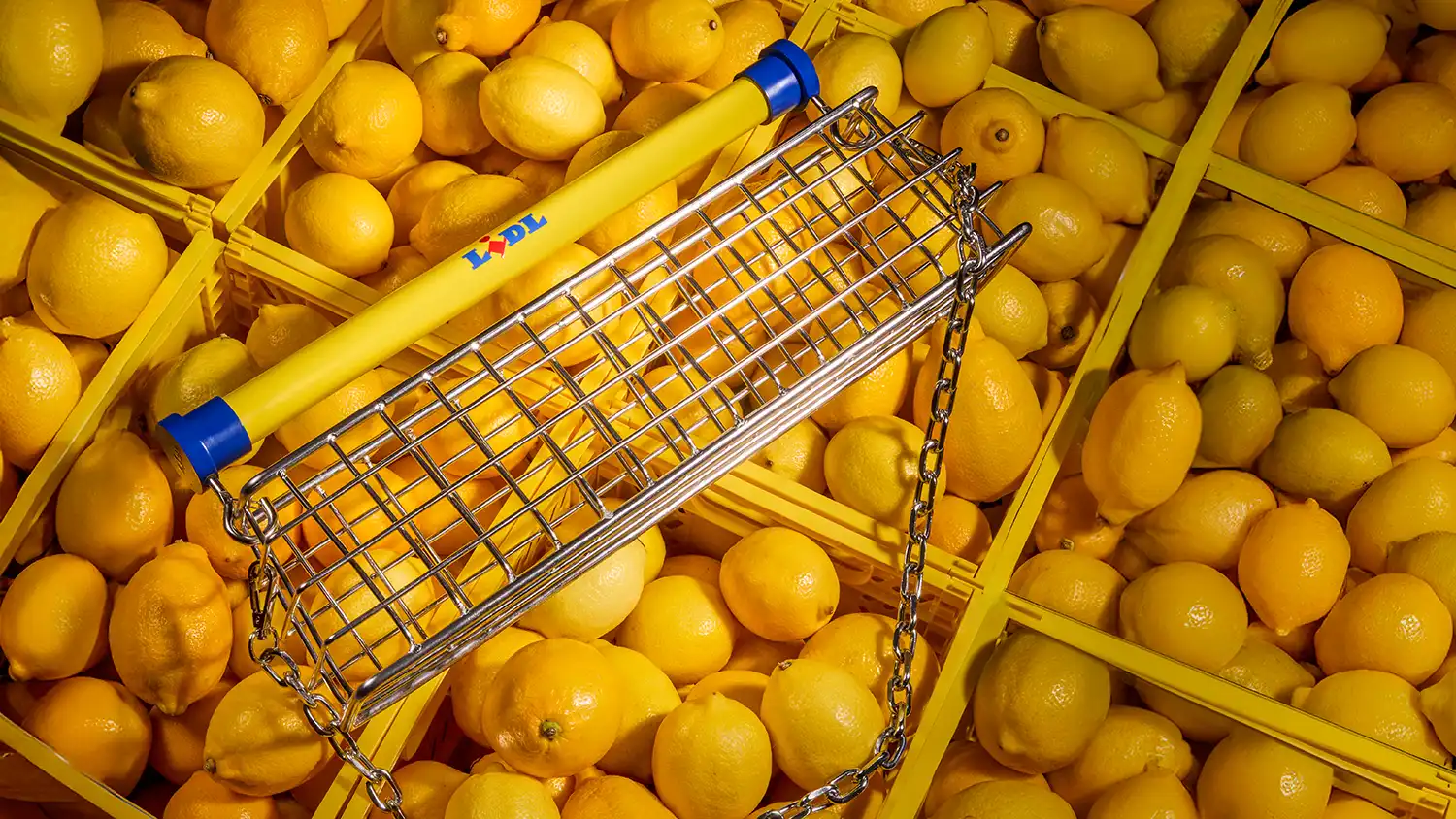
The sensory experience of the launch is designed to be as unconventional as the product itself. Located at 19 D’Arblay Street, Soho, an immersive pop-up titled ‘The Lidl Fresh Drop’ replaces the hushed tones of a typical gallery with the kinetic energy of a grocery-themed event. On February 20th and 21st, 2026, between 09:30 and 17:00, visitors are invited to engage with a custom “fruit machine” for a chance to nab the bag, sipping on smoothies while navigating a space that blurs the lines between a high-end boutique and a produce section. This experiential approach ensures that the accessory isn’t just viewed as a product, but as a catalyst for a performance-art style interaction with the brand.
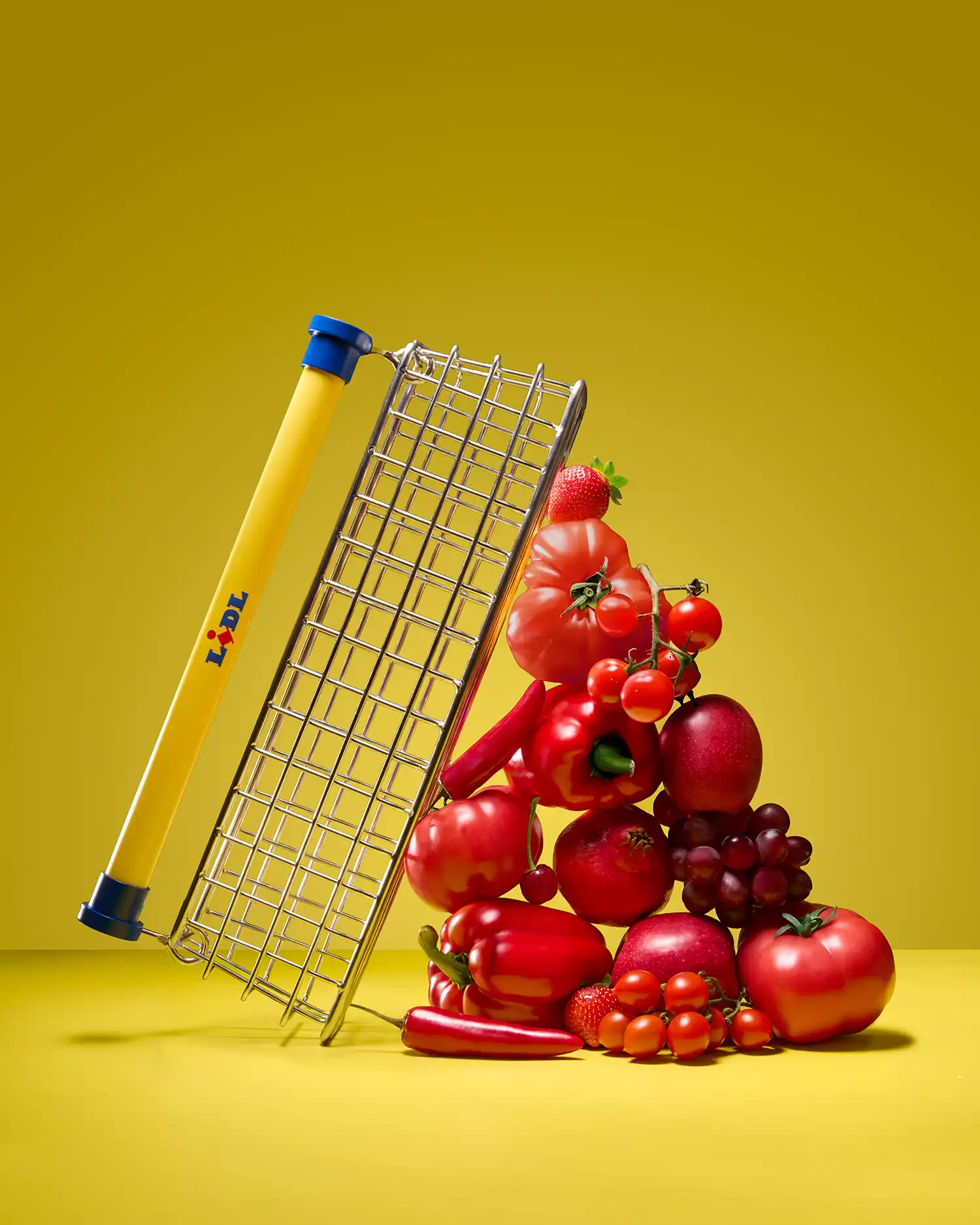
Strategic market positioning and accessibility suggest that Lidl is no longer just a spectator in the lifestyle space but a primary agitator. While Nik Bentel’s independent studio releases often command premium price points, this collaboration subverts the luxury market by setting the price at £0. Because “you can’t put a price on elite fashion,” the bag is being released as a limited-edition collectible. For those unable to attend the London event, a digital ballot will launch at 10am on Thursday, February 26th via the designer’s official platform. As Joanna Gomer, Marketing Director at Lidl, notes: “Our ‘Trolley Bag’ is designed for working not just the runway, but the aisles too.”

Contextualizing this trend of “supermarket surrealism”, we see a growing fascination with elevating budget-friendly aesthetics into the realm of high-concept objects. We previously explored this phenomenon with the Aldi ‘Jacket Potato’ Puffer by Agro Studio, where comfort food was recontextualized as a structural garment. Bentel, known for finding the avant-garde within the domestic, uses this partnership to further dismantle the expectations of value. The democratization of “hype” culture is a strategic move that mirrors the supermarket’s own identity: high-speed, high-volume, and unapologetically essential.

The broader cultural appetite for playful subversion continues to grow, as heritage brands and discount giants alike experiment with high-low intersections. This “trolley” movement follows a string of recent industry-shaking moments where nostalgia and plastic materiality take center stage. We saw a similar polarizing reaction recently with the global launch of the LEGO brick clog, a collaboration that, much like the Lidl x Nik Bentel project, forces us to reconsider the aesthetic value of the everyday objects we grew up with. Whether these pieces are seen as genuine innovation or clever kitsch, they successfully hijack the cultural zeitgeist, proving that the most provocative statements are often the ones found in our shopping carts.