



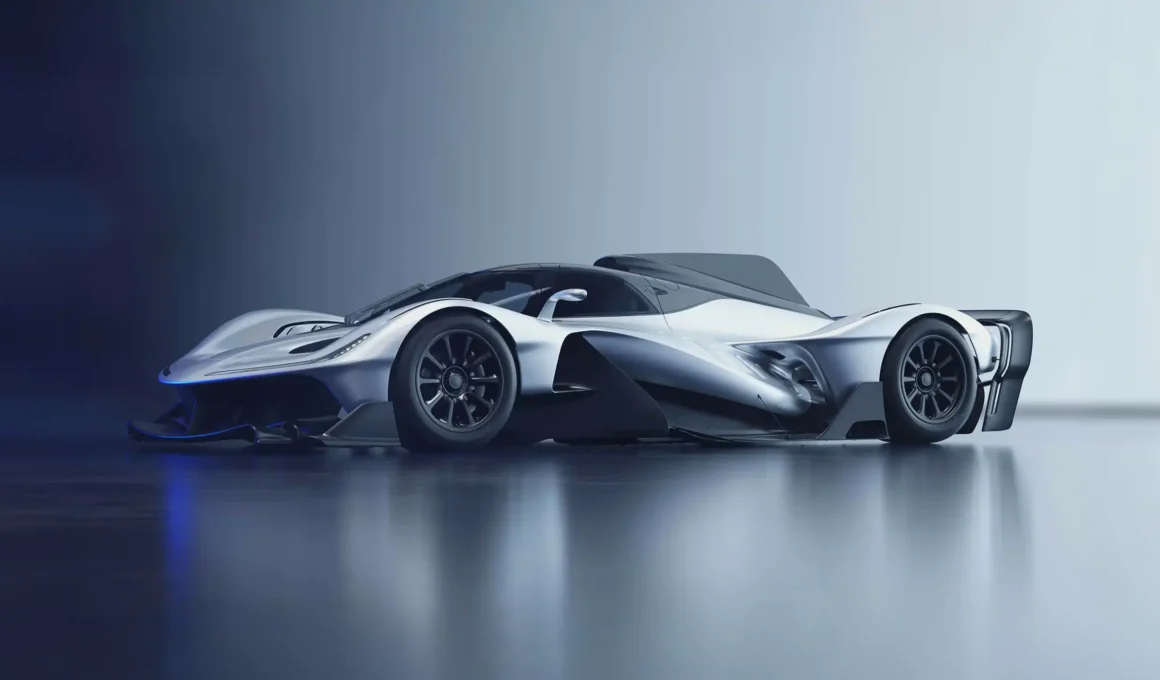
The translation from virtual concept to tangible titan is complete. Red Bull Advanced Technologies has finally pulled back the curtain on the production design of the RB17, a track-only machine that stands as the ultimate engineering thesis of legendary designer Adrian Newey. Emerging from the company’s high-tech campus in Milton Keynes, UK, the hypercar represents a singular vision uninterested in road-legal compromises. As Newey transitions to his next chapter, this hybrid V-10 creation serves as his definitive, visceral parting gift to the world of high-performance machinery—a physical manifestation of speed untethered by regulation.
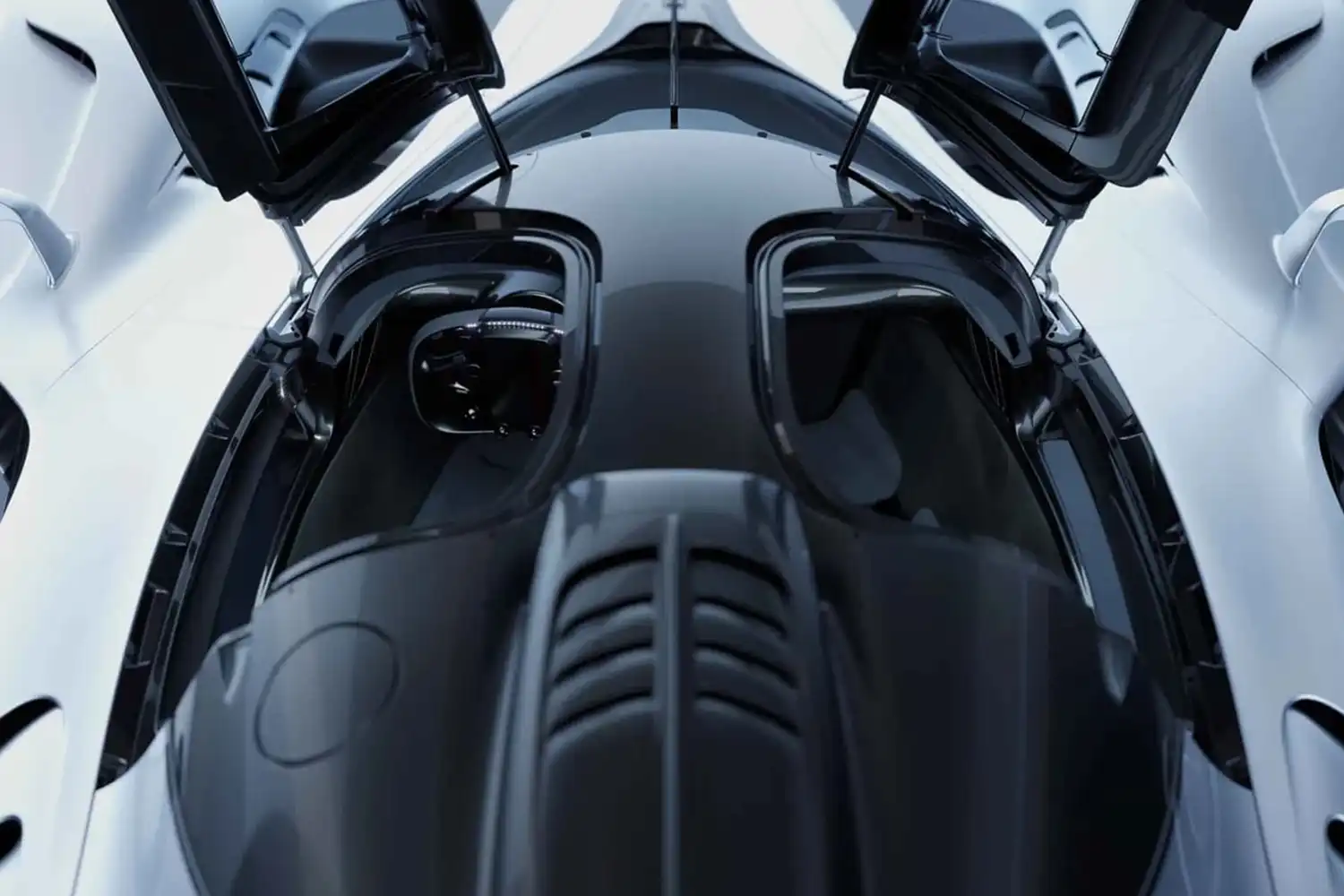
A masterclass in “form following function,” the RB17’s aesthetic is dictated entirely by the atmosphere it must slice through. The design features an aggressively sculpted carbon-fiber monocoque and an aerodynamic profile capable of generating nearly two tons of downforce—an astonishing figure that promises to glue the vehicle to the tarmac at speed. It is a design that communicates raw purpose, where every vent, strake, and wing serves the singular goal of achieving Formula 1-level lap times in the hands of a private owner.

At the heart of this sensory experience sits a piece of engineering resistance: a mid-mounted, naturally aspirated V-10 engine that screams to a staggering 15,000 RPM. In an era increasingly defined by silent electrification, this powertrain is an auditory throwback to racing’s golden age. Paired with a sophisticated hybrid setup, the system delivers over 1,200 horsepower to a vehicle weighing less than 900 kilograms. The resulting power-to-weight ratio suggests a driving experience that is less about transportation and more about managing violent acceleration.

The obsessive nature of the car’s development is evident in the late-stage adjustments made by Newey himself. Despite his impending departure, his fingerprints remain on the final blueprint, most notably in the decision to move the exhaust onto the spine of the engine cover. This significant architectural shift required extensive reworking of the vehicle’s thermal management systems to prevent the bodywork from catching fire—a testament to the lengths the engineering team went to preserve the purity of the aerodynamic concept.
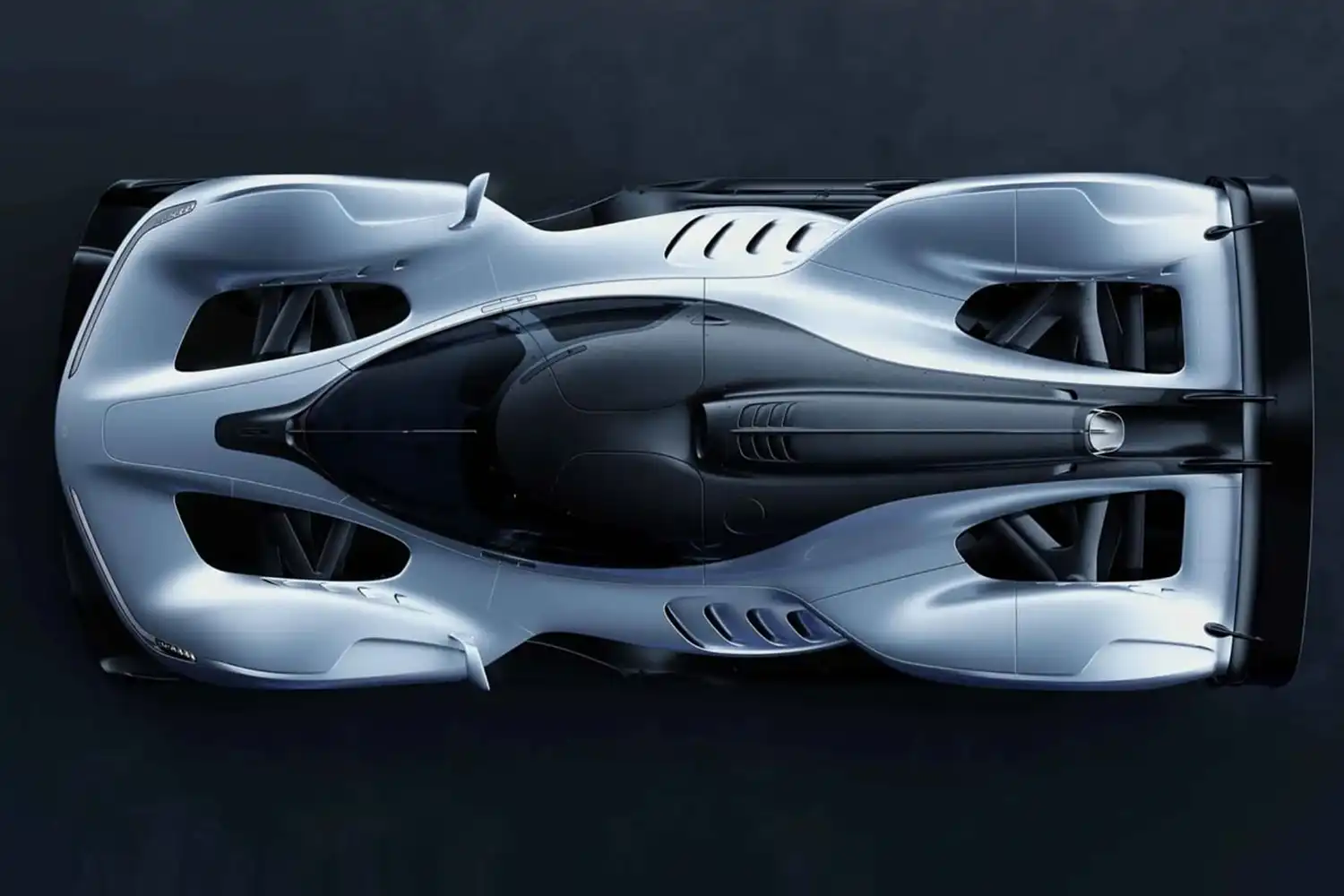
Exclusivity is central to the RB17’s existence, with only 50 examples slated for production, each carrying a price tag north of $6 million USD. However, Red Bull is not merely selling a car; they are curating an elite lifestyle. Ownership grants entry into a bespoke driver development program, offering access to the same high-fidelity simulators used by F1 drivers and professional track-side support. It is a holistic approach to experience design, ensuring that clients can actually utilize the immense capabilities of the machine they have purchased when production begins in early 2027.
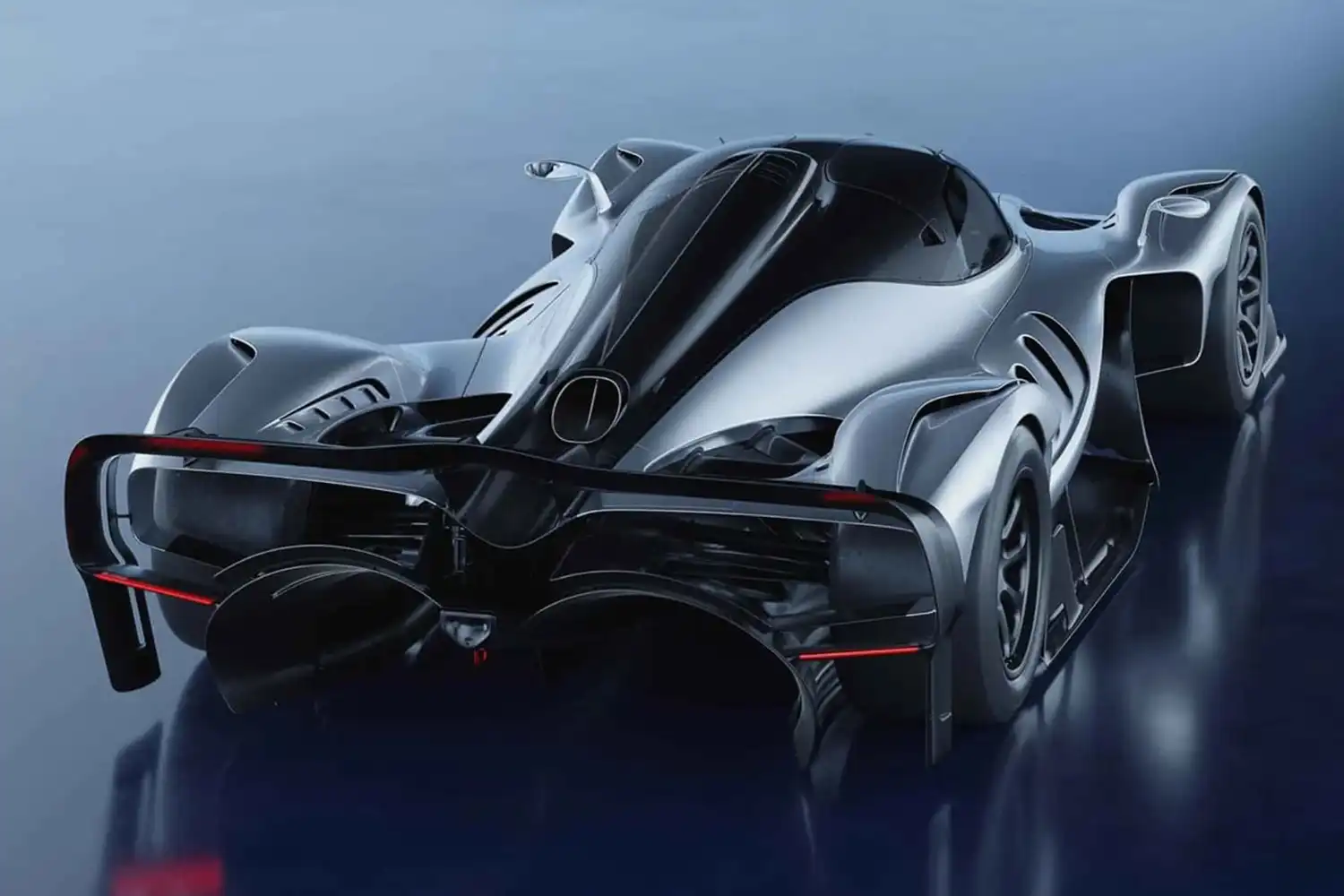
This caliber of uncompromising automotive design finds good company within the archives of urdesignmag. The RB17’s pursuit of aerodynamic perfection echoes the collaborative spirit seen in the Aston Martin Valkyrie, another Newey-penned masterpiece previously featured on our platform. Furthermore, the tension between raw combustion power and futuristic materials calls to mind the design dialogues surrounding electrified hypercars like the Lotus Evija, highlighting a fascinating divergence in how top-tier manufacturers approach the pinnacle of automotive performance.