





From the early, ambitious concepts like Nokia’s Morph and the initial flexible OLED display prototypes presented by Samsung over a decade ago, the foldable smartphone has always been the industry’s great white whale. The dream was to merge the convenience of a pocketable phone with the immersive scale of a tablet. While the first-generation devices—like the original Galaxy Fold—were groundbreaking, they were also fragile, expensive, and largely seen as a novelty. Now, with the launch of the Samsung Galaxy Z TriFold, the category reaches a powerful maturity, moving beyond mere novelty to redefine mobile design and productivity for the modern era.
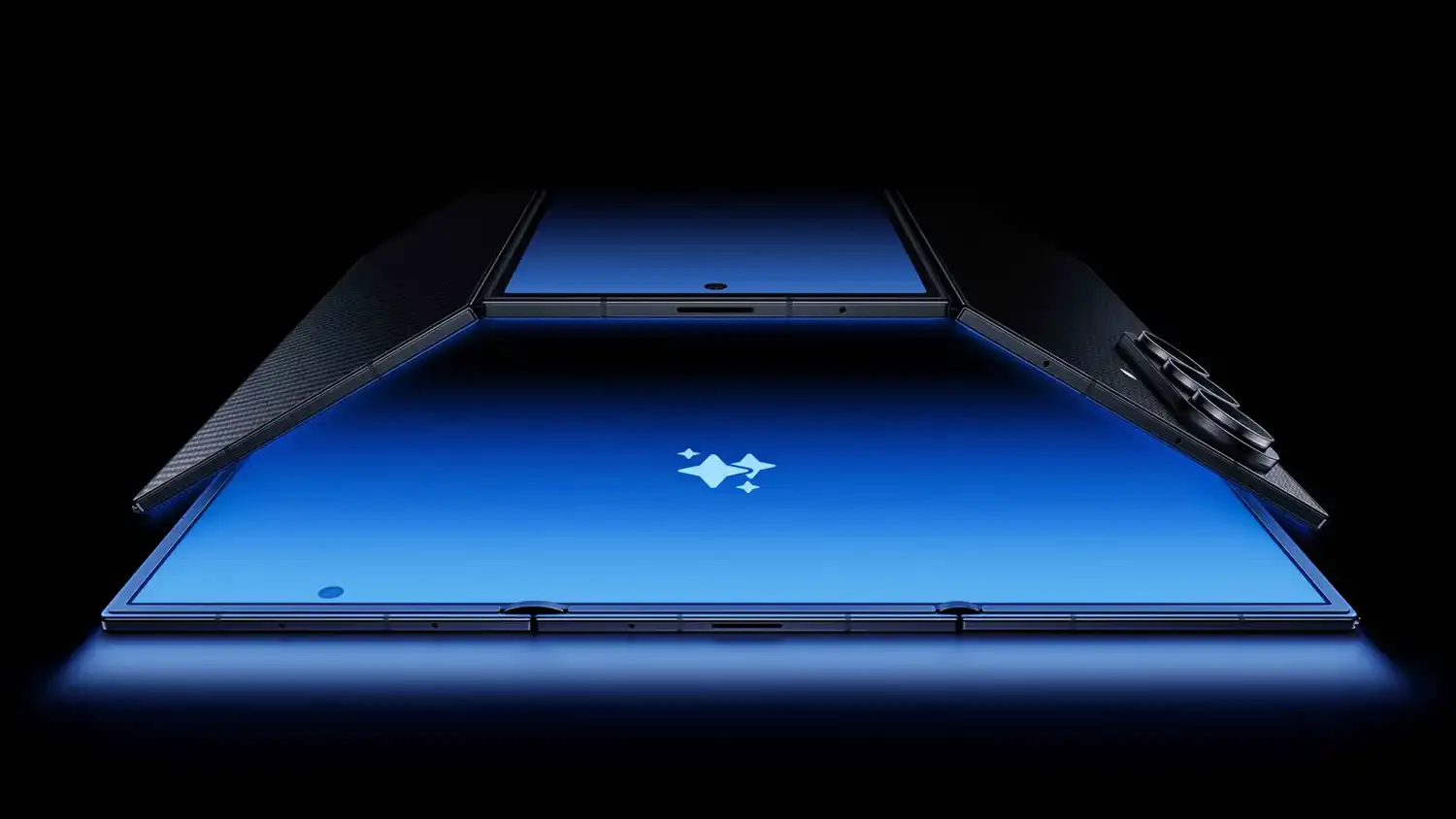
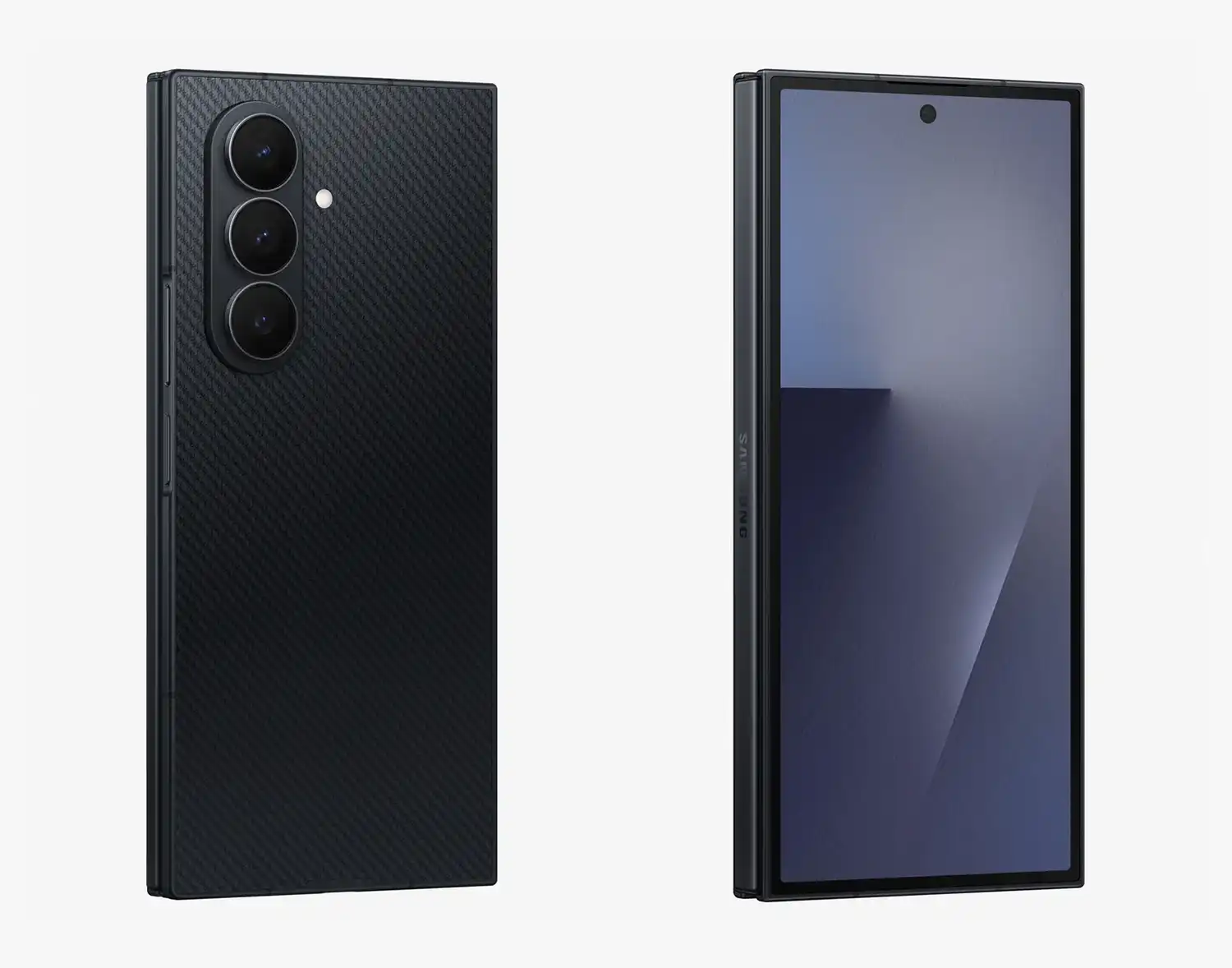
This latest device is the result of years of iterative and often challenging engineering mastery. While initial foldables wrestled with hinge durability and prominent screen creases, the TriFold leverages Samsung’s accumulated expertise to present a seamless-looking, multi-folding form factor. By introducing an inward-folding, tri-panel design protected by a refined Armor FlexHinge and housed in a sleek titanium shell, Samsung has tackled the dual challenges of extreme portability and robust product assurance. At a stunning 3.9 mm at its thinnest point when fully unfolded, it is a statement piece of cutting-edge technology.
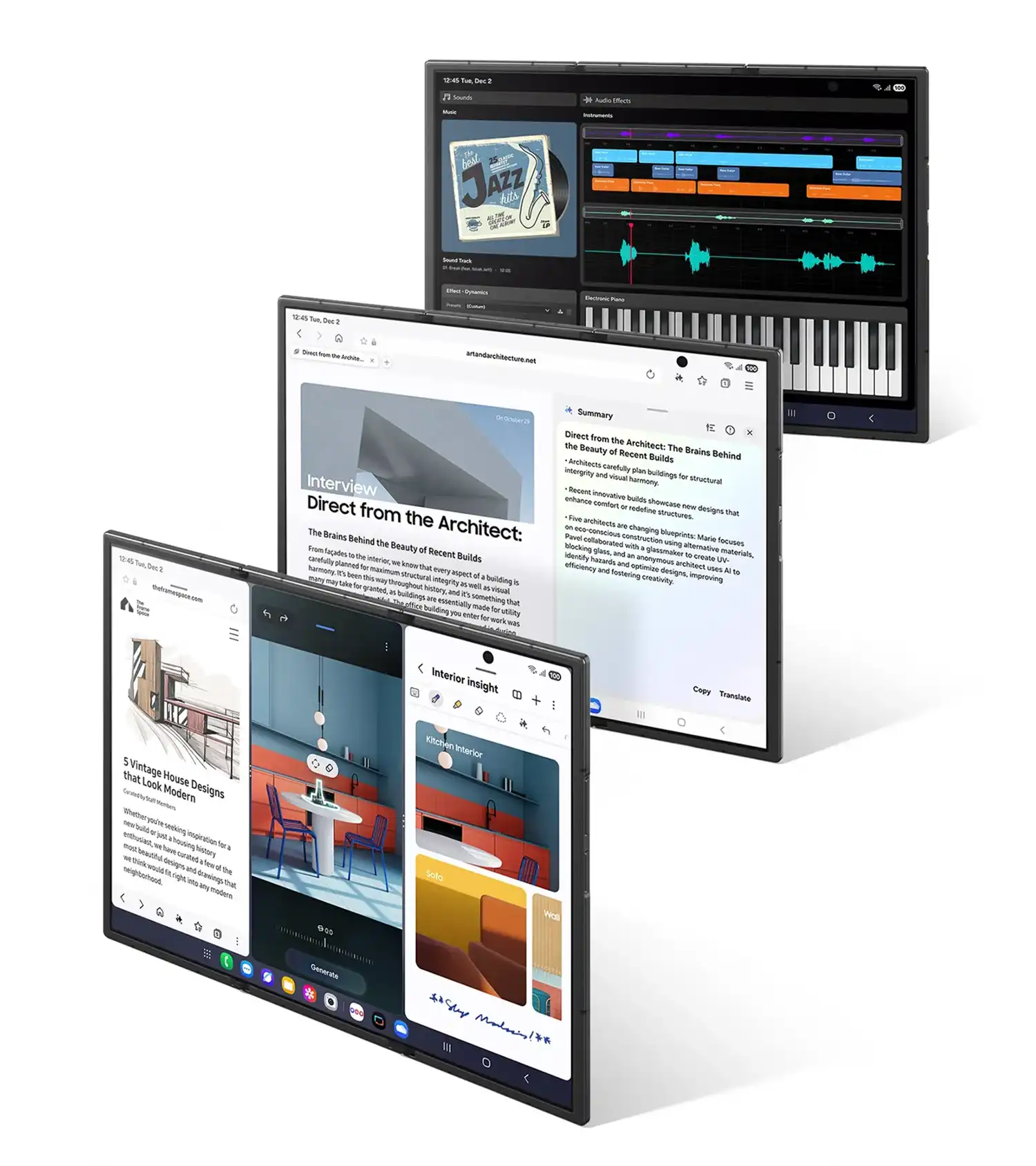
The defining characteristic, however, is the expansive canvas it provides. Unfolding twice reveals a stunning 10-inch display—the largest screen ever fitted to a Galaxy phone. This substantial real estate immediately elevates the device from a smartphone to a fully fledged workstation. Designers, architects, and creatives can now effortlessly manage three portrait-sized applications side-by-side, such as reviewing blueprints, drafting a proposal, and calculating measurements within a single, dynamic multi-window workspace, all without losing momentum. This capability demonstrates a deep understanding of user productivity demands.
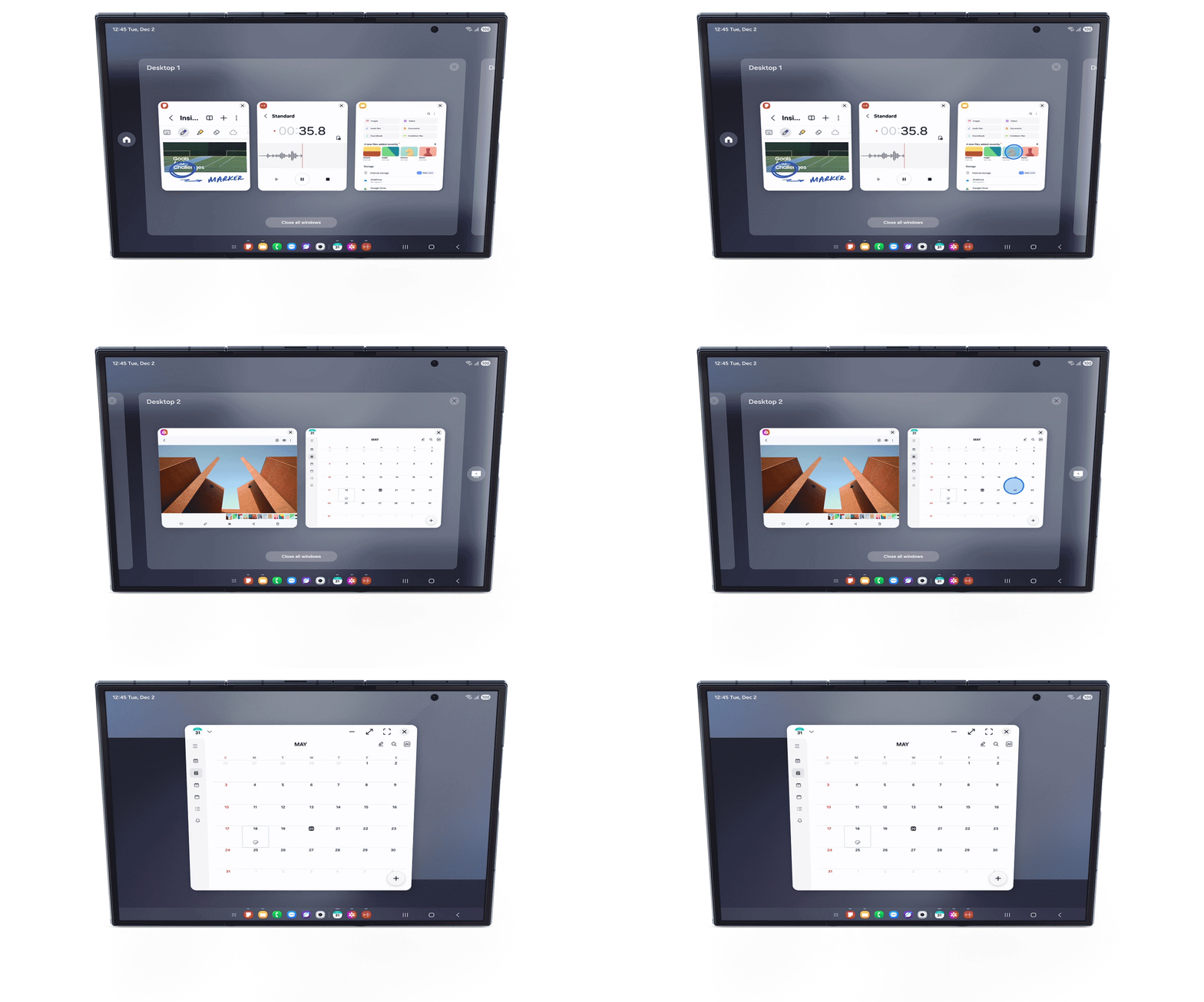
Beyond physical size, the software and AI integration truly unlock the TriFold’s potential. Being the first mobile phone to support standalone Samsung DeX, the device can instantly transform into a full desktop environment directly on its main screen, supporting up to four simultaneous workspaces. Paired with a Bluetooth keyboard and mouse, the TriFold delivers desktop-level efficiency in a package that fits into a pocket, offering portable workstation capabilities for complex projects. Furthermore, Galaxy AI features like Generative Edit and multimodal Gemini Live are optimized for the large screen, making photo editing and getting real-time design advice more intuitive and visually effective than ever before.
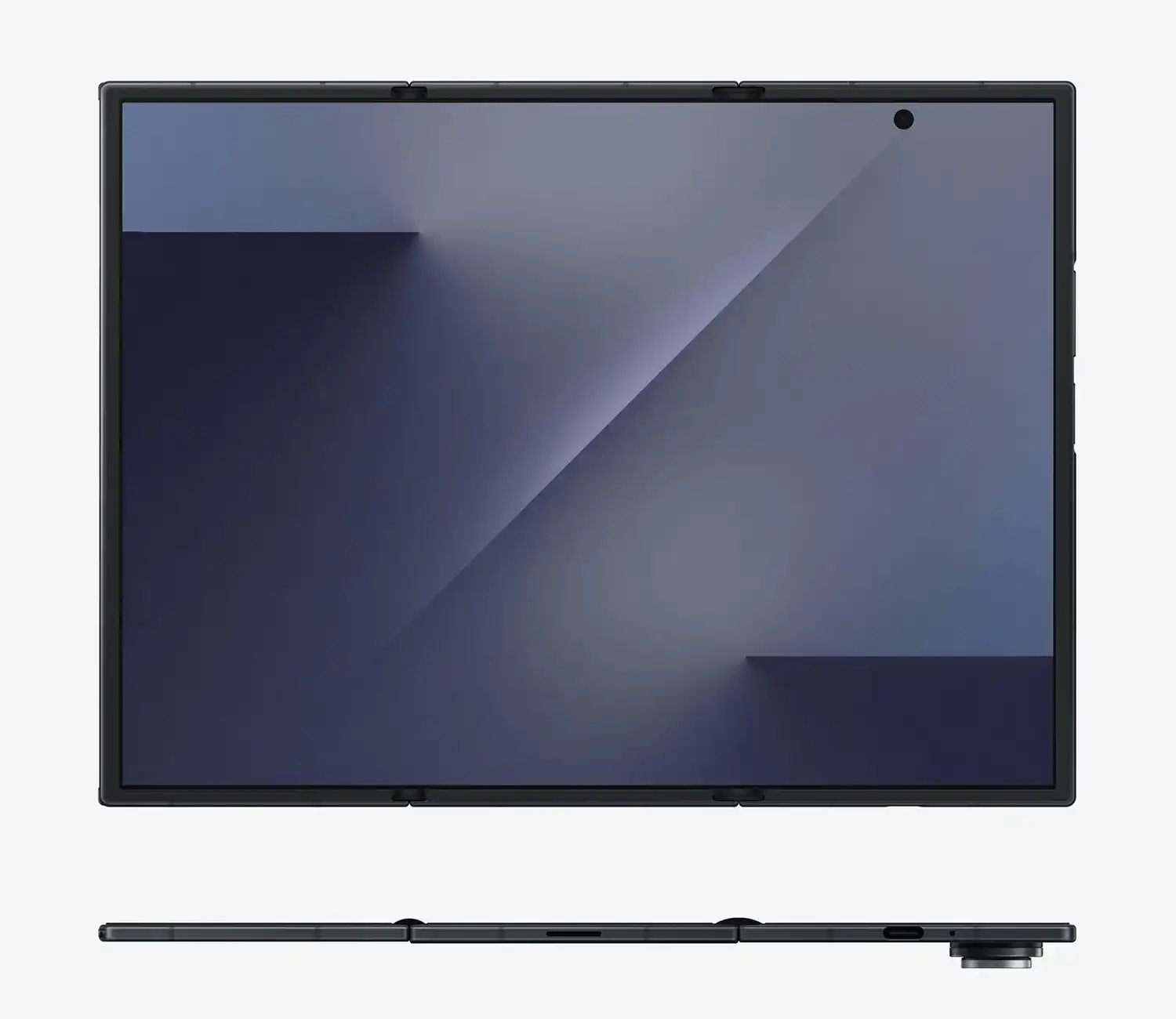
The device’s internal structural innovation is equally impressive. The customized Snapdragon 8 Elite Mobile Platform for Galaxy provides the ultra-performance required to drive this level of multitasking and mobile AI. To support the power demands of the expansive Dynamic AMOLED 2X screen, the 5,600 mAh battery system is ingeniously split across the three panels for balanced power delivery and all-day endurance. Every component, from the Advanced Armor Aluminum frame to the advanced materials used in the display overcoat, has been re-optimized to maintain a thin profile without compromising the essential durability required for repeated, complex folding.
The arrival of the Galaxy Z TriFold marks a definitive moment for mobile technology. It is not simply an evolution, but a complete redefinition of what a pocketable device can achieve, successfully fusing a premium and sophisticated design with the immense functionality of a tablet. With its unparalleled versatility and innovative software capabilities, this next-generation flexible smartphone not only honors the initial promise of foldable technology but surpasses it, setting a new benchmark for the entire consumer electronics industry. For those eager to experience this innovative form factor, the Samsung Galaxy Z TriFold will be available for purchase in South Korea from early December 2025, and through Samsung.com.