



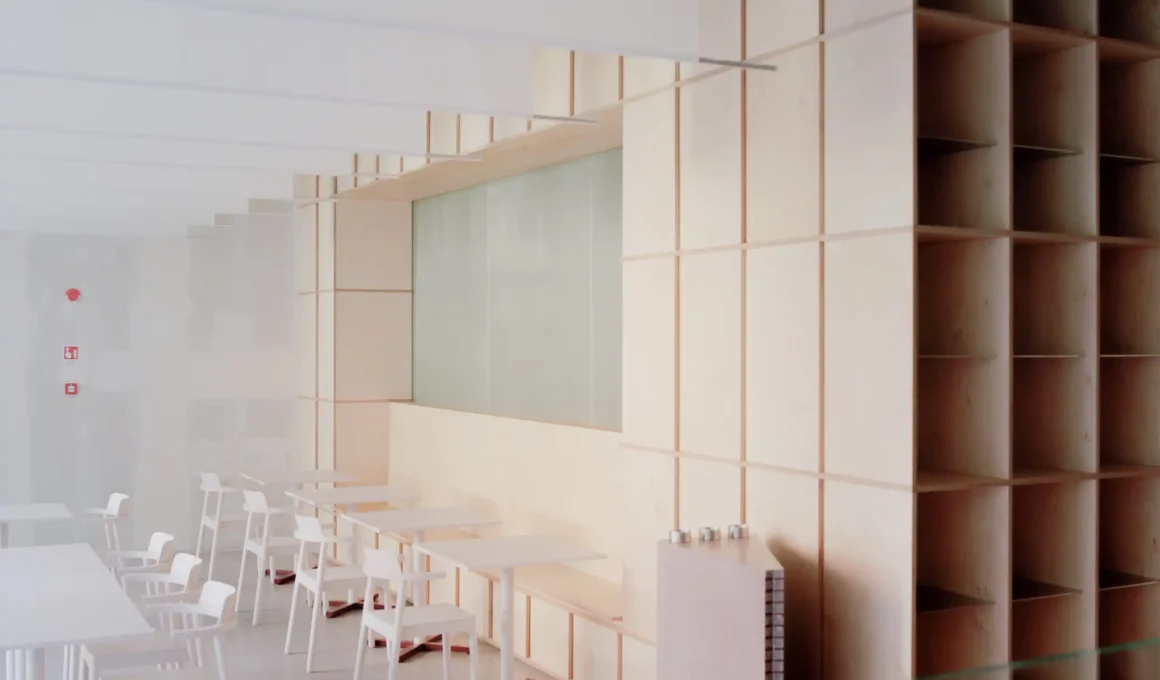
The insertion of small, distinct architectural elements within the newly opened PAN deli in Milan by local-practice studio wok successfully challenges the generic commercial uniformity of its surrounding corporate glass-and-steel development. By avoiding the literal tropes of Japanese minimalism or predictable Italian cafeteria culture, the intervention transforms a high-traffic transient space into a deliberate, paused sensory experience. This structural strategy effectively proves that neighborhood intimacy can be manufactured mechanically from within the belly of a contemporary urban complex.
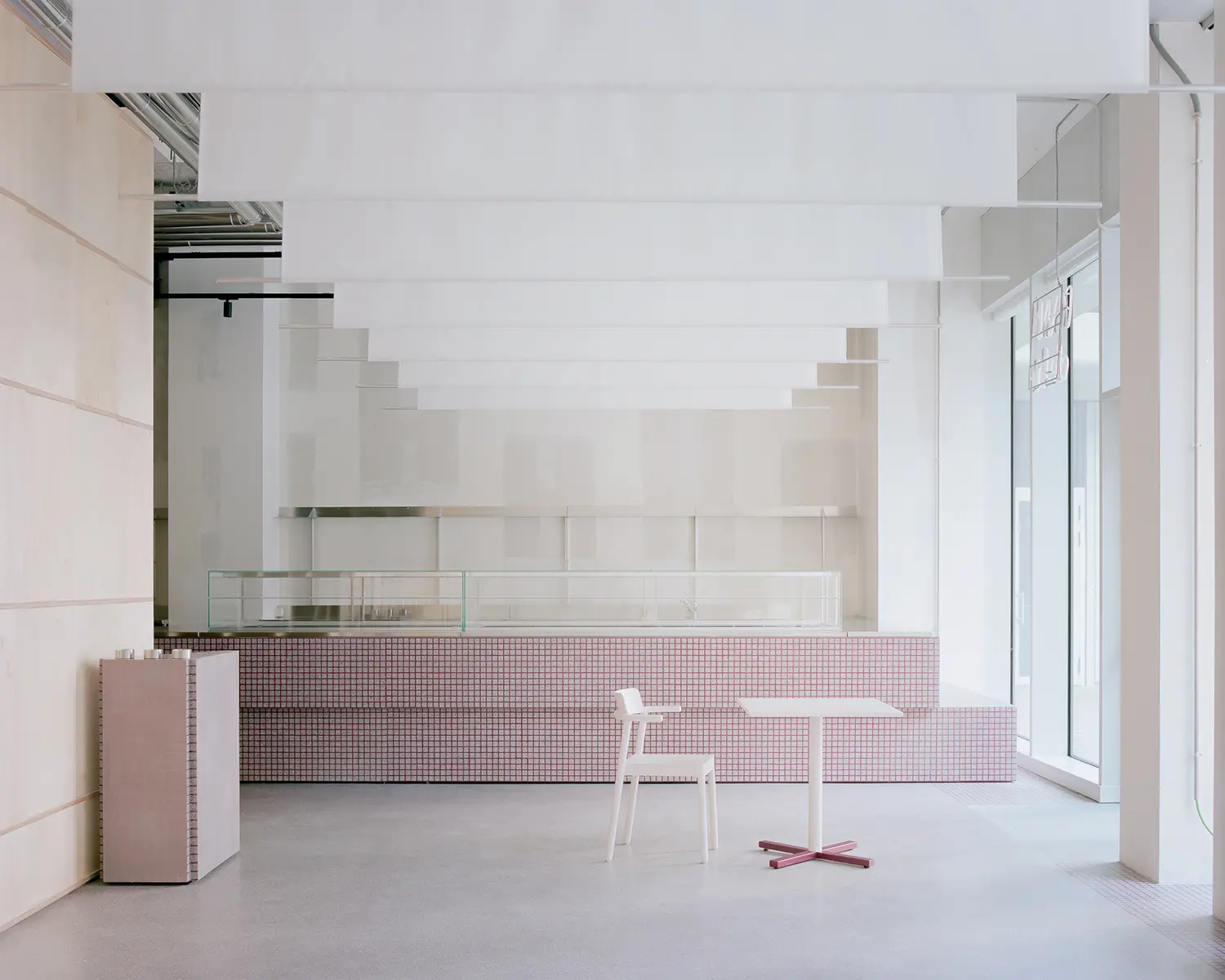
A trio of small architectures anchors the interior, purposefully fracturing the deep floor plan to establish distinct micro-environments for rapid or protracted consumption. This spatial subdivision avoids heavy, permanent walls, opting instead for structural interventions that guide the body naturally through the space. The visual narrative relies on this precise modulation of volume, allowing the daily ballet of espresso orders and pastry selection to unfold without friction.
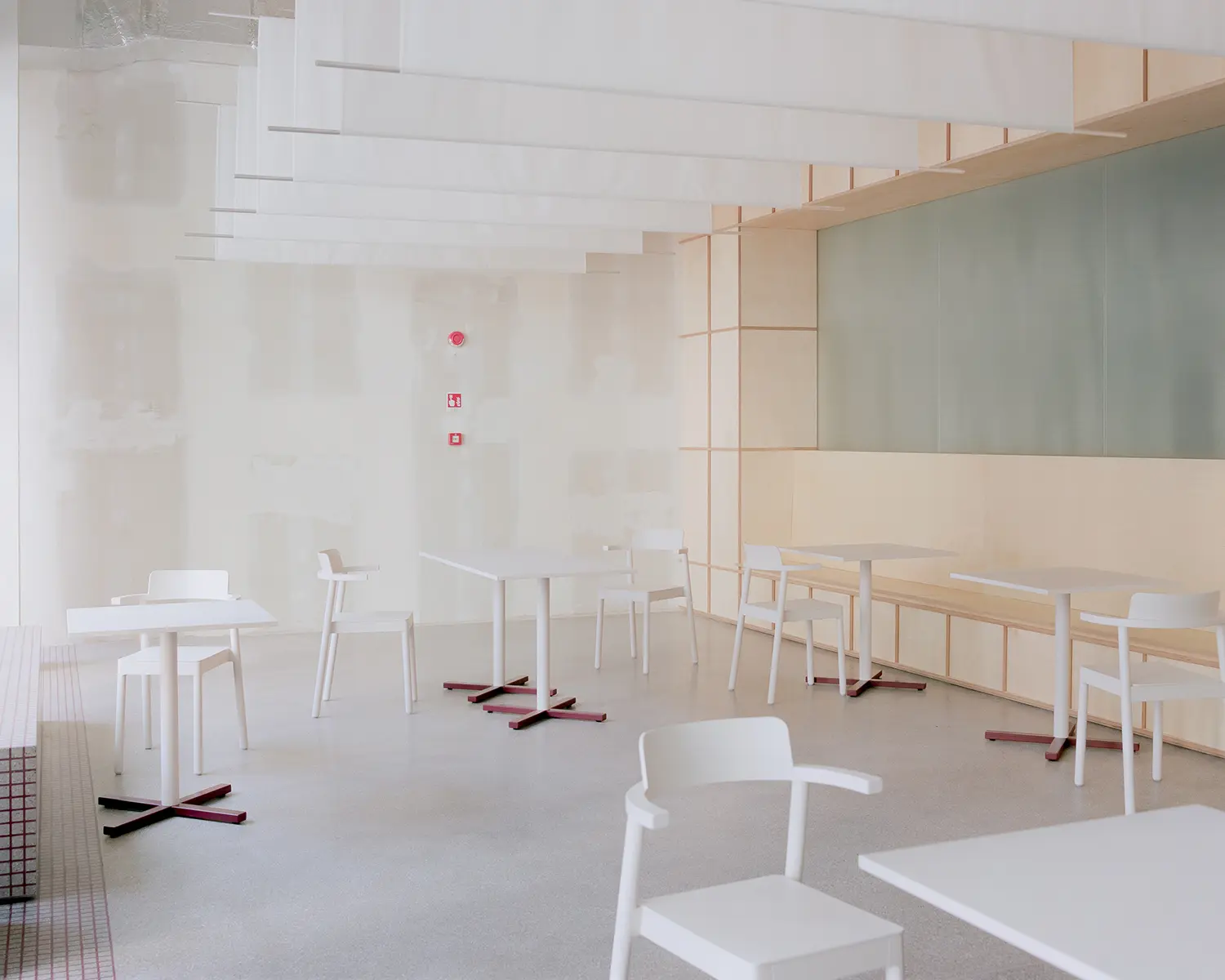
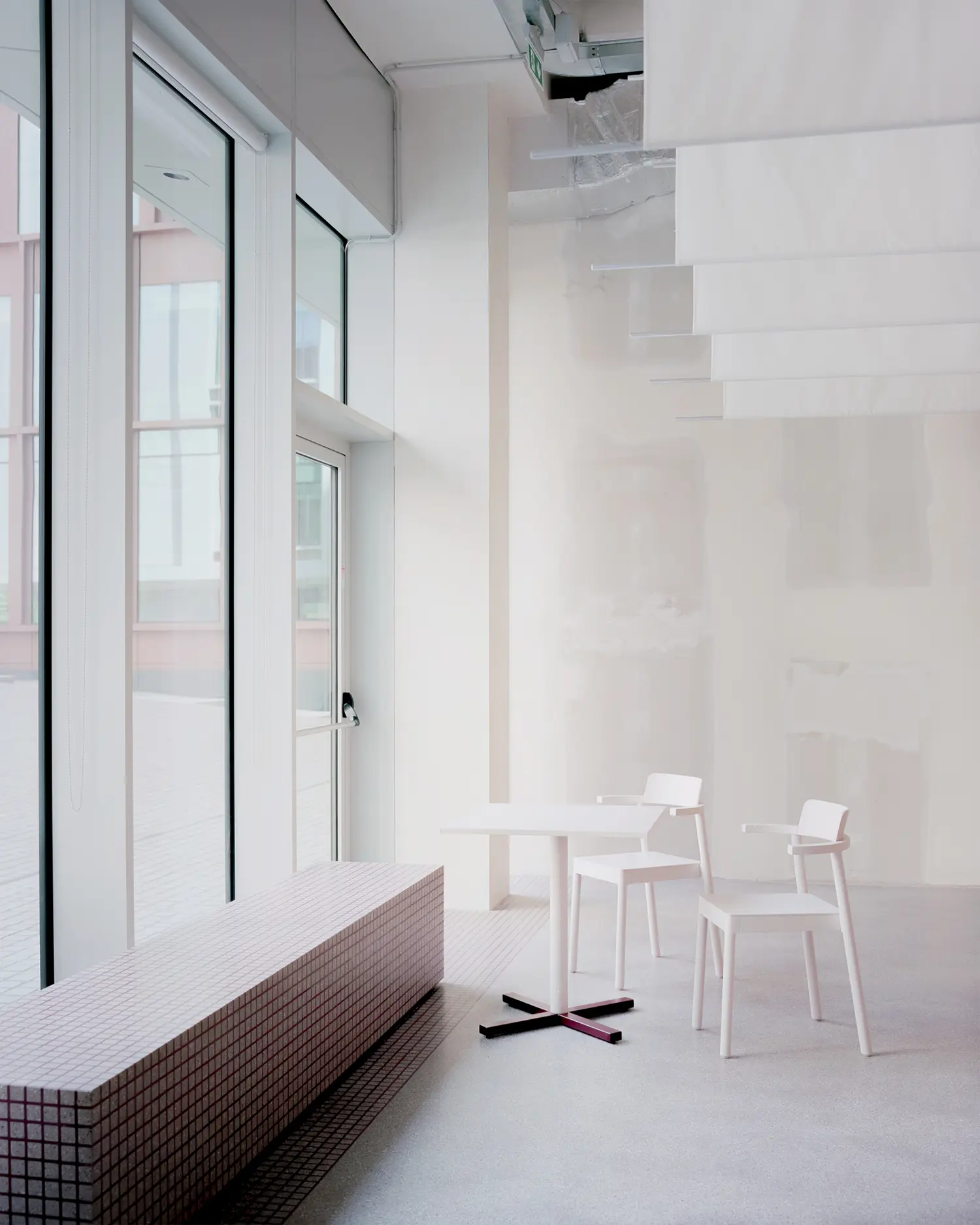
The central service counter commands the immediate view upon entry, acting as a massive textural anchor that grounds the entire culinary operation. Clad in industrial fiberglass grating panels that seamlessly merge with the raw concrete flooring, the structure appears simultaneously heavy and light, defying its own utilitarian density. This choice of industrial cladding elevates a mundane building material into something tactile and luminous, capturing the shifting daylight in its grid.
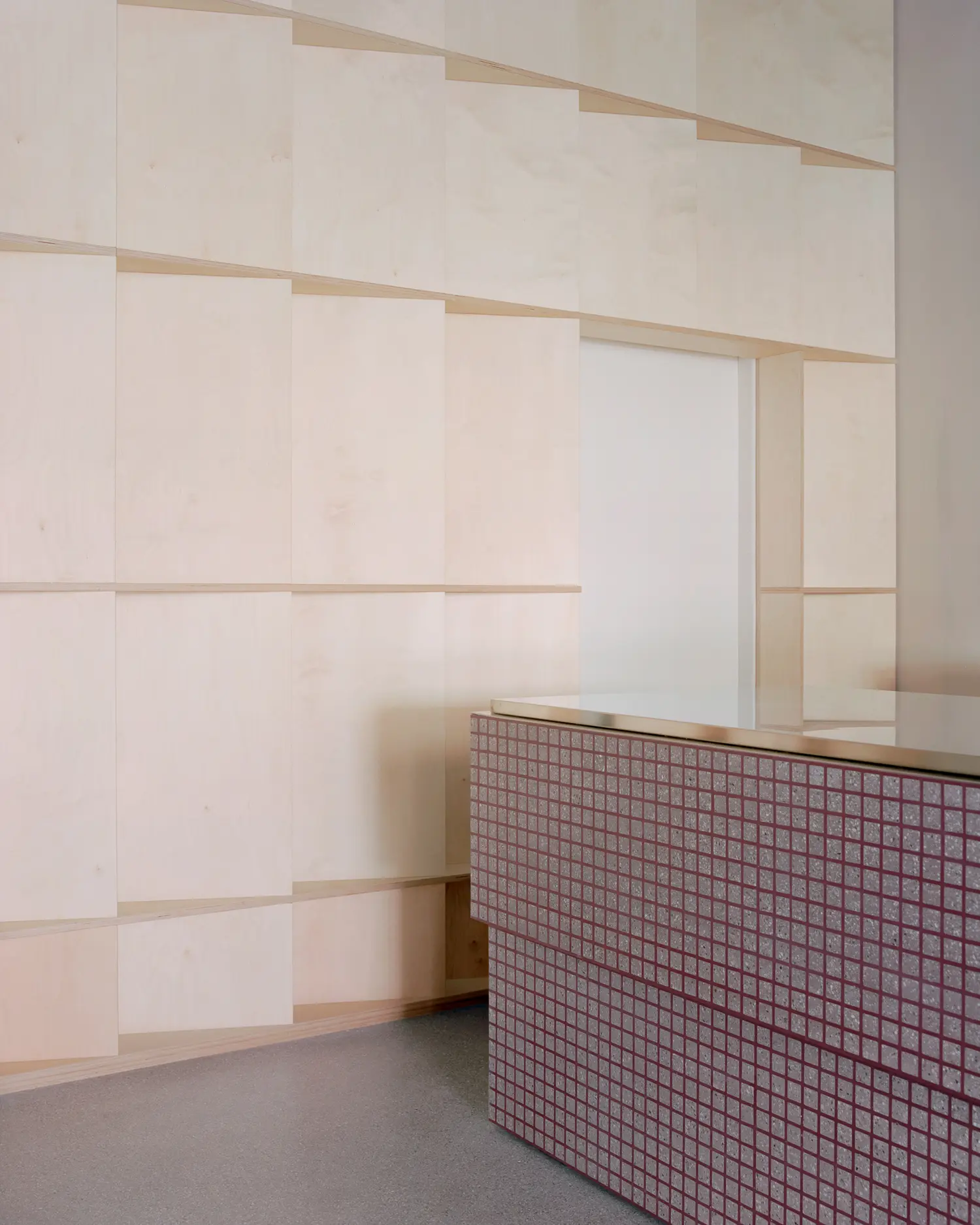
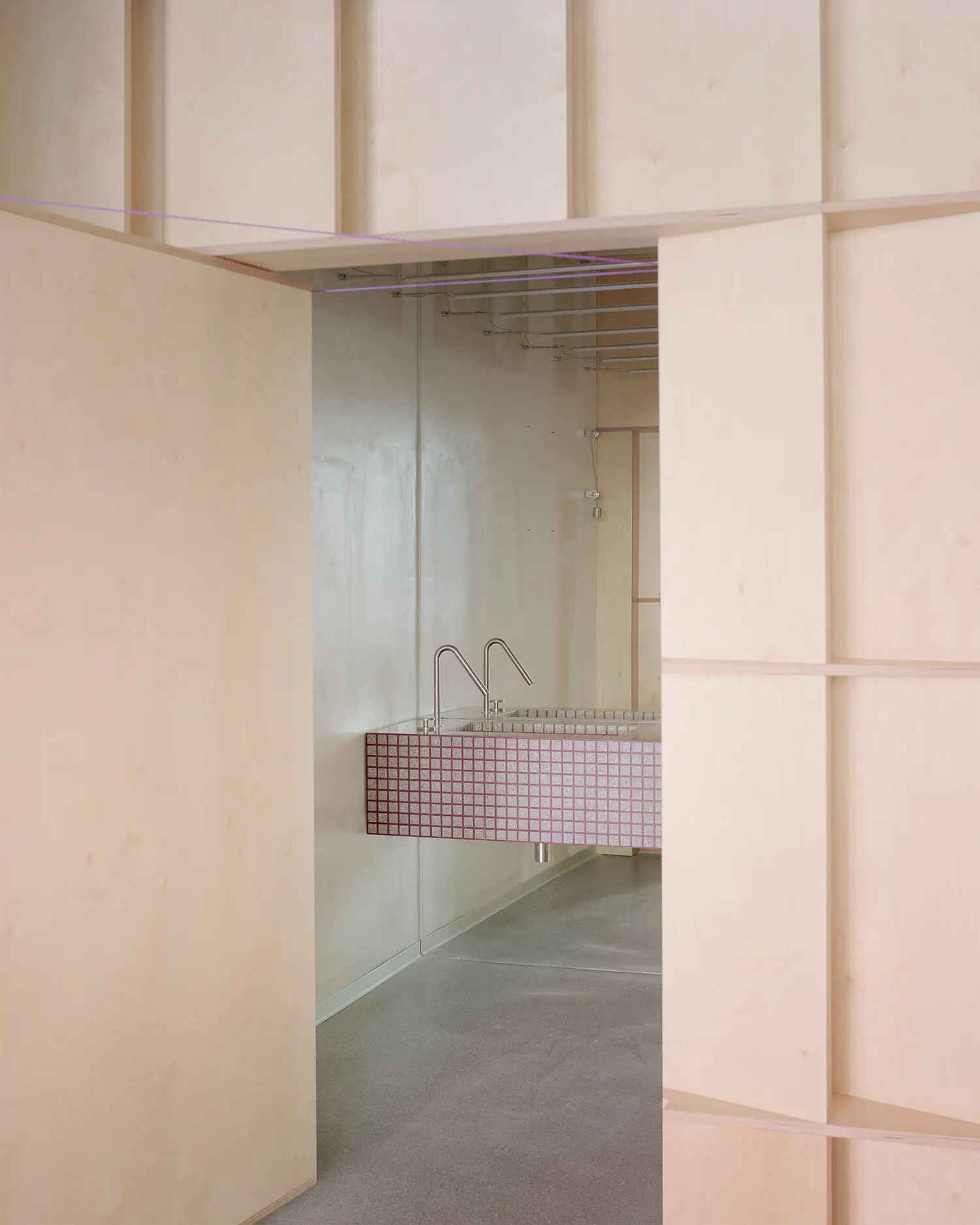
Warm birch plywood backdrops rise as volumetric wings behind the main service area, offering a soft tactile counterpoint to the surrounding masonry. These timber elements function as spatial dividers, integrated product displays, and the structural backing for a continuous, low-slung seating bench. By utilizing a material with an inherent domestic warmth, the intervention strips away the cold, anonymous character typically found in modern commercial developments.
The play of shadow and light across these timber surfaces changes throughout the morning, shifting the interior atmosphere from a bright breakfast spot to a dim, intimate lunch space. Fine metallic inserts are flush-mounted into the wood, serving as minimalist handles that conceal access doors without interrupting the grain. Every surface invites touch, rewarding closer inspection with precise joinery and smooth, matte finishes that absorb the ambient noise of the milan specialty coffee shop.
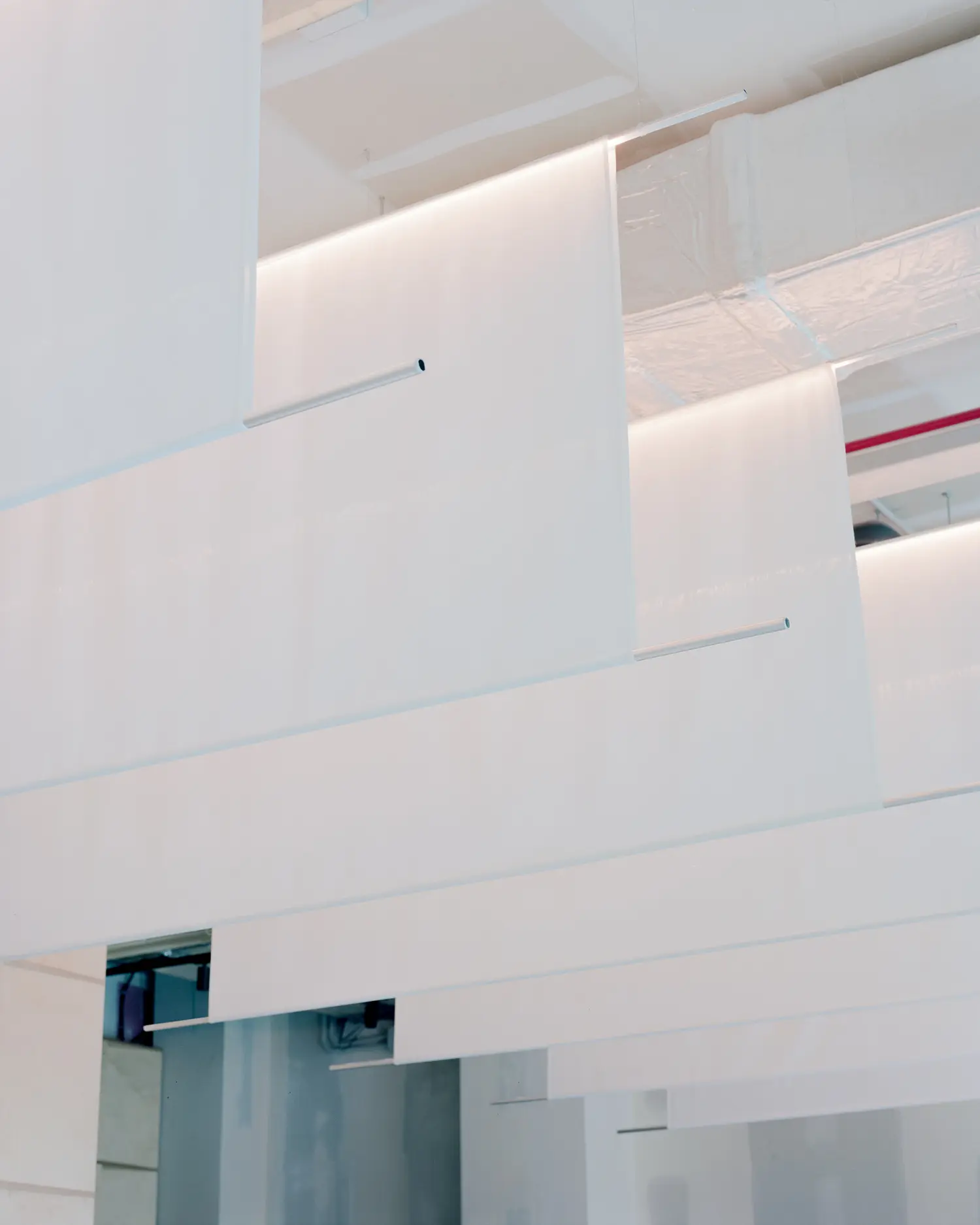
An intimate seating area occupies the quietest corner of the layout, positioned strategically under a custom, site-specific lighting installation. This linear luminaire gently mirrors the geometry of traditional Japanese noren curtains, casting a soft, downward glow that defines a zone for slower, more mindful consumption. Here, the sharp glare from the perimeter floor-to-ceiling windows is filtered and tamed, wrapping the patrons in a calm, protective dimness that elevates the contemporary cafe interior.
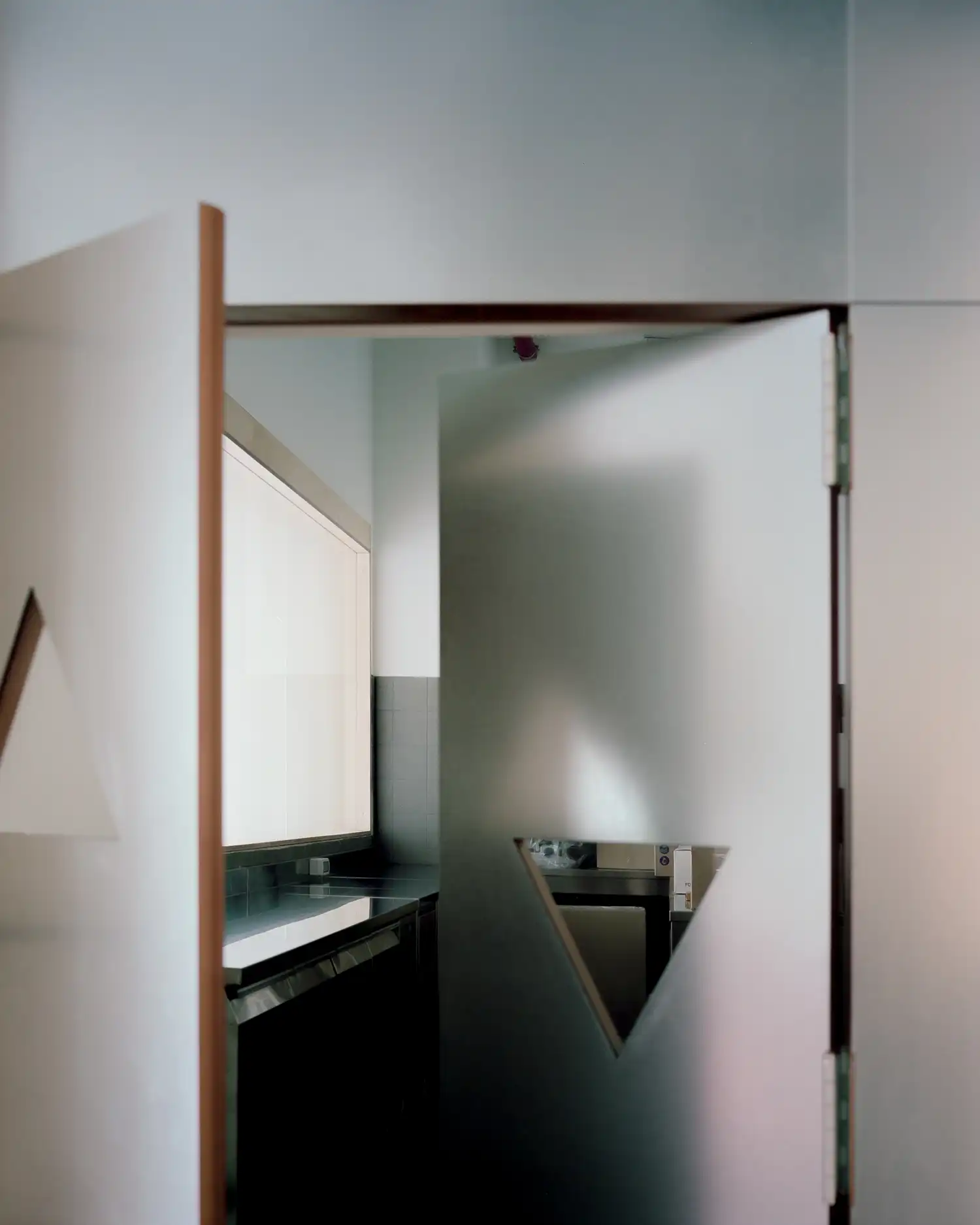
A frosted glass window connects the hidden kitchen to the main dining room, allowing the kinetic energy of food preparation to register as blurred, moving shadows. During peak hours, this translucent aperture acts as a soft lantern, emitting a warm, indirect luminescence that signals human activity. This clever transparency ensures the kitchen is never entirely sequestered, pulling the staff’s craft directly into the broader sensory ecosystem of the dining floor.
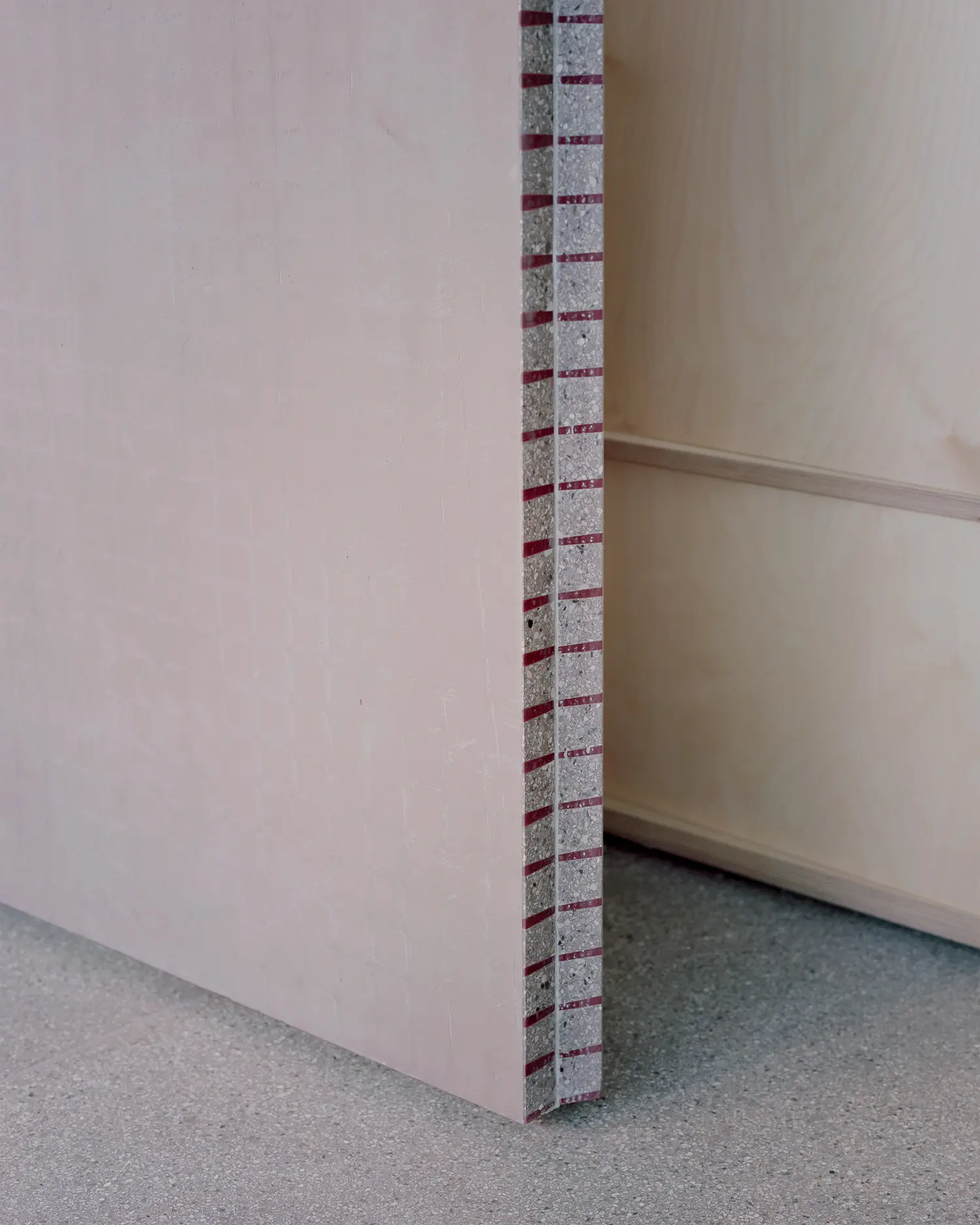
Subtle Japanese cultural references emerge purely through material execution rather than superficial decoration, prioritizing joinery precision and texturing over literal iconography. The space operates effectively as a threshold, an architectural filter that strips away the frantic cadence of the city the moment one steps across the entrance. Studio Wok’s restraint demonstrates that identity is best communicated through the weight and joints of a physical boundary rather than graphic application.
The reliance on industrial fiberglass as a premium finish establishes a risky precedent that prioritizes aesthetic subversion over the long-term patina of traditional hospitality surfaces. While the material brilliantly diffuses light and anchors the contemporary identity of the counter, its hard synthetic edge risks feeling sterile once the initial novelty of the texture fades. In attempting to elevate the mundane infrastructure of the city, the interior renovation project achieves a striking intellectual posture but gambles with the deep, unvarnished comfort required for a true neighborhood ritual to endure.