


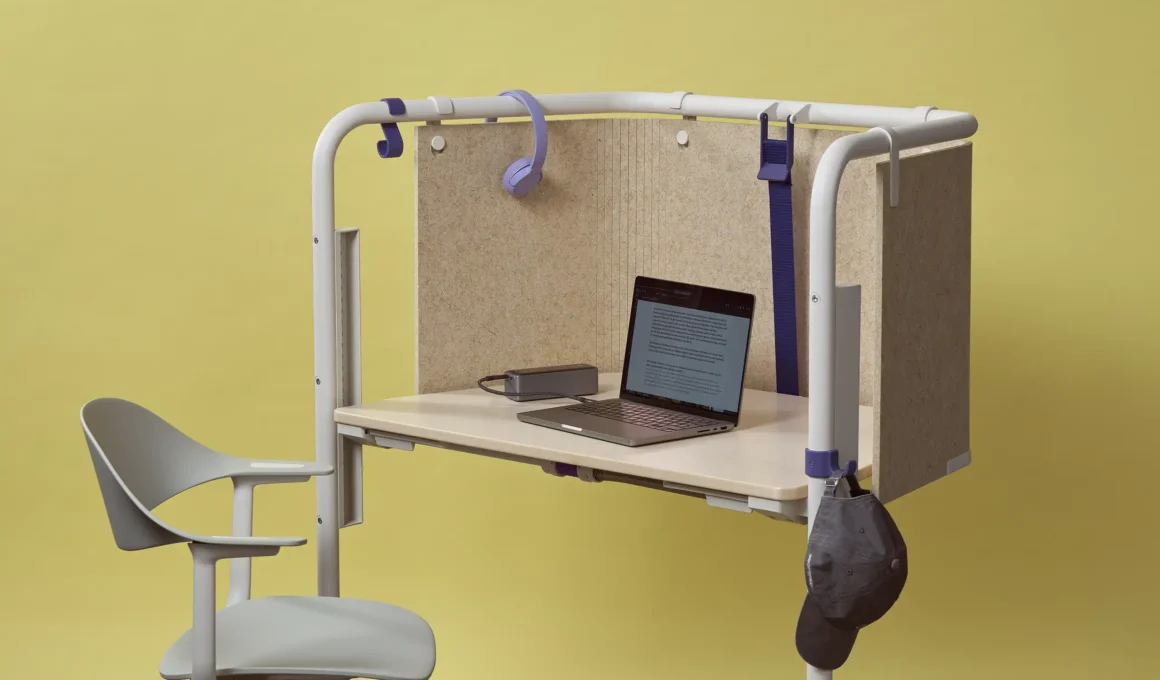
Swiss furniture brand Vitra and German industrial designer Konstantin Grcic have unveiled Scout, a versatile family of mobile and stationary work tables designed to transform the contemporary office into a fluid environment of constant iteration and adaptability.
The shifting landscape of modern productivity requires tools that acknowledge the end of the rigid workstation. Scoutarrives not as a finished monument to office furniture, but as a dynamic instrument for spaces that are never truly “complete”. By prioritizing exploration over static perfection, Konstantin Grcic has developed a table system that mirrors the rapid evolution of how we learn and collaborate, moving beyond the traditional boundaries of the cubicle or the fixed conference room.
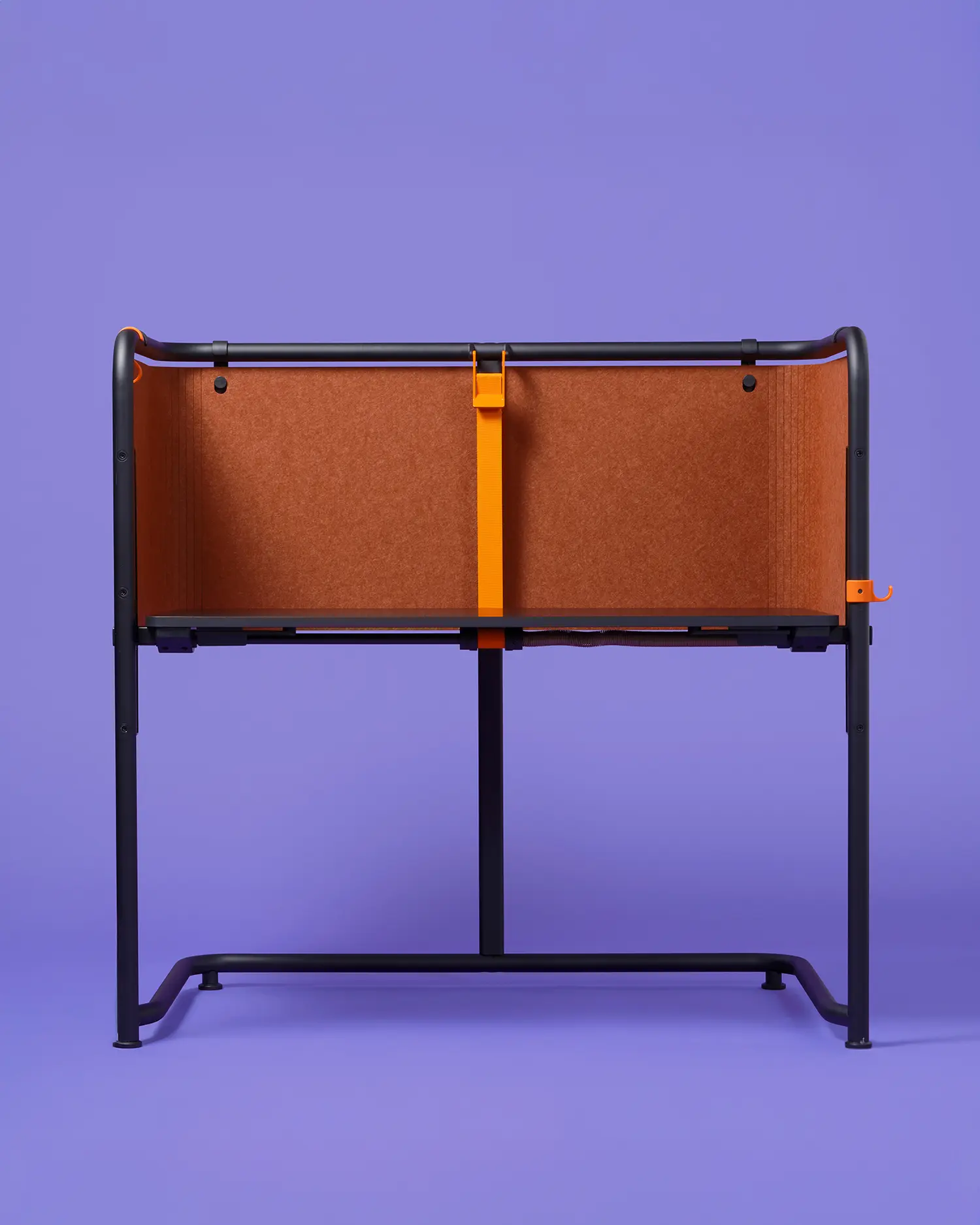
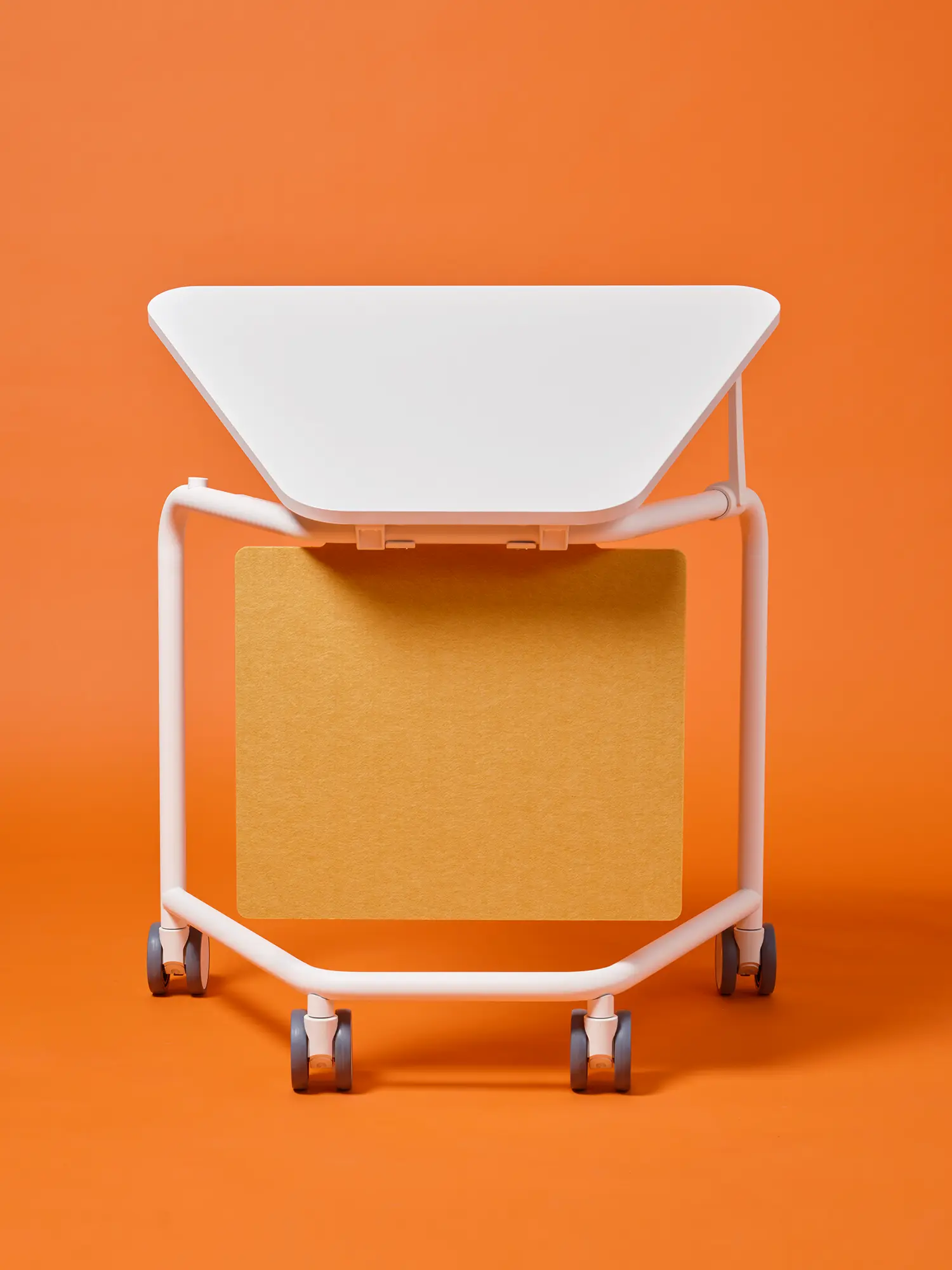
At the core of the collection is a distinctive structural honesty that Grcic describes as a pursuit of “simple and authentic” objects. The design is anchored by a robust tubular steel frame, which provides both the aesthetic identity and the mechanical stability of the series. This skeletal approach allows the user to see exactly how the object is made and how it functions, stripping away the corporate veneer to reveal a tool that feels transparent in its purpose and resilient in its execution.
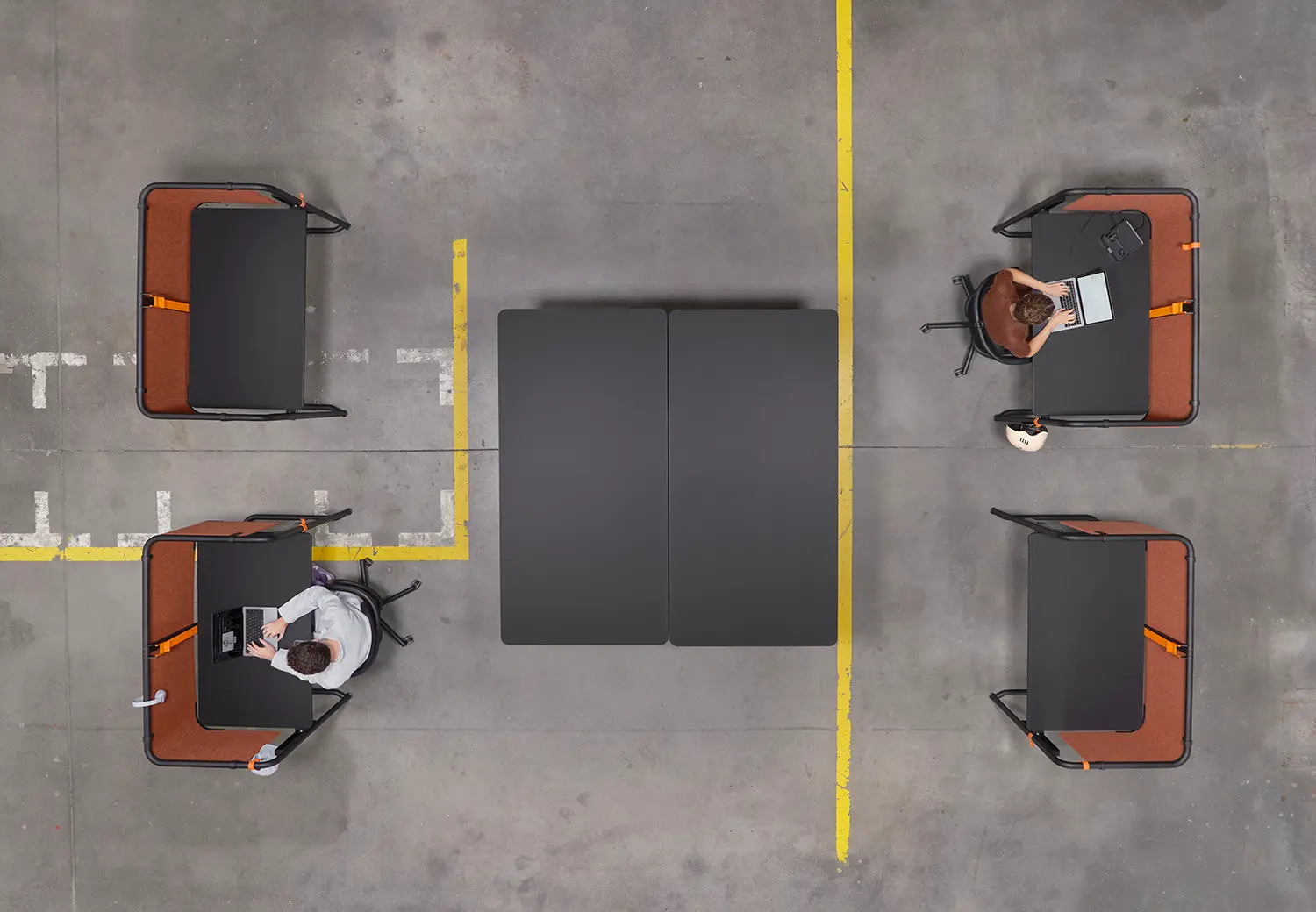
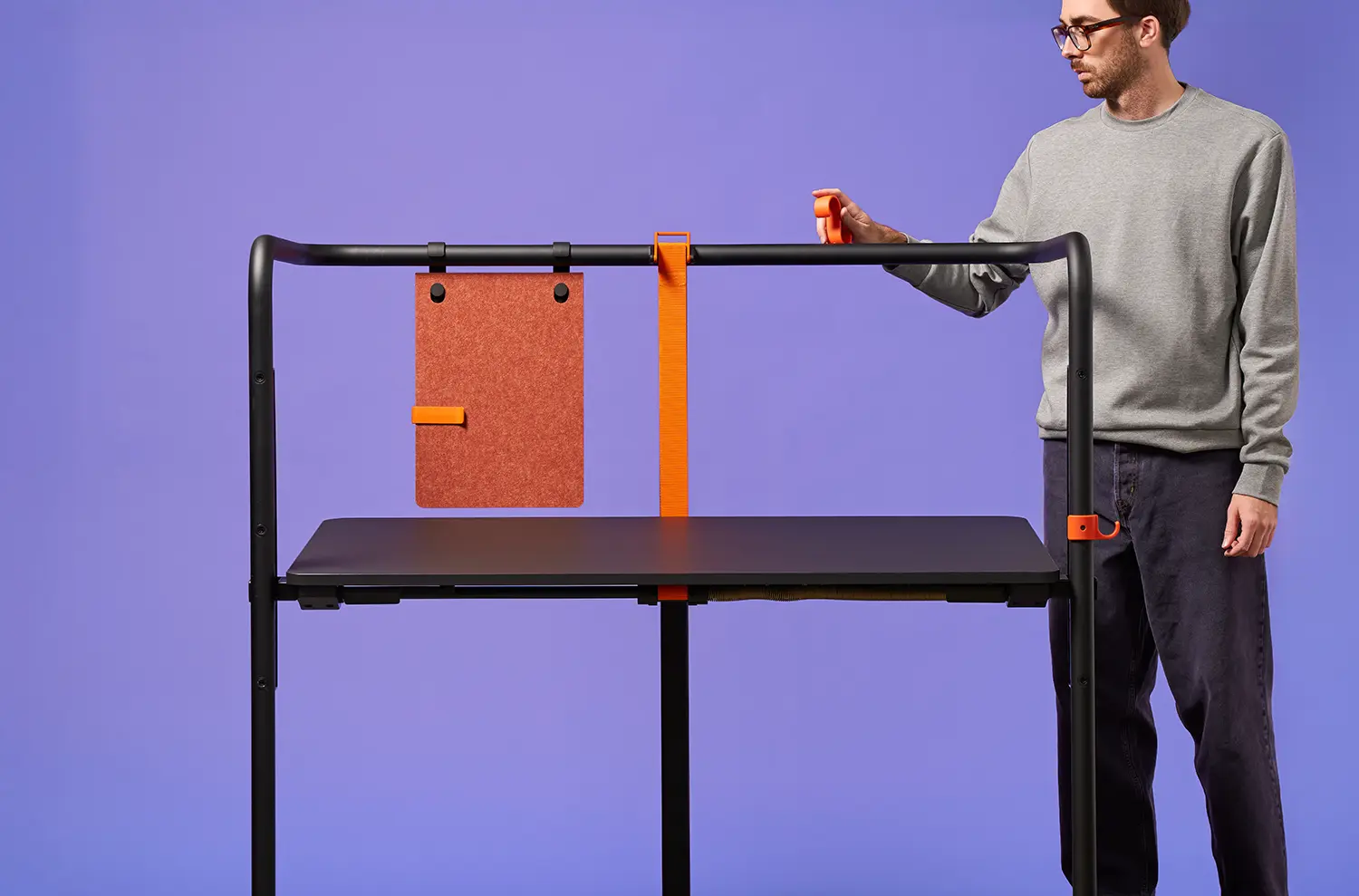
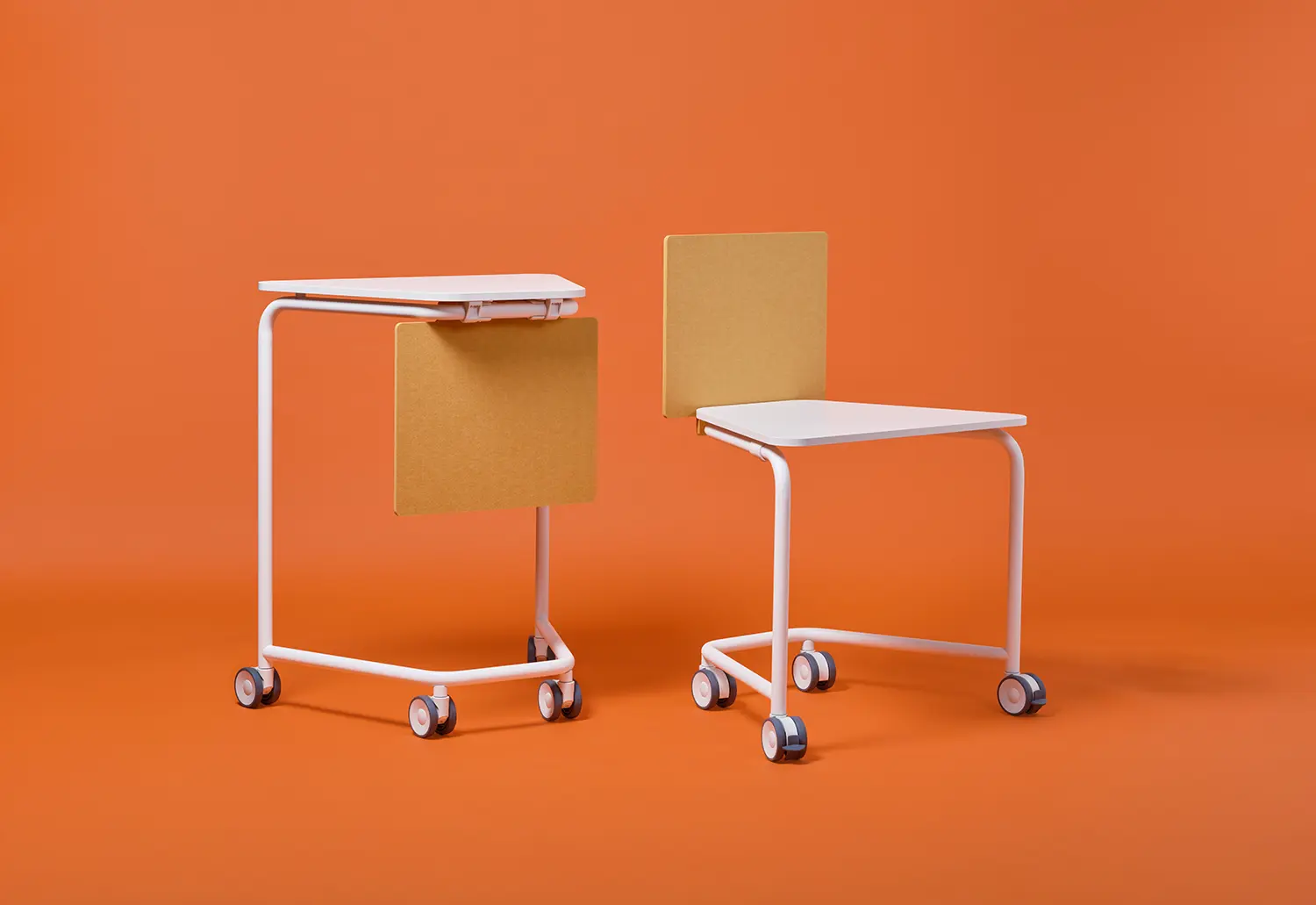
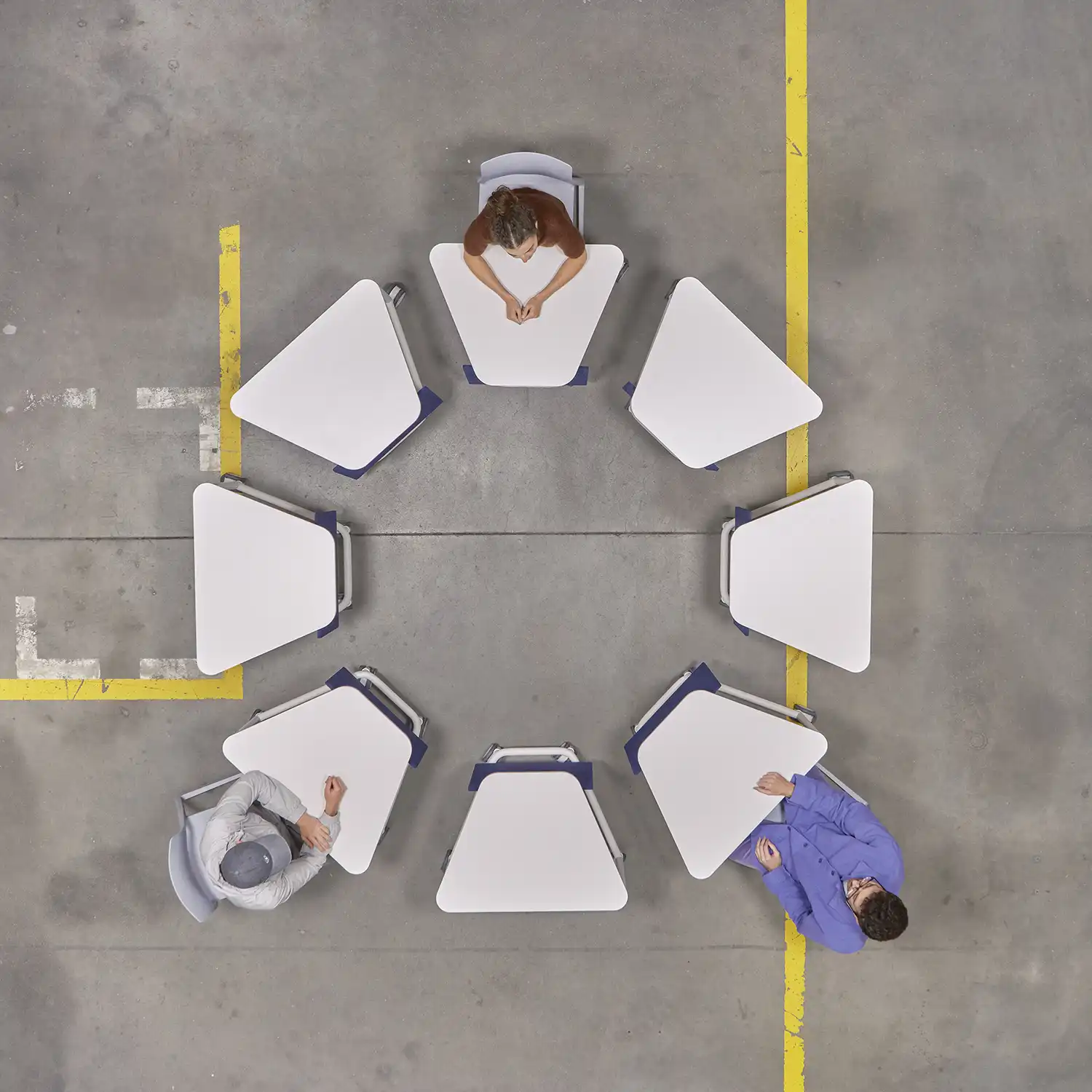
The intelligence of the system lies in its extreme modularity. Scout is a family of working and meeting tables—available in both mobile and fixed versions—that can be configured to meet daily needs and then tucked away when the floor needs to be cleared. The tubular structures serve as intuitive attachment points for mechanical height-adjustment components, as well as a range of simple accessories and panels that provide privacy and division without the permanence of a wall.
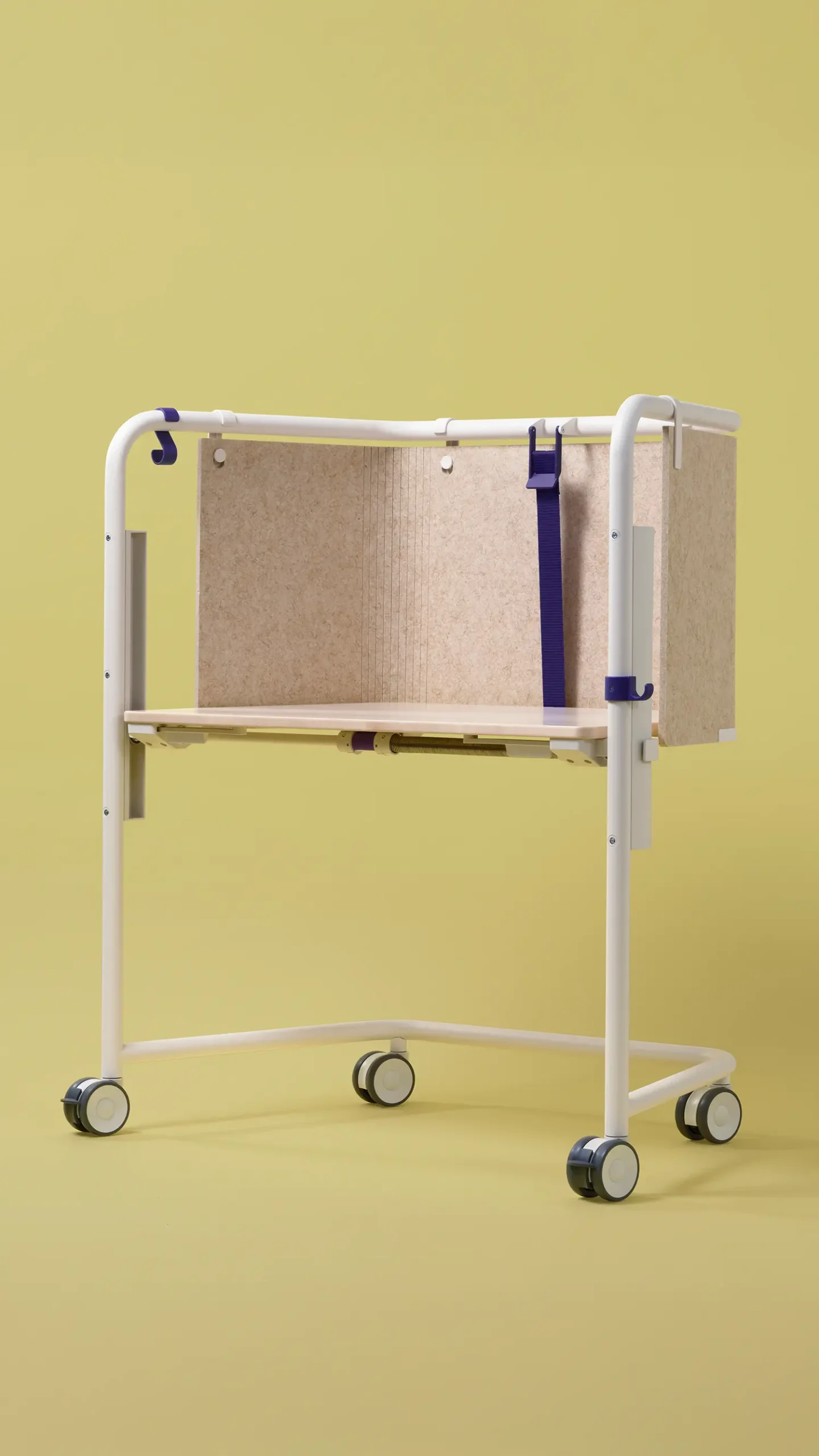
Navigating the constraints of urban density, the collection introduces specialized compact variants like the Scout Work Mobile and Scout Sprint. These models are specifically engineered for agile work within restricted footprints, ensuring that even the most cramped startup or satellite office can maintain a high degree of flexibility. The presence of wheels on three of the table models emphasizes the transition from a sedentary office culture to one defined by movement and the spontaneous reorganization of teams.
A commitment to sustainable utility drives the material choices and the longevity of the collection. The oversized steel frames are not merely a stylistic choice but a guarantee of durability and a more efficient use of materials over the product’s lifecycle. Because the furniture system can be repaired, reconfigured, and adapted to various contexts—from design studios and corporate training centers to informal group workshops—it avoids the obsolescence that typically plagues specialized office furniture.
Designing for the “anywhere” worker means acknowledging that learning and earning now happen in the same breath. Scout does not impose a singular method of use; instead, it invites the user to personalize their environment. It is a response to a world where the office must compete with the flexibility of the home or the public square, offering a level of adaptability that makes the transition between deep concentration and collaborative brainstorming feel seamless.
The sensory experience of the workspace is redefined through Grcic’s focus on the “purity of essence”. There is a tactile satisfaction in the heavy-duty components and the “ingeniously simple” assembly of the privacy screens. It feels less like a piece of furniture and more like a piece of infrastructure—a platform that empowers the user rather than dictating their posture or their process.
As organizations face an unpredictable future, the value of their physical square footage will be measured by its ability to change. Scout provides the necessary friction-less transition between configurations, allowing a room to be a workshop in the morning and an empty hall by the afternoon. By embracing this spirit of continuous iteration, Vitra and Grcic have delivered a system that doesn’t just fill a room, but prepares it for whatever comes next.