

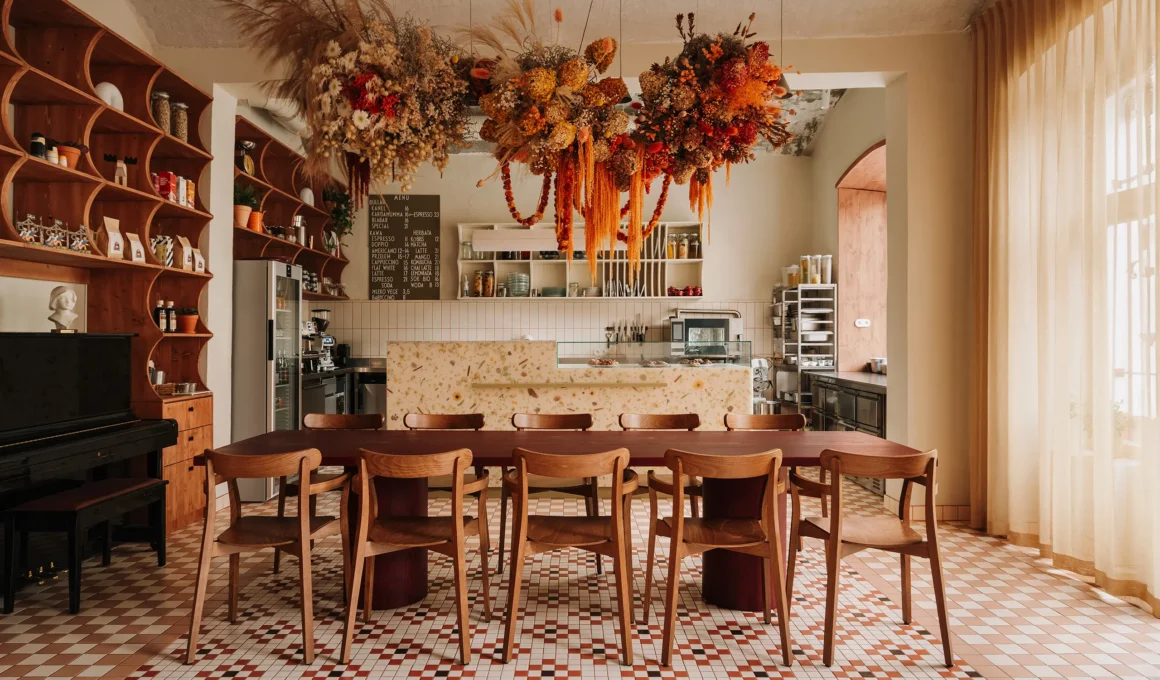
In the heart of Kraków’s historic Kazimierz district, a new culinary destination has emerged that bypasses the typical tropes of Scandinavian minimalism in favor of something far more visceral. Dala, a restaurant designed by the Polish studio Znamy się, acts as a cultural bridge between Central Europe and the rugged, festive soul of Sweden. Named after the iconic Dalahäst—the wooden horse that symbolizes joy and celebration—the space is conceived not merely as a place to eat, but as a rhythmic environment that mirrors the seasonal rituals of Northern life, from the quietude of a morning fika to the exuberant light of Midsommar.

A narrative rooted in landscape and lore serves as the project’s conceptual foundation. The designers at Znamy się have moved beyond aesthetic surface treatments to translate the Swedish wilderness into a spatial experience. The interior palette is a direct reflection of Sweden’s topography: the deep greens of dense coniferous forests, the crystalline clarity of its lakes, and the earthy reds of traditional wooden cottages. By integrating these natural cues, the restaurant establishes a “multi-sensory narrative” where the transition of seasons dictates the atmosphere, allowing the interior to breathe and shift alongside the rituals it hosts.

Materiality and the alchemy of spices define the technical execution of the dining rooms. In a sophisticated nod to Swedish baking traditions, the studio used the olfactory profile of cinnamon, saffron, and cardamom to inform the tactile elements of the interior finishes. Dark wooden shelving with rounded, cylindrical edges evokes the form of cinnamon sticks, while deep red countertops provide a warm, saturated glow reminiscent of saffron-infused lussekatter. This organic approach extends to the lighting, where bespoke shades shaped like cardamom seeds cast an intimate, amber glow over the tables, reinforcing the sense of “mingel”—the Swedish art of informal social gathering.

The architecture of celebration is most palpable in the entrance area, which captures the ephemeral magic of the summer solstice. Here, the boundary between indoors and outdoors blurs through the use of floral installations and resin-embedded botanicals within the bar structure. A long communal table, anchored by a piano, serves as the social heart of the plan, referencing the grand feasts of the Nordic summer. In more secluded corners, metal canopies and airy green curtains provide a structural lightness, mimicking the temporary tents of a garden festival while offering the functional flexibility required for a modern hospitality project.

A rhythmic transition between domesticity and the avant-garde characterizes the restaurant’s layout. The front of the house operates with the fluid logic of a home—combining the warmth of a kitchen, dining room, and lounge—while the rear transitions into a more conceptual zone. This area, defined by organic, structural walls and bold patterns, draws inspiration from the artistic underground of Stockholm’s subway stations. This juxtaposition ensures that the space remains dynamic, shifting from a sun-drenched bakery in the morning to a candlelit, wine-focused sanctuary as the Polish twilight settles over Kazimierz.

Contextual resonance and communal spirit are what anchor Dala within the vibrant fabric of Kraków. By focusing on the “joy of everyday life,” the founders—who previously established the acclaimed Kaffe Bageri Stockholm—have created a venue that feels both exotic and deeply local. This project follows a growing global trend of cinematic, narrative-driven dining spaces that prioritize storytelling over sterile trends. We have seen similar successful executions in the nostalgic aesthetic of a Wes Anderson-inspired diner in Beirut or the raw minimalism of a contemporary pizzeria in Bratislava, where the interior becomes a vital component of the gastronomic identity. At Dala, the result is a soulful environment where the scent of pine and freshly baked buns invites guests to slow down and savor the present moment.