



The dream of transforming your home into a personalized sanctuary often collides with the reality of resale value. While indulging in bespoke upgrades can be deeply satisfying, it’s crucial to understand that not all renovations translate to a higher selling price. In fact, some lavish projects can actively deter potential buyers. It’s a delicate balance: enhancing your living space while ensuring you’re not throwing money away. Let’s delve into the upgrades that sound luxurious but can actually diminish your home’s appeal in the eyes of buyers.
Luxury Upgrades That Buyers Won’t Pay For
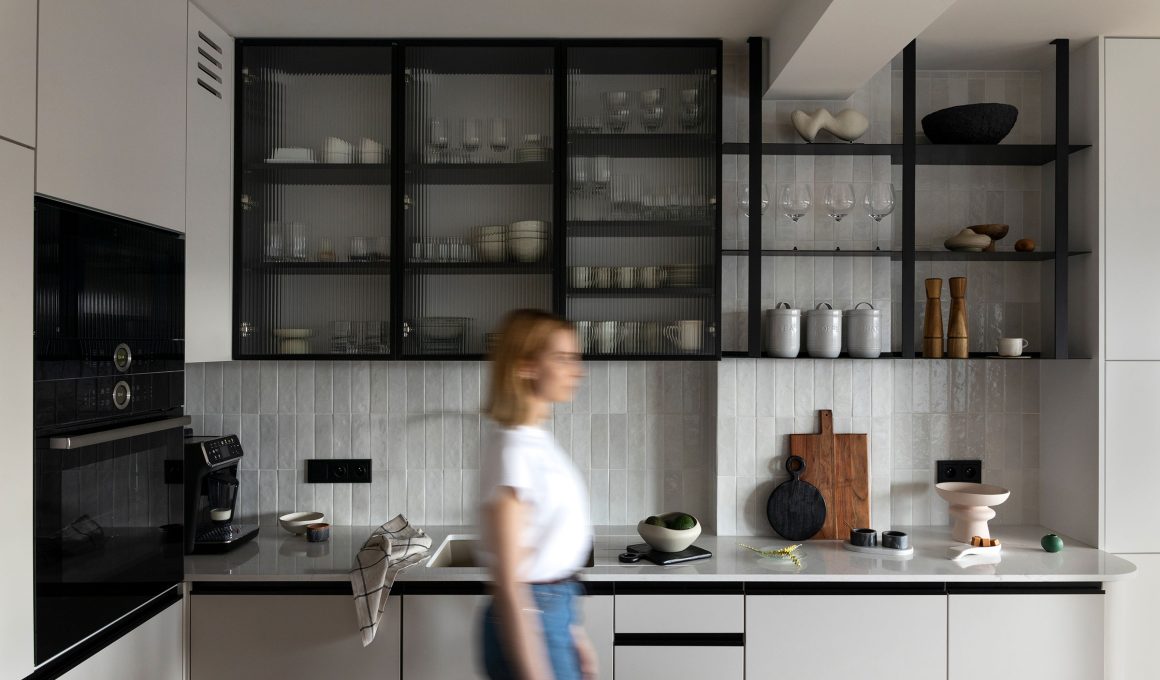
A high-end kitchen might impress your guests, but buyers won’t always pay extra for your taste. A $150,000 remodel with custom cabinetry and imported marble won’t return anywhere close to that investment. Mid-tier updates—new countertops, updated appliances, and modern lighting—deliver far better returns. Overspending on high-end finishes in a mid-range neighborhood is a financial trap.
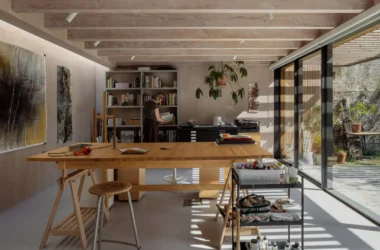
Over-personalization kills resale value. A home gym with customized flooring or a wine cellar can hurt more than help. Features tailored to a specific lifestyle shrink your buyer pool. Neutral, practical improvements win every time.
The Illusion of Instant Equity
Homeowners love to assume every renovation translates to a higher price tag. That mindset leads to costly mistakes. A luxury steam shower or custom-built bar might make your home feel premium, but buyers dictate value, not personal taste. Overspending on upgrades that don’t align with neighborhood standards is money down the drain.
Before dropping thousands on another project, use a home value estimator to gauge your property’s worth. Compare it to recent sales in your area. If adding a high-end feature makes your home drastically more expensive than comparable properties, you are not increasing value—you are creating an overpriced listing buyers will ignore.

Renovations That Actually Pay Off
Strategic Kitchen Upgrades
A full kitchen overhaul rarely gives a solid return, but smaller improvements like refaced cabinets, new countertops, and efficient appliances make a difference. The key is cost control. A $25,000 refresh provides far better ROI than an extravagant redesign.
Basic Bathroom Remodels
Expanding a bathroom or adding a luxury soaking tub sounds good on paper, but it rarely pays off. A streamlined upgrade—new vanity, lighting, and fixtures—delivers the best value. Keep it simple.
Curb Appeal Wins Every Time
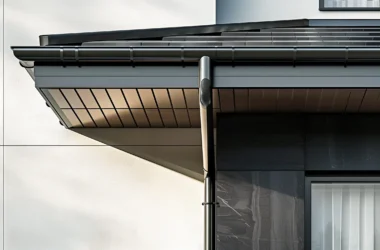
Exterior upgrades recover more value than most interior projects. New garage doors, refreshed siding, and modern front doors boost resale potential. First impressions sell homes.
Adding Usable Space Without Overbuilding
Finishing a basement or converting an attic into a functional space can add practical value without blowing the budget. The mistake homeowners make is over-customizing. A simple extra bedroom or home office is far better than turning the space into a themed entertainment room.
The Trap of High-Maintenance Features
Some upgrades look appealing but scare buyers away. A high-maintenance pool adds huge upkeep costs. So do elaborate landscaping features. Buyers see future expenses, not a selling point.
Built-in electronics and home automation seem modern but become outdated fast. New buyers don’t want to invest in replacing yesterday’s “cutting-edge” system. Keep technology flexible and upgradeable.
What Lowers a Home’s Resale Value?
- Removing Bedrooms: More bedrooms mean more value. Converting a bedroom into a massive closet or office space often backfires.
- Over-the-Top Customization: Highly unique finishes and extreme décor choices limit buyer interest.
- Low-Quality Renovations: Cheap materials and bad craftsmanship undermine even the best intentions.
- Changing Floor Plans Too Much: Structural modifications that disrupt the home’s flow turn buyers off.
Smarter Reno Decisions
Before investing in any renovation, assess resale impact first. Compare to neighborhood comps. Stay practical, avoid excessive customization, and focus on updates that appeal to most buyers. A well-maintained, timeless home sells—it does not need a $100,000 kitchen to do it.